

 English
 Español


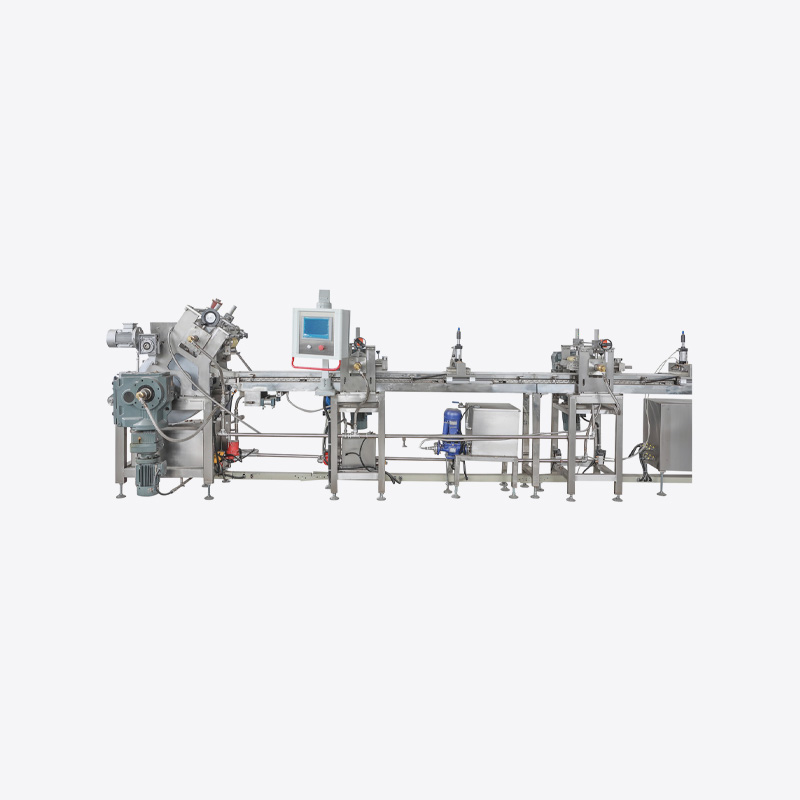
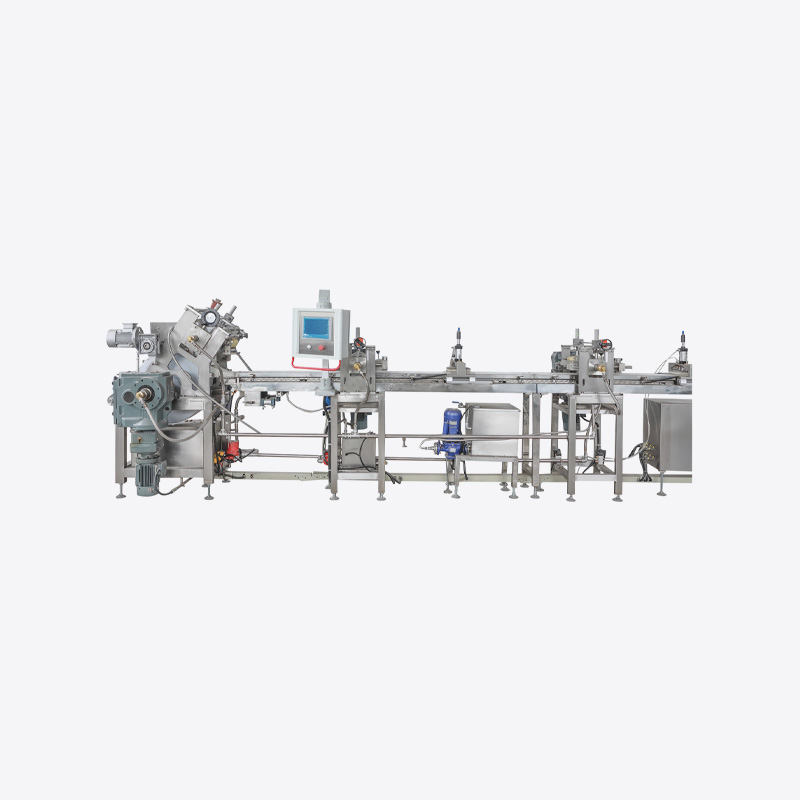
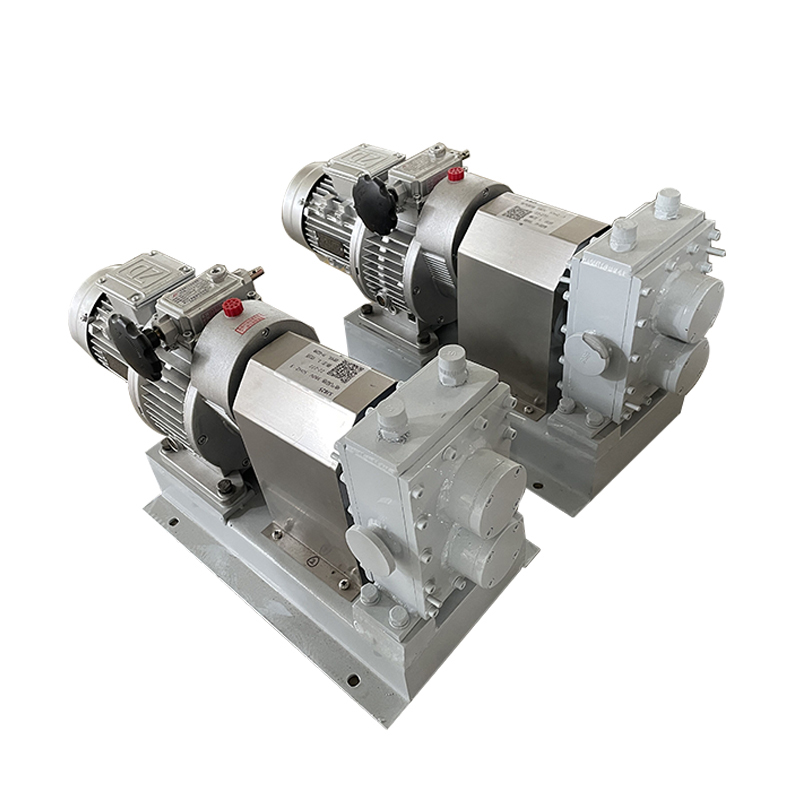
Chocolate processing depends on controlled reduction of particle size so that the finished mass feels smooth and behaves predictably in later stages such as conching, tempering or moulding. Two broad categories of equipment are often considered for that work: ball mills that rely on moving grinding media, and refiners that may use rolls or other mechanical arrangements. The names alone do not define performance; each machine's chamber design, drive system and documented operating range determine what it can achieve with a given recipe. A Ball Mill Machine for Chocolate is therefore evaluated against the specific formulation, target fineness, batch size and existing line layout rather than against a generic label.
Content
- 1 Working Principle of a Chocolate Ball Mill
- 2 Function of Chocolate Refining Equipment
- 3 Principal Differences Between Ball Mills and Refiners
- 4 Matching Equipment to Different Production Situations
- 5 Evaluation Steps for a Vertical Chocolate Ball Mill
- 6 Questions That Clarify Suitability Before Purchase
- 7 Overview of Decision Factors for Milling and Refining Equipment
- 8 Selecting Processing Equipment According to Actual Process Needs
Working Principle of a Chocolate Ball Mill
Movement of Grinding Media Inside the Milling Chamber
In a ball mill, grinding media circulate within a closed chamber while the chocolate mass moves among them. Repeated impacts and shearing between the media and the particles gradually reduce size. The pattern of movement depends on chamber geometry, media size and fill level, and on how the mass is circulated. Vertical arrangements keep the working volume in a compact footprint and can simplify certain loading and unloading sequences, yet the precise behaviour still follows the design of the individual machine.
Contribution of Ball Milling to Particle-Size Control
Ball milling is used when the process requires a measurable reduction in the solid particles suspended in the fat phase. Finer particles generally support a smoother mouthfeel, provided the fat content, emulsifiers and subsequent processing steps are also correctly managed. The same mill can produce different results with different recipes; sugar content, cocoa particle hardness and the presence of milk solids all influence how quickly size reduction proceeds and where the practical limit lies for that formulation.
Matching the Mill to Recipe and Production Targets
Before a ball mill is specified, the manufacturer confirms that the machine's materials of construction, sealing arrangement and working volume are compatible with the intended chocolate or compound. Target particle-size distribution, batch frequency and cleaning requirements are stated so that the supplier can indicate whether the proposed model sits inside the required operating window. Documented specifications, rather than brochure generalities, form the basis of that assessment.
Function of Chocolate Refining Equipment
Purpose of Refining in the Process Sequence
Refining equipment is intended to bring particle size under control so that the mass is ready for the next stage of production. Roll refiners pass the mass through successive gaps between rotating cylinders; other designs use different mechanical principles. Because the term "refiner" covers more than one machine type, comparison is made on the basis of actual working principle, achievable fineness and integration requirements rather than on the name alone.
Placement of Refining Within the Production Line
Refining usually follows mixing or paste formation and precedes conching or further standardisation. The exact sequence depends on whether the factory works from chocolate liquor, from a pre-mixed paste or from a recipe that already includes some refined ingredients. A new machine must therefore fit the existing order of operations, the way material is transferred between vessels, and the cleaning regime already established on the line.
Variables That Influence Refining Outcomes
Ingredient composition, moisture, fat content, temperature and the mechanical settings of the refiner all affect the final particle-size distribution. Two formulations processed on the same machine can finish at different fineness levels. Sample trials with the actual recipe, or at least a technical review of similar products, give clearer guidance than reliance on a single headline figure for particle size.
Principal Differences Between Ball Mills and Refiners
Operating Principle and Mechanical Layout
A ball mill depends on the motion of grinding media within a chamber; a roll refiner depends on the controlled gap and shear between rolls. The structural implications differ: media mills require provision for media handling and chamber access, while roll systems require attention to roll alignment, cooling and gap adjustment. Maintenance access, spare-part types and the space needed around the machine follow from these structural differences.
Particle-Size Range and Texture Targets
Each machine is capable of a range of particle sizes under defined conditions. Buyers compare the documented range and the method of measurement for the specific models under consideration. Mouthfeel depends not only on average size but also on the distribution of particle sizes and on the recipe itself. Requesting performance data obtained with comparable formulations, or arranging a trial, reduces uncertainty before purchase.
Capacity, Cycle Time and Scheduling
Nominal capacity figures describe an idealised throughput. Actual output depends on batch size, the time required to load and unload, the duration of the milling or refining cycle, and the time needed for cleaning between recipes. Matching the machine's realistic cycle to the factory's production schedule prevents bottlenecks that appear only after installation.
Footprint and Line Integration
The floor area occupied by the machine, the height required for loading, the routing of pipes or conveyors, and the space needed for operators and maintenance all influence whether a given unit can be placed in an existing building. A compact vertical mill may suit a constrained floor plan; a multi-roll refiner may demand a longer, linear layout. Review of dimensioned drawings against the available space is part of the selection process.
Cleaning, Wear Parts and Operating Cost
Access for cleaning, the number and type of wear components, energy consumption and the labour required for routine operation contribute to the cost of ownership. A lower purchase price can be offset by longer cleaning times or more frequent media or roll replacement. Suppliers are asked for maintenance guidance and for a clear list of consumable items so that these costs can be estimated in advance.
Matching Equipment to Different Production Situations
Lines Centred on Grinding and Refining of Chocolate Mass
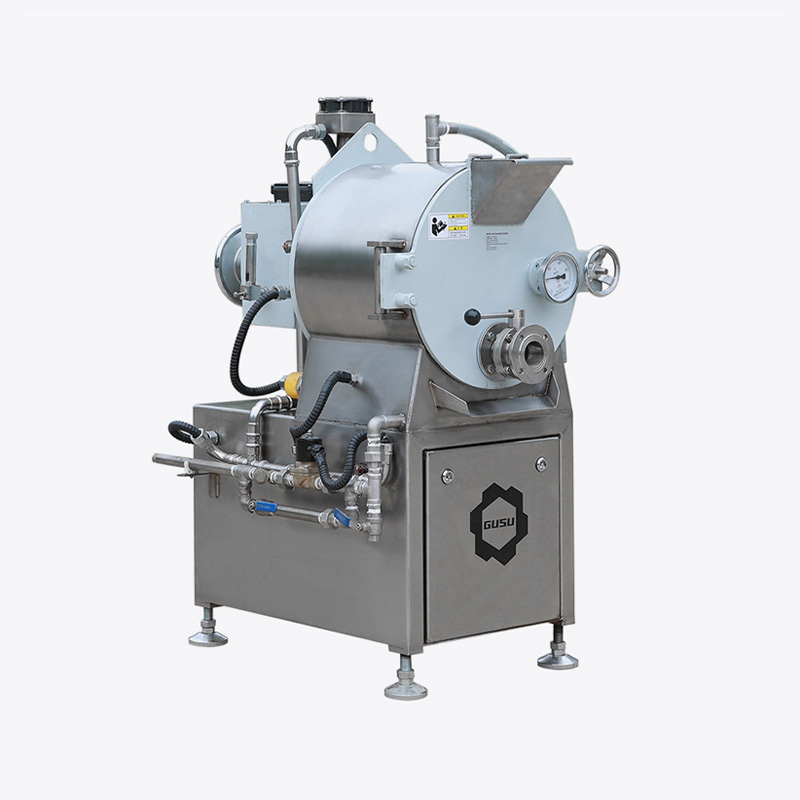
When the principal need is to reduce particle size in a chocolate or compound mass, a ball mill is one of the options to evaluate. Compatibility with the formulation, the required fineness and the necessary throughput are confirmed against the machine's documented capabilities. A vertical stainless-steel ball mill is assessed in the same way as any other candidate: by reference to specifications and, where possible, to trial results.
Lines Already Built Around Roll Refining
Factories that already operate roll refiners may need additional capacity, a parallel process route or a replacement for an ageing machine. In such cases the decision is not automatically to substitute a ball mill; it is to determine whether the existing refining principle should be extended or whether a different principle offers a genuine advantage for new products or higher output. Compatibility with upstream mixers and downstream conches or storage tanks remains essential.
Upgrades Driven by Bottlenecks or New Product Targets
When an existing line cannot meet a new particle-size specification or a higher volume target, the bottleneck is identified first. Only then is new equipment compared on the basis of measured performance, cleaning time and available installation space. Providing the current process flow and the revised production targets allows a supplier to indicate which machine configurations are realistic.
Evaluation Steps for a Vertical Chocolate Ball Mill
Comparison of Documented Specifications on a Common Basis
Working volume, power requirement, overall dimensions and the range of formulations for which the machine is intended are listed side by side with the corresponding data for alternative equipment. Inconsistent units or incomplete data are clarified before any ranking is attempted.
Alignment With Recipe and Fineness Goals
Ingredient lists, target particle-size distribution, typical batch size and the number of batches per day are shared with the supplier. These details allow a technical assessment of whether the mill's design and media system are suited to the duty. Where requirements are tight, a sample trial is the more reliable guide.
Installation, Cleaning and Service Arrangements
Available floor space, utility connections, material-transfer methods, cleaning procedures and the supply of spare parts are confirmed. Drawings, operating instructions and maintenance information are requested so that the full scope of installation and ownership is visible before an order is placed.
Questions That Clarify Suitability Before Purchase
What particle-size range has been demonstrated with formulations similar to the intended recipe? What batch size and cycle time are documented for the selected model? What test records or sample results can be reviewed? How will the machine interface with existing vessels and conveyors? What cleaning and maintenance routines are required, and what service support is available? What information does the supplier need in order to confirm application fit?
Overview of Decision Factors for Milling and Refining Equipment
| Factor | Relevance to Equipment Choice | Information to Obtain |
|---|---|---|
| Working principle | Determines how size reduction is achieved | Chamber and media design, or roll arrangement |
| Achievable particle-size range | Links machine capability to texture targets | Documented results with comparable recipes |
| Batch size and cycle time | Governs real throughput and scheduling | Realistic cycle including loading and cleaning |
| Footprint and connections | Controls whether the machine fits the building | Dimensioned drawings and utility requirements |
| Cleaning and wear parts | Influences labour and consumable cost | Maintenance schedule and list of wearing items |
| Integration with existing line | Affects material flow and process sequence | Description of upstream and downstream equipment |
| Recipe compatibility | Ensures the machine can handle the intended mass | Ingredient profile and any special constraints |
Selecting Processing Equipment According to Actual Process Needs
Ball mills and refiners both serve particle-size reduction, yet they do so by different mechanical means and with different implications for layout, cleaning and capacity planning. The appropriate choice follows from the recipe, the target fineness, the real production schedule and the constraints of the existing plant. Ball Mill Suppliers that provide clear specifications, trial support and documentation of integration requirements enable that choice to be made on evidence rather than on equipment names alone. Gusu Food Processing Machinery Suzhou Co.,Ltd. manufactures vertical chocolate ball mills and related processing equipment for chocolate production. Review of working volume, documented performance with relevant formulations, installation dimensions and service arrangements against the factory's process flow and quality targets supports selection of equipment aligned with the intended chocolate-processing duty.