

 English
 Español


A few drops of water can turn a glossy bowl of melted chocolate into a dull, gritty paste in seconds. The practical answer is simple: chocolate has seized, and the first move is to stop adding heat and stop stirring harder. Seizing is usually a water problem, not a temperature problem, although heat often makes it worse.
For a home baker, seized chocolate may still become a sauce, ganache, or brownie batter. For a production line, the same event is a quality hold: the batch should be quarantined, the water source traced, and the affected mass kept out of coating or tempering streams until it has been assessed.
Content
What Seizing Actually Is
Chocolate is a tight suspension of sugar crystals, cocoa solids, and cocoa butter. When a small amount of water enters the mass, it dissolves sugar at the particle surfaces. Those sticky sugar surfaces bridge particles together, the fat phase loses its continuous flow, and the chocolate stiffens into a grainy, matte mass. The change is fast because the water does not need to be visible; condensation on a spatula or a fine steam drip can be enough.
This is different from scorching. Scorched chocolate smells burnt, darkens, and may contain specks of burnt solids. Seized chocolate usually smells normal but feels like fudge that has gone wrong. It also differs from fat bloom, which shows as white streaks or haze but often disappears when the chocolate is warmed and retempered. A useful production note on preventing seized chocolate makes the same point: recovery is possible in some cases, but prevention is the cheaper control.
Where Water Gets In
In a kitchen, the usual suspects are a wet spoon, a splash from a double boiler, or a lid that drips condensation back into the bowl. In a factory, the list is longer and less obvious: steam-jacket leaks, cleaning residue in pumps and pipes, humid air in a cooling tunnel, water-based flavors, fruit purees, and fillings that release moisture into a coating. A chocolate line can look dry while a single worn seal or a cold pipe is feeding water into the process.
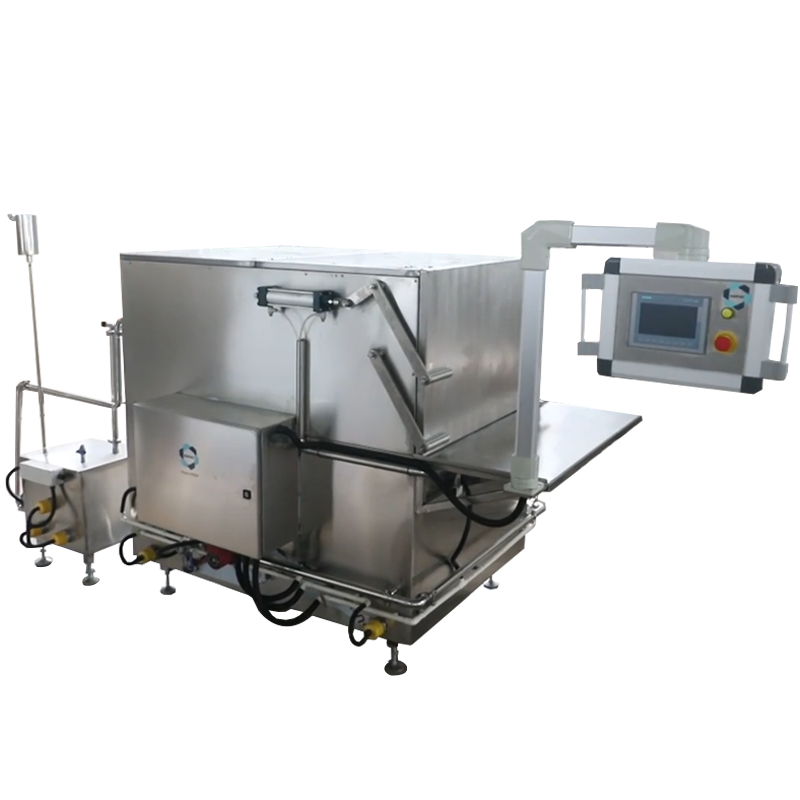
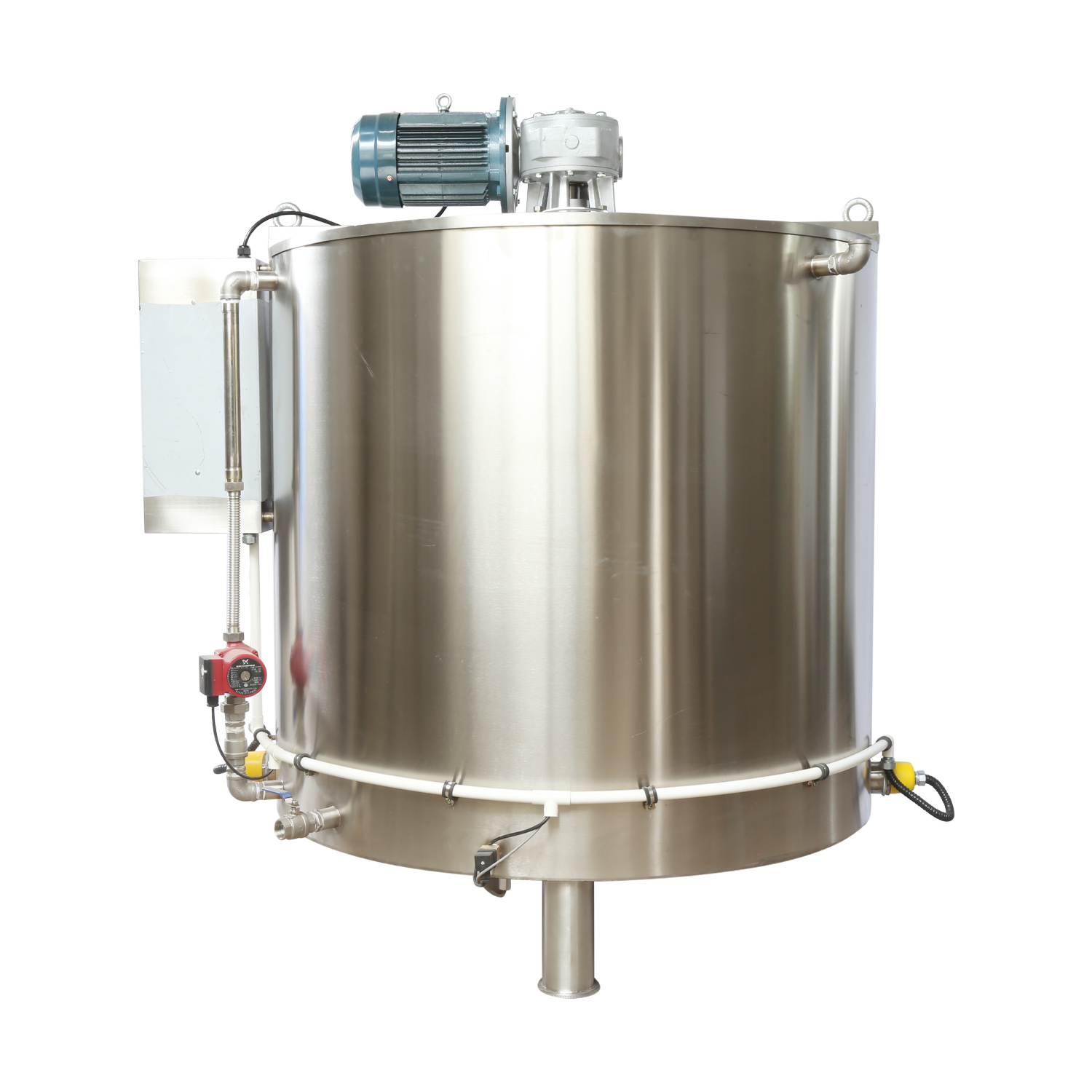
Fat melting is one early control point. If a steam-jacketed fat melter has a tired seal or a condensate drip, water can enter before the chocolate ever reaches tempering. A dedicated unit with controlled heating and a clean, drainable jacket reduces that exposure.
 RYG1000 Chocolate Fat Melting MachineThe RYG1000 melts cocoa butter and chocolate in a stainless steel tank with controlled heating and a removable grid, supporting careful fat-melting control.View Product →
- Wet utensils, hands, benches, and transfer buckets
- Steam from open kettles or leaking jackets
- Condensation drips from lids, tunnels, and cold surfaces
- Water-based colors, flavors, syrups, and fruit preparations
- Fillings or inclusions with high water activity
- Rinse water left in pumps, valves, and dead legs after cleaning
Recovery: Match the Fix to the End Use
Do not try to “thin” seized chocolate with a splash of water. That usually makes the mass stiffer and more grainy. If the chocolate is for baking, add a measured amount of warm cream or water all at once and stir it into a smooth sauce or ganache; the goal is to change the system, not to restore a temper. A little cocoa butter or neutral oil can loosen some seized batches for baking, but it will not bring back the snap, gloss, and flow needed for enrobing.
For coating or moulding work, treat seized chocolate as a nonconforming batch. Stop the feed, empty the affected line section, and check for water ingress before restarting. Rework only if your quality system permits it and the chocolate has not been contaminated by a water-based ingredient. Blending a seized batch into a good mass can spread grit and unstable flow through the whole run.
| Problem | Typical sign | What to do |
|---|---|---|
| Water contact | Sudden stiffness, dull surface, gritty texture | Stop heating and stirring; quarantine for coating. For baking, add warm cream or water in a measured amount and use as a sauce. |
| Overheating | Thick, dull, burnt smell, dark specks | Discard scorched portions; do not blend them into a good batch. |
| Fat bloom | White streaks or haze, still fluid when warmed | Retemper if texture is otherwise sound; review cooling and storage conditions. |
| Moisture from fillings | Soft spots, cracking, coating defects | Check filling water activity and sealing; adjust the formulation or line setup. |
Prevention: Control Temperature, Humidity, and Contact
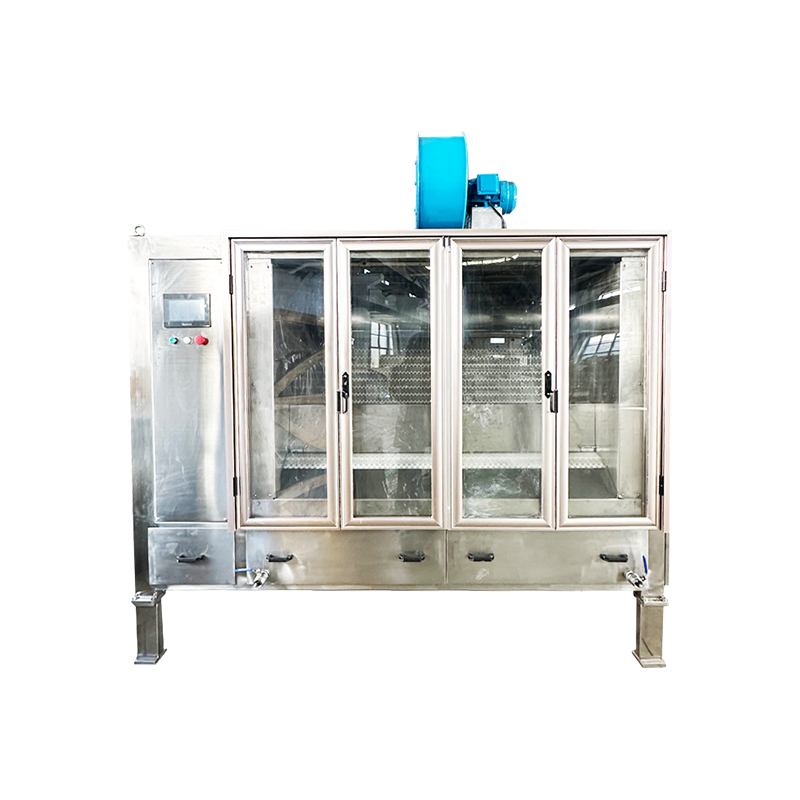
Tempering is a narrow window. Dark chocolate is often melted around 45 to 50 °C and brought into a working range near 31 to 32 °C; milk and white chocolate sit slightly lower. A tempering machine with automatic temperature control helps hold that range without local hot spots, which matters because overheating can drive off moisture balance and make the mass more sensitive to any water that appears later.
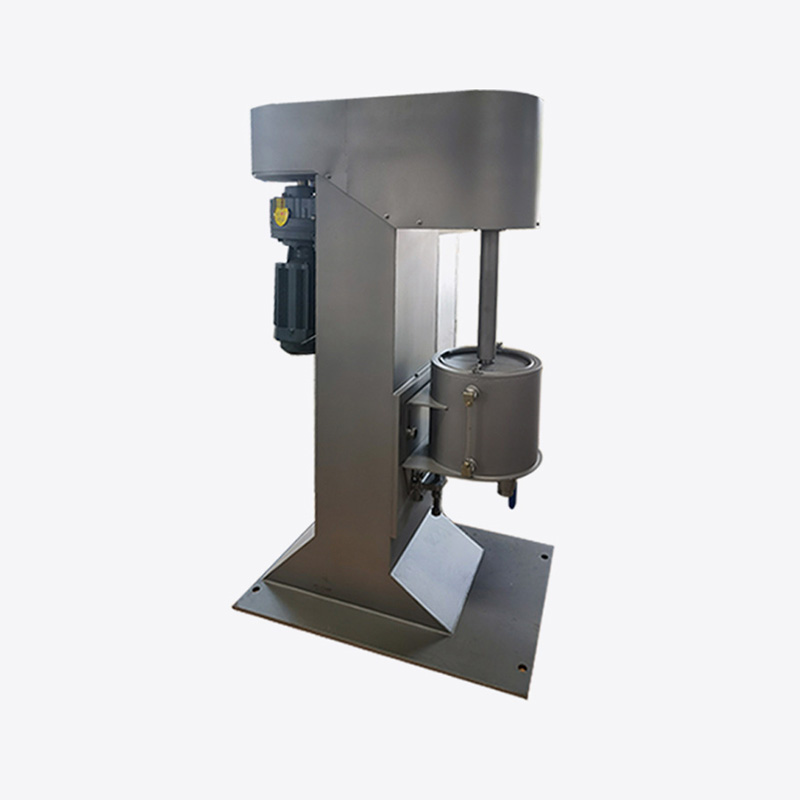
QT Series Automatic Chocolate Tempering MachineThe QT Series uses automatic temperature control and multiple zones across several capacities to support consistent chocolate tempering for texture and gloss.View Product →
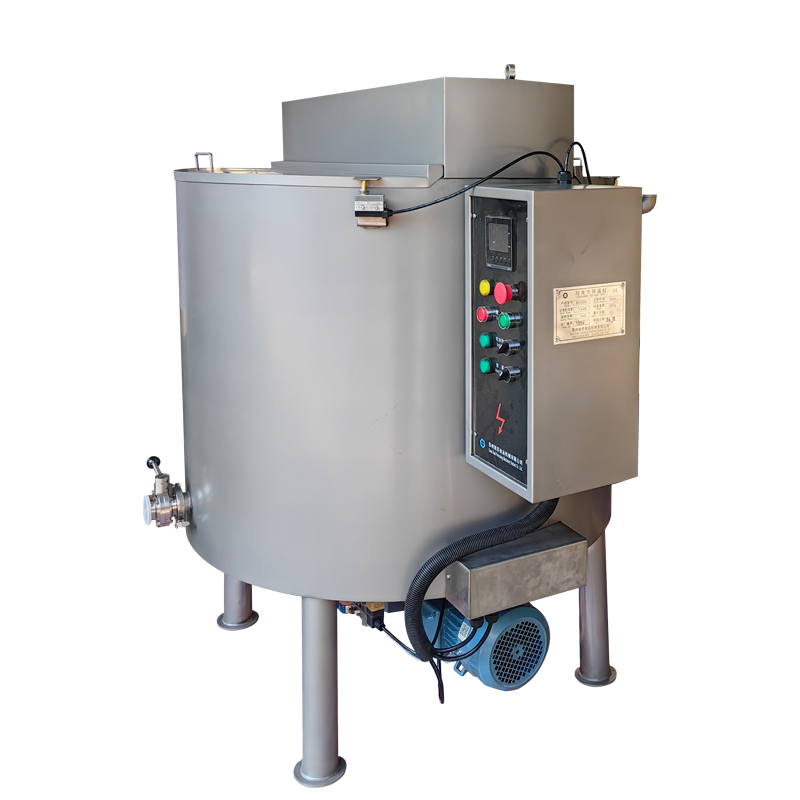
Holding and storage are just as important. A covered, temperature-controlled tank keeps condensation away from the chocolate surface and avoids the open, humid headspace that invites drips. Stainless steel construction, smooth welds, and a drainable design also make cleaning more predictable, so rinse water is less likely to remain in a valve or transfer line.
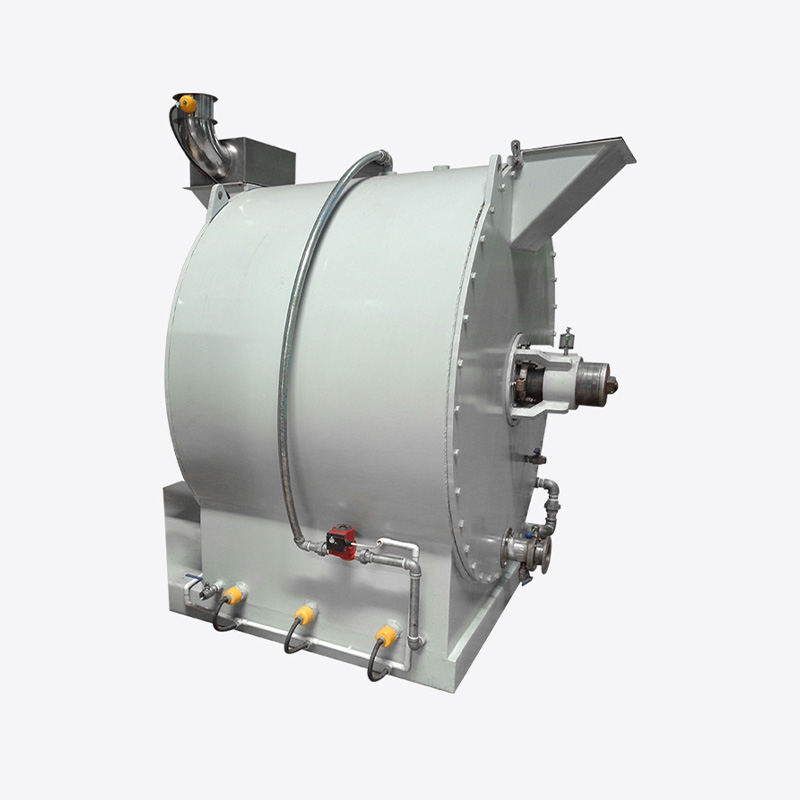
Stainless Steel Chocolate Storage and Holding TankThis stainless steel holding tank uses twin-shell insulation, a vertical stirrer, and automatic jacket temperature control to store chocolate paste during processing.View Product →
Keep the room dry and stable. Relative humidity below roughly 50 to 55 percent is a practical target for many chocolate areas, but the real test is surface condensation. Cold moulds, cold tools, and cold tunnel surfaces will pull moisture from warm air. Warm them, insulate them, or manage airflow so that water does not form where chocolate is open.
What to Specify Before You Buy
When comparing equipment, ask how each unit handles water rather than only asking about capacity. A line that is easy to clean but hard to dry will create repeat problems. The same applies to controls: a precise thermostat is useful, but it cannot compensate for a leaking jacket or a wet ingredient stream.
- Drainable jackets, pipes, and valves with no low-point dead legs.
- Condensation management in cooling tunnels, covers, and transfer points.
- Closed or covered holding tanks with dry air or a controlled headspace.
- Temperature control with readable setpoints and a clear response to overshoot.
- Water activity limits for fillings, inclusions, and water-based flavors.
- Cleaning procedures that include a documented dry-out step before production.
- Dry utensil and transfer-container controls that are visible on the floor, not just in a manual.
Small batches deserve the same discipline. A 10-liter tempering unit can seize as readily as a 2-tonne line if a wet spatula goes into the bowl. Training, color-coded dry tools, and a simple “no open water near chocolate” rule prevent more losses than any recovery trick.
Seized chocolate is a water-driven collapse of the sugar-fat structure. A small batch may be saved as a sauce or ganache, but a coating batch should be isolated and investigated. The most reliable fix is not a secret ingredient; it is dry handling, stable temperature, covered storage, and equipment that keeps condensation and cleaning water away from the chocolate.