

 English
 Español

A chocolate chips machine is industrial or semi-industrial equipment that deposits precisely shaped, uniform chocolate drops onto a conveyor belt or cooling surface — producing the consistently sized chips used in cookies, bakery products, ice cream, and confectionery. Whether you are running a small artisan bakery or a high-volume confectionery production line, the right machine determines chip consistency, throughput, cocoa butter bloom resistance, and ultimately the quality of the finished product.
This guide covers the main machine types, how each works, what production outputs to expect, critical specifications to evaluate, and the practical differences between entry-level and industrial systems — so you can make a well-informed purchasing decision.
Content
- 1 How a Chocolate Chips Machine Works
- 2 Main Types of Chocolate Chips Machines
- 3 Chip Shape and Nozzle Plate Design
- 4 Key Specifications to Evaluate When Buying a Chocolate Chips Machine
- 5 Tempering Integration: Machines With and Without Built-In Tempering
- 6 Chocolate Types and Machine Compatibility
- 7 Practical Buying Guide: Matching Machine Scale to Production Needs
- 8 Common Production Problems and How to Prevent Them
How a Chocolate Chips Machine Works
All chocolate chip machines operate on the same fundamental process: tempered liquid chocolate is fed into a depositing head, which dispenses measured drops through a nozzle plate onto a moving surface. The surface — typically a stainless steel or PTFE-coated belt — carries the deposited chips through a cooling tunnel where they solidify into their final shape before being collected or packaged.
The four core stages of chip production are:
- Tempering: Chocolate must be tempered — brought through a precise heating and cooling curve — to achieve the correct cocoa butter crystal structure (Form V polymorph). Properly tempered chocolate produces chips with a glossy surface, snap, and bloom resistance. Most industrial chip machines include an integrated tempering unit; smaller machines require pre-tempered chocolate to be supplied.
- Depositing: A piston pump or gear pump in the depositor head pushes precise volumes of tempered chocolate through a nozzle plate containing multiple holes. The size, spacing, and shape of the holes determine chip dimensions and layout on the belt.
- Cooling: The conveyor belt passes through a cooling tunnel maintained at 8–14°C (46–57°F). Tunnel length and belt speed determine residence time — typically 8–15 minutes for complete solidification of a standard flat-bottom chip.
- Collection and handling: Solidified chips are scraped or vibrated off the belt into collection bins, hoppers, or directly onto a weighing and packaging line.
The precision of the depositing stage is what differentiates a dedicated chip machine from simply pouring chocolate into molds. Uniform chip weight — typically 0.5g to 5g per chip depending on the application — requires consistent pump pressure, nozzle geometry, and belt speed coordinated within tight tolerances.
Main Types of Chocolate Chips Machines
Chocolate chip production equipment ranges from small benchtop depositors to fully integrated high-speed lines. Understanding the categories helps narrow the choice before evaluating specific models:
| Machine Type | Output Capacity | Automation Level | Best For |
|---|---|---|---|
| Benchtop / tabletop depositor | 5–50 kg/hr | Semi-manual | Artisan bakeries, R&D, small batch |
| Semi-automatic chip line | 50–300 kg/hr | Semi-automatic | Medium bakeries, regional confectioners |
| Fully automatic chip depositing line | 300–2,000 kg/hr | Fully automated | Industrial chocolate manufacturers |
| Combined tempering + depositing system | 100–1,500 kg/hr | Fully automated | Facilities without separate tempering |
| Chocolate enrober with chip attachment | Varies by enrober size | Semi to fully automatic | Multi-product lines needing flexibility |
Benchtop Depositors
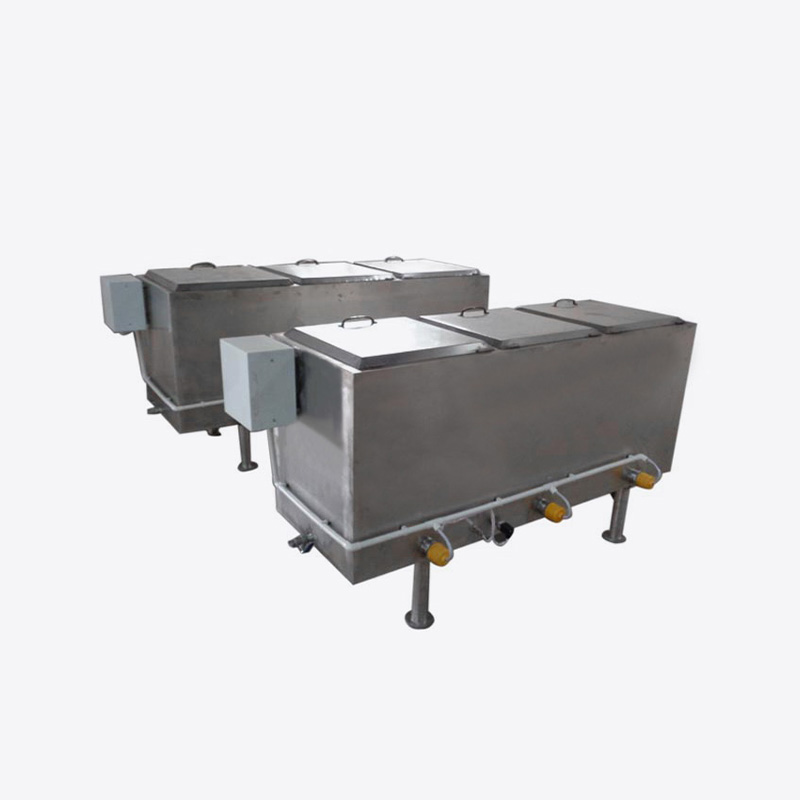
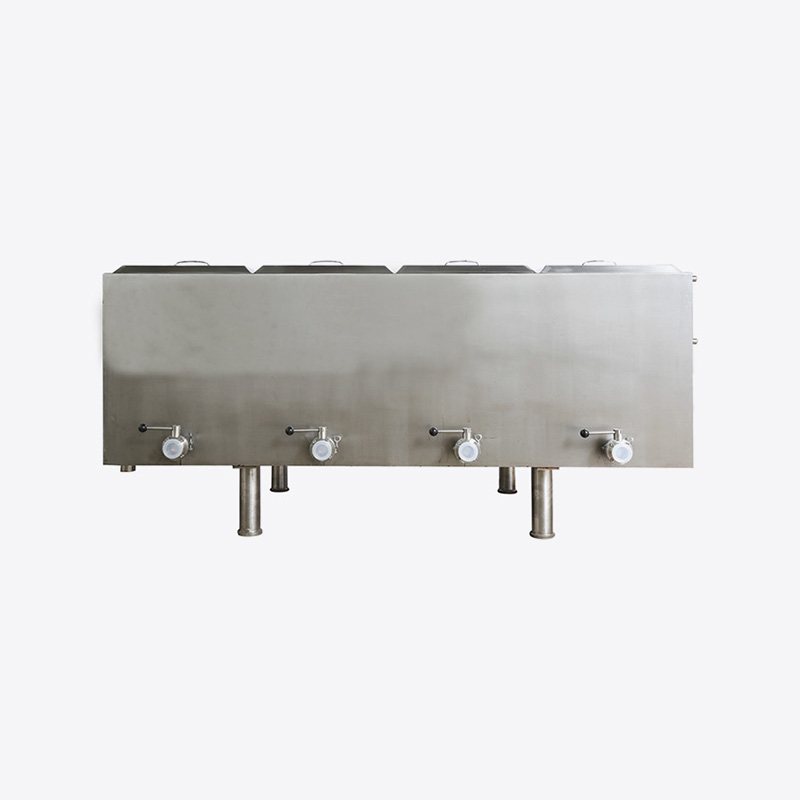
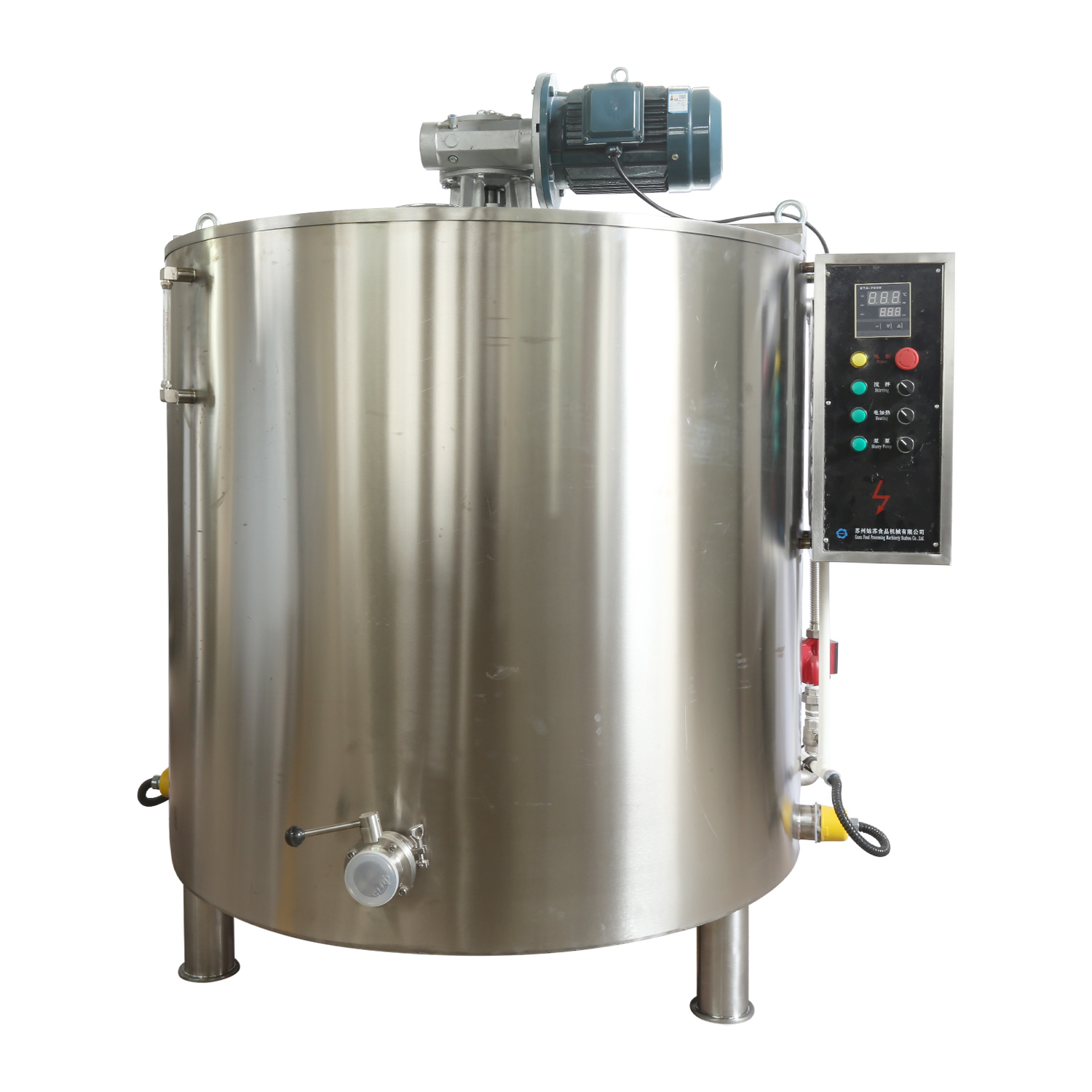
Benchtop chocolate depositors are the entry point for small-scale chip production. They use a heated hopper — typically 3 to 15 liters — with a manually or pneumatically controlled piston that dispenses chocolate onto a tray or short belt placed beneath the depositing head. Output quality depends heavily on the operator maintaining correct chocolate temperature (typically 31–32°C for dark chocolate, 29–30°C for milk chocolate) in the hopper. These machines cannot maintain tempering independently — the chocolate must arrive already tempered from an external melter-temperer.
Fully Automatic Chip Lines
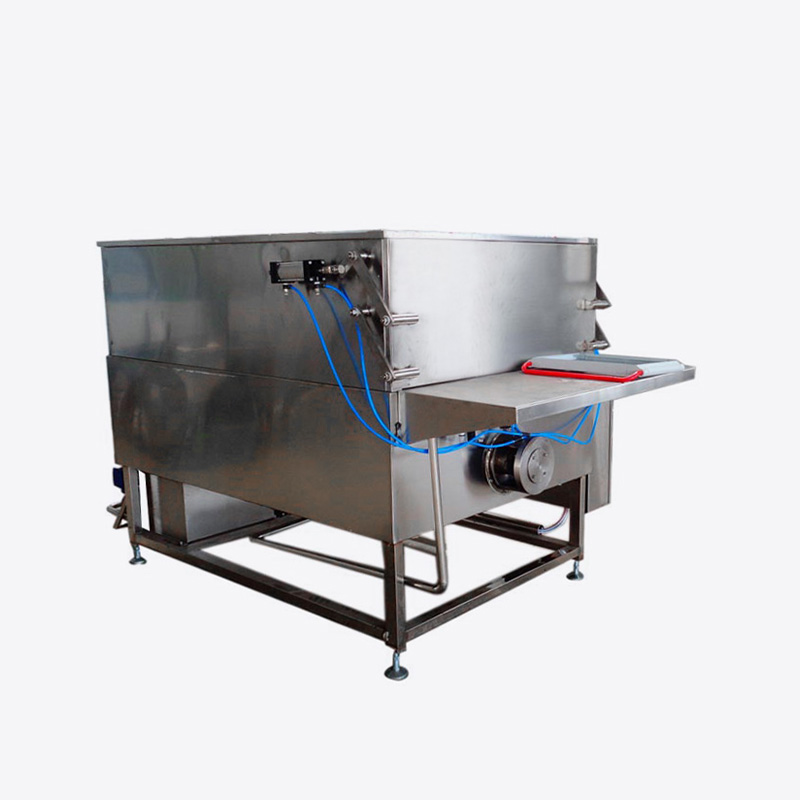
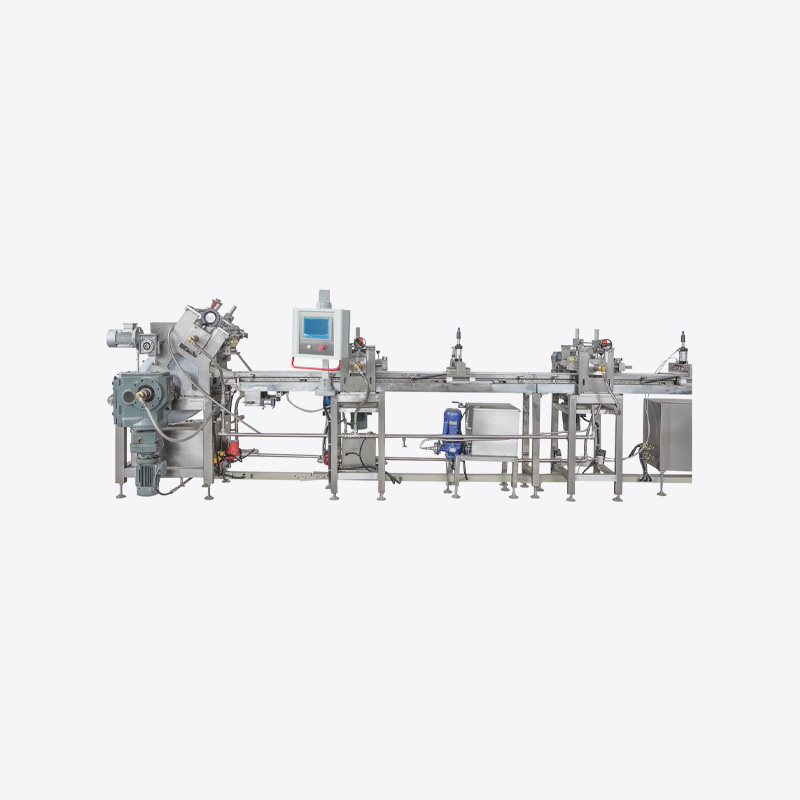
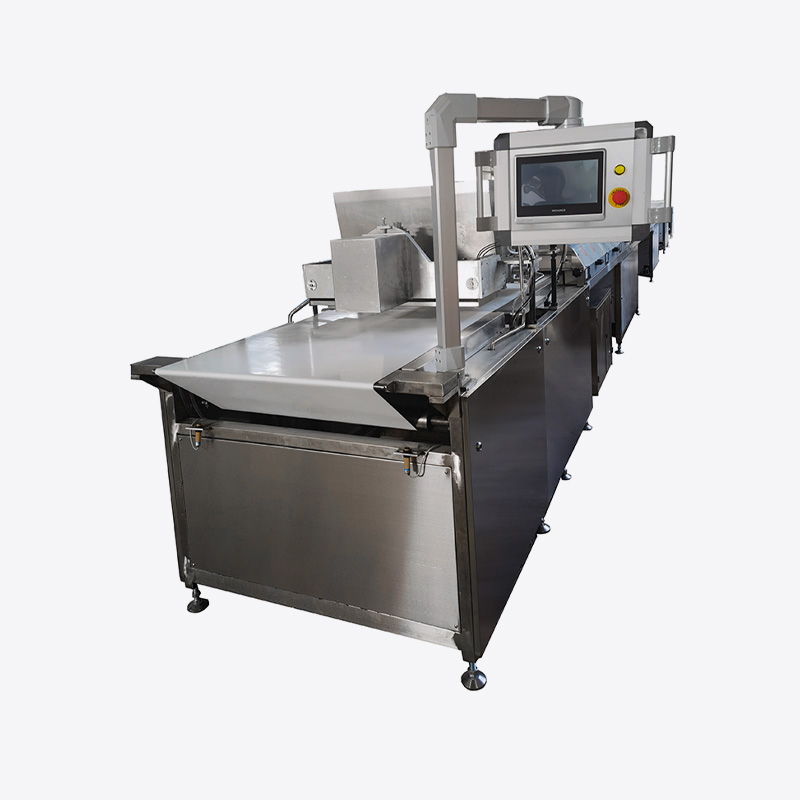
Industrial chip depositing lines integrate the depositor with a stainless steel conveyor, multi-zone cooling tunnel, and chip collection or packaging system. The depositing head contains 50–500 nozzles depending on belt width (typically 400mm to 1,200mm), allowing simultaneous production of hundreds of chips per second. PLC controls regulate chocolate flow rate, belt speed, nozzle temperature, and cooling zone temperatures in a closed-loop system, maintaining chip weight consistency to within ±2–3% of target weight.
Chip Shape and Nozzle Plate Design
The nozzle plate (also called the depositing plate or die plate) is the component that defines chip shape. Different nozzle geometries produce different chip profiles, and the plate can typically be changed to switch between chip formats on the same machine:
- Teardrop / classic chip: The most common format — a flat bottom with a pointed top. Produced by a round nozzle depositing chocolate onto a moving belt; the forward motion of the belt pulls the chocolate into a tapered peak as the deposit separates from the nozzle. Standard for baking chips used in cookies and muffins.
- Flat disc / coin: Circular flat chips with no peak, produced by stationary belt depositing or a controlled-retract nozzle. Used in cereal coatings, trail mixes, and decorative applications.
- Chunk / irregular: Larger, irregular pieces produced by variable-pressure depositing or by breaking solidified slabs. Popular in premium cookie applications where visible chocolate pieces are desired.
- Mini chips: Very small chips (typically 0.5–1g each) produced through multi-hole nozzle plates with small-diameter openings. Used in ice cream and premium baking applications. Require higher belt speed and tighter temperature control to prevent spreading.
- Custom shapes (hearts, stars, letters): Specialty nozzle plates for seasonal or branded products. Available from machine manufacturers as optional tooling, typically adding $500–$3,000 per custom plate to the equipment cost.
Key Specifications to Evaluate When Buying a Chocolate Chips Machine
Beyond production capacity, several technical specifications directly affect chip quality, operational cost, and ease of use. These are the parameters that most buyers underweight when comparing machines:
| Specification | What to Look For | Why It Matters |
|---|---|---|
| Hopper / tank capacity | Match to batch size or continuous feed availability | Determines refill frequency and production interruptions |
| Temperature control zones | Separate control for hopper, depositing head, and nozzle plate | Prevents premature solidification at nozzle and maintains temper |
| Depositing weight accuracy | ±2–3% or better for industrial; ±5% for semi-manual | Affects chip-to-chip consistency and declared weight compliance |
| Belt material | Food-grade stainless steel or PTFE-coated fiberglass | Affects chip release, cleaning ease, and belt lifespan |
| Cooling tunnel length and zones | Multi-zone preferred; minimum 3–5 m for production use | Determines solidification completeness and bloom risk |
| Cleanability (CIP/COP) | Tool-free disassembly of product-contact parts | Critical for allergen changeovers (milk/dark/white chocolate) |
| Nozzle plate changeability | Quick-change tool-free preferred for multi-format production | Reduces downtime when switching between chip sizes or shapes |
Tempering Integration: Machines With and Without Built-In Tempering
The tempering requirement is the most operationally significant factor distinguishing chocolate chip machines from each other. Improperly tempered chocolate produces chips with a dull, grey-streaked appearance (fat bloom), soft texture, and poor shelf life — regardless of how precisely the depositing mechanism operates.
Machines Without Integrated Tempering
Benchtop depositors and many semi-automatic machines rely on the operator to supply correctly tempered chocolate. This requires a separate tempering machine — a continuous temperer or table temperer — upstream of the chip depositor. The advantage is lower machine cost and flexibility to use the same depositor with chocolate tempered off-line. The disadvantage is that temper quality degrades over time in a holding hopper, particularly if the hopper does not actively maintain the tempering curve. Any chocolate held above 34°C for more than 20–30 minutes in a static hopper will lose its temper and require re-processing.
Machines With Integrated Continuous Tempering
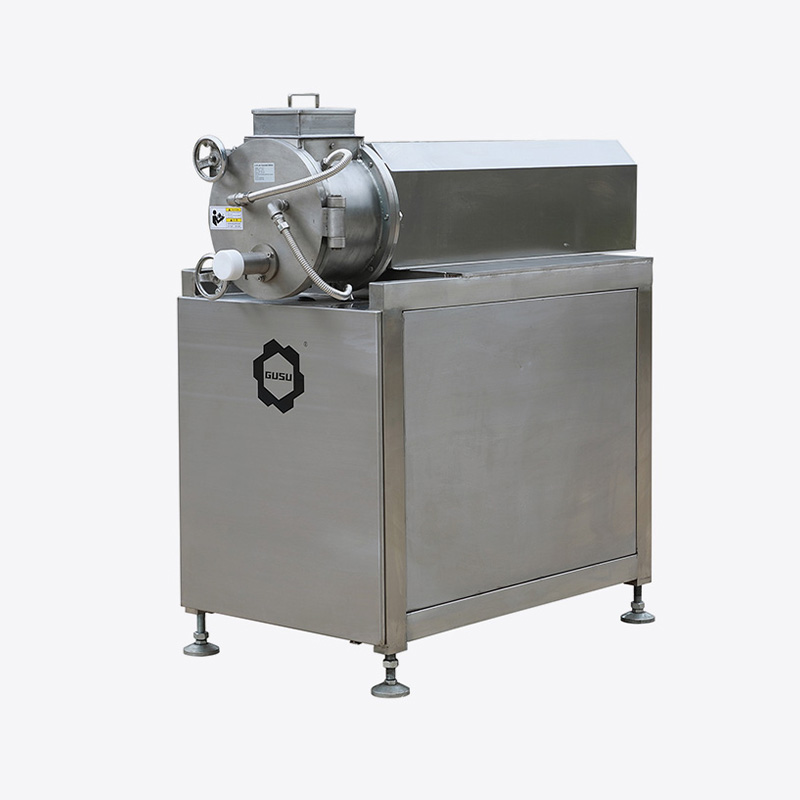
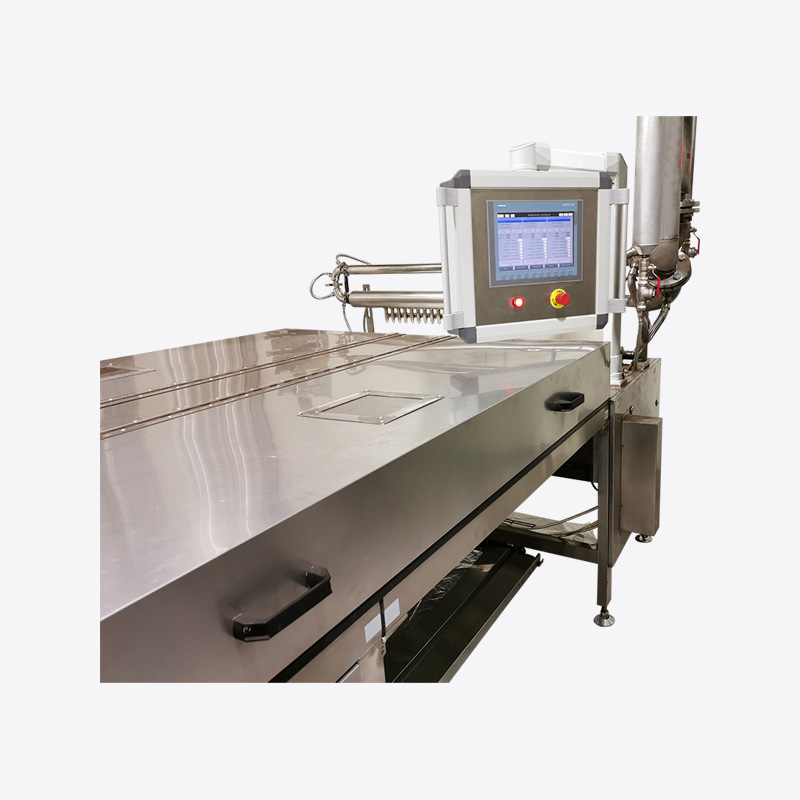
Industrial chip lines incorporate a continuous tempering module — a multi-zone heat exchanger that holds chocolate in the correct temperature curve and feeds pre-tempered chocolate directly into the depositing head on demand. This eliminates temper degradation during production runs. Continuous temperers in integrated chip lines typically process 100–2,000 kg/hour and maintain outlet temperature within ±0.1–0.2°C of the setpoint — a precision level impossible to achieve manually. For any production volume above 100 kg/hr, an integrated tempering system is strongly advisable.
Chocolate Types and Machine Compatibility
Not all chocolate chip machines handle all chocolate types equally well. The viscosity, tempering temperature, and fat content of different chocolate types affect depositing performance:
- Dark chocolate (≥ 50% cocoa solids): The most forgiving for chip production. Lower viscosity than milk or white chocolate at depositing temperature. Deposits cleanly with minimal stringing between chips. Tempering set point typically 31–32°C.
- Milk chocolate: Higher viscosity due to milk solids content. Requires slightly lower depositing temperature (29–30°C) and benefits from heated nozzle plates to prevent premature solidification in the holes. More prone to chip spreading on the belt if overcooled before depositing.
- White chocolate: Contains no cocoa solids — only cocoa butter, sugar, and milk. Very temperature-sensitive with a narrow tempering window. Requires precise temperature control and is more prone to bloom. Some benchtop machines struggle with white chocolate consistency — check manufacturer specifications before use.
- Compound chocolate (vegetable fat-based): Does not require tempering — the non-cocoa-butter fats solidify without a specific crystal form. This makes compound chocolate significantly easier to process in chip machines and allows use of machines without tempering capability. The trade-off is lower melt-in-mouth quality compared to couverture chocolate.
- Ruby and colored chocolate: Specialty chocolates with specific viscosity profiles. Consult the chocolate supplier for specific depositing temperature recommendations before running on any chip machine, as processing outside the recommended range affects color stability.
Practical Buying Guide: Matching Machine Scale to Production Needs
Use the following framework to determine the right machine category for your operation:
- Calculate your daily chip requirement in kg: Divide total chocolate chip usage per week by 5 working days. This is your minimum daily production target. Add 20–25% for startup losses, cleaning downtime, and production variability.
- Determine available production hours per day: A machine running 6 hours per day at 80% efficiency needs a rated output of (daily kg requirement ÷ 4.8) kg/hr. A machine running 16 hours needs (daily kg ÷ 12.8) kg/hr.
- Assess your tempering setup: If you have an existing continuous temperer with spare capacity, a depositor-only machine is sufficient. If you are building from scratch, budget for an integrated tempering system — it will cost more upfront but eliminates the most common cause of chip quality failures.
- Identify your chip format requirements: If you produce only one chip size and type, a fixed nozzle plate machine is adequate and lower cost. If you need multiple sizes, shapes, or switch regularly between dark, milk, and white chocolate, prioritize machines with quick-change tooling and easy allergen cleaning capability.
- Verify food safety compliance: All product-contact surfaces should be 316L stainless steel or food-grade PTFE. Confirm CE marking (Europe), NSF certification (North America), or equivalent for your market. This is non-negotiable for commercial food production.
- Request a product trial before purchase: Reputable machine manufacturers will run trials with your specific chocolate formula at their facility or arrange on-site demonstrations. The trial should produce chips using your actual recipe at your target weight and shape — never purchase industrial food equipment without verifying it with your specific product.
Common Production Problems and How to Prevent Them
Even correctly specified machines produce quality problems when process parameters drift. These are the most frequent issues in chip production and their root causes:
- Fat bloom (grey surface coating after cooling): Almost always caused by incorrect tempering — either the chocolate is under-tempered (too few Form V crystals) or the cooling tunnel temperature is too low, causing rapid recrystallization into unstable polymorphs. Check tempering outlet temperature and cooling zone 1 entry temperature first.
- Chip spreading (flat, wide chips without defined shape): Chocolate temperature at the nozzle is too high, causing deposited drops to flow before solidifying. Reduce hopper temperature by 0.5°C increments, or increase belt speed to reduce the time between deposit and cooling tunnel entry.
- Stringing between chips (thin threads connecting adjacent drops): Nozzle temperature is too low or chocolate viscosity is too high, causing the chocolate to string as the deposit separates from the nozzle. Slightly increase nozzle plate temperature or check whether chocolate viscosity is within the specification range for the recipe.
- Inconsistent chip weight: Caused by variable pump pressure, air entrainment in the chocolate supply, or a worn piston seal in the depositing pump. Check for air bubbles in the hopper (agitate gently to degas), verify pump seal condition, and confirm hopper level remains above the minimum fill mark.
- Chips sticking to belt: Usually indicates the belt temperature is too warm at the chip release point, or the belt surface is contaminated with residual chocolate from incomplete cleaning. Verify the cooling tunnel exit temperature is below 16°C and inspect the belt for surface buildup.