

 English
 Español

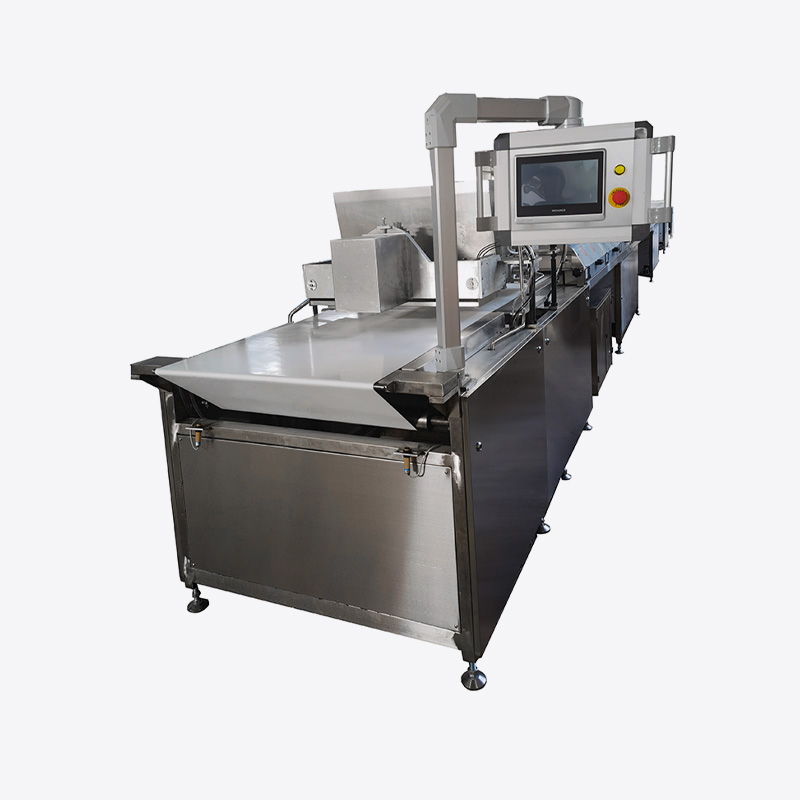
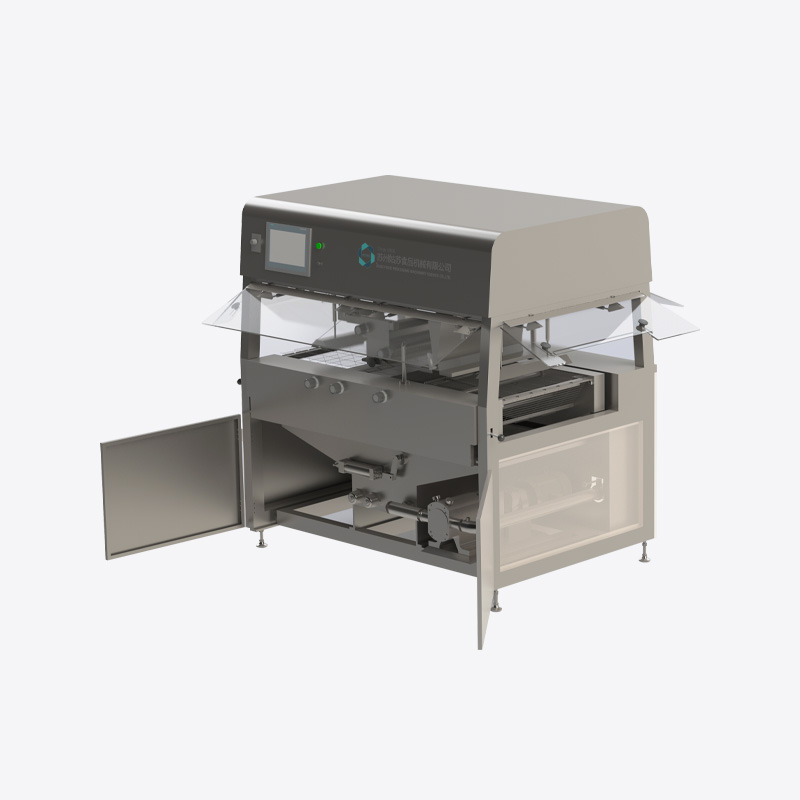
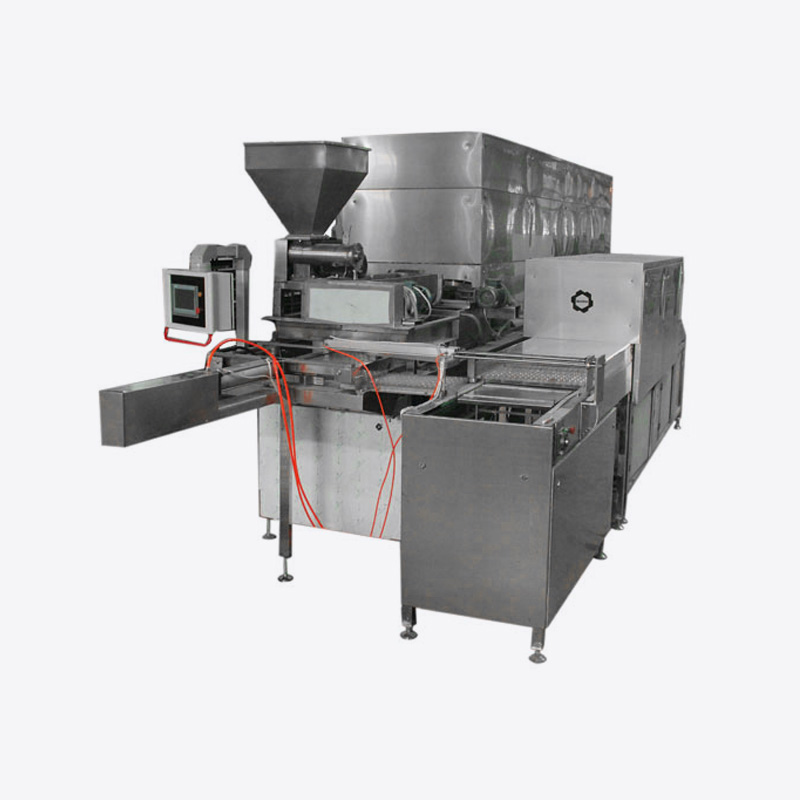
A chocolate chips machine is an automated depositing system that produces uniform chocolate drops by precisely dispensing tempered chocolate onto cooling conveyors in controlled droplet sizes. Industrial models achieve production rates of 200-1,200 kg per hour, while small-scale equipment suitable for bakeries and confectioneries produces 20-100 kg per hour, making these machines essential for manufacturers requiring consistent chip dimensions and high-volume output.
The technology centers on volumetric or piston-driven depositing heads that release chocolate in precise quantities, typically ranging from 0.1 to 2.0 grams per chip. Advanced systems integrate temperature control maintaining chocolate at 29-31°C for dark varieties and 28-30°C for milk chocolate, ensuring proper crystallization and the characteristic glossy appearance consumers expect from quality chocolate chips.
Content
- 1 Depositing Technologies and Mechanisms
- 2 Temperature Control and Chocolate Handling
- 3 Production Scale and Capacity Planning
- 4 Chip Size Customization and Product Variations
- 5 Automation and Quality Control Integration
- 6 Maintenance Requirements and Operating Costs
- 7 Selection Criteria for Equipment Investment
- 8 Food Safety and Regulatory Compliance
Depositing Technologies and Mechanisms
Piston Depositor Systems
Piston depositors use pneumatic or servo-driven cylinders to push measured volumes of chocolate through nozzles onto conveyor belts. These systems offer exceptional accuracy with ±1-2% weight variation across thousands of chips per hour. A typical industrial piston depositor features multiple heads, commonly 12-48 nozzles operating simultaneously, spacing chips at intervals of 15-30mm to prevent merging during cooling.
The piston stroke length determines chip size, with machines offering adjustable settings from 0.3cc to 5.0cc displacement. Production speeds reach 60-120 strokes per minute per head, translating to 720-5,760 chips per minute on a 12-head configuration. Modern servo-controlled systems allow recipe storage, enabling operators to switch between standard chip sizes and specialty shapes within 2-3 minutes.
Gear Pump Depositors
Gear pump technology delivers continuous chocolate flow divided into droplets by electronically controlled valve timing. These systems excel at maintaining consistent output during extended production runs, with some models operating continuously for 8-12 hours between cleaning cycles. Gear pumps handle higher viscosity chocolate mixtures more effectively than piston systems, making them suitable for chips containing inclusions like nuts or dried fruit pieces up to 3mm diameter.
Volumetric Drop Formers
Drop former systems create chips through gravity-assisted release from heated manifolds with precision orifices. While simpler and less expensive than piston or gear systems, drop formers sacrifice some accuracy, typically achieving ±3-5% weight variation. These machines work best for standard-size chips in the 0.5-1.0 gram range and suit small bakeries producing 15-40 kg per hour where initial investment cost outweighs precision requirements.
| Depositor Type | Accuracy | Production Rate | Price Range |
|---|---|---|---|
| Drop Former | ±3-5% | 15-40 kg/hr | $8,000-$15,000 |
| Piston Depositor | ±1-2% | 50-300 kg/hr | $25,000-$80,000 |
| Gear Pump | ±2-3% | 100-500 kg/hr | $35,000-$120,000 |
| Industrial Multi-Head | ±1% | 500-1,200 kg/hr | $150,000-$400,000 |
Temperature Control and Chocolate Handling
Tempering Integration Requirements
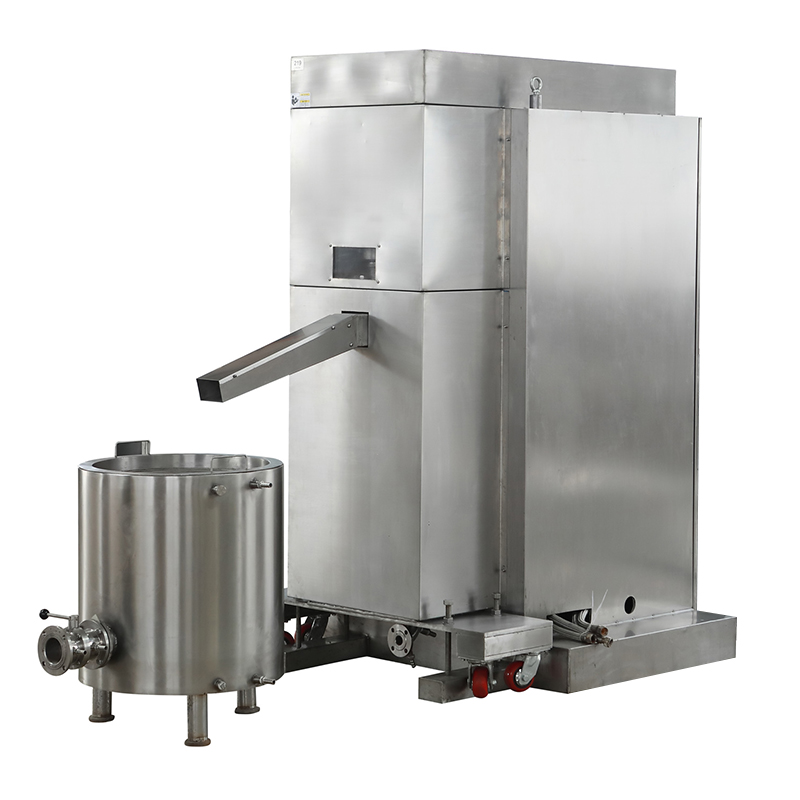
Chocolate chips machines require properly tempered chocolate to produce glossy, snap-textured chips that resist blooming during storage. Most depositing systems connect directly to continuous tempering machines maintaining chocolate in the working temperature zone. For dark chocolate, this means 31-32°C in the tempering unit with delivery to depositor heads at 29-31°C. Milk and white chocolates require slightly lower temperatures of 29-30°C and 28-29°C respectively.
Integrated systems featuring combined tempering and depositing capabilities eliminate transfer temperature loss, maintaining optimal viscosity for clean drop formation. Standalone depositors require jacketed feed hoppers with recirculation systems preventing chocolate from cooling below working temperature, which increases viscosity and causes irregular chip shapes.
Hopper Capacity and Feed Systems
Feed hopper capacity ranges from 10 kg for small bakery units to 200 kg for industrial systems. Larger hoppers reduce refill frequency but require more sophisticated agitation to prevent chocolate settling and temperature stratification. Most professional machines incorporate gentle stirring mechanisms rotating at 10-20 RPM to maintain homogeneity without introducing air bubbles that create voids in finished chips.
Level sensors trigger refill alerts when chocolate volume drops to 20-30% capacity, preventing air ingestion into depositor heads that disrupts the production rhythm. Automated systems can interface with bulk chocolate melters, automatically drawing tempered chocolate as needed and maintaining continuous production during 12-16 hour shifts common in high-volume facilities.
Cooling Tunnel Specifications
After deposition, chips must solidify rapidly to lock in the desired crystal structure. Cooling tunnels maintain air temperatures between 8-12°C with controlled humidity below 50% relative humidity preventing surface condensation. Tunnel length varies with production speed, typically requiring 3-8 meters to provide sufficient residence time of 4-8 minutes for complete crystallization.
Industrial tunnels use multi-zone cooling, starting with gentle cooling at 16-18°C for the first 25-30% of tunnel length to prevent thermal shock that can cause surface cracking. Subsequent zones progressively reduce temperature to the final 8-10°C, optimizing crystal formation while maintaining production throughput of 600-1,000 kg per hour.
Production Scale and Capacity Planning
Small Bakery and Artisan Systems
Artisan chocolate makers and specialty bakeries typically require equipment producing 20-60 kg per hour, sufficient for daily batches of 150-450 kg assuming 8-hour production windows. These compact machines occupy 2-4 square meters of floor space and operate on standard single-phase electrical supplies of 220-240V drawing 3-5 kW.
Small-scale systems often feature manual recipe adjustment rather than computerized controls, reducing initial investment to $12,000-$30,000 for complete depositing and cooling setups. These machines suit businesses producing premium chocolate chips for direct retail sale or specialty baking applications where production volumes remain under 2,000 kg per month.
Mid-Scale Commercial Production
Regional suppliers and contract manufacturers serving bakery chains require capacity in the 100-400 kg per hour range. These installations utilize multi-head depositors with 12-24 nozzles, PLC-controlled operation, and integrated quality monitoring systems that automatically reject chips falling outside ±2% weight specifications.
Mid-scale equipment investments range from $60,000-$180,000 including tempering, depositing, cooling, and packaging integration. Production lines at this scale generate 800-3,000 kg daily, requiring dedicated operators and preventive maintenance programs to sustain uptime rates exceeding 92-95% across two-shift operations.
Industrial-Scale Manufacturing
Major confectionery manufacturers and ingredient suppliers operate systems producing 600-1,200 kg per hour serving national and international markets. These fully automated lines feature 36-72 head depositors, multi-lane cooling tunnels, automatic chip sorting by size, and direct integration with bulk packaging systems filling 10-25 kg boxes at rates of 40-60 boxes per hour.
Capital investment for industrial chocolate chip lines ranges from $300,000 to over $1,000,000 depending on automation level and auxiliary equipment. These facilities achieve production volumes of 4,000-9,000 kg per shift, operating continuously across three shifts with planned maintenance windows reducing monthly output by only 3-5% for cleaning and calibration.
Chip Size Customization and Product Variations
Standard Size Categories
Industry-standard chocolate chips fall into defined size categories based on weight and diameter:
- Mini chips: 0.15-0.25g, approximately 4-6mm diameter, 5,500-7,000 pieces per kg
- Standard chips: 0.8-1.2g, approximately 8-10mm diameter, 830-1,250 pieces per kg
- Jumbo chips: 1.8-2.5g, approximately 12-15mm diameter, 400-550 pieces per kg
- Giant chunks: 3.0-5.0g, approximately 15-20mm diameter, 200-330 pieces per kg
Adjustable depositor heads accommodate these variations through nozzle changes completed in 10-15 minutes and volumetric setting modifications. Some advanced systems store up to 20 recipe profiles, allowing operators to switch production runs via touchscreen interface without manual adjustment.
Specialty Shapes and Inclusions
Beyond standard round chips, depositing machines can produce specialty shapes including elongated drops, flat discs, and irregular chunks by modifying nozzle geometry and deposition height. Flat wafer-style chips require reduced drop height of 30-50mm compared to standard 80-120mm, creating wider, thinner profiles favored in certain premium baking applications.
Inclusion-bearing chips containing nuts, fruit pieces, or flavor crystals require specialized depositors maintaining particle suspension through continuous agitation. These systems typically limit inclusion size to 20-25% of total chip volume to ensure proper chocolate coverage and prevent segregation during depositing. Production rates decrease by 15-25% when handling inclusions due to increased viscosity and potential nozzle clogging requiring more frequent cleaning intervals.
Automation and Quality Control Integration
Vision System Inspection
Advanced chocolate chip lines incorporate machine vision systems scanning each deposited chip for size, shape, and surface defects at speeds exceeding 1,000 chips per second. High-resolution cameras capture images immediately after deposition, before chips enter cooling tunnels, identifying malformed drops, satellite droplets, and missing deposits with 99.5-99.8% accuracy.
Automated reject mechanisms use air jets to remove defective chips from the conveyor stream within 50-100 milliseconds of detection. Continuous quality monitoring generates production statistics reporting defect rates by category, enabling operators to adjust parameters preventing systemic issues. Vision systems add $40,000-$90,000 to line costs but reduce manual inspection labor while improving final product consistency.
Weight Control Systems
In-line checkweighers sample chips at rates of 30-60 units per minute, providing real-time feedback to depositor controls for automatic adjustment. When average weight drifts outside target range, typically ±1.5% from specification, the system adjusts piston stroke length or valve timing in increments of 0.01cc to restore accuracy without production interruption.
Statistical process control software tracks weight distribution across production runs, alerting operators when standard deviation exceeds 0.5%, indicating potential mechanical wear or chocolate viscosity changes requiring intervention. This predictive approach reduces waste from out-of-specification production by 40-60% compared to periodic manual sampling methods.
Production Data Management
Modern chocolate chip machines feature SCADA integration recording all operational parameters including temperatures, deposition rates, reject percentages, and downtime events. This data enables batch traceability required for food safety compliance while providing insights for efficiency optimization. Manufacturers report 8-15% productivity gains within six months of implementing comprehensive data analytics, identifying optimal parameter combinations and scheduling maintenance during natural production lulls.
Maintenance Requirements and Operating Costs
Daily Cleaning Protocols
Chocolate chip depositors require thorough cleaning between production runs, particularly when changing chocolate types to prevent flavor cross-contamination. Complete teardown and cleaning of a mid-scale depositor requires 2-3 hours involving disassembly of nozzle plates, valve assemblies, and hopper components. Hot water at 50-60°C dissolves residual chocolate, followed by alkaline detergent cleaning and thorough rinsing.
Quick-change nozzle systems reduce product changeover time to 30-45 minutes, utilizing pre-cleaned spare components swapped while previous sets undergo cleaning offline. This approach maintains production efficiency in facilities running multiple product types across single shifts, though it requires investment in duplicate tooling costing $5,000-$15,000.
Preventive Maintenance Scheduling
Critical wear components require regular replacement to maintain precision:
- Piston seals: Replace every 2,000-3,000 operating hours, cost $200-$400 per set
- Valve seats: Replace every 4,000-6,000 operating hours, cost $150-$300 per set
- Gear pump components: Replace every 8,000-10,000 operating hours, cost $1,200-$2,500
- Conveyor belts: Replace every 12-18 months, cost $800-$2,000
Annual maintenance costs typically equal 4-7% of machine purchase price including parts, labor, and scheduled service visits. Extended warranty programs offered by manufacturers cost 8-12% of equipment value annually but provide predictable budgeting and priority technical support reducing downtime from equipment failures.
Energy Consumption Analysis
Operating costs for chocolate chip production include significant energy requirements:
| System Component | Power Consumption | Cost per Hour (at $0.12/kWh) |
|---|---|---|
| Depositor (Mid-Scale) | 3-6 kW | $0.36-$0.72 |
| Cooling Tunnel | 8-15 kW | $0.96-$1.80 |
| Tempering Unit | 5-10 kW | $0.60-$1.20 |
| Conveyors & Auxiliaries | 2-4 kW | $0.24-$0.48 |
| Total System | 18-35 kW | $2.16-$4.20 |
For a facility producing 200 kg per hour across a single 8-hour shift, energy costs total $17-$34 per day or $0.09-$0.17 per kilogram produced. High-efficiency equipment with variable-frequency drive motors and optimized refrigeration reduces energy consumption by 20-30%, delivering payback on premium pricing within 3-5 years for high-volume operations.
Selection Criteria for Equipment Investment
Production Volume Assessment
Buyers should calculate required capacity based on peak demand periods rather than average production needs. A bakery supplying 500 kg weekly during normal periods but 1,200 kg weekly during holiday seasons requires equipment capable of producing 150-180 kg per day during peak 8-hour shifts, suggesting a machine rated for 20-25 kg per hour minimum with capability to run extended shifts if needed.
Undersized equipment forces continuous operation at maximum capacity, accelerating wear and preventing scheduled maintenance. Industry best practice recommends purchasing equipment with 25-40% excess capacity beyond calculated peak requirements, enabling sustainable operation at 65-75% maximum speed where mechanical longevity and efficiency both optimize.
Budget and Return on Investment
Equipment payback analysis should account for labor savings, yield improvement, and production capacity expansion. A mid-scale depositor replacing manual chip formation can eliminate 2-3 full-time positions at typical manufacturing wages of $15-20 per hour, generating $62,000-$125,000 annual labor savings. Automated systems also improve yield by reducing waste from inconsistent sizing and handling damage, typically saving 3-6% of raw material costs.
For a $75,000 equipment investment in a facility using 50,000 kg of chocolate annually with 4% yield improvement, the material savings alone equals $8,000-$12,000 yearly (assuming $4-6 per kg chocolate cost). Combined with labor reductions, payback periods of 12-24 months are achievable for properly sized installations.
Supplier Support and Training
Manufacturer support quality significantly impacts operational success. Evaluate suppliers on:
- Installation and commissioning services with minimum 3-5 days onsite training
- Parts availability guaranteeing 24-48 hour delivery for critical components
- Technical support response within 4 business hours for production-stopping issues
- Documentation quality including detailed operation manuals, maintenance procedures, and troubleshooting guides
- Reference customers willing to discuss real-world performance and support experiences
Equipment from established confectionery machinery manufacturers typically commands 15-25% premium pricing over lesser-known suppliers but delivers superior long-term value through proven reliability and comprehensive support infrastructure reducing total cost of ownership over equipment's 10-15 year operational life.
Food Safety and Regulatory Compliance
Sanitary Design Standards
Chocolate chip production equipment must meet food-contact surface standards specified by regulatory agencies. Stainless steel grades 304 or 316 provide corrosion resistance and cleanability required for chocolate processing, with surface finishes of 150 grit or finer preventing bacterial harboring in microscopic crevices. All product-contact components should disassemble without tools or require only simple hex keys, enabling thorough cleaning and inspection.
Machines should eliminate dead spaces where chocolate can accumulate and deteriorate, incorporating drainage slopes of minimum 3° and rounded internal corners with radii exceeding 6mm. Gasket materials must be FDA-approved silicone or EPDM rated for food contact and resistant to cleaning chemicals and temperatures up to 80°C.
Allergen Management
Facilities producing multiple chocolate varieties including milk chocolate, dark chocolate, and products with nut inclusions must implement allergen control protocols. Equipment cleaning validation requires testing for protein residues to levels below 10 ppm, verified through ATP swab testing or protein-specific assays. Dedicated production lines for allergen-free products eliminate cross-contamination risks but require significant capital investment in duplicate equipment sets.
Alternatively, facilities can implement product sequencing producing allergen-free items first in production schedules, followed by allergen-containing products, with thorough cleaning between campaigns. This approach demands rigorous documentation proving cleaning effectiveness, typically requiring 2-4 hours validation between product changes to complete testing protocols.