

 English
 Español

Content
The Core Role of Chocolate Chips Machines in Confectionery Production
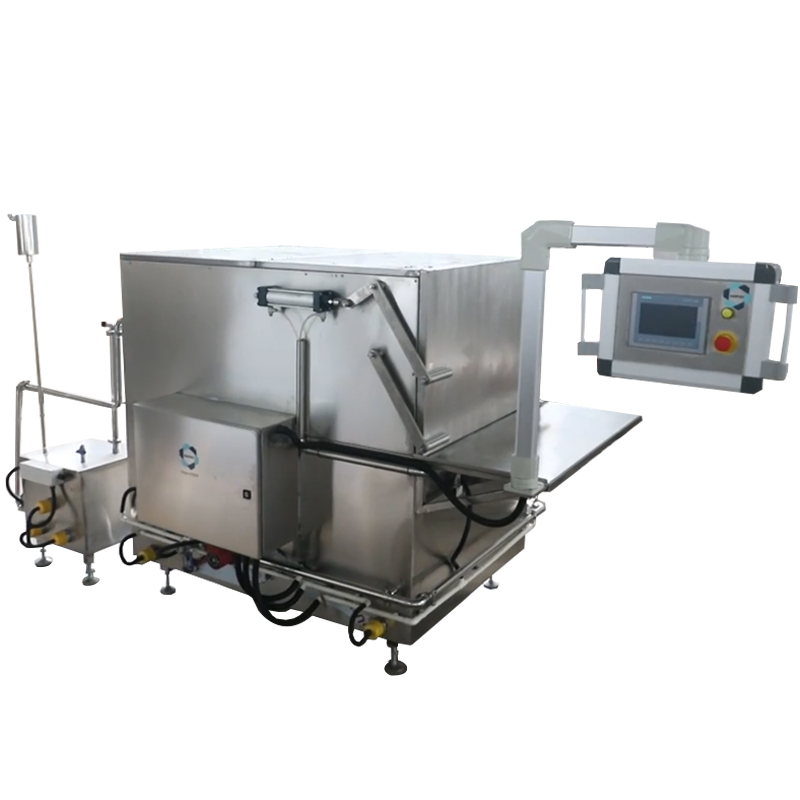
A chocolate chips machine is the cornerstone of efficient confectionery manufacturing, transforming liquid chocolate into uniform, high-quality drops used in cookies, muffins, and snacks. The primary advantage of automated systems is their ability to maintain consistent weight and shape accuracy within ±1%, ensuring product uniformity and reducing material waste. Manual or semi-automated methods often struggle with temperature control and precision, leading to irregular shapes and higher production costs.
This article explores the different types of chocolate chips machines, key selection criteria, and maintenance best practices. By understanding these technical aspects, manufacturers can optimize their production lines for maximum output and quality.
Types of Chocolate Chips Forming Technologies
Not all chocolate chips are created equal, and the machinery used to produce them varies based on the desired texture, size, and application. The two dominant technologies are depositor systems and cutting/rolling systems.
Depositing Machines
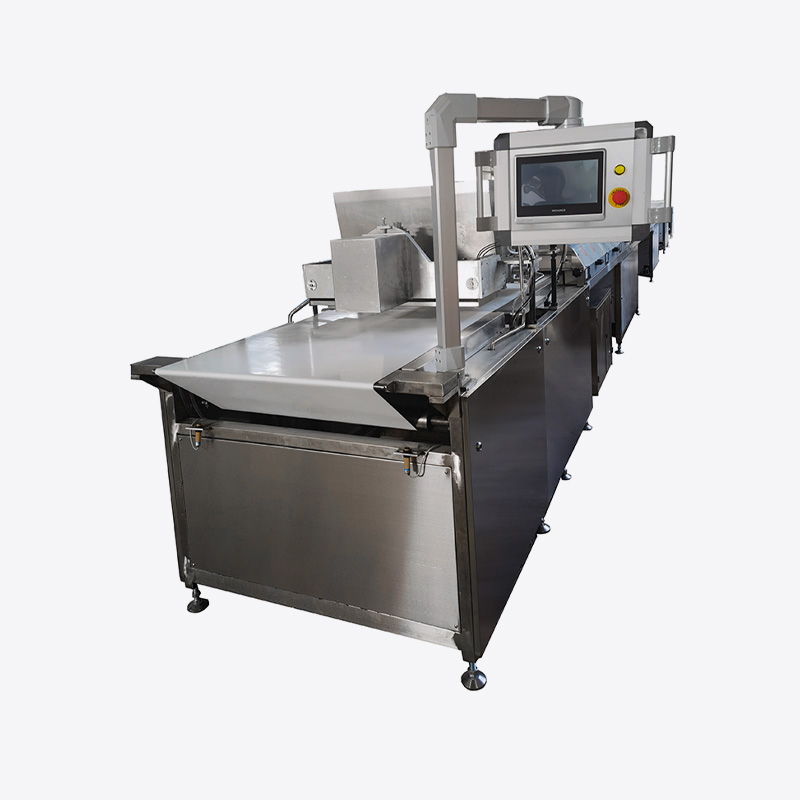
Depositing machines drop precise amounts of tempered chocolate onto a cooling conveyor belt. This method is ideal for creating standard teardrop-shaped chips with a smooth finish. Modern depositors use servo-driven pistons to control volume, allowing for rapid changeovers between different chip sizes. They can achieve speeds of up to 600 drops per minute per nozzle, making them suitable for high-volume production.
Cutting and Rolling Systems
For rustic or "chunk" style chips, cutting and rolling systems are preferred. These machines extrude a rope of semi-solid chocolate, which is then cut into small pieces and tumbled to round off the edges. This process creates a more irregular, artisanal look that is popular in premium baking products. While slower than depositing, this method requires less precise tempering and can handle chocolates with higher viscosity.
| Feature | Depositing | Cutting/Rolling |
|---|---|---|
| Shape Consistency | High (Uniform) | Medium (Rustic) |
| Production Speed | High | Moderate |
| Chocolate Type | Well-Tempered | High Viscosity |
Key Selection Criteria for Manufacturers
Choosing the right chocolate chips machine involves evaluating capacity, flexibility, and integration capabilities. Manufacturers must align equipment specifications with their production goals and product range.
Capacity and Throughput
Production volume dictates the size and complexity of the machine. Small-scale artisans may require benchtop models with a capacity of 50-100 kg/hour, while industrial facilities need continuous lines capable of processing over 1,000 kg/hour. It is crucial to consider peak demand scenarios to avoid bottlenecks. Overestimating capacity can lead to unnecessary capital expenditure, while underestimating can limit growth.
Flexibility and Changeover
Modern consumers demand variety, from mini chips to large chunks. A versatile machine should allow for quick changeovers between different mold plates or nozzle sizes. Look for systems with tool-less adjustment features, which can reduce changeover time from hours to minutes. Additionally, the ability to handle different chocolate types (dark, milk, white, compound) without extensive cleaning is a significant operational advantage.
- Tempering Integration: Ensure the machine connects seamlessly with your tempering unit to maintain crystal structure.
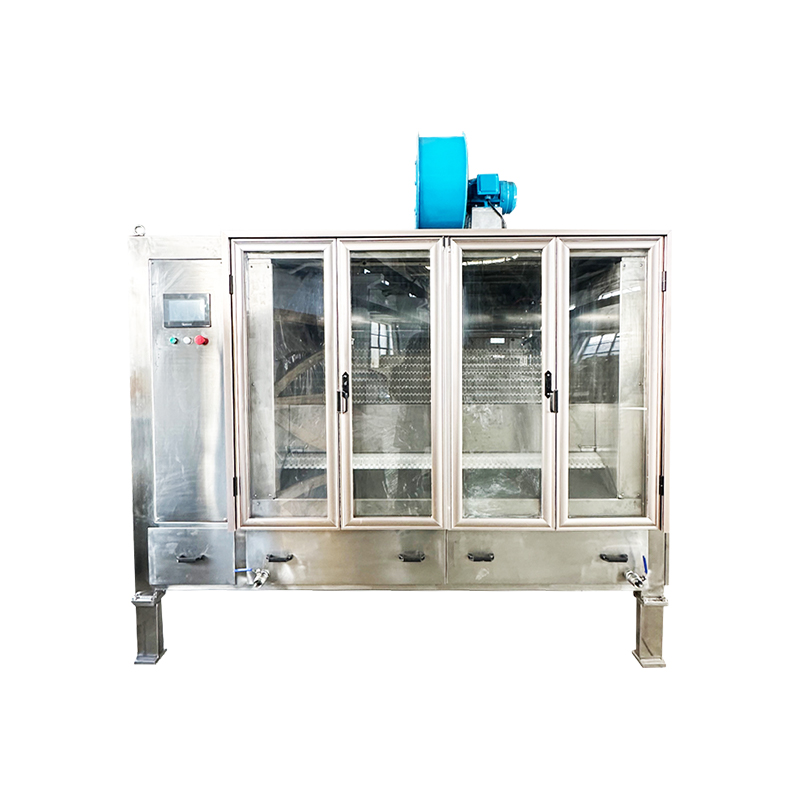
- Cooling Tunnel Length: Adequate cooling time is essential for proper setting and demolding.
- Hygiene Design: Stainless steel construction and easy-access parts facilitate thorough cleaning and compliance with food safety standards.
Maintenance and Operational Best Practices
Regular maintenance is vital for ensuring the longevity and performance of a chocolate chips machine. Neglect can lead to inconsistent product quality, increased downtime, and costly repairs.
Cleaning and Sanitation
Chocolate residue can harden and clog nozzles or valves, affecting deposition accuracy. Implement a daily cleaning routine using warm water and food-safe detergents. For machines with CIP (Clean-in-Place) systems, follow the manufacturer’s cycle instructions strictly. Regularly inspect seals and gaskets for wear, as leaks can introduce moisture, causing chocolate to seize.
Temperature Control Monitoring
Precise temperature control is critical for chocolate flow and setting. Calibrate sensors regularly to ensure accuracy. Fluctuations in temperature can lead to poor tempering, resulting in bloomed or soft chips. Monitor the cooling tunnel’s airflow and temperature zones to ensure consistent solidification. Keeping detailed logs of operating parameters helps in troubleshooting and optimizing performance.