

 English
 Español

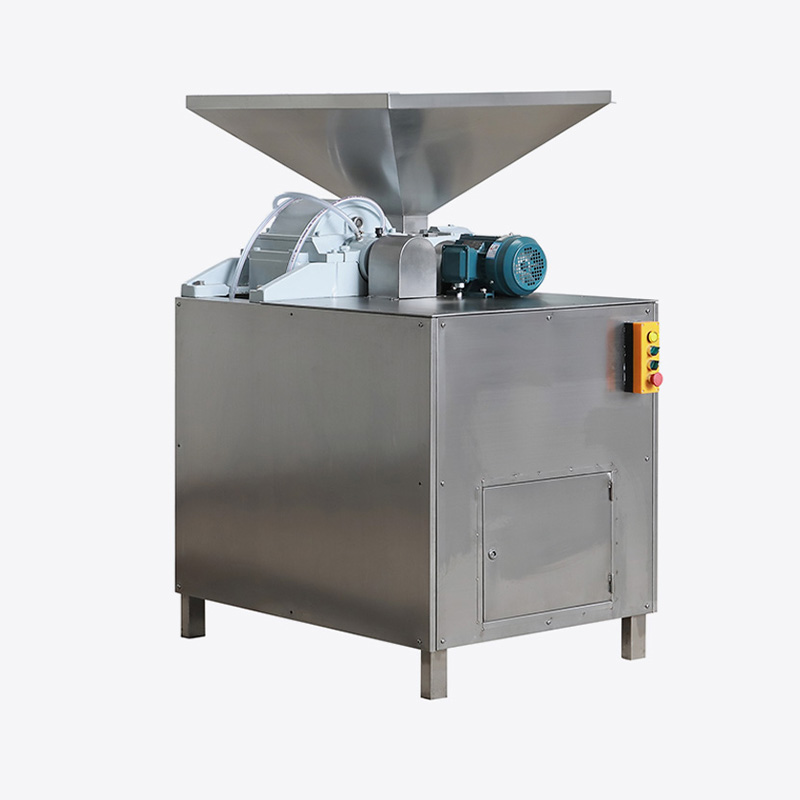
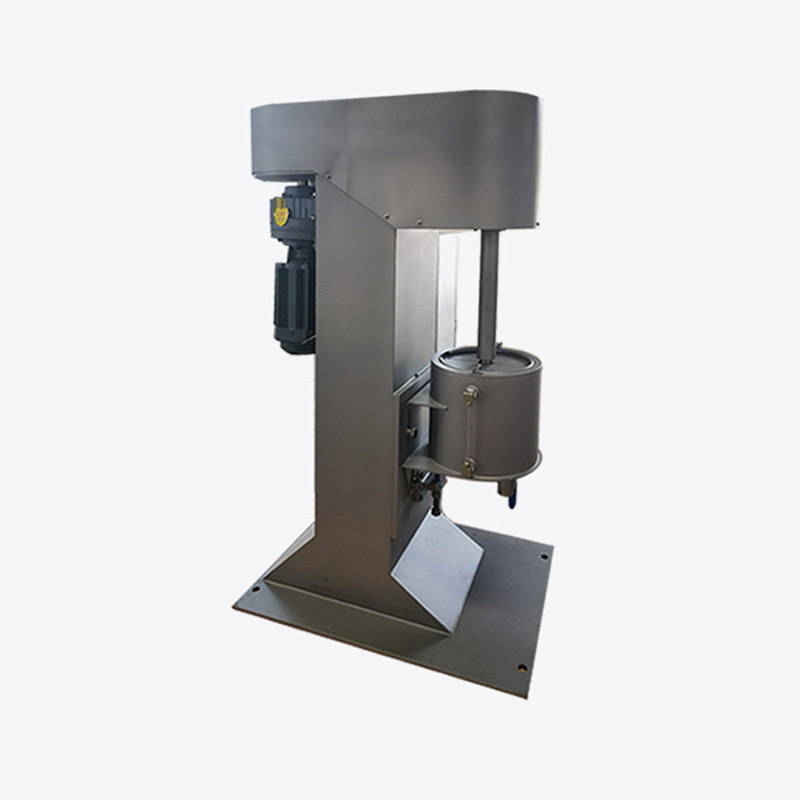
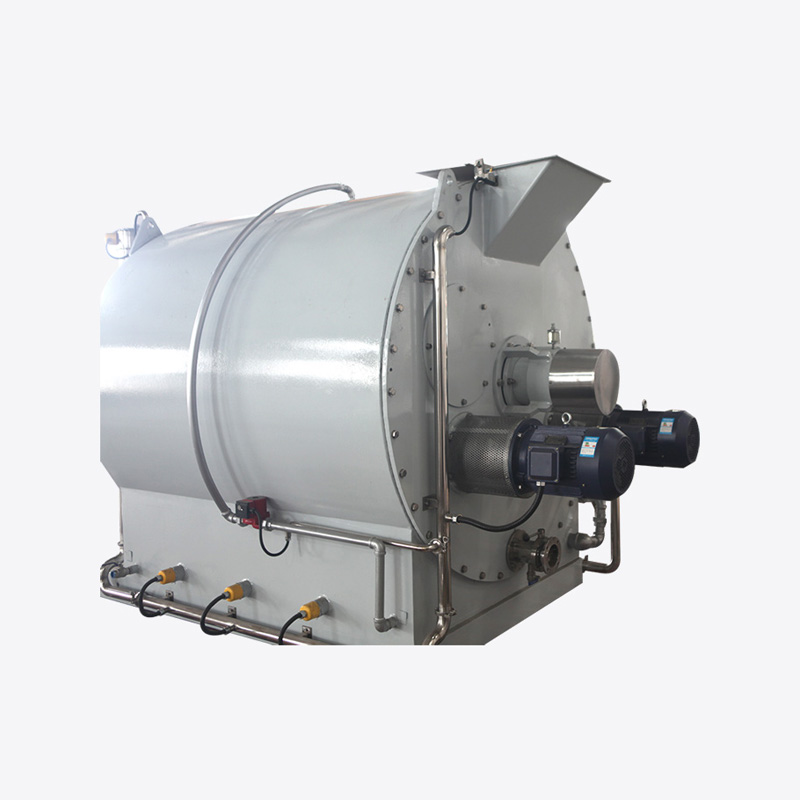
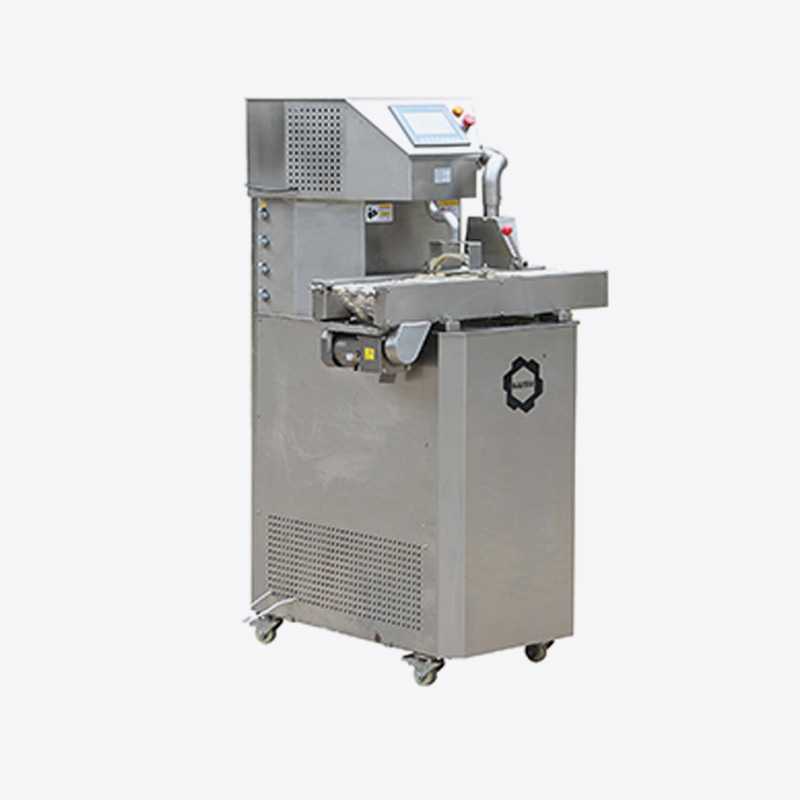
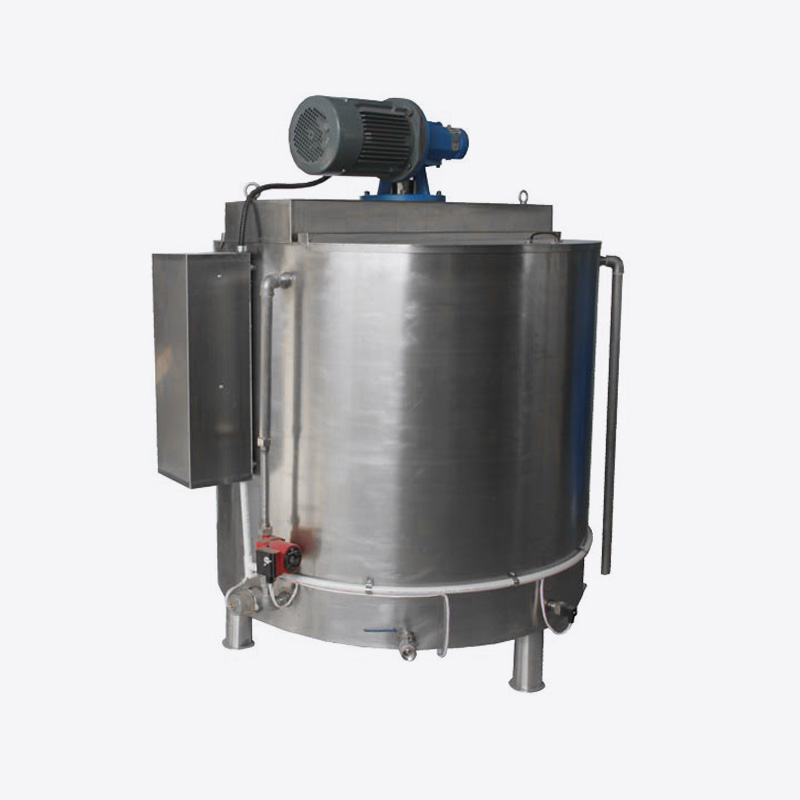
A chocolate fat melting machine, often referred to as a melter or tempering unit, is essential for maintaining cocoa butter in a stable liquid state without seizing or blooming. The core function of this equipment is to provide precise, consistent heat control, typically keeping chocolate between 40°C and 45°C (104°F - 113°F) for dark varieties, ensuring it remains fluid for molding, enrobing, or dipping. Success with these machines relies not just on heating, but on understanding the thermal properties of cocoa butter and adhering to strict hygiene and temperature protocols.
Content
Understanding Thermal Dynamics in Chocolate Processing
Cocoa butter is a polymorphic fat, meaning it can crystallize in six different forms. Only Form V (beta crystals) provides the desired snap, shine, and stability. A chocolate fat melting machine must navigate these thermal thresholds carefully to avoid destroying existing crystal structures or creating unstable ones.
Precision Heating Elements
High-quality melters use water baths or dry-heat systems with PID (Proportional-Integral-Derivative) controllers. These controllers adjust power output in real-time to maintain temperature within ±0.5°C. Fluctuations beyond this range can cause the cocoa butter to separate from the cocoa solids, leading to a grainy texture known as "blooming" once the chocolate sets.
Agitation and Viscosity Management
Static heat creates hot spots that burn chocolate. Effective machines incorporate continuous agitation mechanisms, such as augers or rotating paddles. This movement ensures uniform heat distribution and maintains the correct viscosity. For professional enrobing, viscosity should be monitored closely; adding cocoa butter rather than oil is recommended to thin the mixture without altering the flavor profile or setting characteristics.
Operational Best Practices for Consistency
Operating a chocolate fat melting machine requires discipline regarding ingredient preparation and temperature monitoring. Deviations in protocol are the primary cause of product failure.
Ingredient Preparation
Chocolate should always be chopped into uniform pieces, ideally no larger than 1 cm, before being added to the machine. Uniform size ensures even melting rates. Adding large blocks directly to the melter forces the heating element to work harder, increasing the risk of localized overheating and scorching.
Temperature Thresholds by Type
Different chocolate types have distinct burning points and optimal working temperatures. Exceeding these limits irreversibly damages the texture.
| Chocolate Type | Max Melting Temp | Working Temp Range |
|---|---|---|
| Dark Chocolate | 50°C (122°F) | 31°C - 32°C (88°F - 90°F) |
| Milk Chocolate | 45°C (113°F) | 29°C - 30°C (84°F - 86°F) |
| White Chocolate | 45°C (113°F) | 27°C - 28°C (81°F - 82°F) |
Maintenance and Hygiene Protocols
The longevity of a chocolate fat melting machine and the safety of the product depend on rigorous cleaning. Chocolate residue harbors bacteria and can carbonize, affecting future batches.
- Avoid Water Contact: Even a single drop of water can cause chocolate to seize, turning it into a gritty, unworkable mass. Clean components with dry towels or food-safe solvents specifically designed for cocoa butter removal.
- Regular Disassembly: Dismantle removable parts like augers and bowls daily. Inspect seals and gaskets for wear, as leaked fat can attract pests and create slip hazards.
- Polishing Stainless Steel: Use non-abrasive cleaners to maintain the polish of stainless steel surfaces. Rough surfaces trap chocolate particles, leading to bacterial growth and off-flavors.
Troubleshooting Common Issues
Even with high-end equipment, issues can arise. Identifying the root cause quickly prevents waste.
Chocolate Seizing
If the chocolate suddenly becomes thick and grainy, moisture has likely entered the system. This cannot be reversed for tempering purposes. The seized chocolate can only be salvaged for baking or ganache by adding warm liquid gradually, but it is unsuitable for molding.
Fat Bloom Appearance
Grayish streaks on finished products indicate fat bloom, caused by improper tempering or temperature fluctuations during storage. Ensure the chocolate fat melting machine is calibrated correctly and that the cooling environment is stable between 12°C and 18°C (54°F - 64°F) with low humidity.