

 English
 Español


Chocolate manufacturing depends on turning solid or block material into a controlled liquid mass and then combining that mass with other recipe components under steady conditions. Uneven heat or incomplete blending shows up later as texture faults, blocked depositors or variable mould fill. Dedicated tanks give those early stages a defined place in the line instead of improvised pans or open vessels.
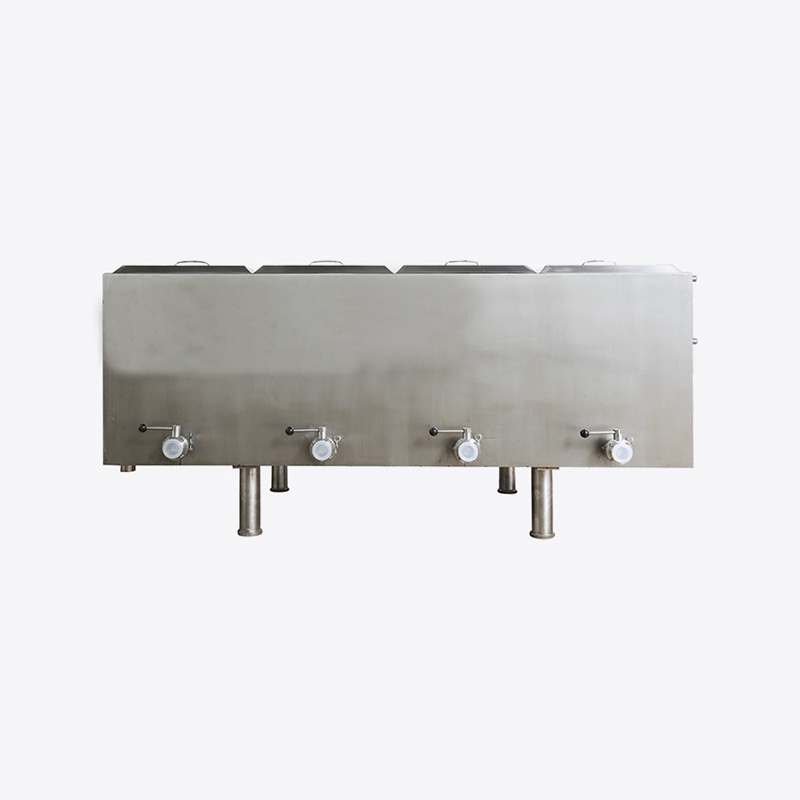
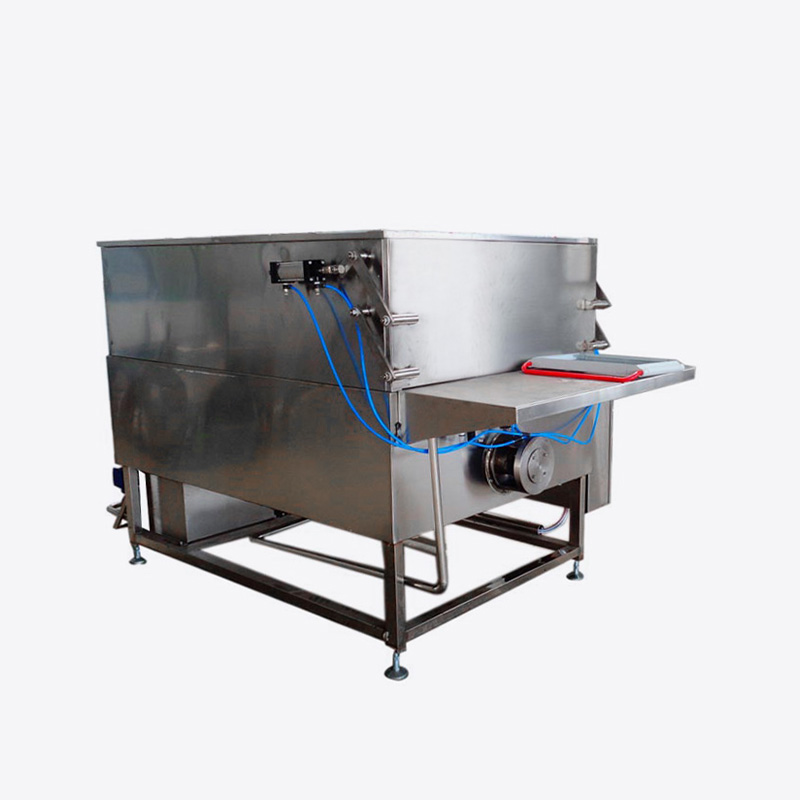
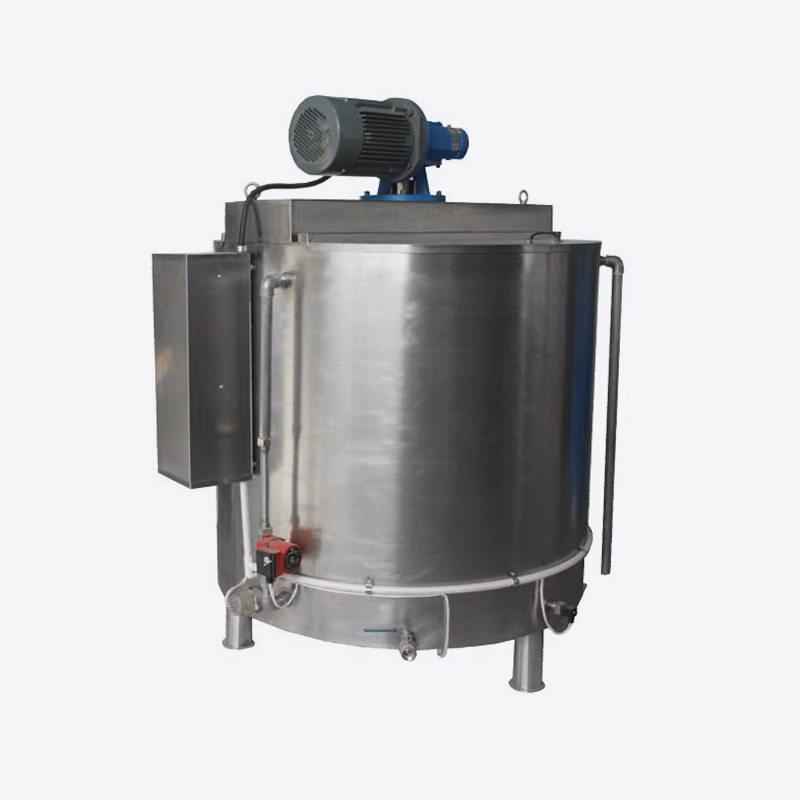
A melting unit prepares solid chocolate for pumping or gravity transfer. A mixing unit then works that liquid with additional ingredients when the recipe requires it. Stable conditions at this point support a consistent base for forming, enrobing or chunk lines downstream.

Content
- 1 How Melting Prepares Chocolate for the Next Steps
- 2 Mixing for a Uniform Chocolate Mass
- 3 Design Details That Affect Daily Use
- 4 Protecting Chocolate Quality While Melting and Mixing
- 5 Fitting Tanks into the Wider Production Flow
- 6 Cleaning, Checks and Routine Care
- 7 Matching Tank Choice to Plant Requirements
- 8 Process Stage and Tank Contribution
- 9 From Controlled Melt to Ready Mixed Mass
How Melting Prepares Chocolate for the Next Steps
A melting tank applies heat so blocks or callets soften and become pumpable without scorching. Even heat distribution across the jacket or heating surface reduces hot spots that can damage flavour and flow behaviour. Tank geometry that accepts bulk loading and allows the mass to circulate as it melts shortens the path to a usable liquid state.
Holding chocolate in a workable liquid condition bridges preparation and forming. Manufacturers use a dedicated melting stage so later mixing, transfer and depositing see material that is already under control rather than partially solid.
Mixing for a Uniform Chocolate Mass
Once the chocolate is liquid, mixing distributes cocoa components, sugar, milk powders, fats or inclusions according to the recipe. Stirring keeps solids from settling and limits stratification. Tank shape and agitator path determine whether the whole batch turns over or only the centre moves.
Effective circulation supports uniform texture and appearance from the start of the batch to the end. A Chocolate Mixing Tank that is sized and driven for the plant’s recipes helps successive batches behave alike when upstream melting is also stable.
Design Details That Affect Daily Use
Materials in contact with chocolate should suit food production and repeated cleaning. The shell must support heating and mechanical agitation without dead zones that trap mass. Agitator type should match the range of viscosities the plant runs. Openings for loading, inspection and discharge, together with reachable inner surfaces, affect how practical the tank is on a busy shift.
These practical choices influence uptime and hygiene as much as nominal capacity. Thoughtful design supports steady operation and simpler day-to-day management.
Protecting Chocolate Quality While Melting and Mixing
Chocolate is sensitive to temperature extremes and to moisture. Controlled heat keeps the mass fluid without local burning. Stirring, whether continuous or timed, reduces uneven ingredient pockets. Covers and sensible handling limit contamination from the room.
When tank practice is disciplined, appearance, texture and readiness for depositing or moulding stay within the band the process expects. Quality at this stage is largely about thermal and mechanical control, not only about recipe wording.
Fitting Tanks into the Wider Production Flow
Melting and mixing often sit between bulk storage and depositing, moulding or chunk lines. Prepared mass can be pumped or dropped to the next machine when discharge height and pipework are planned. Placing tanks along the natural material path shortens hose runs and reduces open handling.
Capacity and discharge method should reflect batch size and how often the downstream equipment needs refilling. Coordinated operation cuts idle time between preparation and forming.
Cleaning, Checks and Routine Care
Chocolate residue hardens if left on walls, agitators and outlet valves. Regular cleaning protects flavour carry-over and keeps heating surfaces efficient. Accessible interiors and simple agitator removal, where the design allows, shorten cleaning windows. Heating elements, stirrer drives and discharge valves deserve scheduled inspection so faults are found before a full production day is lost.
Clear operating habits reduce baked-on residue and extend useful equipment life. Convenient maintenance is part of reliable daily chocolate production.
Matching Tank Choice to Plant Requirements
Plants should list chocolate types, whether melting only or melting-plus-mixing is required, available floor space and how the tank will feed the next process. Melting performance and mixing duty are related but not identical; some lines need both functions, others mainly need controlled melt and hold. Configuration should align with the real sequence of operations.
A tank that connects cleanly to downstream depositors or moulding plants avoids extra intermediate vessels. Choosing suitable melting and mixing capacity is a practical investment in organised, consistent manufacturing rather than a standalone purchase.
Process Stage and Tank Contribution
| Process stage | Tank contribution | Effect on downstream work |
|---|---|---|
| Solid to liquid conversion | Even, controlled melting | Pumpable mass without scorched fractions |
| Recipe blending | Circulation and ingredient distribution | More uniform texture and composition |
| Hold before transfer | Stable liquid condition | Fewer stops at depositors or moulds |
| Hygiene | Cleanable surfaces and outlets | Less residue and flavour carry-over |
| Line layout | Placement and discharge matched to flow | Shorter transfers, less manual handling |
| Daily reliability | Accessible service points | Faster checks and cleaning |
From Controlled Melt to Ready Mixed Mass
Chocolate processing runs more smoothly when melting and mixing are given dedicated, well-designed tanks that hold temperature, circulate the mass and clean down in a practical time. Gusu Food Processing Machinery Suzhou Co.,Ltd. supplies chocolate processing tanks for melting and mixing duties in commercial and industrial plants. Review of recipes, batch pattern and downstream equipment against tank design supports selection of vessels that keep preparation stable. Melting Tank Chocolate applications benefit when heat, agitation and hygiene are planned together rather than treated as separate afterthoughts.