

 English
 Español


Chocolate plants differ in product mix, chunk size, shift patterns and available floor space. Defining those needs before ordering machines avoids equipment that sits idle or bottlenecks a single stage. Small-batch, steady commercial and higher-volume industrial work each imply different balances of automation, labour and footprint.
Matching line layout to real objectives keeps capital tied to useful capacity. A dedicated chocolate chunks production line is one way to organise that workflow when chunks are a core product rather than an occasional sideline.
Content
- 1 Main Stages from Ingredients to Finished Chunks
- 2 Selecting Machines That Work as a Set
- 3 Scale, Models and Factory Constraints
- 4 Ingredient Preparation as the Starting Block
- 5 Mixing and Transfer into Forming
- 6 Depositing and Forming for Chunk Geometry
- 7 Cooling in Line with Upstream Timing
- 8 Conveying and Product Movement
- 9 Layout, Access and Hygiene Space
- 10 Temperature Across the Whole Path
- 11 Consistency from Batch to Batch
- 12 Cleaning and Maintenance Access
- 13 Comparing JPG Series Options
- 14 Integration and Daily Factory Management
- 15 Pre-Investment Checklist
- 16 Why a Dedicated Chunks Line Helps
- 17 Planning Factors and Line Responses
- 18 Building the Line Around Real Production Objectives
Main Stages from Ingredients to Finished Chunks
Typical flow includes ingredient preparation, mixing, depositing or forming, cooling and then handling for packing or storage. Cocoa mass, sugar, milk components and cocoa butter must be brought to a workable state before they enter forming. Mixing aims at a uniform mass. Depositing and forming create individual pieces. Cooling sets structure and surface appearance.
An integrated line links these stages so material moves in sequence rather than through ad-hoc transfers. That organisation is the backbone of industrial chunk production.
Selecting Machines That Work as a Set
Each unit should serve the intended product and the machines upstream and downstream. Preparation, mixing, conveying, depositing, forming and cooling all need compatible interfaces and capacities. Smooth hand-off between stages reduces spills, rework and waiting.
Professional Chocolate Making Equipment chosen as a coordinated set supports a clearer process than unrelated standalone units bought only on individual price.
Scale, Models and Factory Constraints
Output targets and building layout drive how many modules and which sizes are appropriate. Workspace, utilities and expected volume should be listed before model comparison. The JPG600, JPG800, JPG900, JPG1000 and JPG1200 series offer different configurations for plants to evaluate against those constraints.
Selecting a line that fits current operation while leaving room for later change is more durable than sizing only for today's minimum. Future product variants deserve a brief mention in the plan even if they are not built on day one.
Ingredient Preparation as the Starting Block
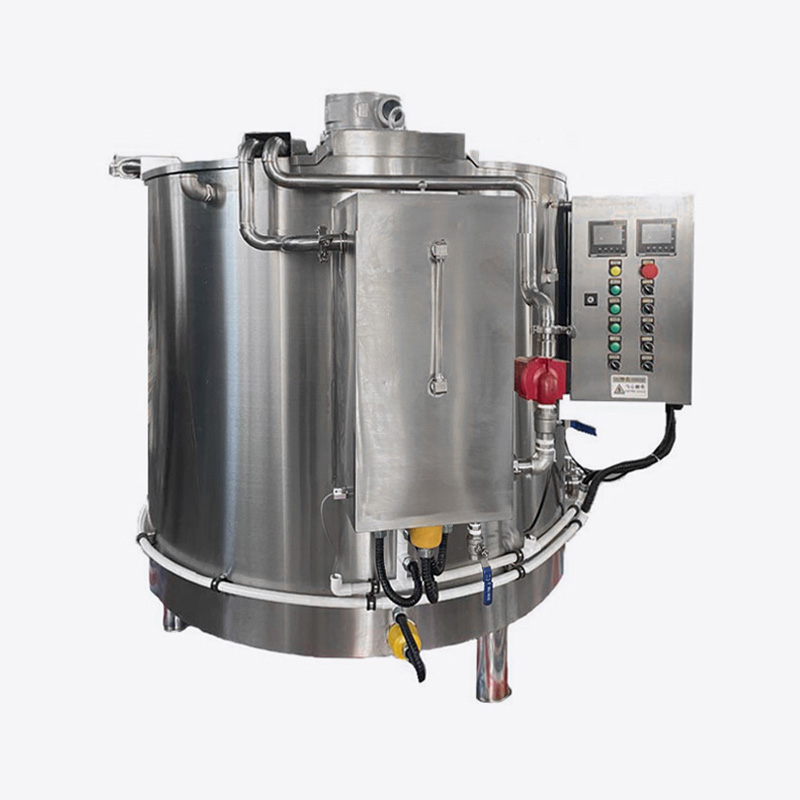
Preparation quality affects every later step. Recipe materials need controlled handling so the mass entering mixing is consistent. Preparation and mixing equipment should sit in process order so operators are not crossing paths with finished goods.
A clear preparation section stabilises depositing and cooling behaviour downstream.
Mixing and Transfer into Forming
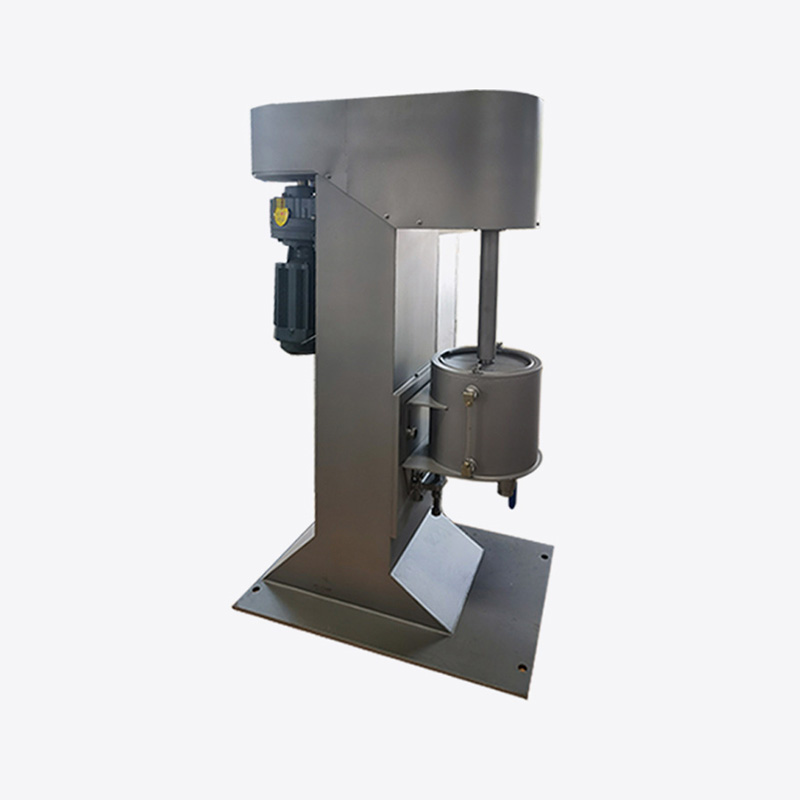
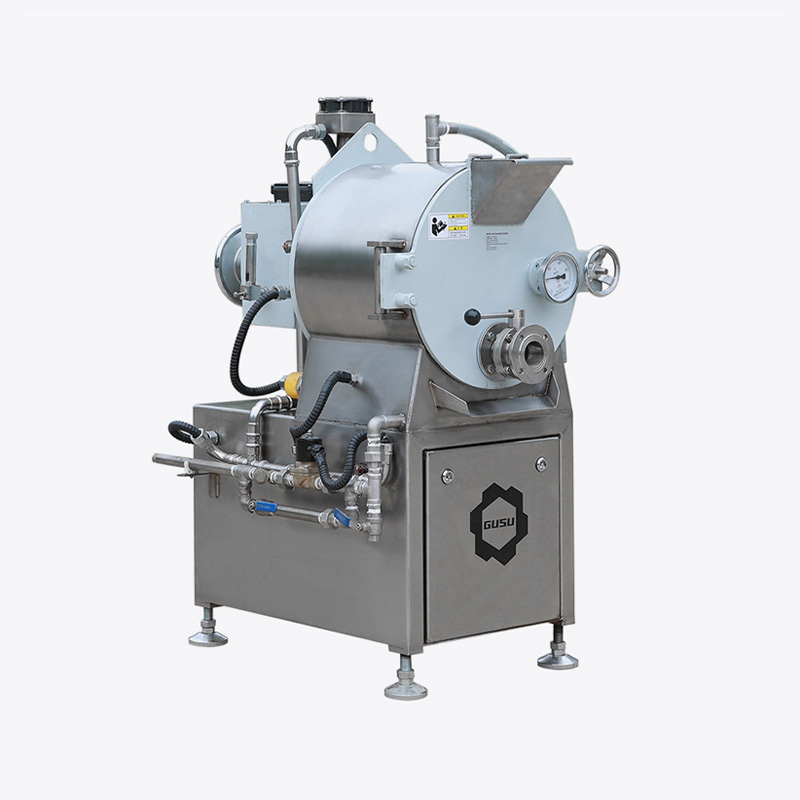
Mixing prepares the mass for forming. Compatibility of pumps, pipes or conveyors with the next stage limits temperature loss and contamination risk. Different recipes may need different agitation or hold times. Temperature discipline during preparation protects viscosity and flow at the depositor.
Integrated Industrial Chocolate Making Machine arrangements help keep those conditions aligned across the room.
Depositing and Forming for Chunk Geometry
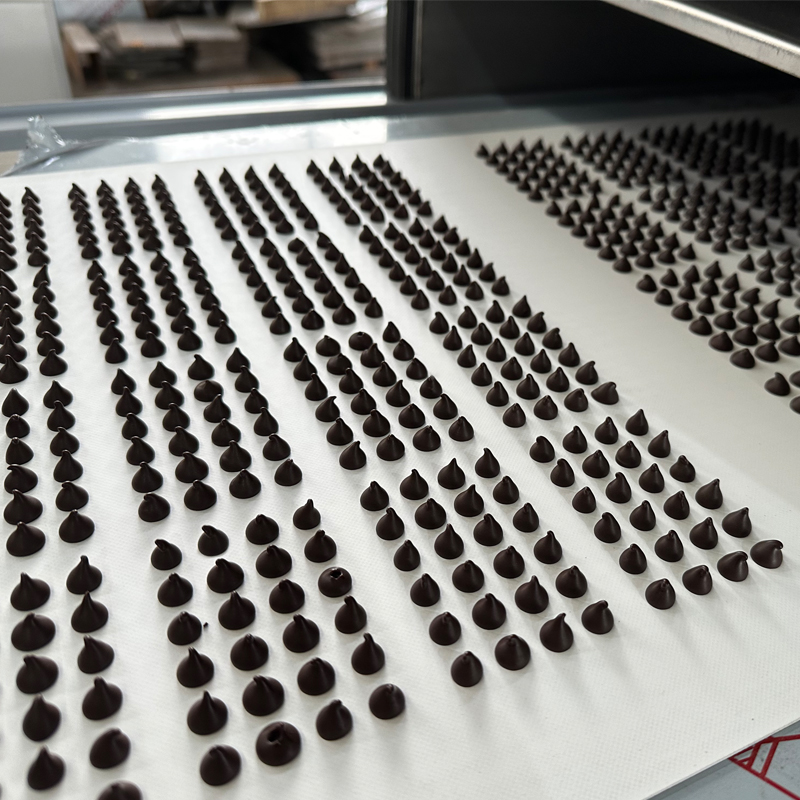
Depositing and forming turn bulk mass into discrete chunks. Mould or die design sets shape and size. Controlled delivery reduces weight scatter and voids. Forming equipment should be chosen for the product range the plant actually sells, not only for a demonstration shape.
A dedicated chocolate chunks making section is central when chunks are the primary SKU family.
Cooling in Line with Upstream Timing
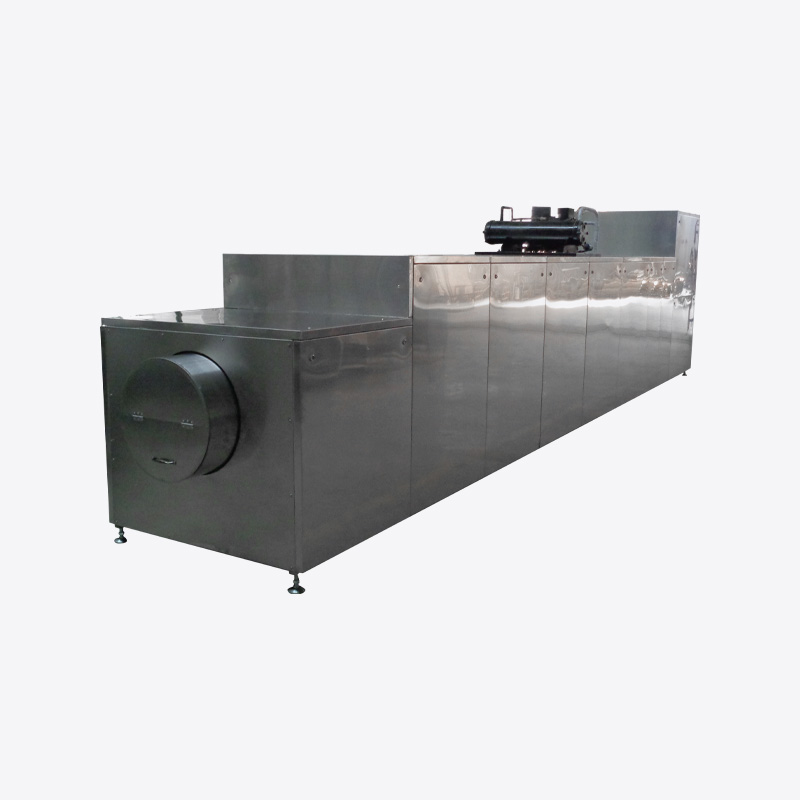
Cooling fixes texture and appearance. Tunnel or alternative cooling must accept the rate of forming without backlog. Coordination with depositing speed avoids deformed pieces or incomplete set. Cooling design should reflect the fat system and the target bite and gloss of the finished chunk.
Conveying and Product Movement
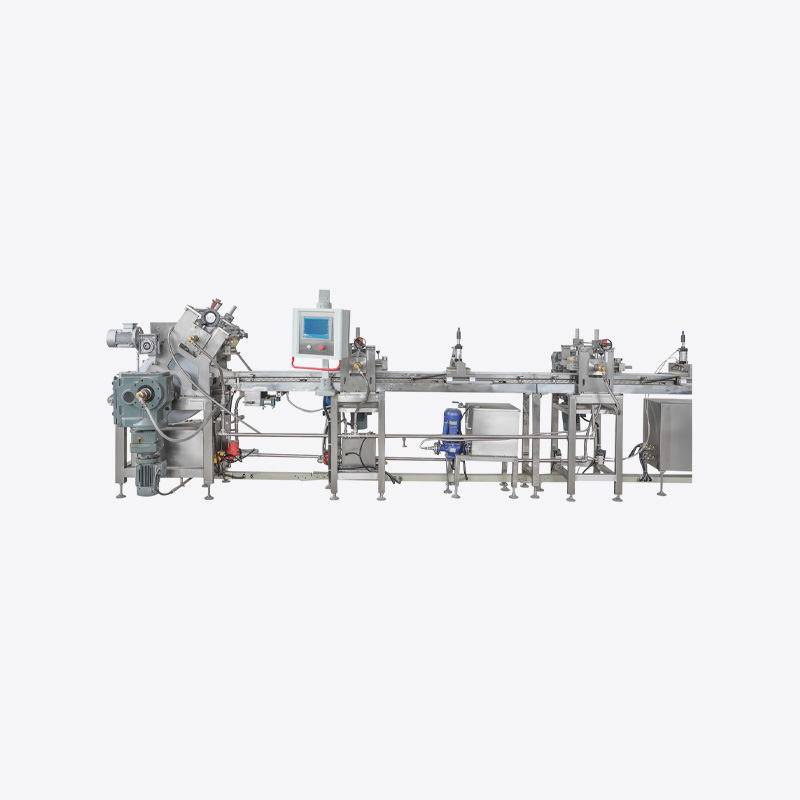
Conveyors and transfers link preparation through packing. Short, logical paths cut handling damage and labour. Machine placement that respects one-way flow simplifies supervision. An integrated chunks line treats movement of mass and of finished pieces as part of the design, not an afterthought.
Layout, Access and Hygiene Space
Installation planning should follow process order: preparation, mix, form, cool, pack. Aisles for operators, ingredient staging and finished-goods exit need explicit space. Clearance for cleaning and maintenance prevents later compromises when the line is running.
Configurations that can be adapted to different building outlines reduce forced odd angles in the flow.
Temperature Across the Whole Path
Chocolate viscosity and set behaviour are temperature-sensitive. Preparation, mix, deposit and cool each need conditions that fit the recipe. Factory ambient temperature and seasonal change should be acknowledged when specifying jackets, rooms or tunnels.
Equipment with workable temperature control is a core investment item for consistent chunks.
Consistency from Batch to Batch
Repeatable chunks depend on stable preparation, mixing, depositing and cooling. Process discipline and equipment that holds set-points reduce scatter in weight, shape and surface. Monitoring at critical points supports organised batch manufacture rather than continual correction by eye.
Cleaning and Maintenance Access
Chocolate residue on mixers, depositors, belts and moulds must be removable on a practical schedule. Accessible surfaces and hygienic design shorten cleaning windows. Mechanical, electrical and temperature-control points should be inspectable without major dismantling. Maintenance access belongs in the selection criteria, not only in the service manual.
Comparing JPG Series Options
JPG600, JPG800, JPG900, JPG1000 and JPG1200 represent different scale and layout options for chunks production. Comparison should cover product range, process steps, floor space and material handling, not isolated machine glossy points. Understanding functions and operating needs of each configuration leads to a clearer shortlist.
Integration and Daily Factory Management
When preparation, mix, deposit, form, cool and convey are specified together, manual transfers drop and stage-to-stage timing improves. Operators can supervise a coherent path. Planning and reporting become simpler when the line is one system rather than a collection of strangers.
Pre-Investment Checklist
List the chunk types and sizes required. Map preparation, mix, deposit, form and cool. Fix model range and footprint. Confirm machine-to-machine compatibility and transfers. Review temperature control, cleaning and maintenance. Ask whether the layout can absorb later recipe or volume change. Select against the full objective list, not a single headline capacity figure.
Why a Dedicated Chunks Line Helps
Specialised stages from preparation to finished handling reduce compromise. Functions match chunk geometry and recipe. Multiple model options accommodate different factories. JPG600 through JPG1200 series give manufacturers a dedicated path when chunks are a standing product line. Organised workflow, coordinated equipment and operable daily routines are the practical gains.
Planning Factors and Line Responses
| Planning factor | Line response | Manufacturing effect |
|---|---|---|
| Product shape and size | Forming and mould choice | Chunks match sales specification |
| Process sequence | Prep–mix–deposit–cool–transfer order | Fewer ad-hoc moves |
| Factory footprint | Model and layout selection | Equipment fits building and aisles |
| Temperature sensitivity | Controlled stages and cooling | More stable texture and appearance |
| Hygiene and upkeep | Accessible design, cleanable paths | Shorter, safer cleaning windows |
| Future change | Modular or scalable configuration | Room to adjust without full rebuild |
Building the Line Around Real Production Objectives
Industrial chocolate chunk manufacture works best when objectives, process stages, equipment match, layout and care routines are planned together before purchase. Gusu Food Processing Machinery Suzhou Co.,Ltd. supplies chocolate chunks production lines including JPG series configurations for commercial and industrial plants. Review of recipes, target formats and factory constraints against line design supports selection of chocolate processing equipment aligned with manufacturing needs.