

 English
 Español


Picture a caterer at a dessert table: the fountain is filled, the pump starts, and the chocolate moves like cold syrup. The problem is rarely the machine. It is usually the chocolate. For a fountain, use couverture chocolate with enough cocoa butter to flow, not standard chocolate chips or low-fat baking bars. Dark, milk, and white couverture can all work, but each needs a different handling temperature and a slightly different fat adjustment. Choose the chocolate for flow first, flavor second, and brand last.
Content
- 1 The Short Answer: Use Couverture, Not Baking Chips
- 2 Why Cocoa Butter Content Matters More Than Brand
- 3 Dark, Milk, or White: Match the Chocolate to the Crowd
- 4 What to Avoid and How to Fix a Fountain That Is Too Thick
- 5 Commercial Production: Consistency Before the Fountain Starts
- 6 A Practical Buying Checklist
The Short Answer: Use Couverture, Not Baking Chips
Couverture is the default because it contains a higher proportion of cocoa butter, the fat that gives melted chocolate its fluidity. A fountain chocolate should look glossy, fall in a continuous ribbon, and stay fluid at the holding temperature without becoming greasy. Compound fountain chocolate, made with vegetable fat, is more forgiving when tempering is not practical, but it often tastes waxy. The table below shows where common choices land.
| Chocolate type | Main fat | Fountain performance | Best use |
|---|---|---|---|
| Dark couverture | Cocoa butter | Flows well when tempered; strong flavor | Fruit, marshmallows, adult crowds |
| Milk couverture | Cocoa butter and milk solids | Softer taste; can scorch if held too hot | Family events and sweet dippers |
| White couverture | Cocoa butter | Sweet and sensitive to heat; needs gentle holding | Berries, cookies, pretzels |
| Fountain-ready compound | Vegetable fat with some cocoa butter | Reliable flow without tempering; can taste waxy | High-volume casual service |
| Chocolate chips | Lower cocoa butter, stabilizers | Thick and prone to clogging | Baking, not fountains |
| Candy melts | Vegetable fat and sugar | Fluid but waxy; little real chocolate flavor | Simple decorative use |
For occasional home use, a 1.5 lb to 2 lb batch is enough for a small fountain. For repeated service, use an automatic tempering machine to hold the chocolate in the right working range rather than reheating it by guesswork.
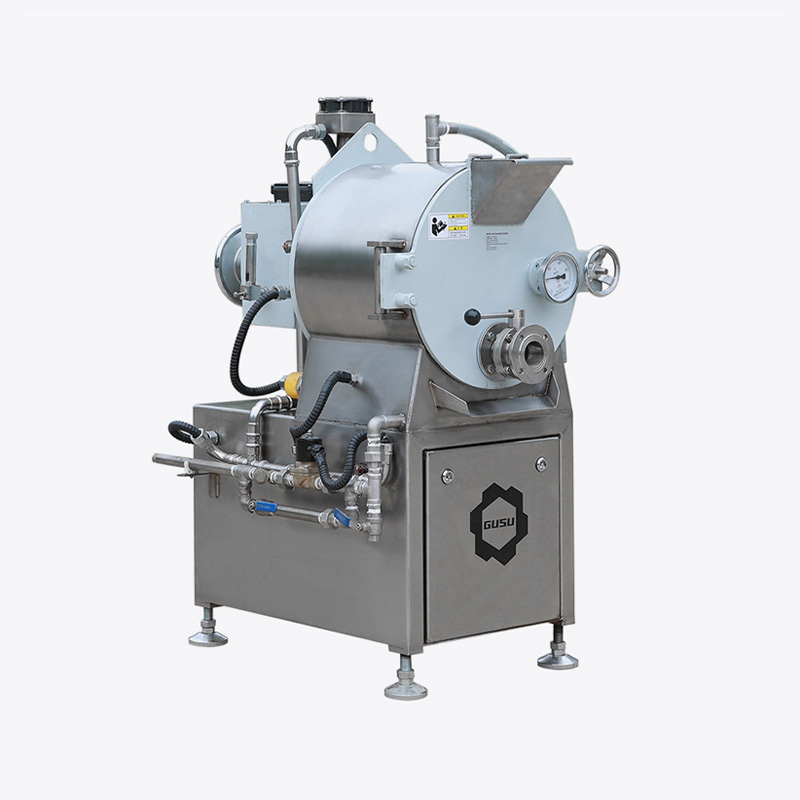
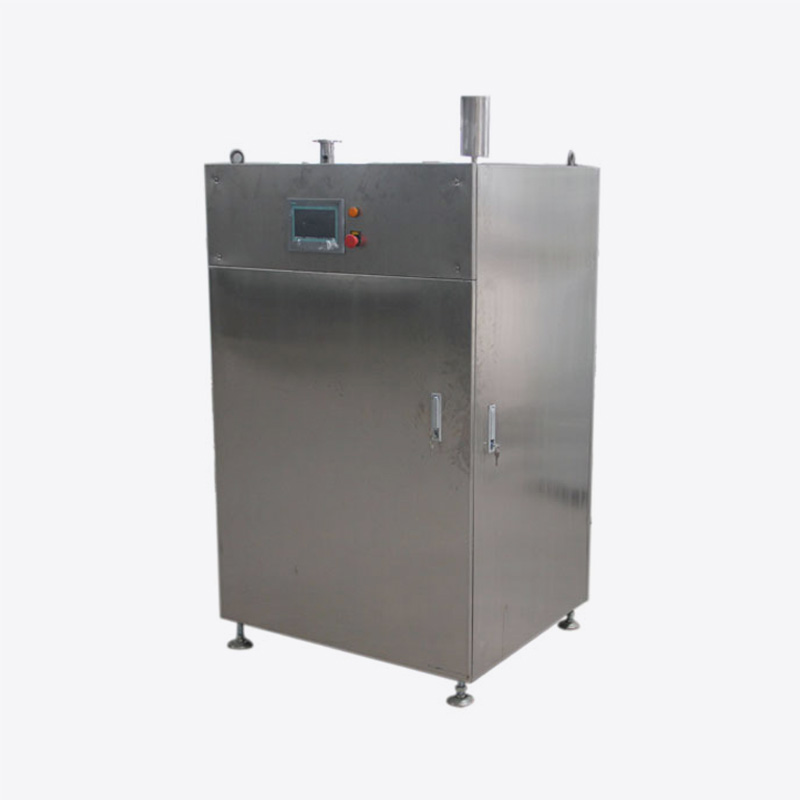
 QT Series Automatic Chocolate Tempering MachinePLC-controlled tempering machine with multiple temperature zones and capacities from 100 to 2000 kg/h for consistent chocolate texture and gloss.View Product →
Why Cocoa Butter Content Matters More Than Brand
The label percentage is not a direct measure of cocoa butter. It usually refers to total cocoa solids and cocoa butter together, so two bars marked 60% can behave very differently in a fountain. For fountain work, aim for a couverture with roughly 30-35% fat, and check that cocoa butter is the main fat in the ingredient list. At the low end, chocolate may move slowly through the pump; at the high end, it can look thin and pool on fruit. Batch size matters too: a small fountain with a wide bowl exposes more surface area and needs a slightly more fluid mix than a tall, narrow fountain.
Use 20 oz of chocolate as a practical starter batch for a small fountain. If the flow is heavy, stir in a teaspoon of cocoa butter or neutral oil at a time. Avoid heavy cream unless following a tested ganache-style recipe: cream adds water, and water is the enemy of smooth melted chocolate. A few drops of water can make melted chocolate seize into a grainy paste, and extra oil will not fully rescue it.
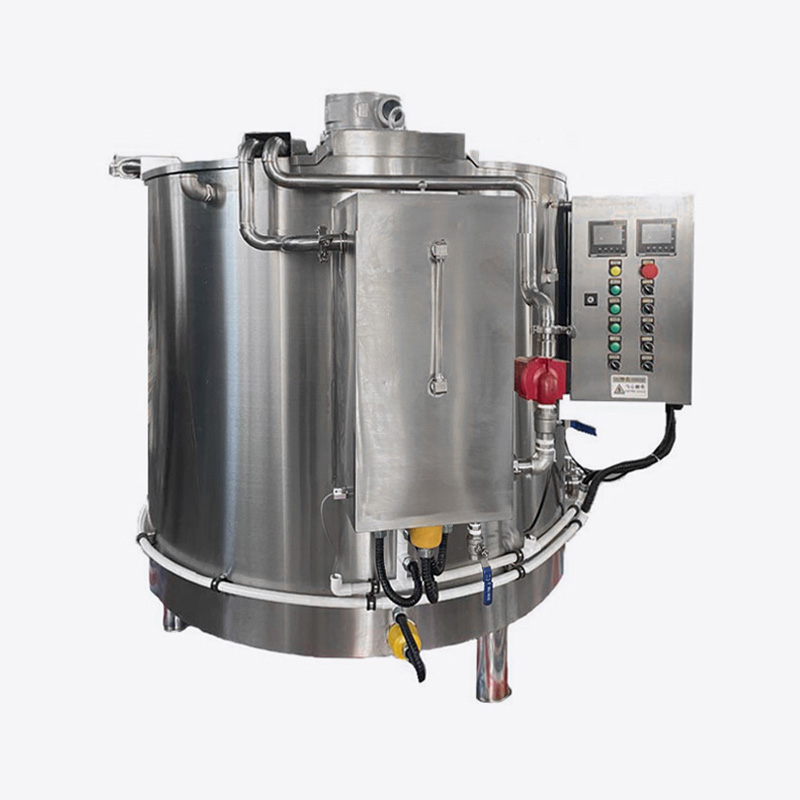
At larger volumes, even heating in a dedicated fat melter reduces scorching before the chocolate reaches the fountain.
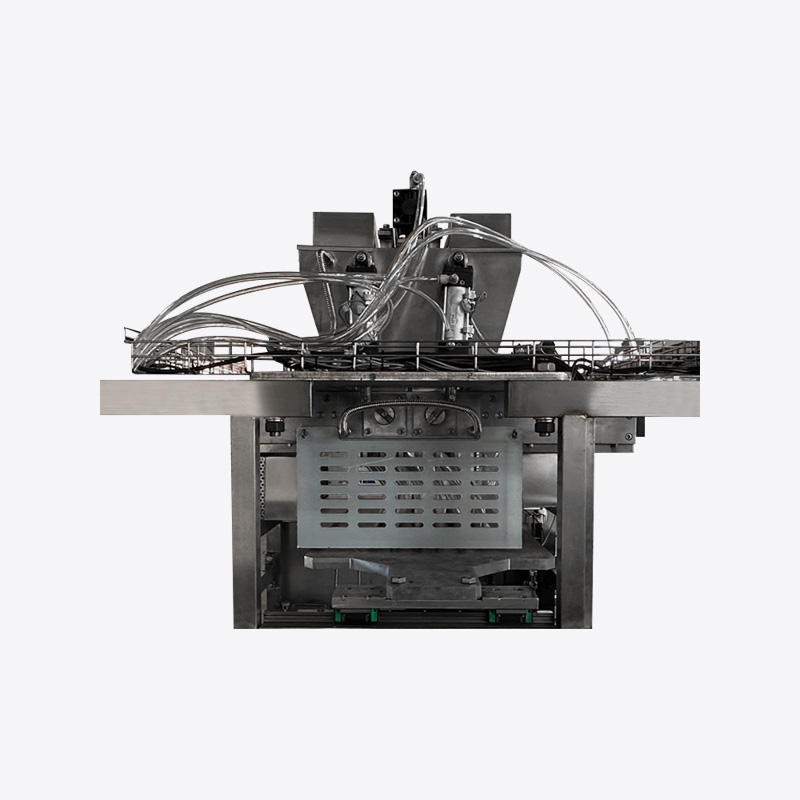
 RYG500 Stainless Steel Chocolate Fat Melting Tank500 L stainless steel melting unit with internal heating coils for bulk cocoa liquid blocks, often paired with a delivery pump for subsequent processing.View Product →
Dark, Milk, or White: Match the Chocolate to the Crowd
Dark chocolate is the safest default for a fountain because its stronger flavor balances sweet dippers and it shows less browning than milk or white chocolate. Use these guidelines when choosing:
- Dark: 60-70% cocoa solids gives a clean bittersweet flavor and good flow; very high percentages can taste harsh and may need more fat adjustment.
- Milk: milder and crowd-friendly, but the milk solids brown and scorch more easily, so keep the bowl slightly cooler.
- White: sweet, creamy, and heat-sensitive; it needs gentle melting and a clean, dry fountain bowl because any dark residue shows immediately.
Temperature control separates a good fountain from a messy one. Hold dark chocolate near 110 F (43 C), and keep milk and white closer to 100-105 F (38-40 C). If the bowl feels hot to the touch, it is probably too warm; milk solids and sugar can scorch, and white chocolate can turn gritty. At catered events, a holding tank keeps backup batches fluid without exposing them to repeated reheating.
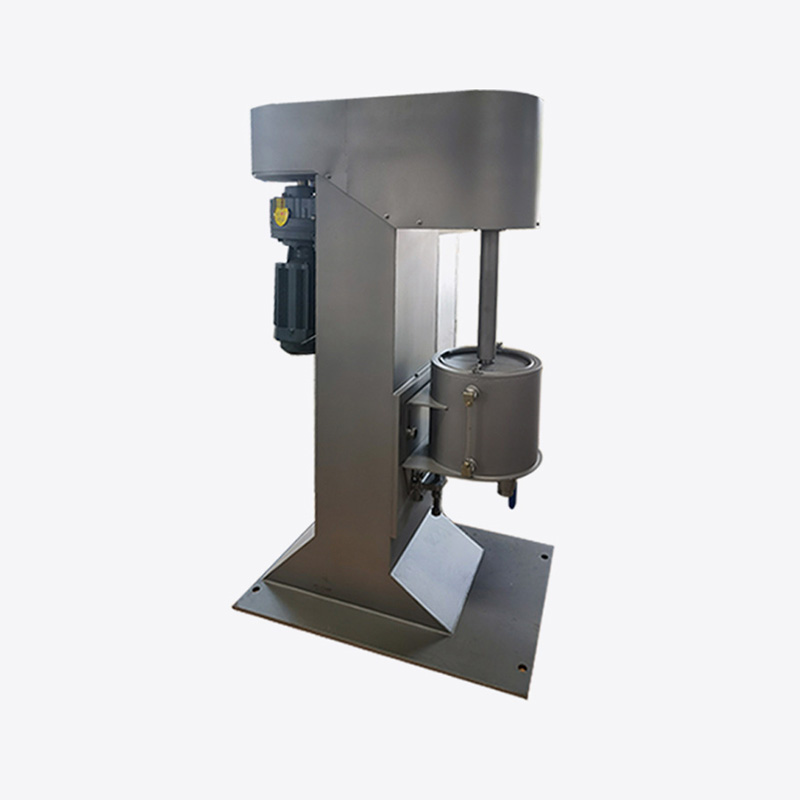
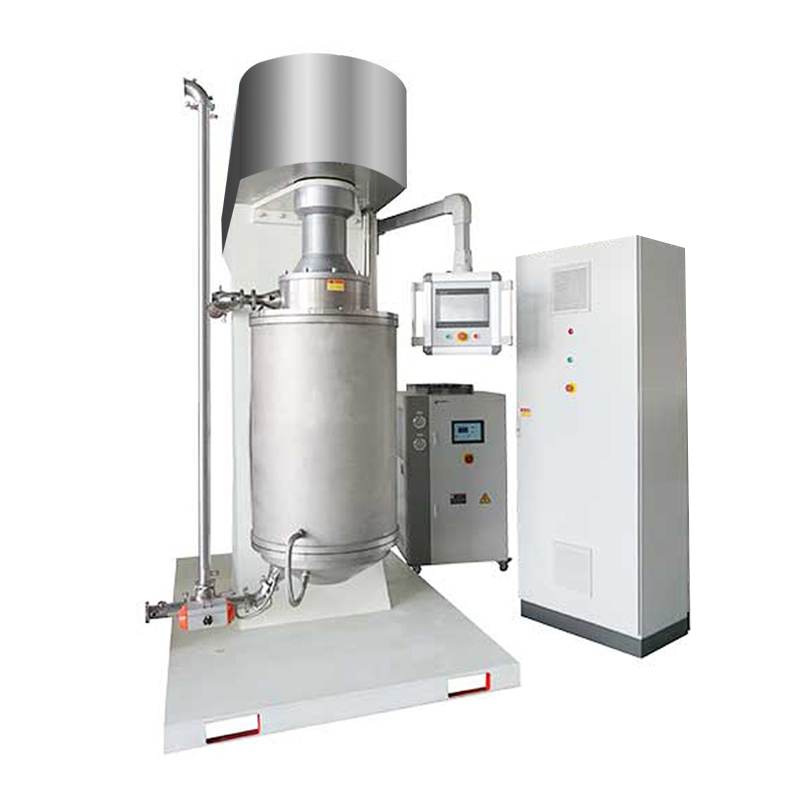
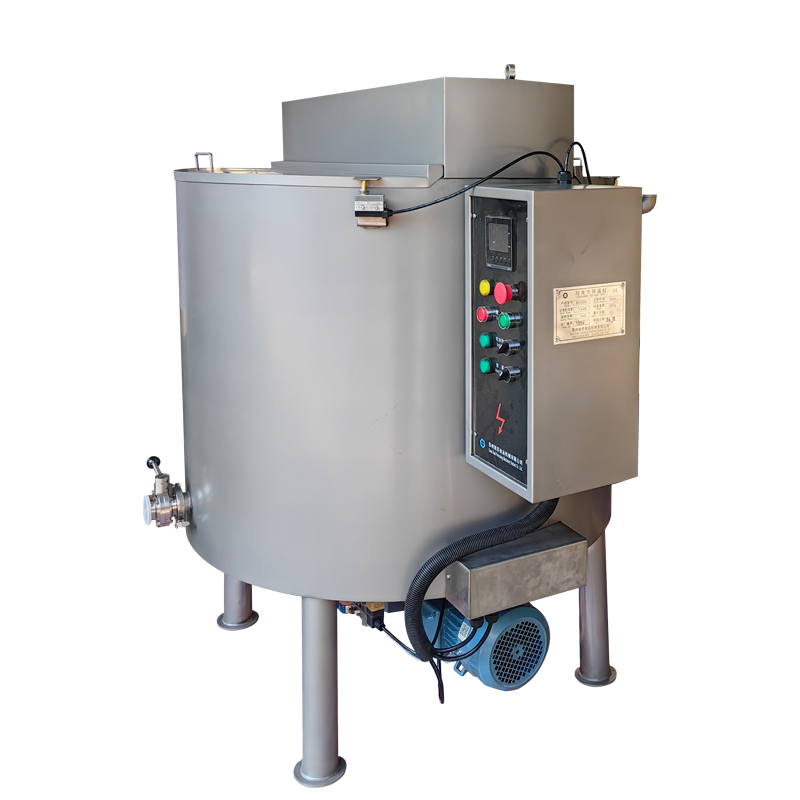
 Stainless Steel Chocolate Holding and Storage TankInsulated stainless steel tank with vertical stirrer and automatic jacket temperature control to hold chocolate pulp for continuous production or fountain backup.View Product →
What to Avoid and How to Fix a Fountain That Is Too Thick
Several products look like chocolate but are built for baking. Avoid chocolate chips, low-fat baking bars, and ordinary candy melts when you want a real chocolate fountain. Chips contain stabilizers and less cocoa butter, so they tend to clog the pump. Candy melts flow, but the vegetable fat leaves a waxy film on the palate. Water is the other common mistake: a wet spoon, a drop of condensation, or a splash of juice can tighten the chocolate within seconds.
If the fountain is already running too slowly, work in small steps:
- Stop the pump and check the bowl temperature with a thermometer.
- Whisk in one teaspoon of cocoa butter or neutral oil per 8 oz of chocolate.
- Let it incorporate fully before adding more; over-thinning is harder to correct than a slow start.
- If the chocolate is grainy or seized, do not keep adding oil. Start a fresh batch and keep all tools dry.
A quick flow test is simple: lift a spoon and let the chocolate fall. It should form a smooth ribbon that disappears into the pool, not clump on the surface or drip like water.
Commercial Production: Consistency Before the Fountain Starts
A caterer filling 20 fountains a weekend faces a different problem from a host filling one: batch repeatability. The chocolate must arrive at the same viscosity, color, and flavor every time, which means controlling melting, tempering, and holding rather than adjusting at the fountain. Dark, milk, and white chocolate each follow a different tempering curve, and the curve changes again with cocoa butter content. Reviewing tempering guidelines for different chocolate types helps production teams set realistic temperature windows before the event season begins.
For production planning, test the chocolate in the actual fountain, not just in a bowl. Pump height, bowl diameter, and room temperature all affect how the same chocolate performs. Keep written batch records for fat content, melting temperature, holding temperature, and flow time. Those records turn a good fountain night into a repeatable process.
A Practical Buying Checklist
- Check the ingredient list first: cocoa butter should be the main fat, not a blend of vegetable fats.
- Look for a couverture with roughly 30-35% fat for reliable flow.
- Match the batch size to the fountain capacity and the length of service.
- Plan for holding, not just melting; steady low heat protects flavor and texture.
- Taste the chocolate at serving temperature, because sweetness and bitterness shift as it cools.
The best fountain chocolate is not the most expensive bar on the shelf. It is the one with the right fat system, handled at the right temperature, and matched to the dipping menu. Start with couverture, keep water away, and adjust flow in small increments. That approach gives you a glossy curtain instead of a sluggish pool.