

 English
 Español

Content
- 1 Why Chocolate Processing Feels Smoother When the Right Equipment Is in Place
- 2 What makes the refining stage matter so much
- 3 How the equipment works in everyday production
- 4 Why ingredient consistency still matters
- 5 How placement changes the daily workflow
- 6 What a good supplier relationship can change
- 7 Small habits that help the process stay steady
- 8 Why production teams care about texture so much
- 9 How routine inspections prevent avoidable slowdowns
- 10 Where the machine fits in a modern production space
- 11 Why the right equipment partner matters over time
Why Chocolate Processing Feels Smoother When the Right Equipment Is in Place
Chocolate production looks simple from a distance. Ingredients go in, the mixture is refined, and a finished mass comes out ready for the next stage. In real work, though, the process is a little more sensitive than it first appears. Small changes in temperature, loading, mixing habits, and cleaning routines can affect the final texture in ways that are easy to notice later. That is why many producers spend time thinking not just about ingredients, but about the machine that handles them.
A Chocolate Ball Mill often sits at the center of that discussion. It is one of those pieces of equipment that can quietly shape the feel of the final product without drawing much attention to itself. Operators usually notice it when the texture feels steady and the process runs without unnecessary interruptions. They notice it even more when something is off. A batch may feel slightly rough, a cleanout may take longer than expected, or the system may need more attention than it should. Those are the moments when the setup around the machine starts to matter.
Working with a Chocolate Ball Mill Manufacturer also affects the day-to-day reality of production. The equipment itself is only one part of the story. Support, layout advice, spare parts, and practical guidance all influence how well the machine fits into a working space. In a food production setting, that kind of fit is often what keeps a line moving in a steady way.
What makes the refining stage matter so much
Chocolate has a very specific character when it feels right. It should not seem gritty. It should move smoothly, melt in a comfortable way, and hold a consistent texture from one batch to the next. The refining stage helps make that possible. It is the point where the ingredients are worked into a finer, more even mass that is ready for later processing.
This step is more than a technical detail. It changes how the final product behaves. If the particles remain too coarse, the chocolate may feel uneven. If the process is handled with care, the result tends to feel more balanced and easier to work with downstream. That is part of the reason producers give so much attention to the refining stage even when other parts of the line seem more visible.
A machine used for this job has to do several things at once. It needs to handle the ingredients gently enough to avoid unnecessary heat buildup, while still applying enough movement to reduce particle size in a steady way. It also has to stay consistent over time. A unit that performs well on one batch but drifts during the next batch does not make the production room easier to manage. Stability matters just as much as speed.
How the equipment works in everyday production
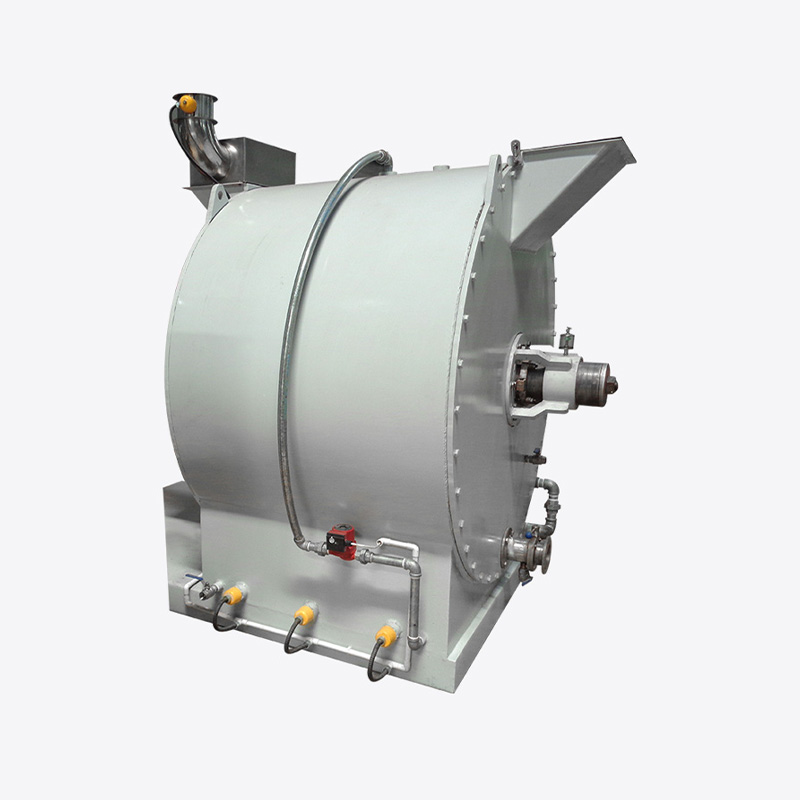
At its core, the machine relies on motion inside a sealed chamber. The ingredients are moved, worked, and refined as the material circulates with the grinding media. The action is not dramatic to watch, but the effect is important. Over time, the mixture becomes finer and more uniform, which is exactly what producers want at that stage.
The process is sensitive to how the batch is loaded. Too much material at once can reduce the effect of the movement. Too little can leave the chamber underused. A steady approach usually brings more predictable results. That does not mean every batch must be handled in exactly the same way forever. It does mean that changes should be made with care and observation, not guesswork.
Temperature is another part of the picture. Chocolate can behave differently when it is too warm or too cool, and the machine needs to work within those limits. If the room runs hot or the batch stays in the chamber too long, the final texture may change in ways that are not useful. A good setup keeps that under control without making the operation complicated for the team.
Noise, vibration, and cleanability also play a role in how the machine feels to use. Production spaces are rarely empty or quiet. People need to move around the equipment, check the batch, clean surfaces, and make small adjustments. A machine that fits the rhythm of the room makes those tasks easier.
Why ingredient consistency still matters
Even a well-set machine cannot fix every issue in the mix. Raw materials still matter a great deal. The sugar content, cocoa content, moisture level, and fat balance all influence how the material behaves during processing. If one input changes, the result may change with it.
That is one reason experienced operators pay attention to the ingredients before they even start the run. A batch with slightly different moisture behavior may need a different handling approach. A mixture that feels heavier or more delicate may not react in the same way as the previous run. These changes are normal in real production, but they need observation.
Environmental conditions can also have a quiet effect. A room that is too humid or too warm may change the way the material responds inside the chamber. Dust control matters too. Not because every space must be spotless in a laboratory sense, but because clean working conditions help keep the operation more stable and easier to manage. When the environment is under control, the equipment usually behaves in a more predictable way.
How placement changes the daily workflow
Where the machine sits in the production area affects more than convenience. It affects workflow, safety, and how much effort the team needs to spend moving around the room. A machine placed too close to another station may make loading or cleaning awkward. One placed too far from the rest of the line may create extra steps that slow down the work.
That is why layout matters. Operators need room to load ingredients, check the batch, and clean the surrounding area without bumping into other equipment. If the space is tight, those small movements become part of every shift. Over time, that can make the job feel heavier than it needs to be.
Electrical access is another practical point. A machine that is too far from the right power source may require more planning than necessary. Ventilation matters too, especially in rooms where heat buildup can affect both comfort and the material being processed. A sensible position helps the team work more comfortably while also supporting steadier operation.
Cleanout access should not be overlooked. A unit that is difficult to reach may not get cleaned as thoroughly as it should. That can affect both the machine and the product. A layout that leaves space for inspection and maintenance usually pays off later, even if it takes a little longer to plan at the beginning.
What a good supplier relationship can change
The machine may do the refining, but the people behind it still matter. A Chocolate Ball Mill Manufacturer can shape the way the equipment fits into production long before the first batch runs through it. That includes advice on setup, guidance on handling, and support when questions come up later. A useful supplier relationship is often less about sales language and more about practical follow-through.
When a machine is matched to the actual work environment, the production line tends to feel more manageable. The operator knows what the unit is meant to do, how it should be cleaned, and where the common wear points may appear. If parts need replacing or adjustments become necessary, the right support can make the process more straightforward.
That kind of relationship also matters when a business grows or changes. A room that once handled smaller batches may later need a different arrangement. A team may want to improve workflow or reduce cleaning time. Having a supplier who understands the process makes those changes easier to plan.
A Chocolate Ball Mill Manufacturer with hands-on experience in food processing often notices details that a general equipment seller may miss. That can make a real difference when the goal is steady production rather than a one-time purchase.
Small habits that help the process stay steady
A lot of production issues do not begin with major faults. They begin with small habits that slowly create variation. Loading too fast, cleaning too late, or ignoring an unusual sound can all affect the next batch. That is why regular routine matters so much.
Cleaning should be part of the rhythm rather than an afterthought. Chocolate residue left inside the chamber can harden and affect the next run. A careful clean after each use helps keep the process more predictable. It also makes the machine easier to inspect, which can reveal early signs of wear before they become larger concerns.
Operators also benefit from paying attention to sound and movement. A machine that begins to sound different may be trying to signal that something needs attention. That does not always mean a serious problem is developing. Sometimes it is just a sign that a check is due. Catching those changes early is usually simpler than waiting for a bigger interruption.
Temperature and batch timing matter too. A refined mass that stays in the chamber too long may not behave the same way as one that moves through at the right pace. That is why many teams prefer a steady, familiar method rather than frequent changes. Consistency makes troubleshooting easier.
Why production teams care about texture so much
Texture is one of the first things people notice in finished chocolate, even if they do not talk about it in technical terms. If the product feels uneven, the experience changes. If it feels smooth and balanced, the result is more comfortable for the end user. That is a direct link between the refining stage and the final impression.
The process also affects how the product behaves later in the line. A batch that has been refined well tends to move more predictably through the next steps. That can help the rest of the workflow feel calmer and more manageable. In a busy production space, that kind of predictability matters more than many people realize.
This is one reason people continue to refine the way they use a Chocolate Ball Mill rather than treating it as a fixed, unchanging tool. Small adjustments to loading, timing, or cleaning can make the work feel smoother without requiring a full change in the operation.
How routine inspections prevent avoidable slowdowns
Every machine wears over time. That is normal. What matters is how often the wear is noticed. Regular checks give operators a chance to see whether the grinding media still looks balanced, whether the chamber still behaves the way it should, and whether the moving parts are still working smoothly.
Inspections do not need to be complicated. A visual review, a check for unusual vibration, and a look at the overall condition of the unit can already tell a lot. If something has changed, it is usually better to respond early. A small correction now can prevent a longer pause later.
The same idea applies to cleaning tools, seals, and surrounding surfaces. If everything in the room is left until the last minute, the work tends to feel heavier. A regular routine keeps the system more manageable and helps the team spend less time reacting to avoidable issues.
Where the machine fits in a modern production space
Production rooms vary a great deal. Some are narrow and compact. Some are designed with more open movement in mind. In either case, the refining unit has to fit without forcing the rest of the work to become awkward. That is where practical planning becomes valuable.
A good setup makes loading and unloading easier. It also makes inspection less troublesome. If the area around the machine is well planned, the team can spend less time moving around obstacles and more time focusing on the batch. That may sound ordinary, but ordinary efficiency is often what keeps a production room stable.
The surrounding equipment matters as well. The refining stage should sit in a place where it can connect naturally with the rest of the workflow. If the path from one station to another is too long or too cluttered, delays can build up quietly. A sensible arrangement keeps the work moving without asking the team to work harder than necessary.
Why the right equipment partner matters over time
The choice of equipment is only part of the story. A Chocolate Ball Mill Manufacturer can affect how well the machine continues to serve the business after installation. Support, replacement parts, and practical advice all help the machine stay useful over time.
That matters because production is not static. Ingredient sourcing changes. Demand changes. Workspaces get rearranged. A machine that seems ideal at the start still has to perform once the real routine begins. If the supplier understands that reality, the relationship becomes more useful.
Producers often value a partner who can answer practical questions without making the process feel more complicated than it needs to be. That is especially true in food production, where downtime can affect schedules and waste can become costly. Good support does not need to be dramatic. It just needs to be useful when needed.
A steady chocolate line depends on more than one part working well. Ingredients matter. Cleanliness matters. Layout matters. Operator habits matter. And the refining unit itself has to do its job in a way that fits the rest of the room.
When a Chocolate Ball Mill is set up with care, maintained with routine attention, and supported by a thoughtful production layout, it becomes much easier to keep the process calm and repeatable. When a Chocolate Ball Mill Manufacturer understands the needs of the space and the way the equipment will be used, that support carries over into everyday production.
The result is not about dramatic promises. It is about a process that feels workable, stable, and ready for regular use. In chocolate production, that kind of reliability is often what people care about most.
In many plants, the same logic applies from the first batch to the last. The refining unit needs to match the space, the team needs to know how to care for it, and the supplier needs to understand what the operation is trying to do. When those pieces line up, the work becomes easier to manage and the final product tends to follow a more consistent path.
For producers who want a practical setup rather than a complicated one, the focus usually stays on fit, routine, and support. That is where the real value sits. A well-chosen system does not need attention every minute. It simply keeps working in the background, batch after batch, while the rest of the line moves forward.