

 English
 Español


Chocolate couverture is chocolate with extra cocoa butter added so it can be tempered, poured thin, and set with a clean snap. The name comes from the French word for “covering,” and that is still the clearest clue to its job: couverture is designed to cover pralines, moulded shells, biscuits, and other centres with a glossy, even layer. It is not simply “better chocolate” in every situation. It is a fat-rich chocolate with a specific processing window, and it rewards anyone who controls that window.
In the European Union, the term has a measurable benchmark. Dark couverture must contain at least 35% total dry cocoa solids, including at least 31% cocoa butter and at least 2.5% dry non-fat cocoa solids. Milk and white couverture have separate solids rules, but the high cocoa butter level remains the practical marker. Outside the EU, including in the United States, “couverture” is not a standardized legal category, so the back-of-pack specification matters more than the word on the front.
Content
What Makes Chocolate Couverture Different?
The short answer is the fat phase. Couverture relies on cocoa butter for its flow, snap, and melt. Compound chocolate, by contrast, usually replaces part or all of the cocoa butter with vegetable fats, often lauric cocoa butter substitutes or non-lauric coating fats. That change makes compound chocolate easier to handle without tempering, but it also changes the eating experience and the production controls required.
| Feature | Couverture | Compound chocolate |
|---|---|---|
| Fat phase | Cocoa butter dominant | Vegetable fats or cocoa butter substitutes common |
| Tempering | Required for shine and snap | Often not required, depending on the fat system |
| Texture and melt | Clean melt and thin coating | Can feel waxy or slower to melt, depending on the fat |
| Typical production use | Enrobing, moulding, ganache, decorations | High-volume coatings and bakery applications with limited tempering control |
| Label check | Cocoa butter percentage and total cocoa solids | Fat type, coating performance, and tempering instructions |
This difference matters most when a product depends on appearance and mouthfeel. A tempered couverture coating can be thin enough to show the shape of a praline without pooling at the edges. A compound coating can be more forgiving in a warm workshop, but it may taste less clean and may not deliver the same snap.
Why Cocoa Butter Content Changes Everything
Cocoa butter is polymorphic. It can crystallize in several forms, and the form that gives good shine, contraction, and snap is the stable beta crystal, often described as Form V. Tempering is the controlled heating and cooling routine that encourages that crystal form. Without it, couverture may set with a dull surface, soft texture, streaks, or fat bloom. With it, the chocolate contracts slightly as it sets, which helps it release from moulds and hold a clean gloss.
Higher cocoa butter also changes flow. A couverture with more fat can feel more fluid at the same working temperature, but the window for tempering becomes narrower. Overheat it and the crystal structure is lost. Under-temper it and the coating may drag, streak, or stick. That is why a tempering curve should be matched to the specific chocolate, not copied from a different recipe. Dark, milk, and white couverture behave differently because their cocoa solids, milk solids, and fat ratios differ.
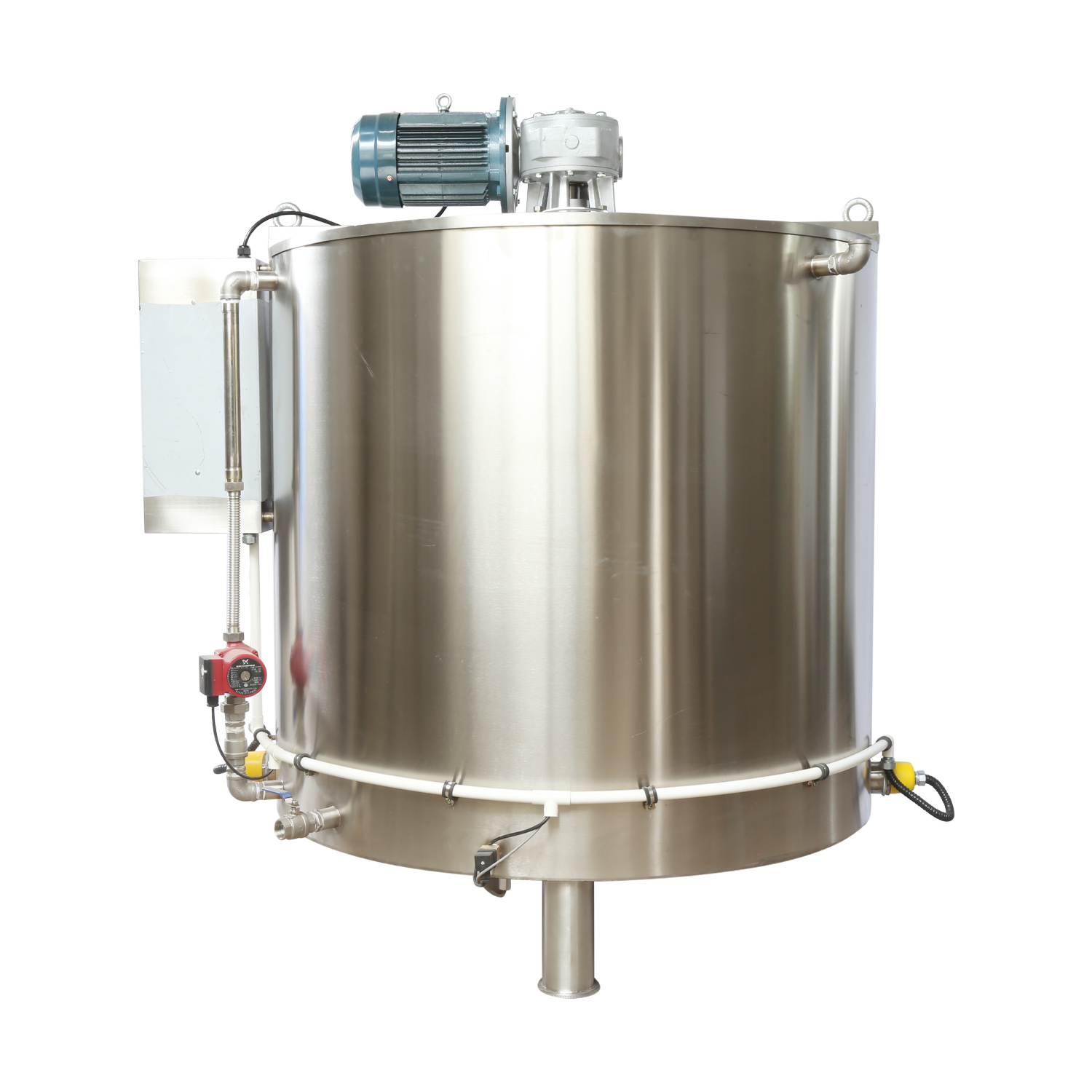
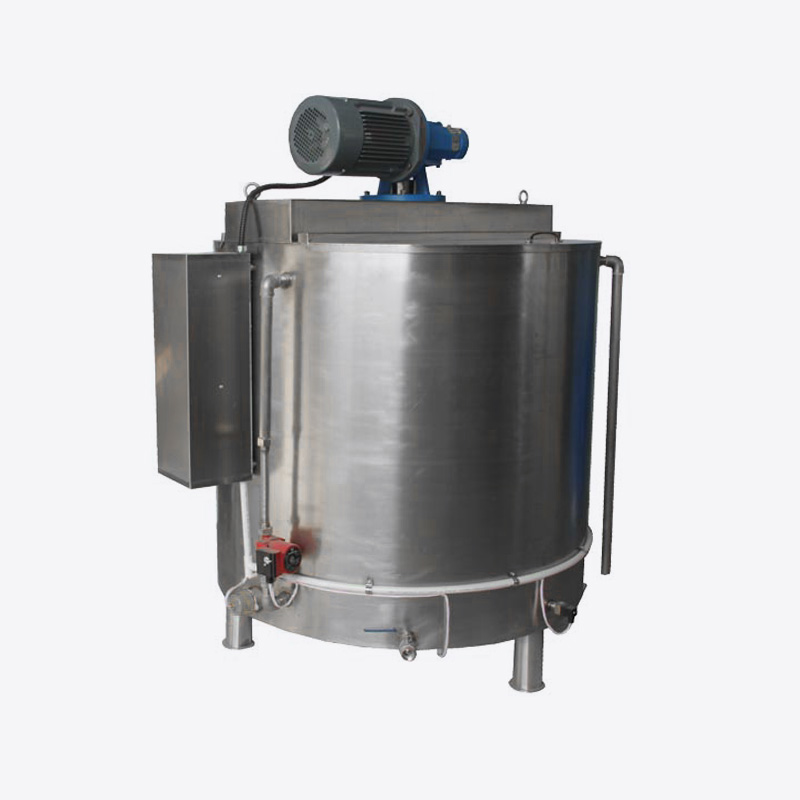
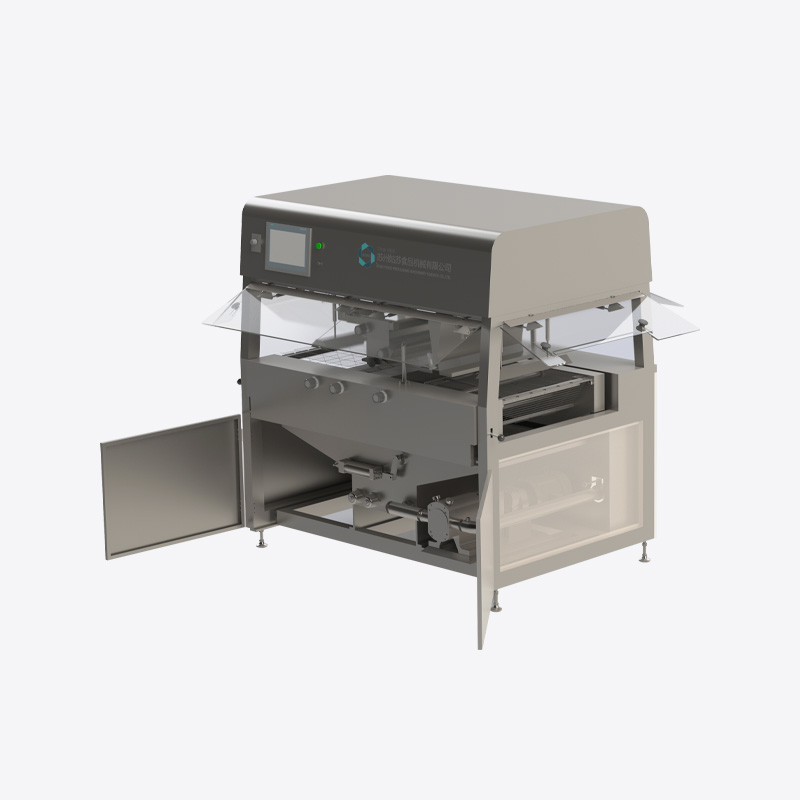
 Gusu Stainless Steel Automatic Chocolate Tempering MachineA stainless steel automatic tempering machine with controlled heating and cooling for repeatable chocolate crystal formation; match settings to the couverture curve.View Product →
On a production line, tempering is a temperature-control problem with quality consequences. The machine must hold the chocolate in a stable working state while the line runs, not just hit a temperature once. A stainless steel automatic tempering machine with controlled heating and cooling gives operators a repeatable starting point, but the setting still has to be verified against the chocolate supplier’s curve and the product being coated.
How Couverture Is Made
Couverture is not defined by one machine, but the process usually moves through mixing, refining, conching, tempering, and forming or coating. Refining reduces particle size, which affects smoothness. Conching develops flavour and reduces volatile off-notes while improving texture. Tempering builds the crystal structure. Each step has a different quality target, and a weak step cannot be hidden by a good tempering machine.
Refining and Conching
Refining targets are often expressed in microns. Many couverture recipes aim for a fine, smooth mouthfeel, commonly in the range of 18 to 25 microns, although the right figure depends on the recipe and the intended use. Conching time and temperature affect how sharp or rounded the cocoa notes taste. For a couverture used in ganache, a slightly different flavour profile may be desirable than for a thin enrobing chocolate, because the fat and sugar balance changes how the chocolate releases in the mouth.
A more detailed couverture production guide can help map the steps from cocoa mass to finished chocolate, but the core principle is simple: match each process step to the final coating or moulding job.
 Stainless Steel Chocolate Conche Refiner JMJ SeriesStainless steel conche refiner for medium- to large-scale chocolate production; JMJ models span 20 L to 3000 L and 20–25 μm fineness.View Product →
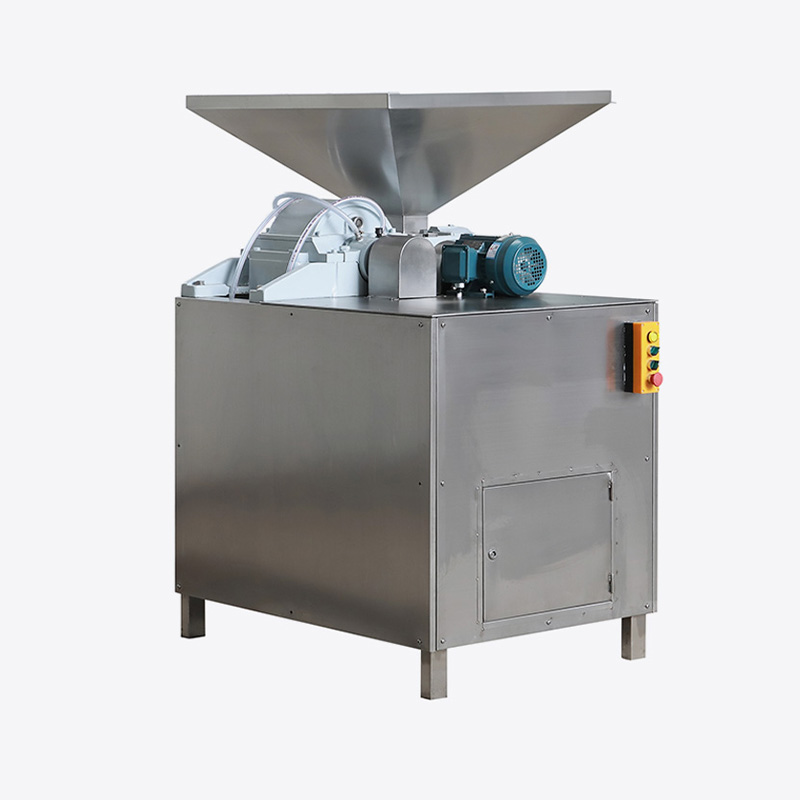
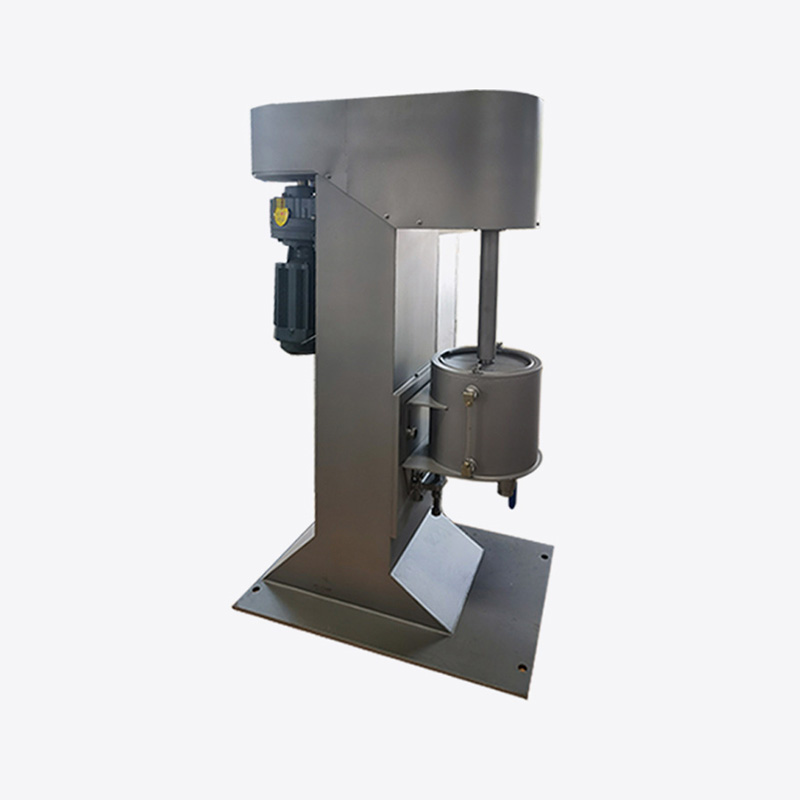
For factories, the refiner and conche are where texture and flavour are set. A stainless steel chocolate conche refiner can handle the long residence times needed for fine chocolate, but capacity, agitator design, and temperature control should be matched to the recipe. Small batches and continuous lines do not need the same machine geometry.
Where Couverture Is Used
Couverture earns its place in applications where a thin, glossy shell and a clean melt are part of the product promise. Common uses include:
- Enrobing pralines, truffles, biscuits, nuts, and ice-cream pieces with a thin chocolate shell.
- Moulding bonbons and bars where sharp detail and contraction from the mould matter.
- Making ganache and fillings where cocoa butter contributes body and melt.
- Decorating desserts with piped lines, curls, and transfer sheets.
- Baking and pastry work where a high-fat chocolate is needed for a specific texture or finish.
Enrobing is a good example of why specification matters. A couverture for small centres needs enough fluidity to drain cleanly and avoid a thick foot, while a couverture for large moulded items may need a higher yield value to control shell thickness. Two chocolates can both be called couverture and still behave very differently on the same line.
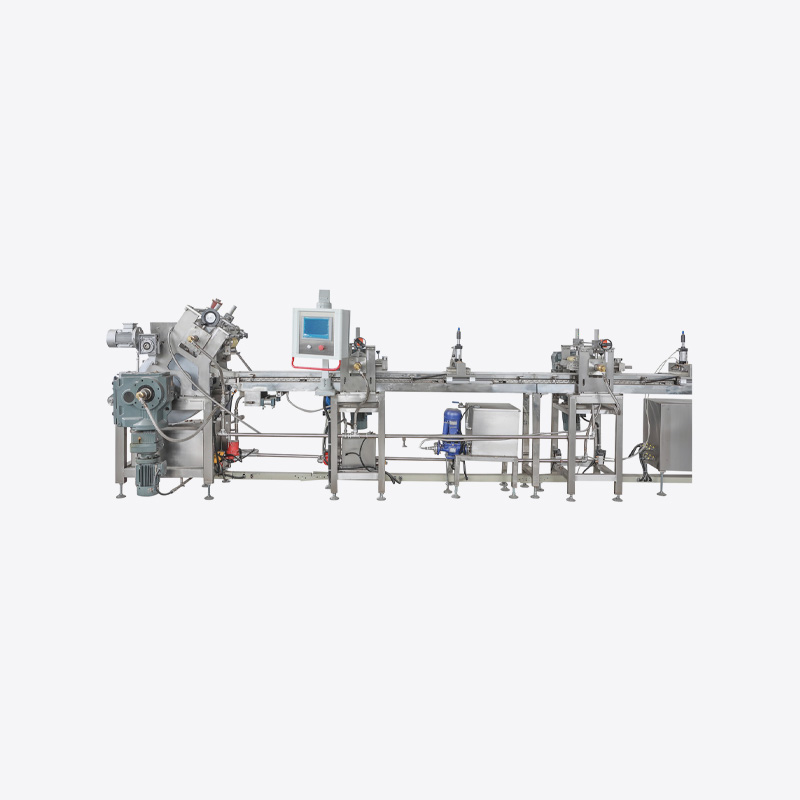
 GUSU TYJ Automatic Chocolate Enrober with Cooling TunnelAutomatic enrober and integrated cooling tunnel for repeatable coating of biscuits, candies, and bars, with belt widths from 400 to 1200 mm.View Product →
An automatic chocolate enrober with a cooling tunnel brings the coating step into a repeatable flow: tempering, curtain, blowing, and cooling. The equipment does not fix a poorly matched chocolate, but it makes a well-matched chocolate easier to run consistently.
What to Check Before Buying Couverture
Buying couverture by brand name alone is risky. The specification should answer the questions that affect your process. Use the following checklist as a starting point:
- Cocoa butter percentage and total dry cocoa solids, especially for dark, milk, and white couverture.
- Fat system and added fats, if any; confirm that the product is cocoa-butter-based couverture, not a compound coating.
- Viscosity and yield value at working temperature, because these determine coating thickness and moulding behaviour.
- Particle size and intended mouthfeel, particularly for ganache, moulded shells, and thin coatings.
- Recommended tempering curve and working range, plus evidence that the supplier can repeat the specification from batch to batch.
- Packaging, storage temperature, shelf life, and bloom risk during transport.
Price per kilogram is only part of the cost. A couverture that needs more tempering attention, generates more rework, or produces thicker coatings than intended can cost more in production than a slightly higher-priced chocolate with a tighter specification. Ask for samples and run them on your own line before committing to a large order.
Practical Limits and Misunderstandings
Couverture is not automatically the right choice for every product. Its high cocoa butter content makes it more heat-sensitive and usually more expensive than compound chocolate. It needs tempering, controlled storage, and a team that understands crystal structure. In a hot climate or a low-control environment, a compound coating may be the more practical answer.
Another misunderstanding is that a higher cocoa percentage always means better couverture. Cocoa percentage tells you how much of the product comes from cocoa solids and cocoa butter combined; it does not tell you the cocoa butter level, the milk content, the particle size, or the tempering behaviour. White couverture, for example, contains no cocoa solids at all and depends on cocoa butter, milk solids, and sugar for its character. Read the full specification, not just the front label.
Used well, couverture is a functional ingredient with a clear job: it covers, moulds, and melts with a precision that ordinary chocolate cannot match. The key is to treat it as a fat-based system with a process window, then match the chocolate, tempering curve, and downstream equipment as one decision.