

 English
 Español

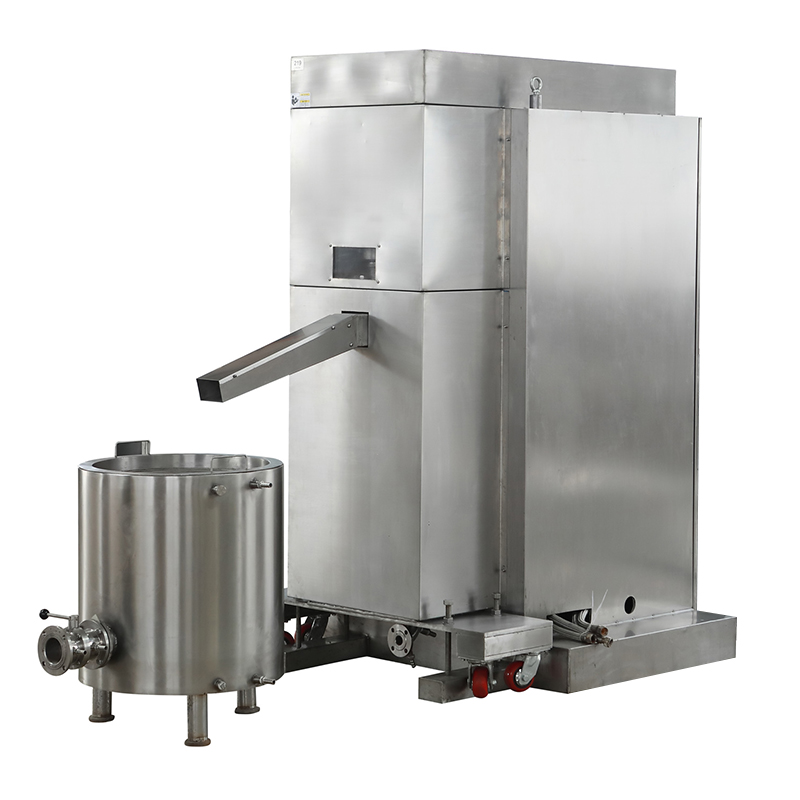
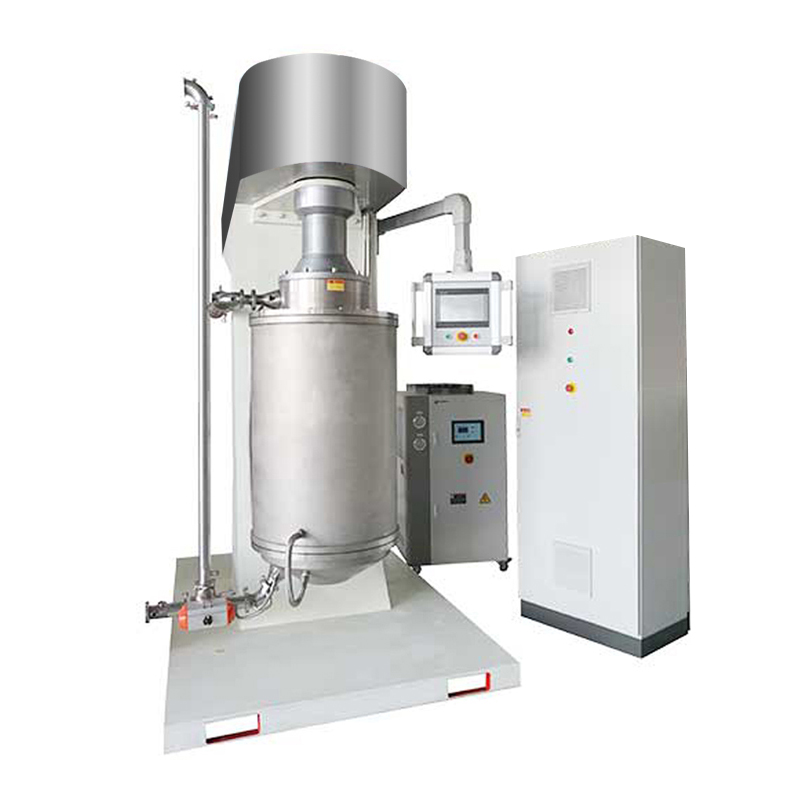
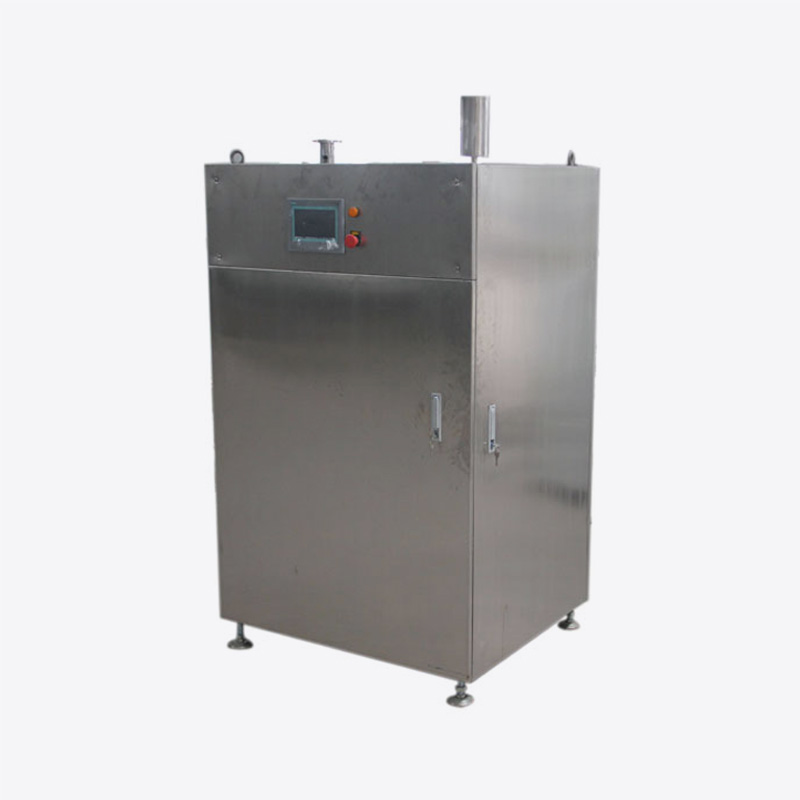
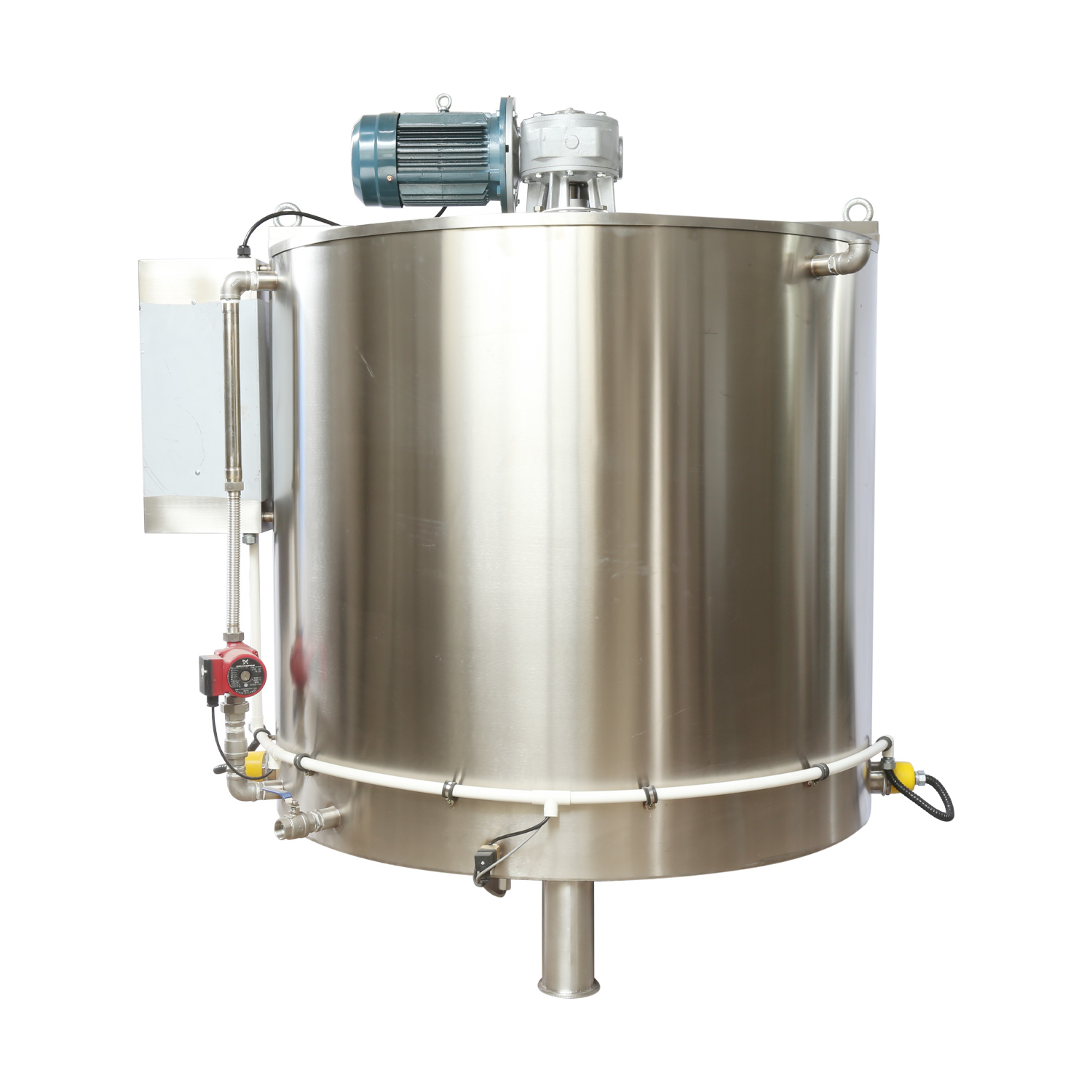
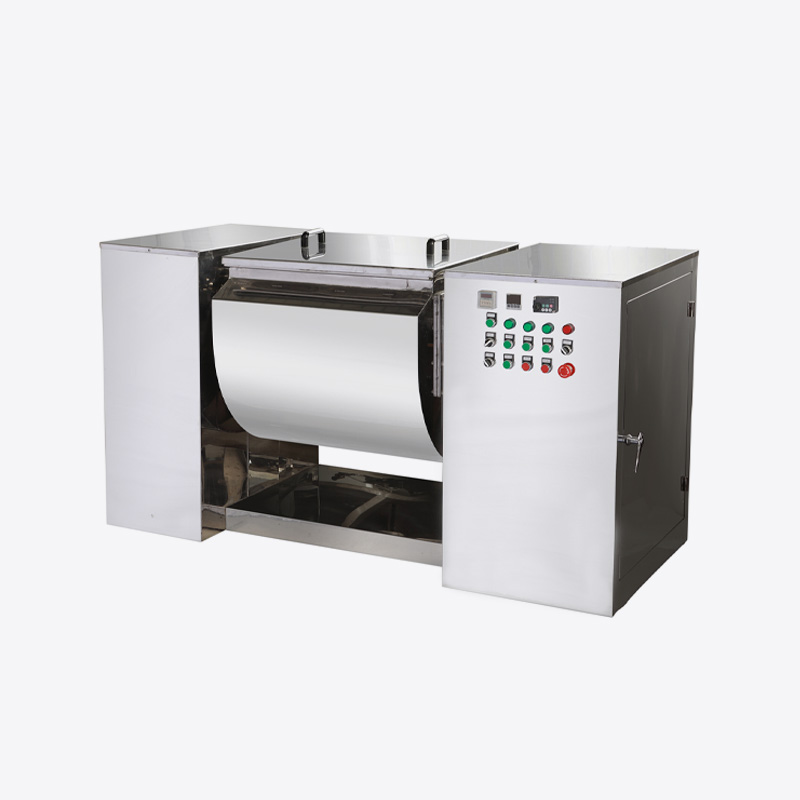
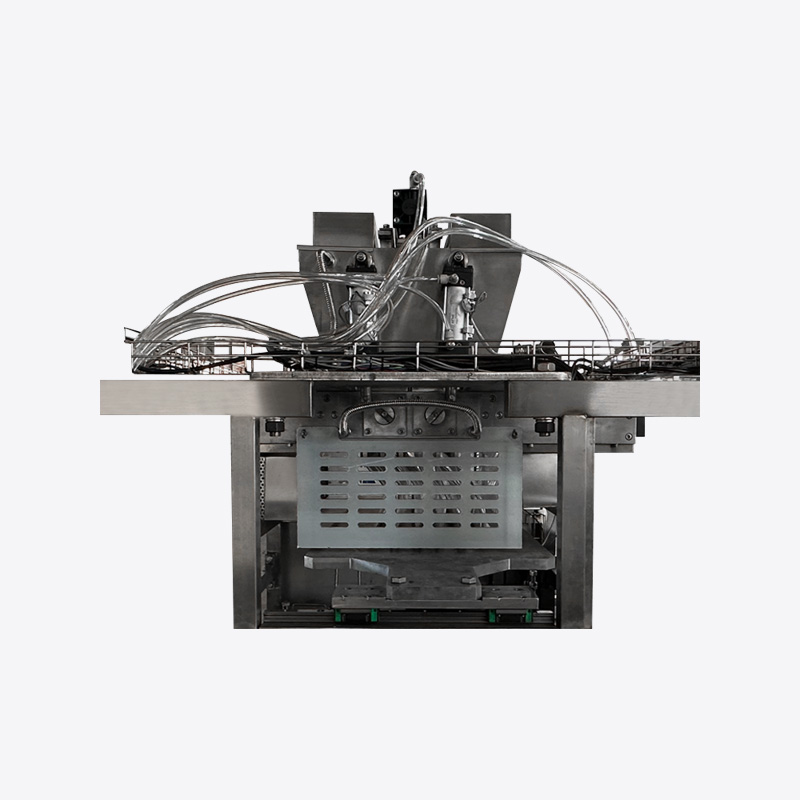
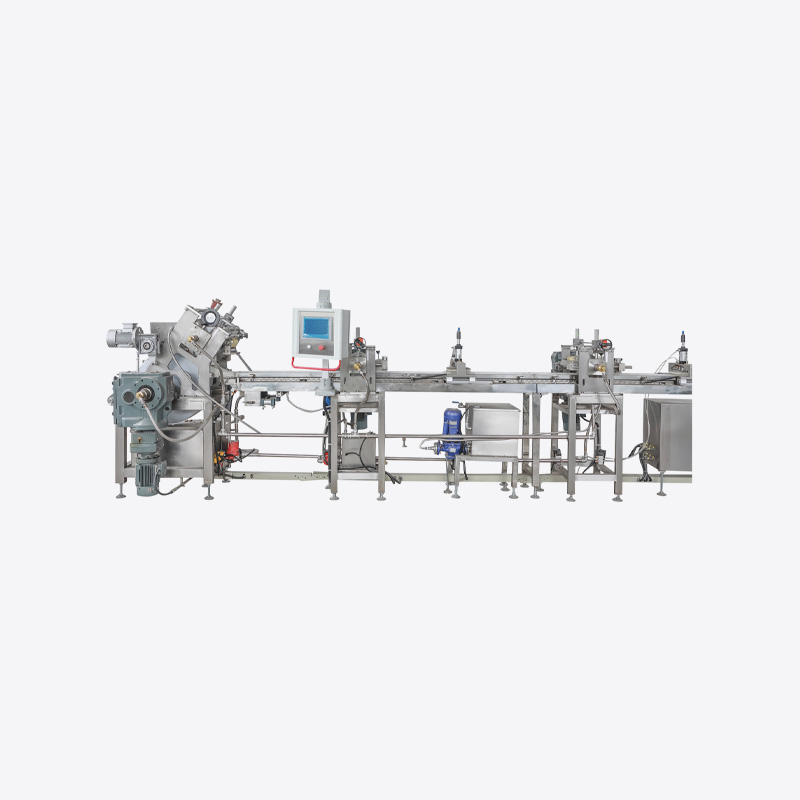
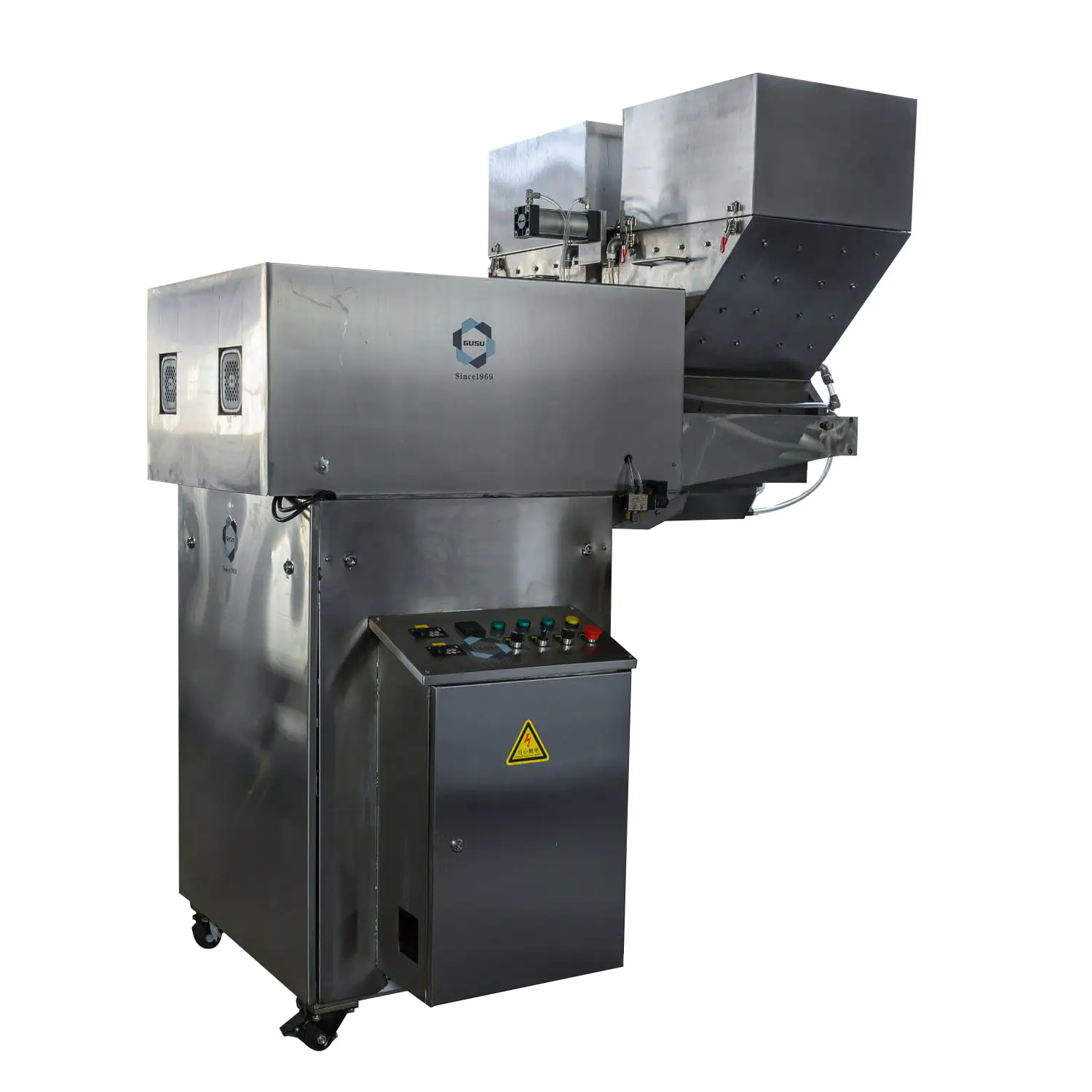
Walking down a grocery aisle and picking up a protein bar without ever wondering how it got its shape is completely normal — most people just want a snack that fits in a gym bag or a work desk drawer. Behind that neat, evenly shaped bar sits a piece of equipment doing quiet, repetitive work all day long: the Protein Bar Extruder. Understanding how this machine actually functions, where it fits into a snack production line, and what keeps it running smoothly helps explain why so many bars on the shelf look and feel remarkably consistent from one package to the next.
Content
- 1 What Does a Protein Bar Extruder Actually Do?
- 2 How Does the Process Actually Work Step by Step?
- 3 Where Else Does This Kind of Equipment Get Used?
- 4 What Should a Manufacturer Actually Think About Before Buying One?
- 5 Why Does Ingredient Preparation Matter So Much Before the Machine Even Starts?
- 6 What Does Ongoing Maintenance Actually Involve?
- 7 What Tends to Go Wrong During Regular Production?
- 8 How Does This Equipment Fit Into Where Snack Production Is Heading?
What Does a Protein Bar Extruder Actually Do?
A Protein Bar Extruder takes a prepared mixture of ingredients and pushes it through a forming section, turning loose material into a continuous shape that can later be cut into individual bars.
Instead of someone standing at a counter manually pressing each bar into shape, the equipment handles that work in a steady, repeatable way. This matters a great deal once a company moves past making a small batch in a test kitchen and starts producing enough bars to stock shelves across multiple stores.
Protein bar mixtures rarely behave like a single simple paste. Some ingredients stay soft and pliable, while nuts, seeds, or grain pieces add texture that doesn't flow the same way through a machine. The extruder needs to move all of this together without letting the mixture separate or lose its intended structure along the way.
How Does the Process Actually Work Step by Step?
The working process starts well before the mixture ever touches the extruder itself.
Ingredients get combined into a workable mixture first, then that mixture enters the feeding area of the machine. From there, the equipment moves the material forward into a forming section, where steady pressure and controlled movement shape it into a continuous strip.
If the mixture doesn't flow evenly through this stage, the resulting product can end up with noticeable differences in thickness or texture from one bar to the next. This is part of why operators pay close attention during forming rather than treating it as a step that runs itself.
Once shaped, the continuous strip moves toward cutting equipment, where it gets divided into individual bars ready for packaging.
| Production Stage | What Happens Here |
|---|---|
| Ingredient mixing | Raw materials get combined into a workable batch |
| Feeding | Mixture enters the extruder's intake section |
| Forming | Pressure and movement shape a continuous strip |
| Cutting | The strip gets divided into individual bars |
| Packaging prep | Cut bars move toward wrapping and storage |
Each of these stages depends on the one before it. A batch that wasn't mixed evenly at the start tends to cause noticeable trouble further down the line, even if the extruder itself is working exactly as intended.
Where Else Does This Kind of Equipment Get Used?
Protein bars aren't the only product that relies on extrusion, and companies that invest in this kind of equipment often find it useful across several product lines rather than just one.
Energy Bars and On-the-Go Snacks
Plenty of energy-focused snacks share a similar production approach, since they rely on combining dense ingredients into a portable shape that holds together during travel, hiking, or a quick break between meetings.
Cereal-Based Bars
Grain mixtures often need a controlled forming process to keep pieces from crumbling apart before packaging. Extrusion helps keep this kind of product structurally consistent from batch to batch.
Functional Nutrition Snacks
Products built around specific added ingredients, like fiber blends or added vitamins, sometimes need gentler handling during forming so those ingredients don't break down or separate unevenly.
New Recipe Development
Food companies testing new flavor combinations or texture ideas often rely on flexible extrusion setups that let them experiment with smaller runs before committing to full-scale production.
Companies producing several of these product types at once tend to look for equipment that adapts across formats rather than buying separate machines for every single product line.
What Should a Manufacturer Actually Think About Before Buying One?
Picking equipment based purely on price or general appearance tends to backfire once daily production actually starts.
What Kind of Product Is Actually Being Made?
A soft, chewy bar behaves very differently inside a forming section than a bar packed with crunchy add-ins. A company mainly producing softer bars might need different settings and components than one focused on crunchier, grain-heavy products.
What Does Daily Production Actually Look Like?
A small specialty bakery producing a limited range of bars a few days a week has very different needs than a larger facility running multiple shifts across several product lines. Thinking honestly about current volume, and where the business expects to be in a couple of years, helps avoid buying equipment that's either underpowered or unnecessarily complex.
How Easy Is It to Actually Operate Day to Day?
Workers running the machine every shift benefit from controls that make sense without requiring a manual open on the counter at all times. Equipment that's straightforward to adjust, clean, and monitor tends to cause fewer slowdowns during a normal production day.
What Does Ongoing Maintenance Actually Require?
Some equipment needs specialized parts that take weeks to order from overseas. Others use more commonly available components that a local supplier can provide quickly. Asking about this ahead of time saves a lot of frustration later.
How Does It Fit Into the Existing Production Space?
A machine that works well in isolation can still cause problems if it doesn't connect smoothly with existing mixing or packaging equipment already in place. Walking through the physical layout of a facility before purchasing tends to reveal practical issues that a spec sheet alone won't show.
Why Does Ingredient Preparation Matter So Much Before the Machine Even Starts?
The extrusion process doesn't begin the moment ingredients touch the machine — it really begins during mixing, well before anything reaches the feeding area.
A mixture that's combined evenly moves through forming without much drama. A mixture with uneven distribution, where nuts or grain clusters bunch together in one section of the batch, tends to create bars that look and feel inconsistent once they're cut and packaged.
Moisture content plays a role here too. A mixture that's too dry can resist moving smoothly through the forming section, while one that's too soft or wet might not hold its shape properly once cut. Getting this balance right during preparation tends to prevent a long list of downstream headaches that would otherwise show up during forming or cutting.
This is really why experienced production teams treat mixing as seriously as they treat the extrusion step itself. The machine can only work with what it's given.
What Does Ongoing Maintenance Actually Involve?
Food equipment maintenance carries a bit more weight than maintaining a regular piece of factory machinery, simply because everything touching the mixture eventually touches something someone will eat.
Cleaning tends to be the daily habit that matters most here. Leftover material sitting in feeding areas or forming sections after a shift ends can dry out, harden, and interfere with the next batch if it isn't cleared away properly.
A short routine check after each production run tends to catch small issues early:
- Moving parts operating smoothly without unusual resistance
- Surfaces that contact food staying visibly clean between batches
- Any unusual sounds or vibrations during a normal run
- Removable components that might need replacing soon
Storing removable parts properly between uses, rather than leaving them sitting around loose, also helps avoid unnecessary wear or contamination risk.
None of this maintenance work is particularly complicated on its own. It just needs to happen consistently rather than getting skipped during a busy week.
What Tends to Go Wrong During Regular Production?
Even well-maintained equipment runs into occasional hiccups, and recognizing common patterns helps operators respond quickly rather than guessing at causes.
Inconsistent bar shaping is a frequent one. This often traces back to a change somewhere upstream — a slightly different batch of nuts, a shift in room temperature affecting ingredient texture, or a mixing step that ran a little short that day.
Material flow issues show up when the mixture doesn't move through the forming section as smoothly as usual. Sometimes this points to an ingredient ratio that's off, and sometimes it points to a component inside the machine that needs cleaning or adjustment.
Cleaning gaps can also cause trouble over time, particularly in tight spaces inside the machine that are easy to overlook during a quick end-of-shift wipe-down.
Workers who've spent real time running a specific machine tend to notice these shifts faster than someone new to the equipment, simply because they've built a sense of what "normal" sounds and feels like during operation.
How Does This Equipment Fit Into Where Snack Production Is Heading?
Snack preferences keep shifting, and companies keep experimenting with new ingredient combinations, textures, and formats to keep up with what people actually want to buy. A flexible extrusion setup gives manufacturers room to test new recipes without committing an entire production line to a single product idea. This matters for a smaller company trying to launch a new bar flavor without overhauling its entire setup, and it matters just as much for a larger company running several product lines simultaneously. As new ingredient trends continue showing up — different protein sources, added functional ingredients, alternative sweeteners — production equipment needs to keep pace with whatever a recipe team dreams up next. Getting familiar with how a Protein Bar Extruder actually works, where it gets used across different snack categories, what to think through before buying one, and how to keep it running through daily maintenance gives manufacturers a much clearer picture of what a stable production line actually requires. None of this replaces good recipe development or careful ingredient sourcing, but it does explain why that bar sitting in a gym bag or a desk drawer looks so consistent, batch after batch, long after anyone stopped thinking about the machine that shaped it in the first place.