

 English
 Español

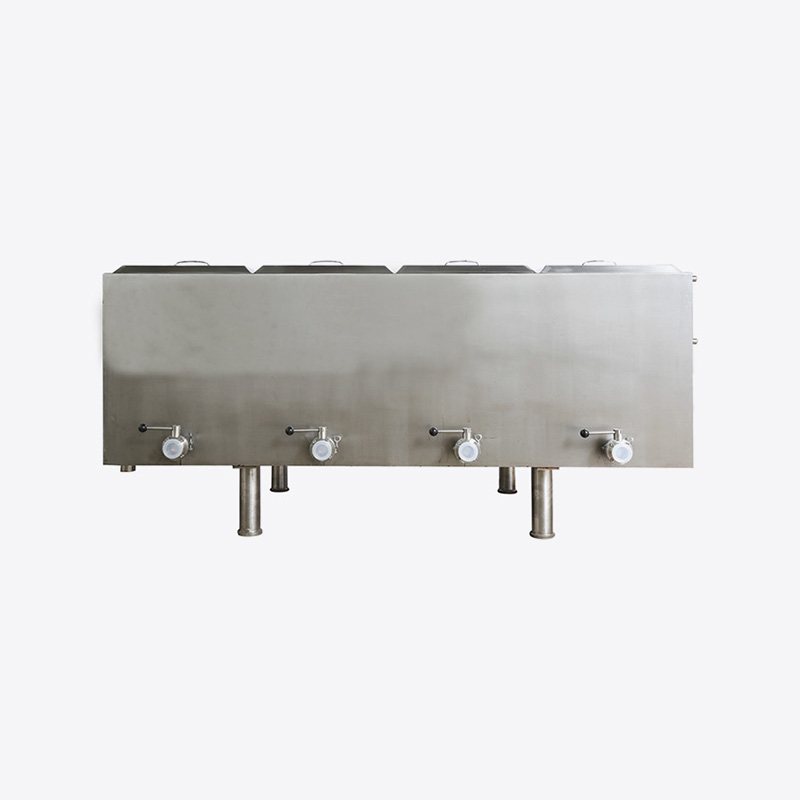
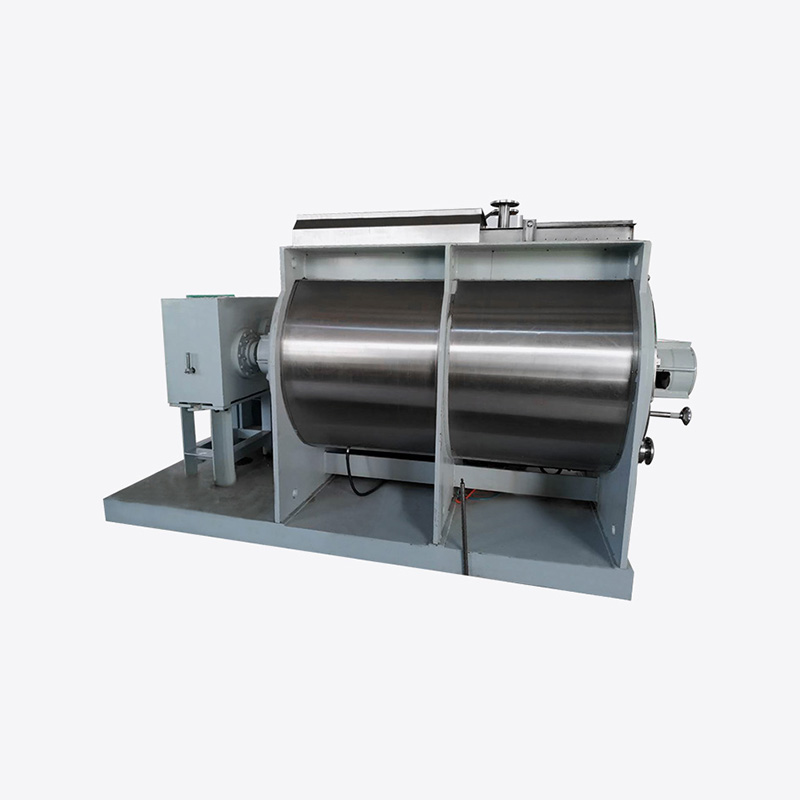
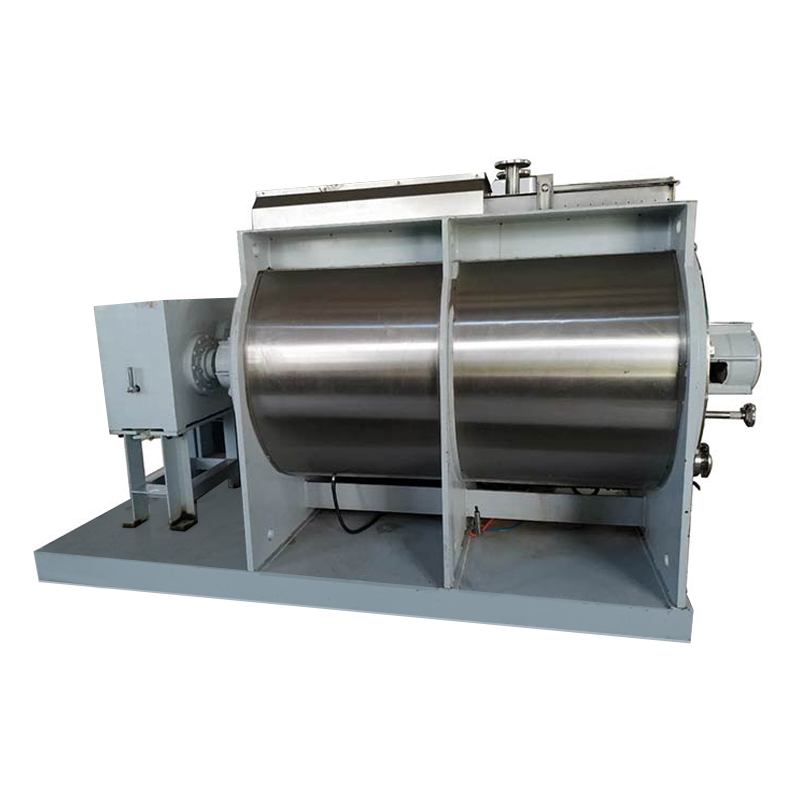
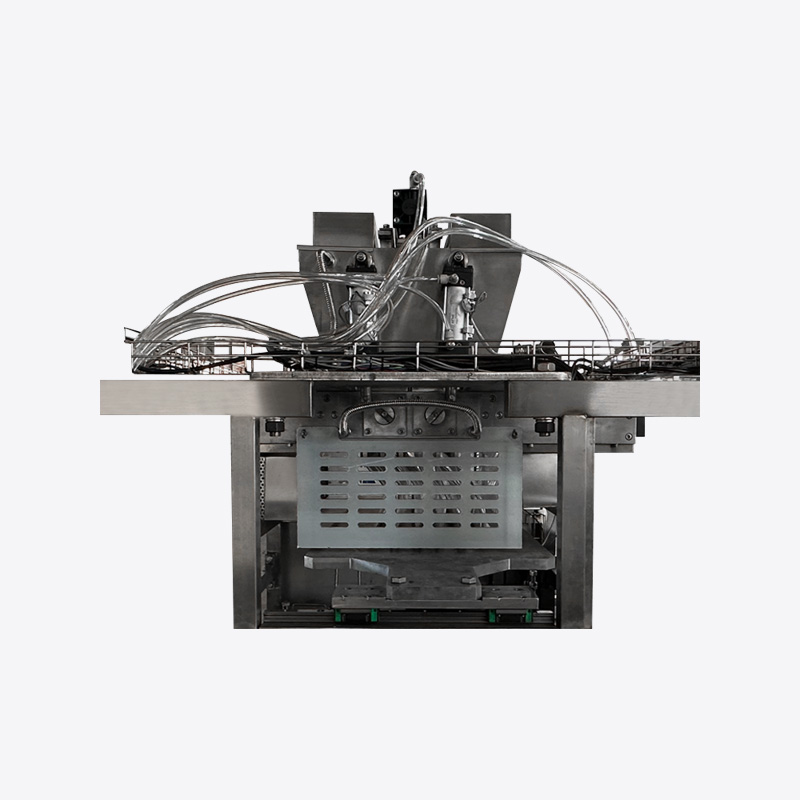
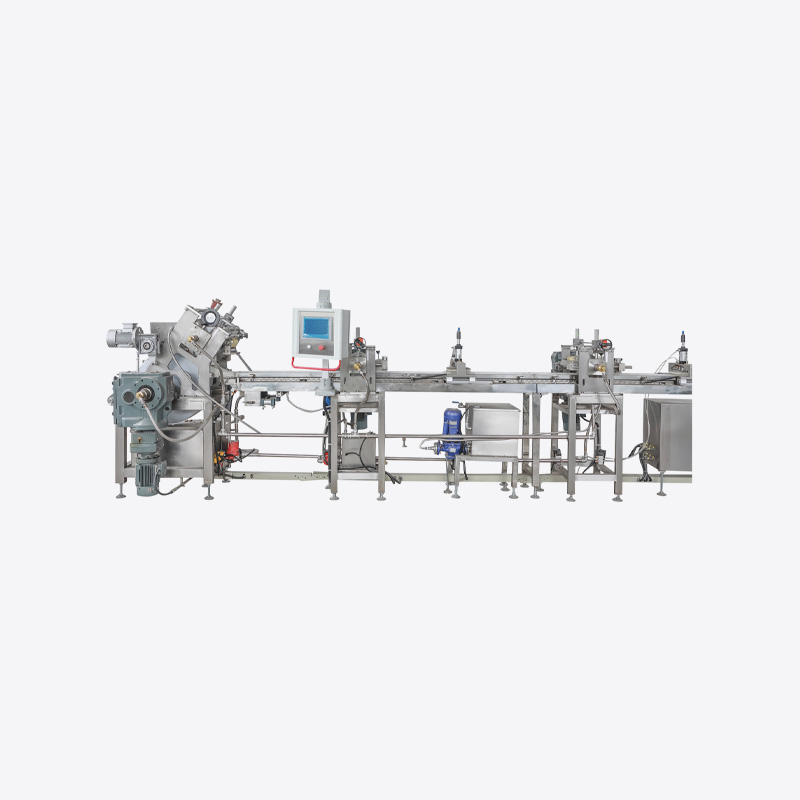
People want food that travels well — something you can toss in a bag and eat between meetings or after a workout without a second thought. Protein bars fill that gap for a lot of people, and behind every uniform, identical-looking bar is a production process that turns a raw mixture into something consistent, batch after batch. A Protein Bar Extrusion Line is the system that makes that happen — a connected set of equipment that takes prepared ingredients and forms them into bar shapes through a defined sequence of steps. It's not just about speed. It's what lets a manufacturer produce the same bar today that they produced last month, with the same texture and shape customers expect every time they buy one.
Content
- 1 Breaking Down What This Actually Is
- 2 Why Manufacturers Lean on Extrusion for This
- 3 How the Process Actually Flows
- 4 The Main Sections You'll Find on a Typical Line
- 5 What Else Can Run Through a Line Like This
- 6 Does Extrusion Actually Improve Consistency?
- 7 What to Think About Before Choosing a Line
- 8 Where Automation Fits Into All This
- 9 A Few Things That Make a Real Difference
- 10 Why Bothering to Understand All This Actually Matters
Breaking Down What This Actually Is
At its core, this is a chain of machines and processes built to turn a raw ingredient mix into a finished snack bar. It covers everything from prepping the mixture to shaping it and getting it ready for packaging.
Compared to doing this by hand, an extrusion line brings actual structure to the process — each stage has a clear job, and ingredients move through in a controlled, repeatable way rather than depending on however a given worker happens to do it that day.
The basic goals are pretty straightforward:
- Get the mixture ready
- Shape it into bars
- Keep the process consistent run after run
- Bring some real organization to the workflow
- Cut down on repetitive manual handling
That said, the machinery is only half the story. Good ingredients, a solid recipe, attentive operators, and real quality control all matter just as much as the equipment itself.
Why Manufacturers Lean on Extrusion for This
Protein bars need a pretty specific shape and texture, and getting that right consistently is harder than it looks. Extrusion earns its place here because it takes a prepared mixture and turns it into a finished shape that actually matches what customers expect on the shelf.
Consistent shape. Bars come out looking and feeling the same, which matters for packaging and for building customer trust — nobody wants a bar that's twice the size of the one they bought last week.
Room to adjust. Different recipes behave differently, and a good extrusion setup lets manufacturers tweak the process instead of being locked into one rigid method.
Less chaos on the floor. A connected process means less back-and-forth movement between stations, which tends to make the whole operation run smoother.
Easier planning. Once the stages are clearly laid out, it's a lot easier to plan ingredient orders, staffing, and packaging schedules around them.
None of this is really about squeezing out extra speed — it's about building something stable enough to run reliably, day after day.
How the Process Actually Flows
The exact setup varies from one manufacturer to the next, but the general sequence tends to look pretty similar across the board.
Getting ingredients ready. Everything starts with prepping ingredients according to the recipe — proteins, grains, nuts, sweeteners, whatever the formula calls for. Get this step wrong and everything downstream gets harder.
Mixing it all together. The prepped ingredients get combined into one even mixture. This step has a big say in the final texture and how easily the material moves through the rest of the line.
Extruding and shaping. The mixture heads into the extrusion section, where it gets pushed into a continuous shape — this is the step that actually gives the bar its form, all at once rather than piece by piece.
Cutting it into bars. That continuous strip gets sliced into individual bars, ready for whatever comes next.
Finishing up. Depending on the product, there might be a coating step, cooling, a quality check, or prep for packaging before it's done.
Every one of these stages feeds into the next — nothing here happens in isolation.
The Main Sections You'll Find on a Typical Line
A full setup usually breaks down into a handful of connected sections, each doing its own job:
| Section | What it handles |
|---|---|
| Ingredient prep | Getting materials ready before processing |
| Mixing | Blending everything into one consistent mixture |
| Extrusion | Shaping the mixture into a continuous form |
| Cutting | Dividing that shape into individual bars |
| Cooling/finishing | Prepping bars for whatever comes next |
| Packaging | Handling the finished product |
The exact layout shifts depending on the product and the factory itself — there's no single template every manufacturer follows.
What Else Can Run Through a Line Like This
Protein bars are the obvious use case, but the same basic approach works for a range of other snack formats too.
| Product type | What matters most |
|---|---|
| Protein snacks | Careful blending of ingredients |
| Nutrition bars | Getting texture and shape balanced |
| Energy-style snacks | Often a different recipe structure entirely |
| Grain-based bars | Handling the ingredients correctly |
| Functional food products | Depends heavily on the specific design goals |
That flexibility is a big part of why manufacturers developing new snack concepts keep coming back to extrusion-based setups.
Does Extrusion Actually Improve Consistency?
Consistency matters a lot here — customers expect a bar to look and taste the same every single time they buy it. A well-run extrusion line helps manage that on several fronts: the shape stays consistent, handling stays predictable, packaging goes smoothly, and the overall flow stays steady.
That said, the machine alone doesn't guarantee good results. Ingredient quality, how well the recipe is balanced, how the equipment's actually operated, and how tightly the whole process is managed all factor in. The line gives you the structure — it's still on the people running it to get the details right.
What to Think About Before Choosing a Line
Picking equipment here isn't just about comparing machines on paper — it's about how the whole thing fits your actual operation.
What are you actually making? Different products need different approaches, and a company juggling several snack varieties needs a setup flexible enough to handle that.
How does it fit your factory layout? How ingredients, processing, and packaging areas relate to each other has a real effect on day-to-day operations.
How much flexibility do you actually need? Recipes evolve and trends shift — a system that can adapt holds up a lot better over time than one locked into a single product.
How will you handle maintenance? Cleaning routines, regular inspection, and proper staff training all need a real plan, not an afterthought.
Where Automation Fits Into All This
Automation has reshaped a lot of food manufacturing, and protein bar production is no exception — connecting stages automatically cuts down on repetitive manual work and helps keep things moving smoothly.
It tends to help with:
- Keeping the overall flow more organized
- Making it easier to monitor each stage
- Tightening up coordination between steps
- Reducing repetitive manual tasks
But automation doesn't take people out of the equation. Operators still matter — they're managing the process, checking on product quality, and stepping in when something needs adjusting. The relationship between people and machines is still very much at the center of how this actually works.
A Few Things That Make a Real Difference
A line runs better when it's backed by solid planning and consistent management, not just good equipment.
Keep procedures clear. When operators actually understand each stage, day-to-day work gets a lot easier to organize.
Watch the ingredient prep closely. Quality here ripples through every stage that follows.
Stay on top of cleaning. Food production leaves no room to slack on hygiene — regular cleaning keeps the whole environment workable.
Revisit the workflow now and then. Needs shift over time, and periodically reviewing the process helps catch places where things could run better.
Why Bothering to Understand All This Actually Matters
Knowing how a Protein Bar Extrusion Line actually works helps manufacturers make sharper decisions — both about the products they're developing and how they plan production around them.
This isn't just a row of machines sitting next to each other. It's a connected system where each stage genuinely shapes the next — prep affects mixing, mixing affects shaping, shaping affects packaging, and packaging ultimately affects what the customer experiences when they open the wrapper. As demand for convenient, portable nutrition keeps growing, extrusion setups like this remain a core part of how manufacturers keep up — building consistent products, adapting to new formats, and responding to whatever the market wants next.