

 English
 Español


Refining brings the solid particles in chocolate mass down to a smaller size. Smaller particles give a smoother feel when the chocolate is tasted. If sizes jump around too much inside one batch, the texture can feel uneven. Grinding equipment plays a central part in reaching the texture needed for different chocolate products. Suitable refining machinery sits as an important piece of the whole processing flow.
Content
- 1 Why Particle Size Reduction Matters in Chocolate Making
- 2 How the Grinding Process Takes Place Inside a Vertical Unit
- 3 Factors That Influence How Effectively Chocolate Is Refined
- 4 How Refining Changes Perceived Texture in Finished Chocolate
- 5 Why Temperature Needs Attention During the Grinding Step
- 6 Practical Advantages of Stainless Steel Construction in Vertical Mills
- 7 Where a Chocolate Ball Mill Fits in the Wider Production Sequence
- 8 Points to Review Before Selecting a Vertical Chocolate Ball Mill
- 9 Selecting Suitable Vertical Equipment for Chocolate Refining Work
Why Particle Size Reduction Matters in Chocolate Making
Chocolate mass starts out with cocoa solids, sugar, and other ingredients that are still fairly coarse. Grinding breaks those particles down so they stop standing out on the tongue. Keeping the size more consistent from batch to batch supports a uniform texture. Equipment built for this step helps reach the smoothness expected in bars, coatings, or fillings.
How the Grinding Process Takes Place Inside a Vertical Unit
Grinding media move around inside the chamber while the machine runs. Collisions and the relative movement between the media and the chocolate mass break the particles into smaller pieces over time.
Chocolate mass circulates among the grinding media. That ongoing contact supports gradual size reduction. Suitable operating conditions help keep the process steady from the beginning of a batch to the end.
Continued grinding slowly lowers particle size. The final result depends on the formulation, the starting particle size, the equipment configuration, and the settings chosen for each run.
Factors That Influence How Effectively Chocolate Is Refined
Processing time affects how far particle size drops. Each formulation needs its own suitable duration rather than one fixed period used for every batch.
Grinding media specifications, how the media are loaded, and the machine settings all shape the grinding action. Changing any of these alters the rate and the uniformity of size reduction.
Fat content, ingredient composition, and overall viscosity influence how the chocolate mass moves through the chamber. Higher viscosity can slow circulation and change the contact between the media and the particles.
Mechanical energy from grinding can raise the temperature of the mass. Too much heat may alter viscosity and how the material behaves. Watching temperature according to the recipe and the equipment guidance helps keep conditions within acceptable limits.
| Factor | Influence on Refining | Practical Attention Point |
|---|---|---|
| Processing time | Longer time generally reduces size further | Adjust per formulation |
| Media and settings | Affect collision intensity and contact | Match to chocolate type |
| Viscosity of mass | Changes how material circulates | Watch fat content and composition |
| Temperature | Can alter flow and product behavior | Monitor during longer runs |
How Refining Changes Perceived Texture in Finished Chocolate
Particle size ties straight to the smooth feel of chocolate. When pieces stay too large they leave a rough edge on the tongue. The right fineness shifts with each recipe and with the end use of the chocolate. Checking the finished mass itself gives a better read than watching the clock alone.
Why Temperature Needs Attention During the Grinding Step
Grinding creates heat through simple mechanical work. As the mass warms, its thickness can shift and change how it moves through the chamber. Watching the temperature on longer runs helps catch unwanted changes early. Settings and daily procedures should stay within the limits given by the equipment maker.
Practical Advantages of Stainless Steel Construction in Vertical Mills
The metal that touches food matters. Confirming the stainless steel grade used on contact surfaces remains a basic step.
How the machine is built and how easy it is to reach the product-contact areas both affect cleaning. Sticking to the maker's cleaning steps keeps hygiene steady from batch to batch.
An upright layout can fit certain factory floors where space or workflow favors a vertical footprint. Floor area, access for operators, and how the unit slots into the line all need a look.
Where a Chocolate Ball Mill Fits in the Wider Production Sequence
Refining sits in the middle of the process. Ingredients are mixed first, then ground, then moved on to later shaping or further steps. Capacity and batch size have to line up with the equipment before and after so material does not pile up or run short. Recipe, production goals, and the time needed for refining all feed into planning the full line.
Points to Review Before Selecting a Vertical Chocolate Ball Mill
Capacity and batch size should match the volume expected each day. The unit needs to reach the fineness the products require. Stainless steel grade and the materials on contact parts should be checked. Power draw, cleaning steps, wear parts, and routine upkeep all add to running costs. Specs, operating notes, and any available test results round out the information needed for a decision.
Selecting Suitable Vertical Equipment for Chocolate Refining Work
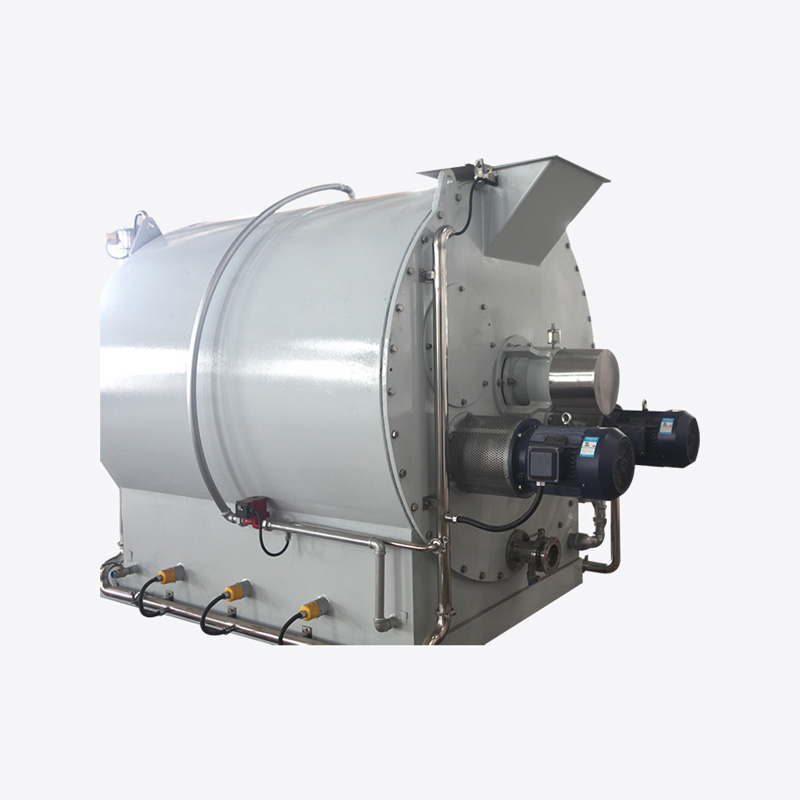
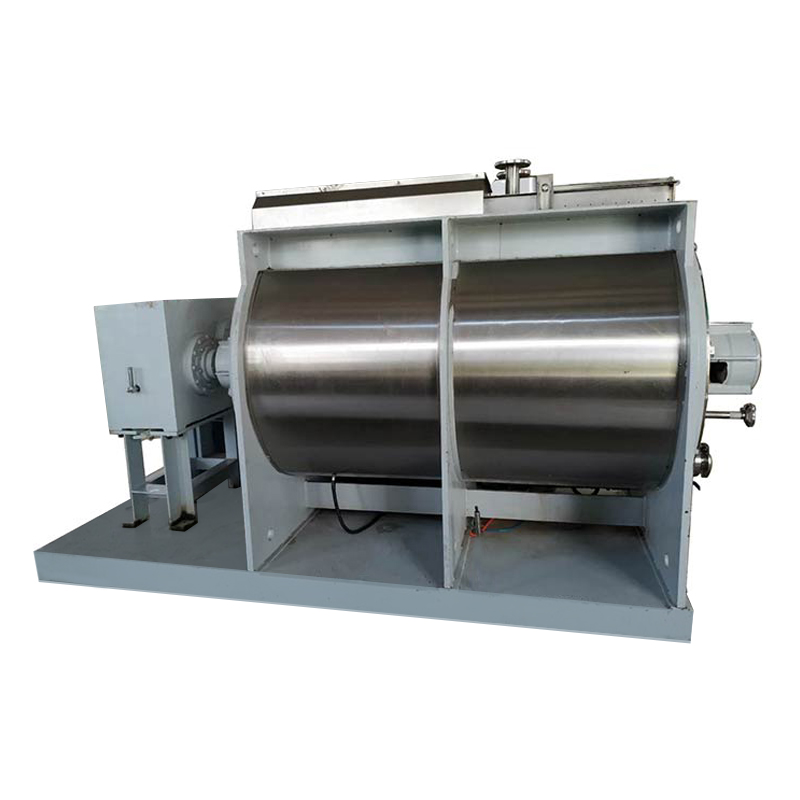
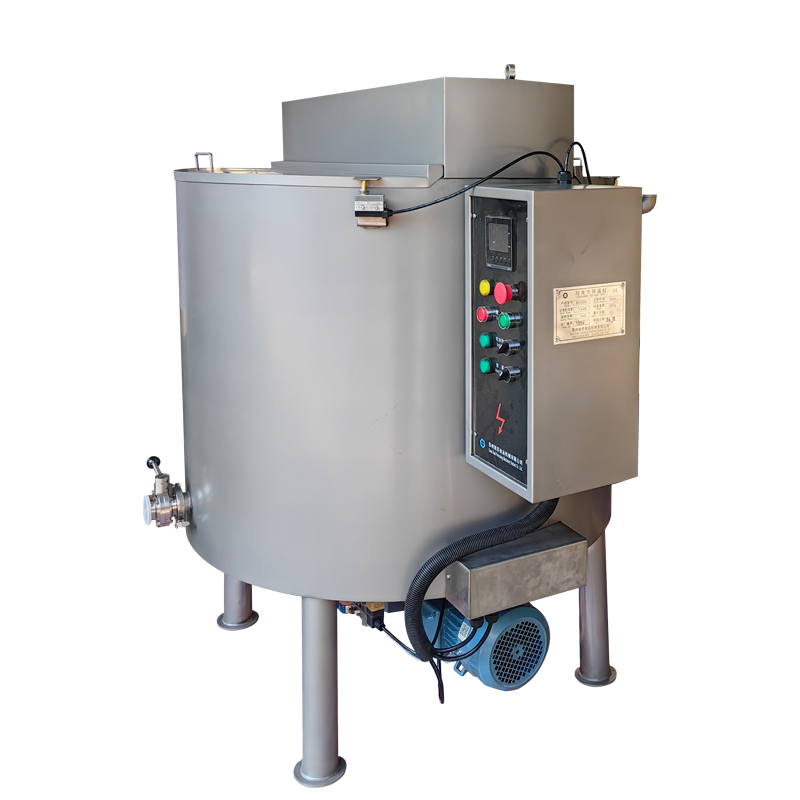
Grinding media, time, thickness of the mass, and temperature all shape how the chocolate is refined. The right machine depends on the texture wanted, the recipe, and the production needs of the plant. The GUSU Vertical Chocolate Ball Mill Stainless Steel Ball Mill Machine stands as one option when chocolate grinding equipment is under review. Looking over the product details and confirming process fit before buying supports a clearer choice. Gusu Food Processing Machinery Suzhou Co.,Ltd. supplies chocolate processing equipment for industrial production.