

 English
 Español

Content
- 1 Chocolate Chips Machine: What Food Producers Should Know
- 2 What to Consider When Buying a Chocolate Chips Machine
- 3 How Chocolate Chips Machines Handle Production Processes
- 4 Which Chocolate Chips Machine Types Suit Different Operations
- 5 Why Chocolate Chips Machines Play a Role in Food Manufacturing
- 6 Tips for Maintaining Chocolate Chips Machines Long Term
- 7 When to Review Chocolate Chips Machines During Facility Updates
Chocolate Chips Machine: What Food Producers Should Know
You step onto the factory floor and the warm chocolate smell hits you right away. Somewhere along the line that liquid is being turned into the small drops everyone recognizes in cookies, brownies, candy bars, and a dozen other products. The equipment handling that step isn't the flashiest thing in the plant, but it quietly keeps everything running the way it should. For food manufacturers, bakeries, and confectionery operations of all sizes, getting the right setup means steady output, fewer surprises during a shift, and chips that look and behave the way the recipe expects.
This article pulls together the real-world side of working with chocolate chip production equipment. It comes from the kinds of conversations I've had with people who actually run these lines—questions that pop up when they're choosing new machines, keeping them going day after day, or thinking about upgrades. We'll walk through what usually crosses people's minds during a purchase, how the process actually moves once it's installed, the different setups that fit various operations, why this equipment fits into the bigger manufacturing picture, some maintenance habits that actually stick, and the right time to take a fresh look when the facility is changing. The sections are laid out so you can read straight through or jump to whatever part matches what you're facing right now. A lot of producers tell me that spending time on these details helps the line stay reliable and keeps those unexpected stops from throwing the whole schedule off.
What to Consider When Buying a Chocolate Chips Machine
Buying usually starts with a straight look at your real production numbers. How much chocolate are you actually moving through on a typical day or week? The equipment has to line up with that volume so you're not forever pausing to top off hoppers or waiting for the next batch to catch up. A smaller bakery might be fine with something compact that handles shorter runs, while a bigger confectionery line needs something that keeps pace with the packaging end. Getting that balance sorted early saves a lot of tweaking later.
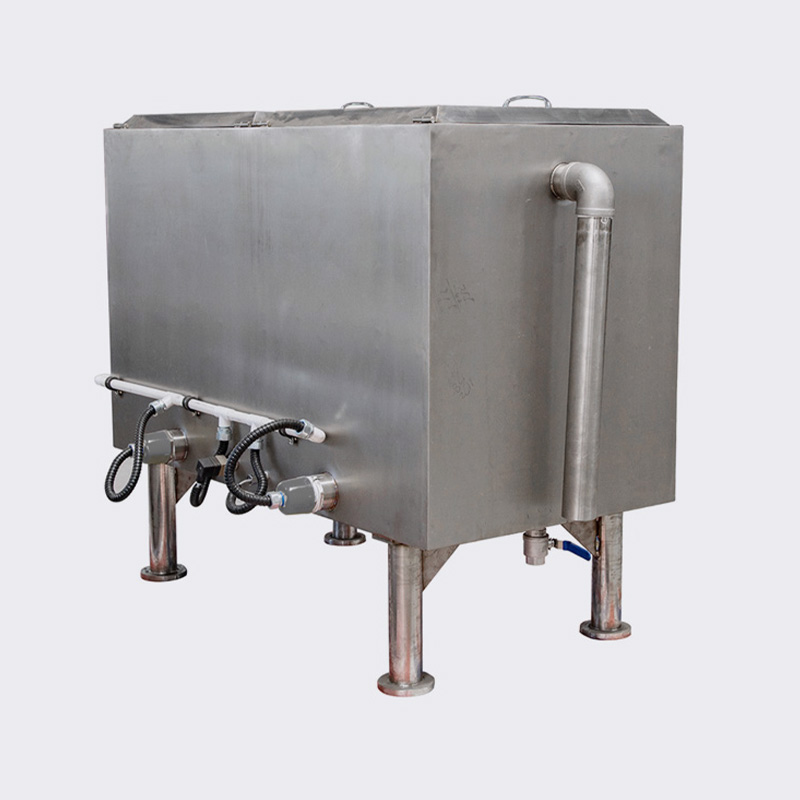
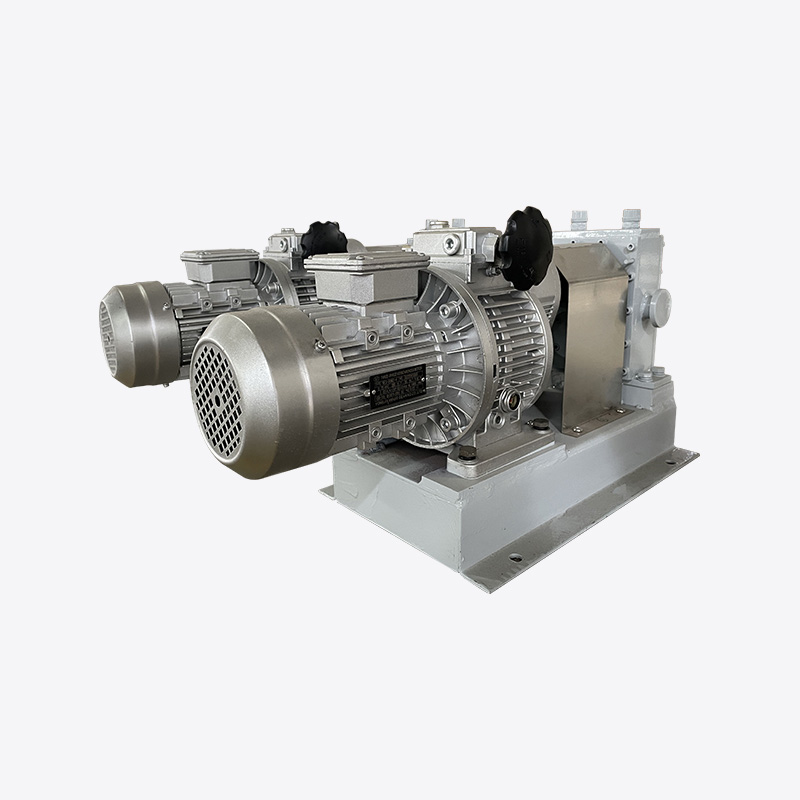
Materials come into it because every surface that touches the chocolate has to handle temperature swings and still meet food safety rules. Stainless steel shows up a lot in these areas since it deals with moisture and heat without adding extra headaches. Hoppers and forming sections sometimes use food-grade coatings or plastics that resist sticking, which makes the end-of-shift cleanup go faster. The point is to pick components that fit your sanitation routine and don't force you to replace parts every couple of months.
Energy use and how the controls feel also matter when shifts run long. Equipment that runs efficiently helps keep the utility bill from creeping up, especially if you have multiple lines going at once. Operators should be able to make adjustments without a steep learning curve so they can pay attention to the chocolate blend instead of fighting the machine. When you're looking at larger orders, delivery timing and the support after the sale become part of the talk. Buyers often want to know about lead times and what the minimum order looks like if they're expanding or refreshing a line.
Certification documents for food contact and safety give you something solid to check against your own compliance list. Suppliers usually hand that over right away so the review doesn't drag on. Shipping and packaging details can seem minor until something arrives with a dent or scratch. Proper protection during transit means the machine is ready to install instead of needing fixes on day one. Some producers also pass along basic notes on site prep, like floor space or simple utility connections, which can make the installation smoother than expected.
Running a trial with your actual chocolate recipe before you sign off on the full order gives you a real sense of how it performs. A short chat with the supplier can clear up small things, such as nozzle options that match the chip sizes you need. When you put all those pieces together, the decision ends up supporting the line instead of creating new headaches. That is why many food manufacturers turn to Chocolate Chips Machine suppliers when it's time to expand or refresh equipment.
How Chocolate Chips Machines Handle Production Processes
The equipment follows a pretty straightforward sequence that takes liquid chocolate and turns it into solid drops. It starts with the chocolate in melted form moving into the system. Temperature stays steady in that first zone so the mixture doesn't separate or get too thick unexpectedly. That early control sets up the rest of the flow so everything stays even as it keeps moving.
Temperature management across the line affects how the final chips look and how they act once they reach the recipe stage. Even small shifts can show up as uneven sizes or slight surface differences that matter when the product goes into dough or gets packaged. Operators usually keep an eye on those zones and make minor tweaks based on the chocolate blend running that day. The design supports steady movement, which helps maintain output during longer production windows without constant stops.
Which Chocolate Chips Machine Types Suit Different Operations
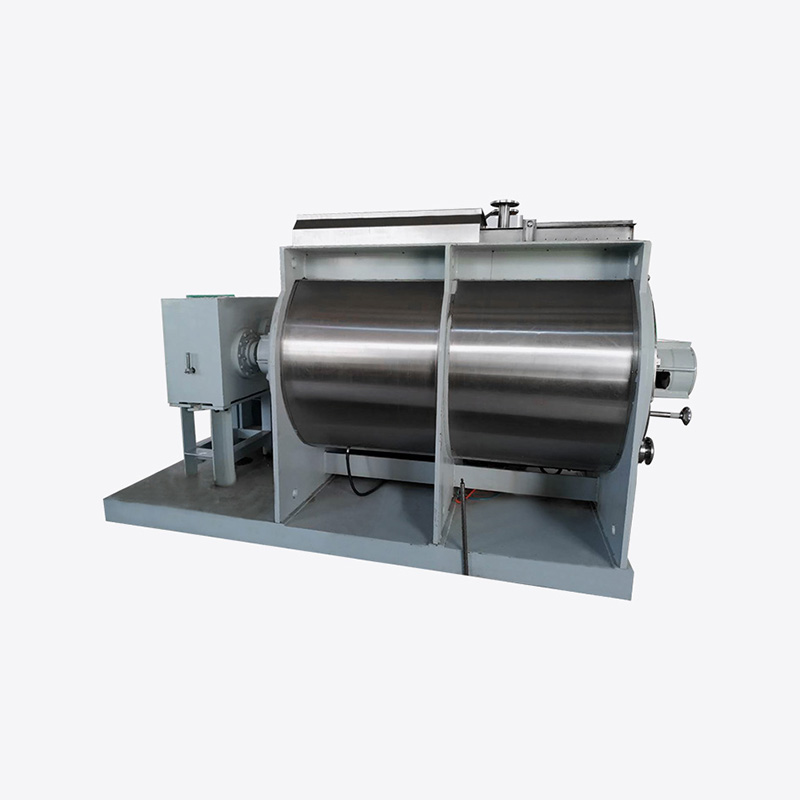
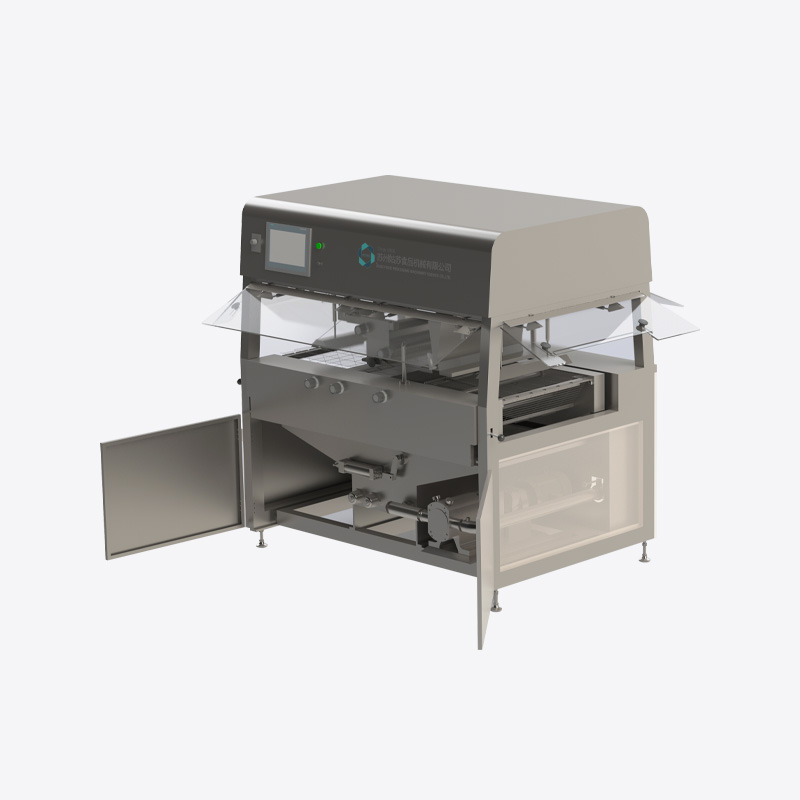
Different setups match different realities on the factory floor. Compact models work well for smaller facilities or test runs where space is tight and batches are shorter. These units handle one batch at a time and let you switch recipes quickly without tearing down half the line.
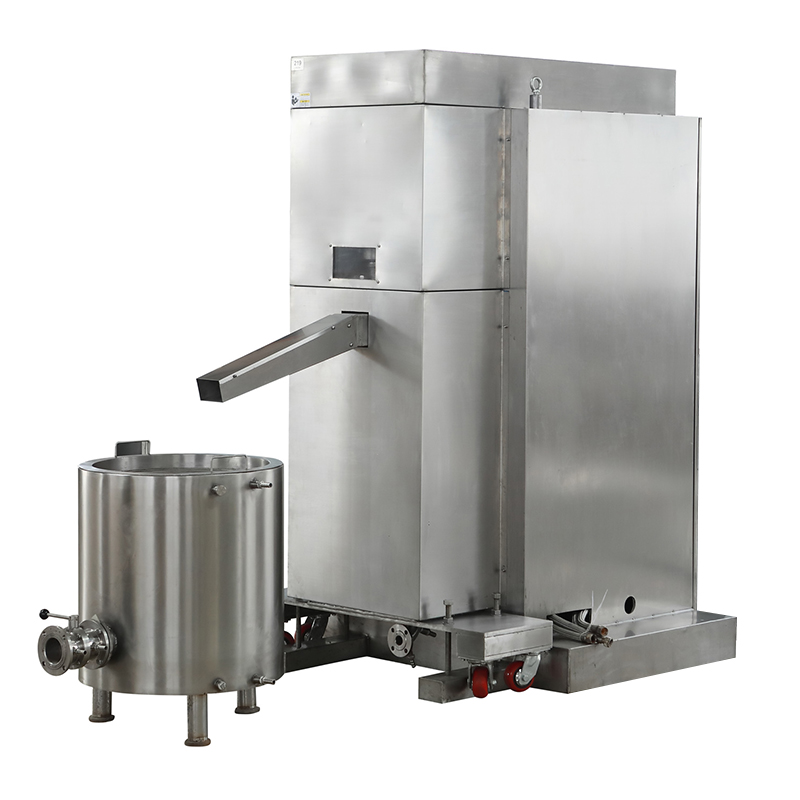
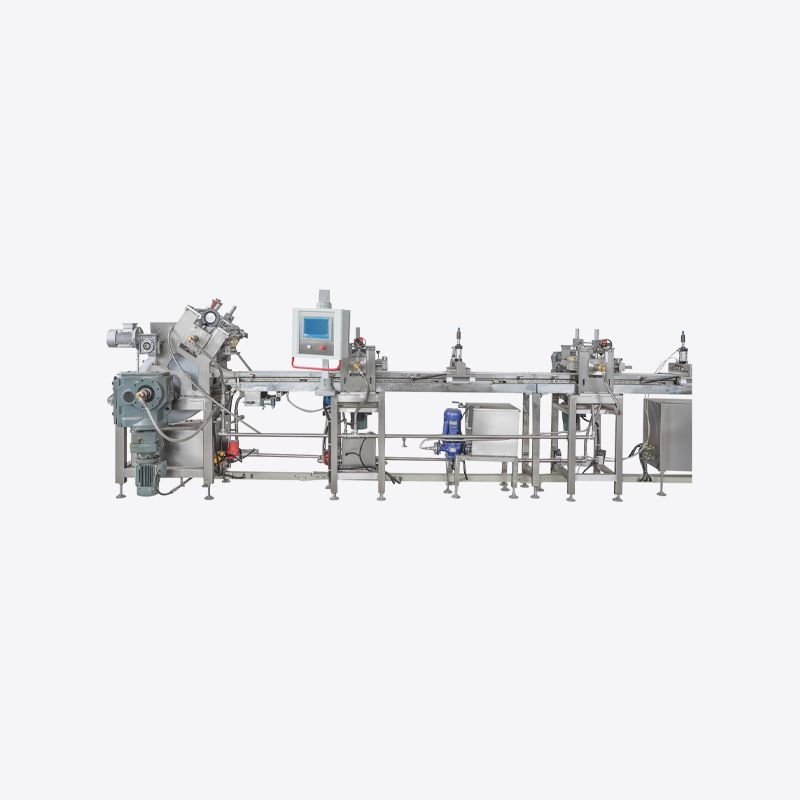
Continuous systems fit mid-size to larger operations that keep a steady pace going all day. Chocolate flows in without stopping, and the drops form on a belt that carries them through cooling sections. This arrangement supports higher volumes while keeping the chips looking consistent from the first drop to the last. The straight-line design fits facilities that have room to connect everything in sequence without crowding the workspace.
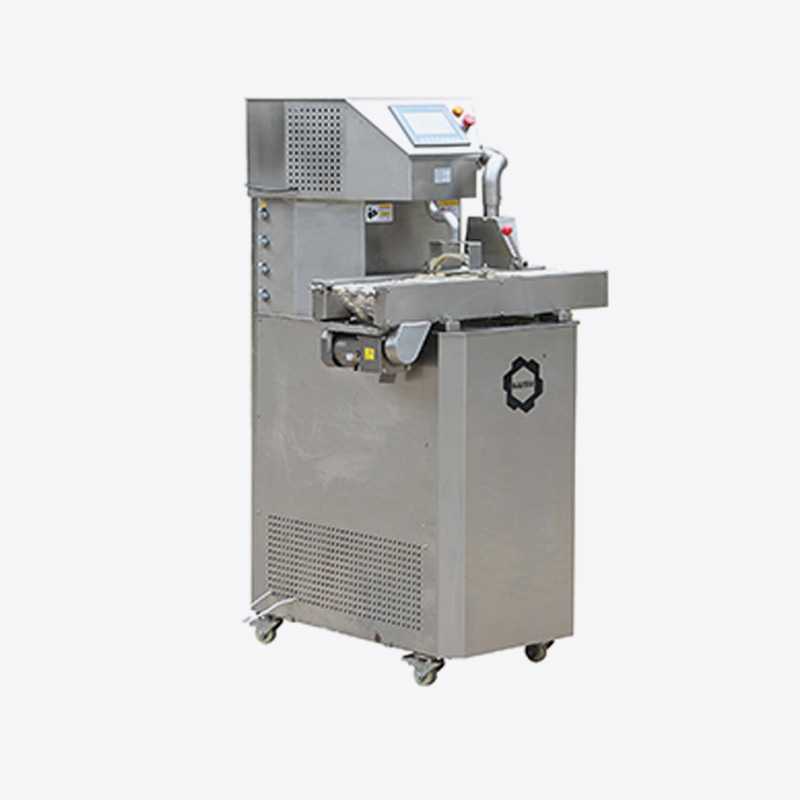
Automated versions reduce the amount of hands-on work the team has to do. Sensors keep an eye on levels and adjust flow so the line stays balanced even during long shifts. These often connect directly with packaging equipment for a smoother end-to-end process. The choice usually comes down to how many shifts you run, how many different products you make, and the floor space you have available right now.
Some configurations emphasize flexibility. Equipment that lets you swap forming tools quickly can produce various chip sizes without major stops.
Installation requirements differ by type. Smaller units might only need standard power and a level spot, while continuous lines require alignment with conveyors and cooling tunnels. Suppliers share basic space and utility information for each kind. For operations that switch between chocolate varieties, the ability to change setups without tearing everything apart can save real time on the schedule.
Design also considers how easy it is to reach parts for maintenance. Open frames or removable sections make daily routines simpler. Matching the type to your actual workflow helps the line stay efficient while meeting the product specs you need day after day.
Why Chocolate Chips Machines Play a Role in Food Manufacturing
These systems support consistency in a product category that shows up in all kinds of items on store shelves. Chocolate chips go into cookies, bars, coatings, and inclusions, and having them come out similar in size and shape matters for even mixing and reliable baking results every time.
In the overall flow, the equipment sits between melting and packaging. It turns liquid into solid form without breaking the rhythm of the rest of the line. That connection helps keep throughput steady and reduces temperature swings that could affect the final product quality.
Food manufacturers use the machines to handle different recipes without starting from scratch each time. Changes in fat content or added ingredients can alter how the chocolate moves, and the controls let you make small adjustments so the chips stay within the range you want.
The role also touches labor use. Forming by hand would limit how much you can produce and introduce more variation, while the machine takes care of the repetitive part at a steady pace. That frees up staff for quality checks, cleaning, and other tasks that need a human eye. In facilities that do private-label or contract work, the equipment helps meet volume promises with repeatable outcomes shift after shift.
Planning teams include these machines in layout reviews because placement affects material movement and sanitation zones. When positioned well, they support smooth flow for both product and cleaning crews. The contribution is practical: the equipment simply helps the line do what it's supposed to do without adding drama to the daily schedule.
Tips for Maintaining Chocolate Chips Machines Long Term
Keeping the equipment in good shape comes down to regular habits that fit into the daily schedule without slowing things down.
Cleaning follows the guidelines for food-contact parts. Mild solutions and soft tools wipe down accessible sections, then everything gets rinsed thoroughly. Removable pieces let you reach inside where residue can hide after a long run.
When to Review Chocolate Chips Machines During Facility Updates
Facility updates offer a natural moment to look at the equipment and decide if any changes are needed. Slower output, more irregular chips, or extra cleaning time can signal that the current setup no longer matches what the line requires. These signs often appear when other parts of the area are already being adjusted or replaced.
Coordinating the review with floor or utility work makes access easier. When the surrounding lines are open it is simpler to check connections and space for possible adjustments. This approach avoids separate shutdowns later that would cost extra time and money.
Teams compare current performance against production targets to see if small modifications would bring things back in line.
Decisions come from what you see on site and the scope of the update rather than a calendar date. Handling it during the project helps the production area stay functional and aligned with current needs for a good stretch of time.
Chocolate chip production equipment forms a practical piece of food manufacturing by turning melted chocolate into usable drops that fit into many recipes. The points covered here give a clear picture of buying considerations, process flow, type selection, role in the bigger operation, maintenance habits, and timing for reviews during updates.