

 English
 Español

Content
- 1 What Is a Chocolate Ball Mill and How It Improves Chocolate Processing Efficiency
- 2 How to Choose the Right Chocolate Ball Mill for Your Production Line
- 3 Why More Chocolate Manufacturers Use Chocolate Ball Mills for Fine Grinding
- 4 Which Factors Affect the Grinding Performance of a Chocolate Ball Mill
- 5 Practical Tips to Keep a Chocolate Ball Mill Running Longer
What Is a Chocolate Ball Mill and How It Improves Chocolate Processing Efficiency
If you work in a chocolate workshop, you already know that mouthfeel and process predictability matter more than flashy specifications. A chocolate ball mill is a common piece of equipment used to refine chocolate mass into a finer, more consistent texture. In practical terms, it helps the line run with fewer interruptions and makes downstream steps like tempering and coating easier to manage.
Plain description of how it works
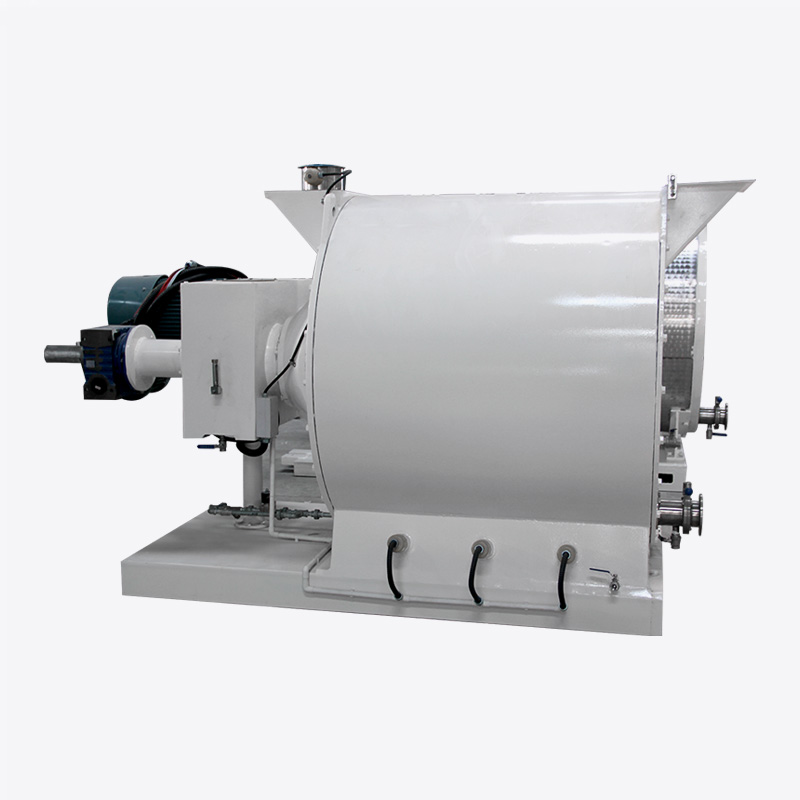
A ball mill is basically a rotating cylinder partly filled with grinding media and the chocolate mass. As the drum turns, the media scuffs and crushes the solids, and the mix keeps circulating until the texture meets the recipe target. The operation is continuous rather than batch by batch, which fits well into steady production schedules.
Real benefits on the factory floor
From day one on the shop floor, a well-integrated mill tends to reduce the fiddly adjustments operators make during tempering and molding. Here are the practical gains we hear from teams that run them:
- More stable feed to downstream stations, so operators spend less time tweaking settings.
- Easier recipe switching when the workflow is set up to handle several formulations.
- Shorter sanitation windows if the design allows quick access to the chamber.
- Better process planning because refining becomes a repeatable step rather than a variable.
| Product category | What to monitor during refining |
|---|---|
| Dark chocolate | Even solids distribution to keep flow consistent |
| Milk chocolate | Watch how fat and solids interact; adjust circulation time when needed |
| Coating mixes | Aim for regular suspension so coating thickness stays predictable |
| Nut pastes and spreads | Preserve texture by avoiding overly aggressive passes through the chamber |
Integration tips that actually help
Think about workshop layout before buying. Placing the mill near holding tanks and pumps reduces pipe length and simplifies clean-in-place routines. Make sure maintenance access is straightforward so routine cleaning and inspection do not turn into long stoppages. When changing recipes, treat the first few batches as calibration runs: small feed or circulation tweaks usually settle the product faster than changing hardware.
Hygiene and upkeep in plain words
Good sanitation is non negotiable. Keep a documented cleaning schedule and inspect seals and gaskets regularly. If flavor carryover is a concern, plan dedicated cleaning cycles between contrasting recipes. Simple checklists for operators cut down on missed steps and help maintain consistent product quality.
When to consider adding a mill to your line
If your goal is to produce repeatable texture across batches and reduce time spent correcting viscosity or mouthfeel later in the line, a ball mill can be a practical addition. It is especially useful when you run multiple recipes and need quick changeovers without long trimming or reworking steps.
How to Choose the Right Chocolate Ball Mill for Your Production Line
Picking a refining unit for your plant is more about fit than flash. The right choice makes daily work smoother; the wrong one creates extra steps, more cleaning and a lot of small headaches. Below I'll walk through a practical approach you can use with your team.
Start with the recipes you actually run
Don't start by looking at brochures. First, list the formulas you make most often and the ones you might add in the next year.
Think about:
- Which recipes run weekly and which are occasional
- How sensitive each formula is to texture or fat distribution
- Whether you need fast changeovers between products
When you understand the recipes, it's easier to decide what the refiner must do — not what a sales sheet says it can do.
Look at material flow, not just footprint
Where the machine sits in the workshop matters. Shorter runs between mixer, holding tank and the refiner cut pipework and simplify cleaning.
Check:
- Can the unit tie directly to your existing tanks and pumps?
- Is there room to open and service the chamber without long shutdowns?
- Will operators have safe access for inspection and sanitation?
A refiner that fits the flow saves time every shift.
Daily operation wins over headline numbers
| What to assess | Why it matters |
|---|---|
| Ease of cleaning | Shorter sanitation cycles mean more production time |
| Stability of circulation | Steady flow reduces operator tweaking downstream |
| Control simplicity | Clear controls lower training time and mistakes |
| Service accessibility | Quick part changes keep the line moving |
Consider flexibility without adding complexity
You want gear that adapts when recipes change, but you don't want a complicated system that needs constant tuning.
A useful unit will let you adjust run time or feed method to suit different mixes, rather than forcing mechanical changes. That way you can switch products with small, repeatable steps.
Don't forget energy, noise and workshop comfort
Small improvements in these areas add up across months.
Ask about:
- Typical power use during continuous runs
- Noise level where operators work
- How heat is handled around the unit
Lower nuisance and easier heat control make the workshop safer and more pleasant, which helps keep quality steady.
Work with a supplier who understands your process
Technical help matters. A vendor who takes time to see your floor plan, review recipes and suggest a layout will save you time at installation.
Good signs:
- They ask about your recipes and cleaning routines
- They offer operator training and easy spare parts access
- They help plan the start up and early runs
Clear plans upfront reduce surprises later.
When to think about replacing or changing a refiner
You might be due for a change if:
- Texture varies batch to batch and operators keep compensating
- Cleaning takes a large chunk of scheduled downtime
- The current unit is a bottleneck for the daily output you need
An upgrade should remove real pain points, not add new limits.
Quick practical steps for your team
- List the three recipes that matter most.
- Walk the intended installation spot and note pipe length and clearance.
- Run a one-day trial or demo if possible, watch cleaning and operator flow.
- Ask for a simple training plan and spare parts lead times.
- Compare how each option affects daily routine, not just spec sheets.
Choose a refiner because it fits your products, your layout and your people. Small, practical wins — easier cleaning, steady feed to tempering, and straightforward controls — add up to fewer disruptions and more predictable output.
Why More Chocolate Manufacturers Use Chocolate Ball Mills for Fine Grinding
You've probably noticed more factories adding a chocolate ball mill to the line. It is not a trend driven by hype. In practical terms, refineries that add this kind of unit tend to get steadier behavior from the refining stage, which makes the rest of the process easier to manage.
What the mill brings to the line, in plain words
A chocolate ball mill keeps the product moving through a grinding chamber so solids get reduced gradually over repeated passes. That continuous action is useful when you want a predictable mouthfeel and uniform behavior at tempering or depositing. Instead of a big, single pass, material is refined over time, which gives operators more predictable results during long runs.
Why production teams choose this approach
Here are simple reasons shops pick this technology:
- Smoother downstream work: When particle sizes are more even, tempering and molding behave in a more regular way, so operators spend less time compensating for sudden changes.
- Easier recipe switching: Adjusting how long the material circulates often handles different formulas better than changing hardware.
- Cleaner handoffs between stages: Predictable flow from the refiner makes the next stations run with fewer surprises.
- Practical maintenance: Designs that allow quick access to the chamber speed up sanitation and reduce downtime.
None of these are marketing claims — they're observations from people running the lines day after day.
| Practical need | What to watch for |
|---|---|
| Stable texture | Even particle distribution during continuous runs |
| Mixed recipes | Ability to change circulation time, not the machine itself |
| Short cleaning windows | Easy chamber access and simple sanitation steps |
| Operator handover | Clear controls and short training time |
How it helps with varied products
If your factory handles dark and milk recipes, coatings, and nut pastes, flexibility matters more than raw output numbers. A mill that lets you tweak circulation or feed speed typically copes with different mixes without long setup changes. That means quicker transitions and fewer trial batches before full production.
Process control beats headline capacity
Buying equipment based on a single capacity figure often causes trouble later. What counts on the floor is steady, repeatable action. Managers now focus on whether the refining step creates bottlenecks, how often operators must change downstream settings, and whether the unit stays stable across full shifts. A steady refining stage makes scheduling and quality checks easier.
Sanitation and routine upkeep
Food safety rules are not optional. Equipment that opens easily for inspection and cleaning is valued because it shortens sanitation cycles and reduces the chance of flavor carryover. Keep the cleaning plan simple and documented so operators follow the same steps every time.
Small operational details that add up
Energy use, workshop noise, and heat management are not glamorous, but they affect daily life in the plant. Units that behave politely in these areas help keep the team focused on product quality rather than managing nuisances.
A practical approach to deciding
If you are evaluating options, try this quick process:
- Run a two-day trial with the closest recipe to your usual product.
- Watch how much operator intervention is needed downstream.
- Time a sanitation cycle and note the steps that take longest.
- Ask the supplier for a simple start-up plan and spare parts list.
- Pick the unit that reduces hands-on fixes during a normal shift.
More manufacturers are choosing chocolate ball mills because these units make the refining stage more predictable and easier to manage across different recipes. The improvements are practical — fewer last-minute fixes, smoother handoffs to tempering, and more reliable production windows.
Which Factors Affect the Grinding Performance of a Chocolate Ball Mill
On the shop floor, grinding results rarely come down to a single thing. A few small issues together usually cause the texture or runnability to shift. Below I list the practical items your team can check quickly when the mill is not behaving as expected.
Ingredients and their state before the mill
How the mix enters the refiner matters a lot.
- The balance of fats and solids changes how the paste flows through the chamber.
- Sugar crystals and milk solids behave differently; if the mix is uneven, the mill needs to work harder.
- If the pre-mix has clumps or big particles, the refining step spends extra time smoothing them out.
A short trial run after mixing can show whether the upstream process is ready for refining.
Keep the flow steady
The unit does its job when material moves at an even pace.
- Pumps that pulse or tanks that feed inconsistently make the grind uneven.
- Pipes or valves that trap air will change how the mass circulates.
- Simple checks on feed rate and tank agitation often fix what looks like a grinding problem.
If circulation stays steady, the rest of the line is easier to control.
Condition of the grinding media
The balls inside the chamber wear down over time and that changes how the unit performs.
- Worn or uneven media slows the rate at which particle size reduces.
- A quick visual check during scheduled stops can reveal excessive wear or contamination.
- Replacing or rebalancing the media on a routine schedule keeps results predictable.
Treat media care as part of daily housekeeping, not only as a long-term maintenance item.
Watch temperature and heat build up
Friction generates heat. Chocolate reacts to small temperature shifts.
- If the mill runs hot, viscosity can change and the feel of the product shifts.
- Overcooling has its own effects; aim for steady thermal conditions rather than swings.
- Look at where heat is entering or leaving the system — sometimes the issue is external, not inside the chamber.
Good thermal control keeps texture repeatable from batch to batch.
Cleanliness and mechanical condition
Residue, seals that leak, or loose parts create trouble faster than people expect.
- Buildup inside the chamber constricts flow and causes uneven passes.
- Misaligned parts or loose mounts can produce vibration and inconsistent grinding.
- Simple checklists for inspection reduce surprises during production.
A short, documented inspection before a production run saves time later.
The human factor
Operator choices still make a difference, even with automated panels.
- Small tweaks in feed timing or run length often solve issues faster than changing hardware.
- Recording what was changed and why helps the team learn which adjustments are repeatable.
- Practical training focused on troubleshooting cuts down on "guess and check" fixes.
Encourage operators to note observations rather than only flipping switches.
How the whole line affects performance
Grinding does not happen in isolation.
- Poor mixing upstream raises the load on the refiner.
- Unstable tempering or cooling downstream can mask or mimic grinding problems.
- Look at the full flow from mixer to final deposit when you investigate a fault.
Fixing one stage often clears trouble in another.
| Symptom seen on floor | Fast checks to run |
|---|---|
| Texture varies mid-run | Check feed pump and tank agitation |
| Longer than usual cycles | Inspect grinding media condition |
| Viscosity drift | Review temperature at the mill inlet and outlet |
| Unexplained vibration | Look for loose mounts or foreign material in chamber |
Run those checks before calling for deeper maintenance work.
Grinding performance is the result of ingredients, steady flow, media condition, temperature control, routine upkeep, and how people run the system. Tackle the simple, visible items first and keep a record of changes — that habit makes troubleshooting much faster and reduces repeat problems.
Practical Tips to Keep a Chocolate Ball Mill Running Longer
If your line depends on a refiner, you probably notice how small problems quickly become big ones. The trick is to spot the small stuff early and make short, repeatable checks part of each shift.
Don't wait for something to break. A five-minute walkaround at the start and end of each shift catches many issues before they grow.
Start-of-shift quick list
- Look for leaks, loose guards, or any signs of product where it should not be.
- Run the unit for a minute and listen: unfamiliar noises usually point to maintenance needs.
- Confirm feed and discharge lines are flowing and no air is trapped.
- Scan the control panel for anything that looks off and note it.
End-of-shift notes
- Record any odd behavior you saw during the run.
- Mark whether the cleaning steps were completed, and what took extra time.
- If temperatures drifted or pumps pulsed, write down when it happened.
Doing these checks every day makes troubleshooting faster and less guesswork.
Treat the grinding media like a consumable
The balls do the work inside the chamber and they wear. Letting worn media keep running leads to slower refining and extra stress on other parts.
Practical media care
- Inspect media during scheduled stops; remove heavily worn pieces.
- When adding new media, spread it evenly so the load stays balanced.
- Keep a simple log: date of media changes and any texture differences you noticed.
- If contamination shows up, find the source rather than only replacing balls.
Small, regular attention here saves hours later.
Clean smart, not aggressive
Sanitation is essential, but cleaning methods matter. Harsh tools or careless flushing can damage surfaces that need to stay smooth.
Cleaning habits that work
- Make sure the chamber is mostly empty before any heavy cleaning step.
- Use soft tools and approved cleaners; avoid scraping metal on metal.
- Rinse well and let interiors dry before restarting.
- Keep a short, written cleaning checklist so everyone follows the same steps.
Consistent cleaning protects product quality and prevents mechanical surprises.
Keep temperatures steady
Chocolate is sensitive to heat. Friction from grinding raises temperature, and swings cause viscosity changes that show up as texture problems.
Simple thermal practices
- Watch inlet and outlet readings during a run and log any drift.
- Confirm cooling circuits or jackets are stable and free from blockages.
- Avoid long idle periods with warm product trapped inside the chamber.
Stable processing temperature makes the rest of the line behave predictably.
Don't ignore bearings and drives
Bearings, seals, and drive parts are workhorses. Small issues here become big repairs if missed.
Weekly mechanical checks
- Look at lubrication points and add grease on a simple schedule.
- Check shaft alignment and listen for bearing noise.
- Inspect belts, couplings, and mount bolts for wear or looseness.
Treat these actions as basic housekeeping rather than optional tasks.
Train people to notice what matters
Operators are the first to see changes. Short, practical training on what to watch for is worth the time.
What to cover in training
- How to read the control panel and which alarms are urgent.
- Recognizing odd sounds, shifts in texture, or new vibration.
- Proper start-up and shutdown steps to protect the unit.
- How to fill out a short log so engineers can spot trends.
Encourage brief notes rather than long stories — a clear note helps the team respond quickly.
Keep a small, sensible spare parts kit
Waiting for a gasket or a specific seal blocks production. A modest parts stock speeds up fixes and reduces rushed decisions.
What to keep on hand
- A few common seals and gaskets
- Spare fasteners and a small set of bearings or couplings if space allows
- An extra set of media for quick swaps
Track usage so reorder points are obvious and you do not overstock.
Log everything — the habit pays off
A simple log book reveals patterns that memory misses.
Useful entries to keep
- Date, recipe, and run time for each batch
- Any adjustments made and why
- Media changes and cleaning cycles
- Notes about unusual sounds or temperatures
After a few months, those notes show what repeats and where to act.
| Symptom | What to check first |
|---|---|
| Texture thins mid-run | Look at inlet temperature and recent feed rate changes |
| Refining drag increases | Inspect media condition and distribution |
| New vibration appears | Check media balance and mounting bolts |
| Operators keep correcting downstream | Verify circulation stability and pump behavior |
Plan periodic technical reviews
Daily checks keep things steady; a scheduled deeper look prevents slow decline.
What to include in a periodic review
- Full chamber inspection and gentle surface cleanup
- Drive motor and control inspection by maintenance staff
- Review of logs to identify recurring adjustments or trends
- Verification of spare parts levels and reorder points
A planned outage for a thorough check often pays for itself by avoiding an unplanned stoppage.
Make teamwork normal
Good results come from operators and engineers working together.
Team habits that help
- Operators report early and keep notes brief and factual.
- Engineers run short weekly reviews of logs and suggest small trials.
- Test one change at a time and record the outcome so you know what worked.
This approach reduces guesswork and keeps fixes researchable.
Keeping a chocolate refining unit in steady shape is about routine and simple discipline. Short daily checks, careful media handling, sensible cleaning, steady temperature control, and clear notes make the machine easier to run and less likely to need major repairs. These are practical steps anyone on the floor can follow, and they add up to longer intervals between big jobs and more predictable product quality.