

 English
 Español

Content
- 1 Hot Chocolate Is Good for You — And the Industry Behind It Is More Advanced Than You Think
- 2 What a Chocolate Filling Machine Actually Does
- 3 Choosing the Right Chocolate Filling Machine for Your Operation
- 4 The Science Behind Why Hot Chocolate Is Good for You
- 5 How to Make Hot Chocolate That Maximizes Health Benefits
- 6 The Connection Between Chocolate Filling Machines and Product Quality
- 7 Common Questions About Chocolate Filling Machines and Hot Chocolate
Hot Chocolate Is Good for You — And the Industry Behind It Is More Advanced Than You Think
Hot chocolate is genuinely good for you when made with quality ingredients — and behind every perfectly filled chocolate product you enjoy is a precision chocolate filling machine ensuring consistency, hygiene, and flavor. These two topics are more connected than they appear: understanding both helps consumers make smarter choices and helps producers deliver better products.
Research published in the British Journal of Nutrition found that consuming cocoa-rich beverages regularly was associated with improved cardiovascular markers in adults over a 30-day period. Meanwhile, the global chocolate processing equipment market is projected to reach $1.9 billion by 2028, driven largely by the rising demand for premium filled chocolates and hot cocoa products. Together, these trends reflect a world where chocolate is no longer just indulgence — it's a health-informed industry.
What a Chocolate Filling Machine Actually Does
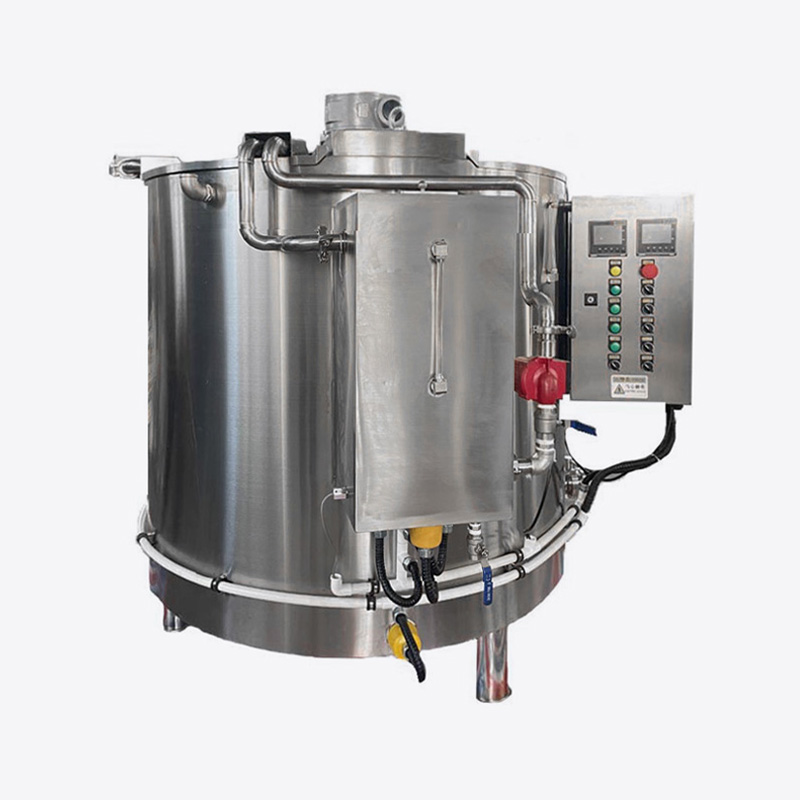
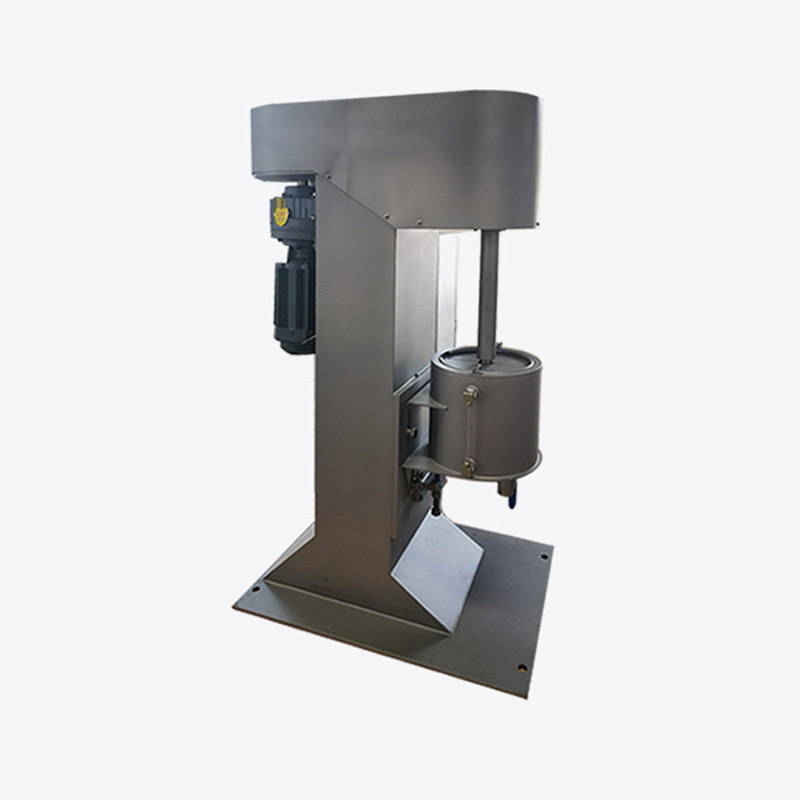
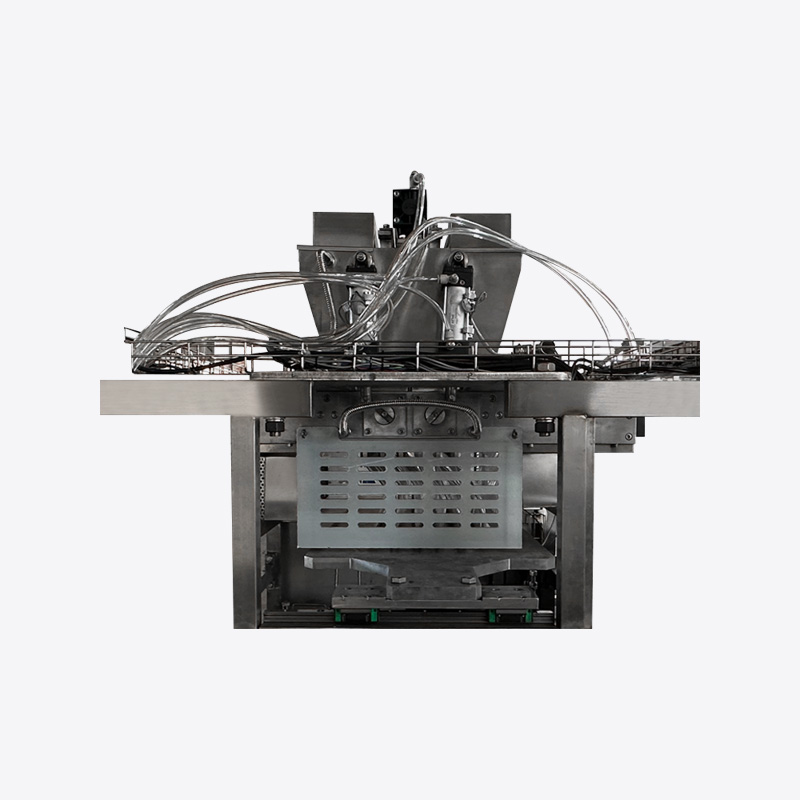
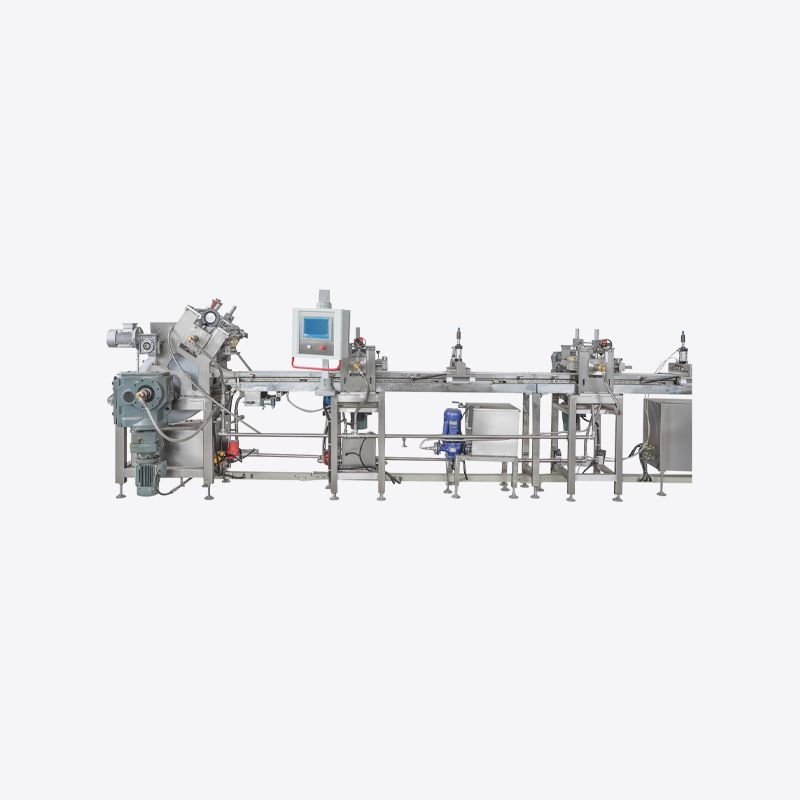
A chocolate filling machine is specialized industrial or semi-industrial equipment designed to deposit liquid, semi-liquid, or solid fillings — such as ganache, praline, caramel, or flavored creams — into chocolate shells or molds at high speed and with precision. These machines are the backbone of modern confectionery production.
Core Components and How They Work
Most commercial chocolate filling machines share a set of core components that work together in sequence:
- Hopper: Holds the filling material and keeps it at a controlled temperature.
- Pump or piston system: Delivers precise, repeatable volumes of filling per cycle.
- Nozzles or depositor heads: Direct filling into molds or shells, ranging from single-head to 48-head configurations.
- Temperature control unit: Maintains filling viscosity for consistent flow and texture.
- Conveyor belt: Moves molds through the filling, cooling, and capping stages continuously.
High-end machines, such as those produced by Selmi or Knobel, can fill up to 1,200 molds per hour with filling accuracy tolerances as tight as ±0.5 grams — critical for premium products where weight consistency affects both cost and taste.
Types of Chocolate Filling Machines
| Machine Type | Best For | Output Capacity | Approximate Cost |
|---|---|---|---|
| Manual depositor | Artisan / small batch | 50–200 units/hour | $500–$3,000 |
| Semi-automatic filling machine | Mid-scale production | 300–600 units/hour | $8,000–$30,000 |
| Fully automatic inline machine | Industrial-scale output | 800–1,500+ units/hour | $50,000–$250,000+ |
| One-shot depositor | Shell + filling in one step | 500–1,200 units/hour | $40,000–$180,000 |
Choosing the Right Chocolate Filling Machine for Your Operation
Selecting a chocolate filling machine isn't simply about budget — it's about matching equipment to your product type, filling viscosity, production volume, and hygiene standards. Making the wrong call can result in costly downtime or product inconsistency.
Key Factors to Evaluate
- Filling type and viscosity: Liquid ganache, thick praline, and chunky nut fillings each require different pump mechanisms. Gear pumps handle thin fillings well; piston pumps are better for dense or particulate-heavy materials.
- Mold compatibility: Ensure the machine supports your mold size and shape. Some manufacturers offer custom nozzle configurations.
- Cleaning and sanitation: CIP (clean-in-place) systems reduce downtime between production runs. For food safety compliance (e.g., FDA 21 CFR or EU 1935/2004), all food-contact surfaces must be stainless steel or food-grade approved.
- Temperature range: Fillings like soft caramel may need to be deposited at 40–50°C; chocolate shells must be maintained at precise tempering temperatures (27–31°C). A machine with independent zone temperature control is preferable.
- After-sales support and spare parts availability: Machines from brands with regional service centers (e.g., Sollich, Bühler, or Aasted) reduce risk for high-volume operations.
For small chocolatiers producing fewer than 5,000 units per day, a semi-automatic machine with a 3–5 liter hopper and 4–8 nozzles is typically the most cost-effective entry point. Larger operations benefit from fully automated lines with integrated cooling tunnels, which can reduce labor costs by 60–70% compared to manual processes.
The Science Behind Why Hot Chocolate Is Good for You
Hot chocolate made from real cocoa is more than a comfort drink. It contains a concentrated dose of bioactive compounds that have been studied extensively for their cardiovascular, neurological, and anti-inflammatory effects. The key is the source: natural cocoa powder or minimally processed cacao retains the most beneficial compounds.
Flavanols: The Health-Active Compound in Cocoa
Cocoa flavanols — particularly epicatechin and catechin — are polyphenolic antioxidants naturally found in cacao beans. They are responsible for most of cocoa's measurable health effects. According to a landmark 2022 study from Brigham and Women's Hospital involving over 21,000 participants (the COSMOS-Cocoa trial), daily cocoa flavanol supplementation was associated with a 27% reduction in cardiovascular mortality over a 3.6-year follow-up period.
Natural cocoa powder contains approximately 200–400 mg of flavanols per 100g, while Dutch-processed (alkalized) cocoa retains only 10–35 mg per 100g due to the pH treatment destroying flavanols. This single difference makes the choice of cocoa powder critical when making hot chocolate for health benefits.
Documented Health Benefits Supported by Research
- Cardiovascular health: Cocoa flavanols improve endothelial function, reduce LDL oxidation, and lower blood pressure. A meta-analysis in the American Journal of Clinical Nutrition (2012) found that cocoa consumption lowered systolic blood pressure by an average of 2–3 mmHg.
- Cognitive function: A study in Nature Neuroscience (2014) found that dietary cocoa flavanols improved dentate gyrus function — a brain region linked to age-related memory decline — in older adults over 3 months.
- Mood and stress reduction: Cocoa contains theobromine (a mild stimulant), tryptophan (a serotonin precursor), and phenylethylamine. Regular consumption has been correlated with lower cortisol levels in stressed individuals.
- Antioxidant capacity: Cocoa has a higher ORAC (Oxygen Radical Absorbance Capacity) value than blueberries, red wine, or green tea — approximately 80,933 μmol TE/100g for raw cocoa powder.
- Gut health: Cocoa polyphenols act as prebiotics, selectively stimulating the growth of beneficial gut bacteria such as Lactobacillus and Bifidobacterium, as shown in research published in the American Journal of Clinical Nutrition (2011).
How to Make Hot Chocolate That Maximizes Health Benefits
Not all hot chocolate is created equal. Store-bought mixes are typically high in sugar and use Dutch-processed cocoa with minimal flavanol content. Making your own from scratch gives you full control over ingredients and nutritional value.
Ingredient Choices That Matter
- Use natural (non-alkalized) cocoa powder — look for labels that say "natural" or "raw cacao." Brands like Valrhona or Green & Black's organic cocoa retain higher flavanol levels.
- Choose whole or oat milk — some research suggests that the casein proteins in dairy may bind to cocoa flavanols and reduce their absorption. Plant-based milks like oat or almond may allow better bioavailability.
- Limit added sugar — use a small amount of honey, maple syrup, or a date-based sweetener rather than refined white sugar. A typical healthy serving uses no more than 5–8g of added sugar.
- Add a pinch of cinnamon or cayenne — both have anti-inflammatory properties and complement cocoa's flavor without adding calories.
Optimal Serving Guidance
Most clinical studies showing cardiovascular benefits used doses of 200–900 mg of cocoa flavanols per day, which roughly corresponds to 1–2 tablespoons (10–20g) of natural cocoa powder per cup. Drinking hot chocolate once daily in the morning or early afternoon aligns with when theobromine's stimulant effects are most beneficial without disrupting sleep.
The Connection Between Chocolate Filling Machines and Product Quality
From a production standpoint, the quality of filled chocolate products — including hot cocoa bombs, praline-filled bonbons, and liquid-center truffles — depends directly on the precision of the filling machine used. Inconsistent fill weights, air pockets, or temperature deviations during the filling process can cause product defects, reduced shelf life, and flavor imbalance.
Modern filling machines equipped with servo-driven piston pumps and real-time weight feedback systems can achieve fill accuracy of ±0.2–0.5%, meaning a 10g filling target will be delivered within 9.95–10.05g consistently across thousands of units. This precision is not just about cost control — it directly impacts the sensory experience of the consumer.
As the market for premium filled chocolate products grows — particularly hot cocoa bombs, which became a viral product category generating over $300 million in U.S. retail sales in 2020–2021 alone — the demand for reliable, scalable chocolate filling equipment continues to accelerate. Manufacturers investing in quality machinery are better positioned to deliver the consistent products that today's health-conscious and quality-focused consumers expect.
Common Questions About Chocolate Filling Machines and Hot Chocolate
Can a chocolate filling machine handle hot chocolate mix as a filling?
Yes — specialty hot cocoa bombs are made using filling machines that deposit a powdered or semi-liquid cocoa mixture inside a hollow chocolate shell. These use vibration depositors or auger-based powder fillers rather than liquid piston pumps. Some manufacturers offer hybrid systems capable of handling both liquid fillings and dry powder fillings on the same line.
Is hot chocolate with milk healthier than with water?
It depends on your health goal. Milk adds protein, calcium, and calories — beneficial for general nutrition — but some studies indicate that milk proteins may partially inhibit flavanol absorption. For maximum antioxidant uptake, plant-based milks (particularly oat milk) are a practical alternative. For bone health and satiety, cow's milk remains a solid choice.
How often should chocolate filling machine nozzles be cleaned?
Industry best practice requires daily cleaning of nozzles and product-contact surfaces at minimum, with full CIP cycles after each production run. Residual chocolate or filling material left in nozzles can crystallize, cause blockages, or introduce microbial contamination. Stainless steel nozzles with smooth bore interiors are easiest to sanitize and are standard in food-grade certified equipment.