

 English
 Español

Content
What Is a Candy Melt Machine in Industrial Production
Walk onto the floor of a confectionery plant and ask for the "candy melt machine," and you'll get a very different answer than if you typed the same phrase into a search bar. Online, the term mostly returns countertop melting pots designed for home bakers — small electric bowls that hold a cup or two of candy wafers for dipping pretzels and cake pops.
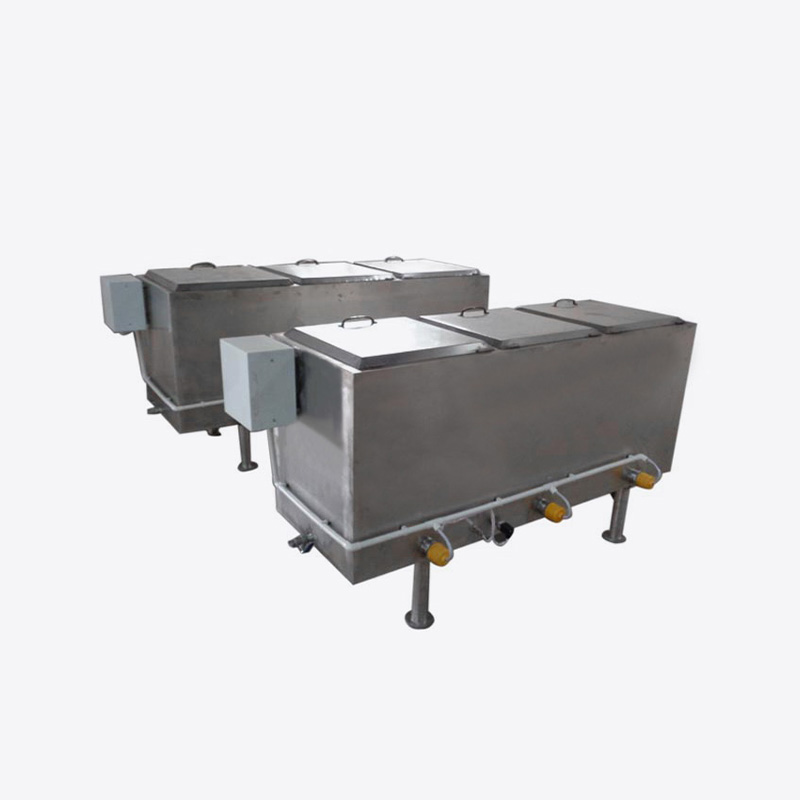
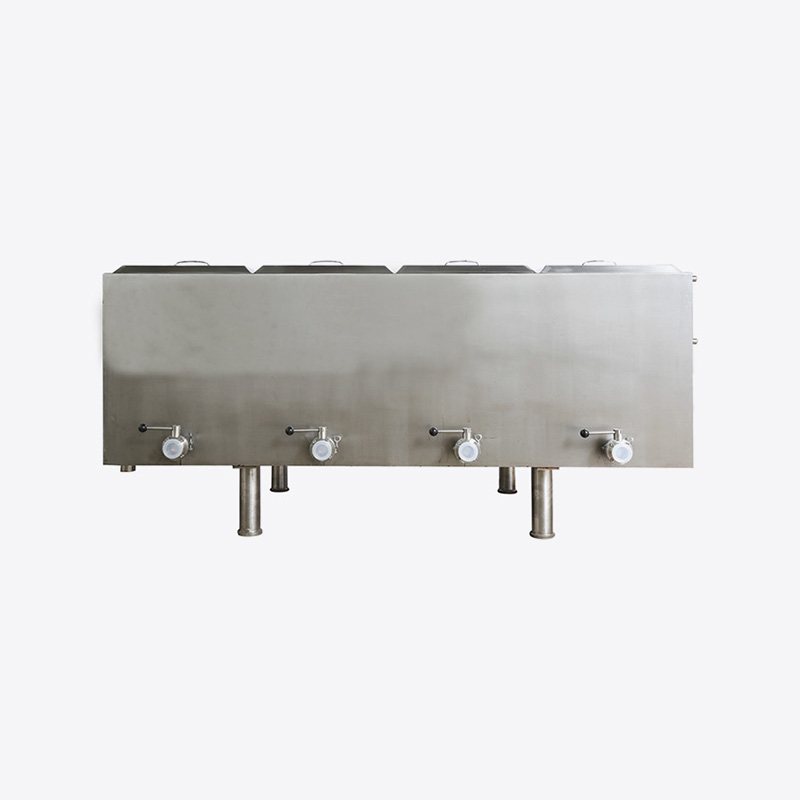
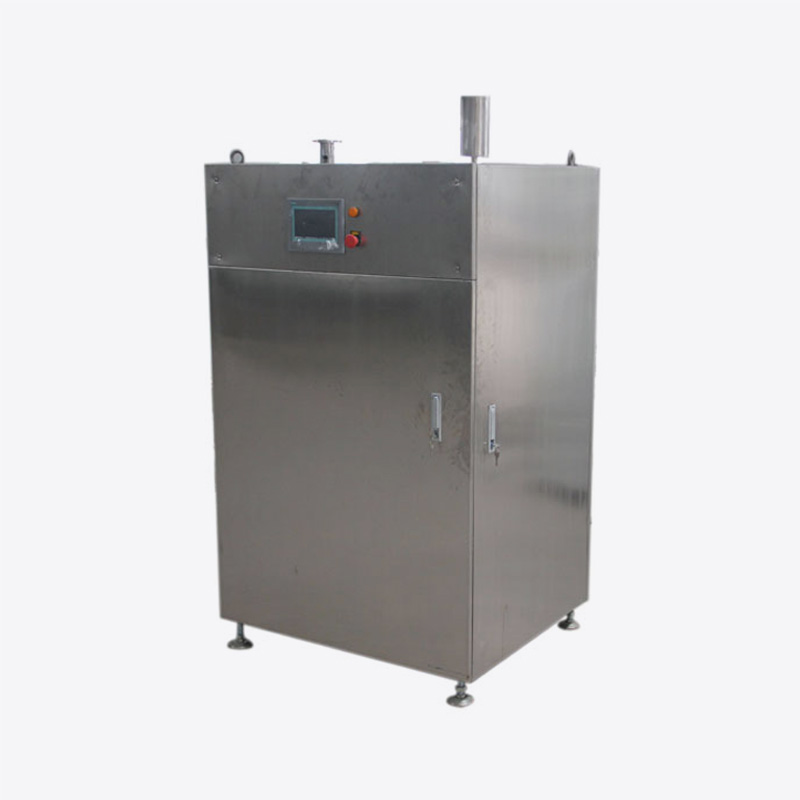
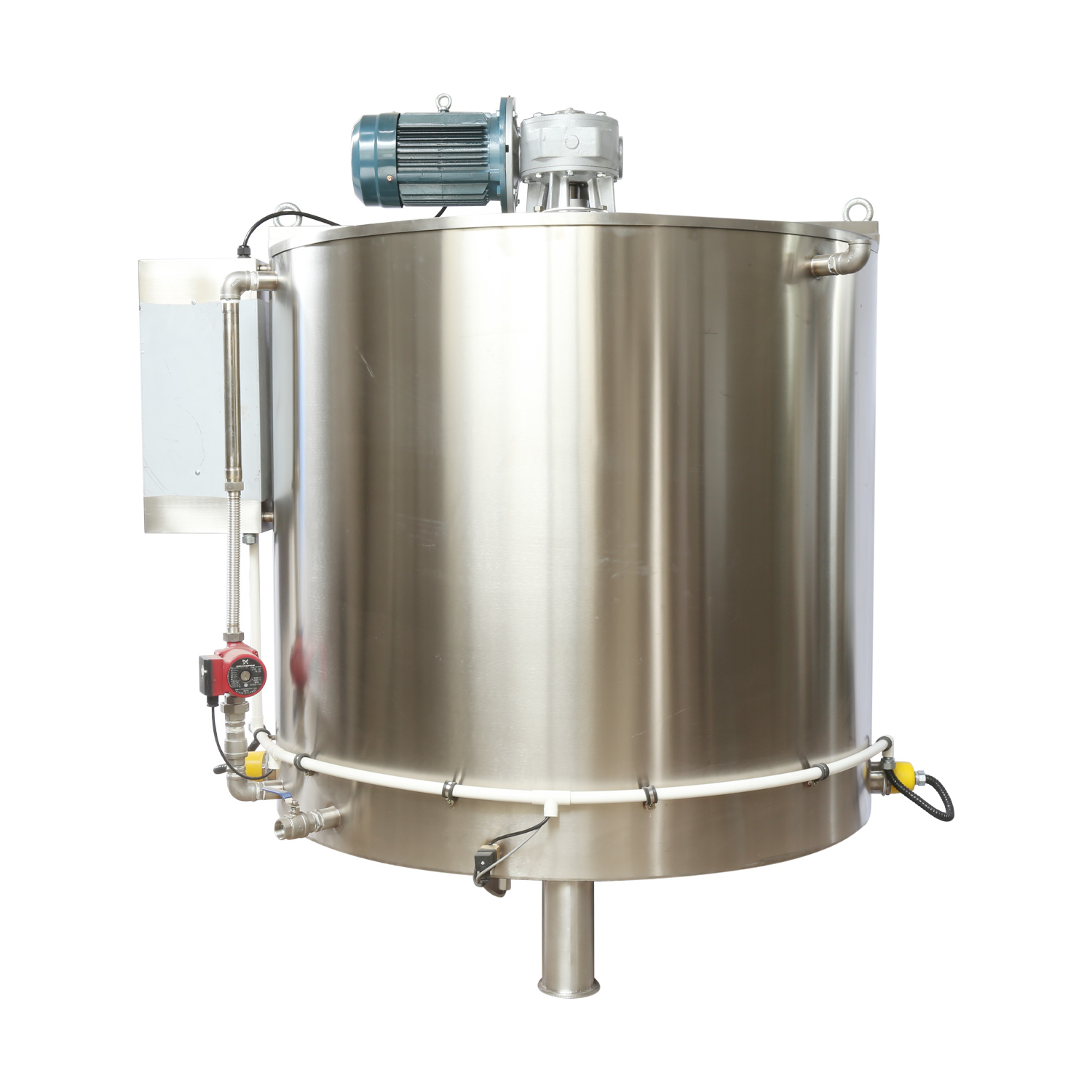
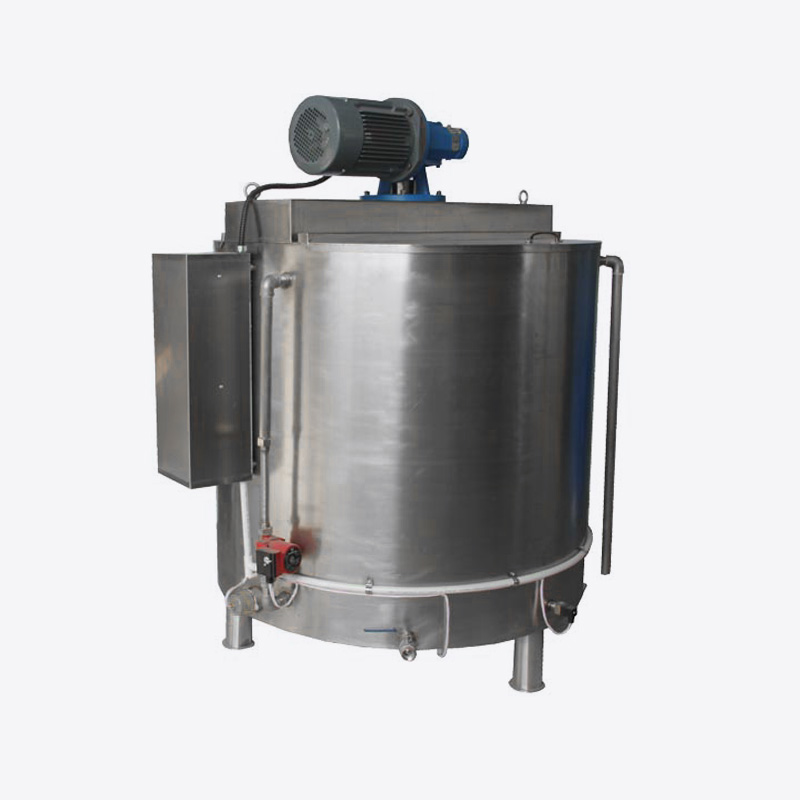
In an industrial setting, the equivalent machine is a fat melting tank, often called a fat melter or candy melt melting machine. Its job is the same in principle — turning solid blocks or chips of compound coating into a smooth, workable liquid — but at a scale measured in hundreds of kilograms per batch rather than cups. These tanks feed downstream equipment such as enrobers, depositors, and moulding lines, so their output has to be consistent enough to keep an entire production run on spec.
Candy melts themselves are compound coatings made from cocoa powder or cocoa liquor combined with vegetable fats such as palm kernel or coconut oil, rather than cocoa butter. That substitution is exactly why the melting stage matters so much: vegetable fats behave differently under heat than cocoa butter, and a machine built for cocoa butter melting needs the right heating profile and agitation to handle compound coatings without scorching or separating the fat.
How an Industrial Candy Melt Machine Works
At its core, a stainless steel chocolate fat melter uses a jacketed tank design. Hot water or oil circulates through the outer jacket, transferring heat gently and evenly to the product inside, rather than applying direct heat that could burn the fat sitting closest to the heating surface. For candy melts, this matters even more than for pure chocolate, since some compound fats have lower melting points and a narrower tolerance before texture starts to degrade.
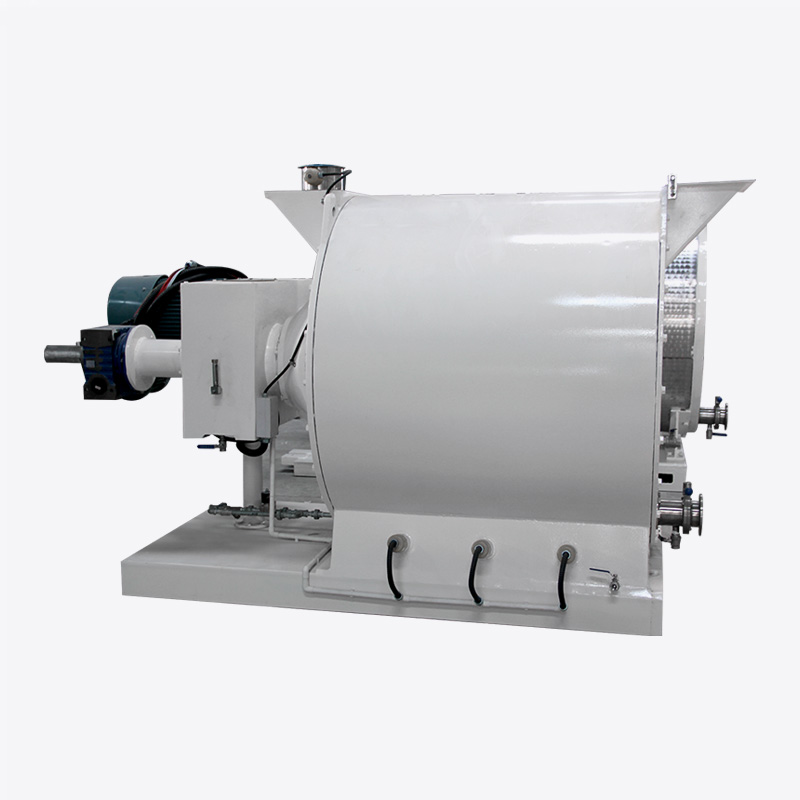
Inside the tank, a horizontal or vertical stirring mechanism keeps the melting mass moving. Without agitation, solid chunks near the tank walls would liquefy while material in the center stays solid, creating a batch with inconsistent viscosity. Continuous stirring also prevents the kind of localized hot spots that lead to scorched flavor notes — a defect that's difficult to mask once it's baked into a batch.
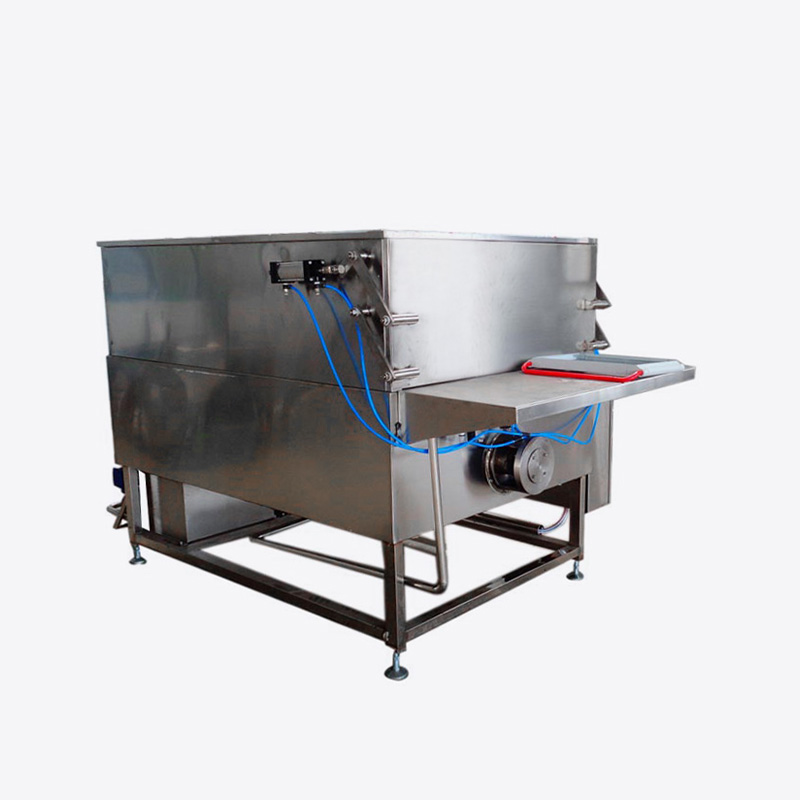
Most machines built for this purpose include a removable melting grid or mesh sitting near the top of the tank. Operators load solid blocks of candy melt or cocoa butter substitute onto this grid, and as the lower layers liquefy, the grid keeps unmelted chunks from dropping straight to the bottom and sitting in the hottest zone. Once the batch is fully liquid, the grid lifts out for cleaning, which matters a great deal when a plant switches between different colors or flavor formulations and needs to avoid cross-contamination.
Overheat protection is a standard feature on equipment built for food production. Two separate heating circuits — one for the melting mesh area and one for the cylinder's insulation jacket — allow the machine to maintain a steady working temperature without spiking, even during long production shifts where the tank is topped up repeatedly.
Melting vs. Tempering: Where This Machine Fits in the Line
It's worth being precise about terminology here, because "candy melt machine" sometimes gets used loosely to describe equipment that actually does tempering — a separate and more involved process.
A melting machine has one job: take solid candy melt and turn it into a liquid at a stable working temperature, ready to be used. It doesn't manage the crystallization behavior of the fats inside the product. For applications like filling moulds for simple shapes, drizzling, or feeding directly into another machine that will do further processing, a melter on its own is often sufficient.
Tempering goes a step further, cycling the melted coating through a controlled heat-cool-reheat sequence to encourage stable fat crystal formation. That's what gives a finished candy melt shell its glossy surface, clean snap, and resistance to the dull, streaky appearance known as bloom. If your production line is making finished pieces meant for retail packaging — bark, moulded shapes, enrobed centers — a melter typically feeds into a tempering stage before the coating goes onto the product.
Many plants run both pieces of equipment in sequence: a melting tank handles the bulk liquefaction of incoming blocks, while a separate tempering unit takes that melted output and prepares it for the final coating or moulding step. Buying the two as a matched pair, rather than trying to make one machine do both jobs, generally gives more consistent results across long production runs.
Choosing the Right Capacity and Configuration
Tank capacity is the first decision point, and it should be driven by actual daily throughput rather than the largest number on a spec sheet. A mismatch in either direction creates problems: an undersized tank forces frequent reloading and interrupts continuous downstream feeding, while an oversized tank means heating and holding far more product than a shift actually needs, wasting energy and increasing the risk of the held portion sitting too long at temperature.
| Daily Output | Suggested Tank Range | Key Consideration |
|---|---|---|
| Pilot / small batch | Around 200 L | Frequent flavor or color changeovers |
| Mid-scale commercial | 500 - 1,000 L | Balance between batch size and reload frequency |
| High-volume industrial | 2,000 L and above | Continuous feed into enrobing or moulding lines |
Beyond raw capacity, a few configuration details have an outsized effect on day-to-day operation. Removable melting mesh options matter if your formulations include small particles like nuts or crisped rice mixed into the coating before melting — a finer mesh keeps these from passing through before they're fully incorporated. A discharge rotor pump simplifies transferring melted product to the next stage without manual pouring, which becomes increasingly important as batch sizes grow. And for plants running multiple formulations, a secondary circulation pipe and screen reduces the cleaning time between changeovers, since residue doesn't have as many places to hide.
For high-volume operations specifically, a continuous cocoa butter melter built for large-scale throughput can maintain a steady liquid supply rather than requiring the line to pause between batches — a meaningful difference for plants running multiple shifts.
Integrating a Candy Melt Machine into Your Production Line
A melting tank rarely operates in isolation. Once candy melt is liquefied, it usually needs somewhere to go — either directly into the next process step or into intermediate storage that keeps it at temperature without continuing to actively heat it. This is where an insulated holding tank for melted chocolate paste comes into play, buffering output between the melter and whatever comes next so that fluctuations in melting speed don't ripple downstream.
From there, the most common destination is a coating stage. Plants producing chocolate-covered biscuits, fruit, nuts, or bars typically run melted candy melt through an automatic enrober that applies the coating in a continuous waterfall, followed by a cooling tunnel that sets the coating before packaging. Sizing the melter's output to match the enrober's throughput — rather than sizing each piece of equipment independently — avoids the bottlenecks that show up only once a full line is running at speed.
One more consideration that's easy to overlook during equipment selection is regulatory classification. Because candy melts fall under the U.S. federal standards governing cacao products and vegetable fat coatings, the fat composition of your specific formulation determines whether the finished product can be labeled "chocolate," "chocolate coating," or must use alternative wording like "vegetable fat coating." This doesn't change how the melting machine itself operates, but it's worth confirming with your formulation team before finalizing equipment specs, since some manufacturers request food-contact material documentation tied to specific fat types as part of their compliance records.
Manufacturers entering candy melt production for the first time, or scaling up from a smaller setup, are generally best served by working through their actual product mix — flavors, colors, particle inclusions, and target output — before settling on tank size and configuration. A machine sized correctly for that mix from the start avoids the more disruptive process of retrofitting or replacing equipment once a production line is already running at volume.