

 English
 Español

A chocolate ball mill runs for hours every day. The inside walls touch chocolate mass, sugar crystals, and cocoa solids. After a few months, some machines start losing metal from the grinding chamber. Small particles mix into the chocolate. The machine no longer holds the right gap between moving parts. Production slows down. Cleaning takes longer. The buyer wonders why a different machine in another factory still runs smoothly after years of service. Chocolate production needs continuous refining. A Ball Mill Chocolate Machine works by rotating a cylinder filled with steel balls. The chocolate mass flows through the moving balls, and each particle gets crushed smaller. That process goes on hour after hour. Friction between balls, between balls and the chamber wall, and within the chocolate itself creates a difficult environment for any machine.
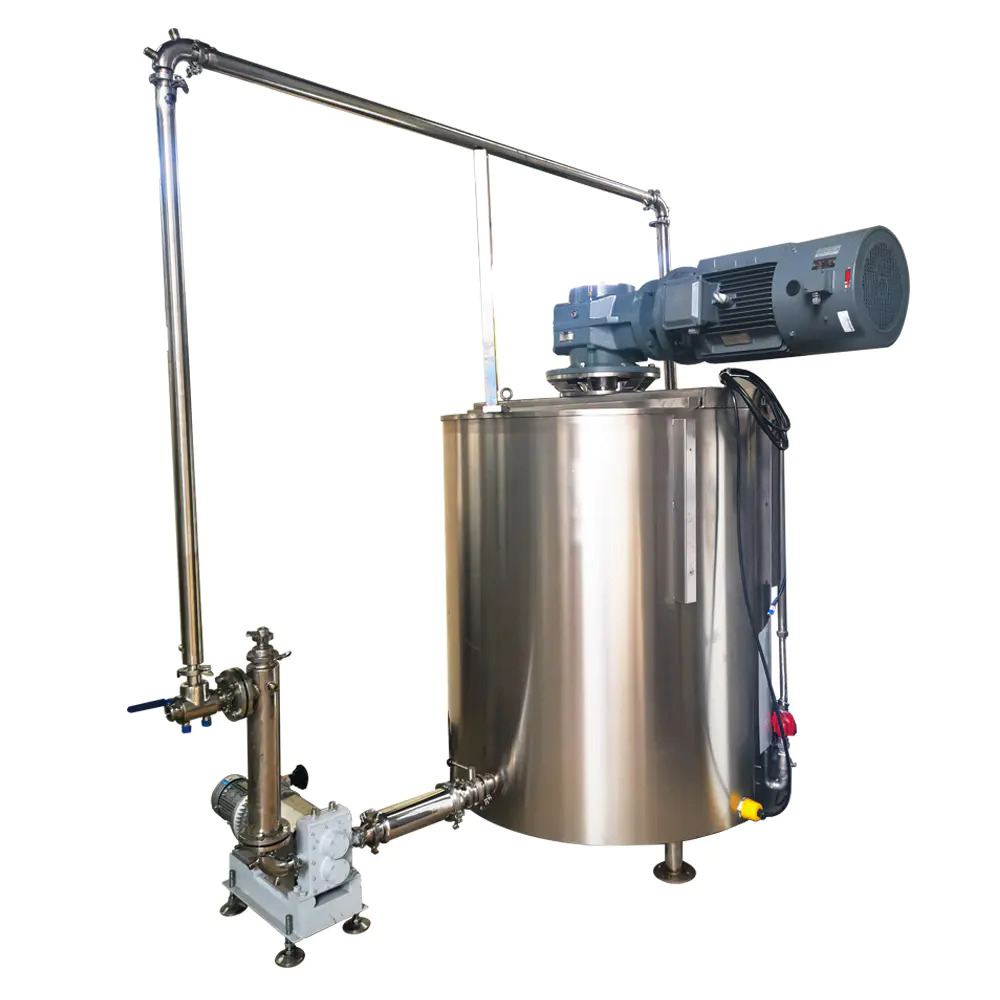
When the equipment material is not chosen carefully, several problems appear. The inner surface erodes. Small metal fragments may mix into the chocolate. The chamber shape changes slightly, reducing grinding efficiency. Heat from friction can cause uneven expansion, leading to mechanical stress. All these issues shorten machine life and raise production cost. The material choice is not a secondary detail. It affects food safety, product quality, maintenance frequency, and long-term operating expense.
Content
- 1 What Is a Chocolate Ball Mill Machine and How It Works
- 2 Why Material of Construction Matters in Chocolate Processing Equipment
- 3 Key Materials Used in Chocolate Ball Mill Machine Construction
- 4 How Material Selection Impacts Machine Longevity
- 5 Food Safety and Contamination Risks in Chocolate Ball Mill Machines
- 6 Cost vs Durability Trade-Off in Ball Mill Machine for Chocolate
- 7 How to Evaluate a Durable Chocolate Ball Mill Before Purchase
- 8 Common Operational Concerns in Chocolate Ball Milling
- 9 Final Decision Factors When Choosing a Ball Mill Machine for Chocolate Making
- 10 Why Material Choice Defines Long-Term Success
What Is a Chocolate Ball Mill Machine and How It Works
A chocolate ball mill machine refines chocolate after initial mixing of cocoa liquor, sugar, and cocoa butter. The machine contains a horizontal or vertical chamber filled with spherical steel balls. A motor turns the chamber or an internal agitator, causing the balls to move and collide. Chocolate mass pumped through the chamber gets trapped between moving balls and gets crushed into fine particles.
Traditional chocolate refining uses a melanger with stone wheels. That method works slowly, often taking many hours to reach acceptable fineness. A Ball Mill Machine for Chocolate operates differently. It uses impact and attrition rather than shear alone. Balls bounce and roll against each other, breaking down sugar crystals and cocoa solids faster.
Because a ball mill runs continuously and often handles large volumes, internal surfaces see constant abrasion. The shaft, agitator arms or discs, and the chamber lining all experience mechanical wear. The faster the machine runs and the harder the chocolate mass, the more stress those parts endure.
Why Material of Construction Matters in Chocolate Processing Equipment
Material choice affects three areas directly: wear resistance, cleanliness, and thermal behavior.
Wear resistance comes from the hardness and toughness of the metal. Soft steel erodes quickly when hit repeatedly by hardened steel balls. Erosion changes the gap between moving parts. Once the gap widens, grinding efficiency drops. The machine then needs to run longer or at higher speed to reach the same particle size, which creates more wear.
Cleanliness matters because chocolate goes to human mouths. Any material that rusts, pits, or flakes off introduces foreign particles. Low-grade stainless steel may contain impurities that corrode under acidic conditions. Cocoa has a slightly acidic nature. Over time, poor material can develop rough spots where bacteria hide. Cleaning such a machine becomes harder. Product safety becomes a concern.
Thermal behavior is often overlooked. Chocolate is heat sensitive. Friction inside a ball mill generates temperature rise. Different materials expand at different rates when heated. If the chamber and the internal shaft are made of materials with different thermal expansion coefficients, the fit between them changes during production. That change can cause rubbing, binding, or uneven wear.
Every one of these factors traces back to the raw material chosen when the machine was built.
Key Materials Used in Chocolate Ball Mill Machine Construction
Many chocolate ball mills use some form of stainless steel for parts that contact food. Not all stainless steel performs the same way. Common grades offer good corrosion resistance and are easy to clean. But within the family of stainless steels, there are differences in hardness, weldability, and surface finish quality.
High-carbon steel or hardened steel appears in high-wear zones such as agitator arms or the discharge screen. Those components face direct impact from grinding balls. A harder material there reduces the rate of metal loss.
Some machines use non-metallic linings inside the chamber. Polyurethane or ceramic liners protect the outer steel shell from abrasion. These linings can extend machine life, especially when grinding hard ingredients. However, linings also add thickness and may reduce internal volume. They need inspection for cracking or delamination over time.
A comparison of common material choices follows.
| Material type | Typical location | Resistance to wear | Ease of cleaning | Cost consideration |
|---|---|---|---|---|
| Standard stainless steel | Chamber wall, end plates | Moderate | Good | Lower initial cost |
| Higher hardness stainless steel | Agitator discs, shaft | Better | Good | Moderate increase |
| Hardened alloy steel | Wear plates, ball contact areas | High | Moderate | Higher cost, longer life |
| Polyurethane lining | Chamber interior | High | Good | Replacement needed periodically |
| Ceramic tile lining | Chamber interior | Very high | Very good | Higher upfront, low wear rate |
The choice depends on production volume, expected running hours per day, and acceptable downtime for maintenance. A machine running eight hours per day, five days per week may do well with standard stainless steel. A machine running twenty hours per day, six days per week needs better wear protection.
How Material Selection Impacts Machine Longevity
Longevity means the total number of production hours before a machine needs major repair or replacement. Material selection changes that number by a large margin. A grinding chamber made of soft metal wears down faster. As the inner surface loses material, the volume inside the chamber changes slightly. The balls no longer fit as tightly against the wall. Grinding action becomes less efficient.
Wear does not happen evenly across the machine. The area where chocolate enters the chamber often sees the highest particle concentration and the greatest amount of abrasion. That area needs material with good hardness. The discharge area, where fine particles exit, sees less impact but more flow erosion. Different zones may benefit from different material treatments.
Bearing and shaft durability also depends on material quality. The shaft that drives the agitator experiences torsion and bending loads. A shaft made from weak steel bends over time. Once bent, the agitator runs out of alignment. Seal surfaces wear unevenly, causing leaks. Chocolate leaks out, air gets in, and product quality suffers.
Heat resistance plays a role in long-term shape stability. When a machine runs for many hours, the temperature inside the chamber rises. Materials expand. Repeated heating and cooling cycles cause thermal fatigue. Cracks can form at weld joints or stress points. High quality materials resist thermal fatigue better and maintain their shape through many cycles.
Structural fatigue under continuous production is a hidden problem. A machine that stops and starts several times a day experiences different stress patterns than a machine that runs nonstop for a week. The material must handle both scenarios. Poor material choice leads to hairline cracks that grow slowly until a sudden failure stops production.
Energy efficiency ties back to material hardness. A soft chamber absorbs energy through deformation rather than transmitting it to the grinding media. More power goes into heating the machine instead of refining chocolate. Over a year of operation, that wasted energy adds to operating cost.
Food Safety and Contamination Risks in Chocolate Ball Mill Machines
Any machine that touches food must not add harmful substances to the final product. A chocolate ball mill that uses low-grade steel risks releasing tiny metal particles into the chocolate mass. Those particles come from two sources. One source is the grinding balls themselves, which wear down over time. The other source is the chamber wall or agitator parts.
Oxidation and rust are serious problems. Stainless steel resists rust only when the surface has a stable oxide layer. Low-quality stainless steel may have inclusions or uneven chromium distribution. In those spots, rust can start. Rust particles are dark and may blend into chocolate visually, but they change flavor and create food safety concerns.
Cleaning difficulty matters for facilities that produce multiple recipes. A smooth, polished surface releases chocolate residue easily. A rough surface traps fat and sugar. Over time, trapped residue can go rancid or grow mold. Some materials cannot be polished to a very smooth finish because of their grain structure. That limitation makes cleaning harder and increases changeover time between batches.
Compliance expectations in chocolate production vary by market. Export-oriented facilities often need to meet international food contact standards. A machine built with certified food-grade material provides documentation that simplifies audits. A machine built with unknown material creates risk during inspection.
Final chocolate purity depends on every surface that touches the mass. Even trace amounts of metal from wear change the product. Some metal ions catalyze fat oxidation, shortening shelf life. Others create off-flavors that trained tasters can detect. The only way to avoid these problems is to start with materials designed for long-term food contact under abrasive conditions.
Cost vs Durability Trade-Off in Ball Mill Machine for Chocolate
The initial purchase price of a Ball Mill Machine for Chocolate often hides the true cost of ownership. A machine with lower quality materials may cost less at the time of purchase. Within a short period of daily use, that machine may need new internal parts. The replacement parts cost money. The labor to install them costs money. The production downtime while waiting for repairs costs even more.
Maintenance cost differences by material type become clear after the first year. A hardened steel agitator lasts longer than a standard steel one. The higher upfront cost of the hardened part pays for itself when the machine keeps running while another machine stops for repairs.
Downtime cost impact in a production line can be large. A chocolate ball mill often sits in the middle of a continuous process. Chocolate comes from a mixer or pre-refiner and goes to a ball mill, then to a conche or storage tank. If the ball mill stops, everything upstream and downstream stops. Every hour of downtime represents lost production volume that cannot be recovered.
Replacement part frequency directly affects the maintenance budget. A chamber that needs re-surfacing every few months creates a regular expense. A chamber that lasts several years between services costs less per year even if the initial chamber cost more.
ROI considerations for industrial buyers should look at several years of operation. Add the purchase price, the expected maintenance costs, the cost of spare parts, and the value of lost production time. Compare that total for machines with different material qualities. The machine with better materials often wins the calculation, even with a higher price tag.
The cheaper machine can become the more expensive one over time. A buyer who saves money on material quality pays later in repairs, lost production, and possibly rejected product from contamination.
How to Evaluate a Durable Chocolate Ball Mill Before Purchase
A careful buyer asks specific questions about material specifications. What grade of stainless steel touches the chocolate? What hardness treatment has been applied to the agitator? What material lines the chamber? A supplier who cannot answer these questions clearly may not have control over their own manufacturing process.
The chamber and shaft material transparency matters. Some manufacturers use a good grade for visible parts but a lower grade for hidden internal components. Requesting material certificates or test reports provides verification. A reputable builder provides this documentation without hesitation.
Surface finishing quality inspection can be done visually. A food-contact surface should feel smooth to the touch and reflect light evenly. Rough patches, pits, or visible weld discoloration indicate lower quality finishing. Those areas trap product and resist cleaning.
Wear resistance claims need evaluation. A supplier might say a material is very hard without providing any numbers. Asking about typical service life under similar conditions gives a practical reference. If the supplier has machines running in other chocolate plants, those references can provide real-world data.
Hidden cost factors in machine design include seal materials, bearing quality, and fastener corrosion resistance. A machine with good stainless steel but poor seals leaks at the shaft entry point. Leaks waste product and make a mess. Checking every component that touches the chocolate ensures no weak link exists.
Comparing OEM versus non-OEM manufacturing standards requires some research. A non-OEM builder may use the same material grades as an established manufacturer. The difference often lies in consistency of welding, precision of machining, and quality control procedures. A well-made machine from any builder performs well if material choices are sound.
Common Operational Concerns in Chocolate Ball Milling
- Why does a chocolate ball mill wear out over time?
- What is a reasonable material for food-contact parts in a ball mill?
- Can stainless steel affect chocolate flavor?
- How often should a ball mill be maintained?
- What causes contamination in chocolate grinding equipment?
- Is thicker steel always better for durability?
- How does heat affect chocolate ball mill performance?
- What happens if low-grade steel is used?
- Can internal coating improve machine lifespan?
- What should be checked before buying a chocolate ball mill machine?
Final Decision Factors When Choosing a Ball Mill Machine for Chocolate Making
Matching production scale with machine build quality requires honesty about operating intensity. A small shop making a few batches per week does not need the same material grade as a factory running three shifts per day. Choosing material that fits the actual workload saves money without sacrificing safety.
Prioritizing material over superficial features leads to better long-term results. A machine with a fancy control panel but poor chamber steel will disappoint. A simpler machine with good material choices runs reliably for many years.
Supplier engineering transparency reveals confidence in their own product. A manufacturer who openly discusses material grades, hardness values, and expected wear patterns has done the engineering work. A manufacturer who avoids these topics may not know their own product limits.
Long-term operational stability considerations include spare parts availability, ease of cleaning, and predictable wear rates. A machine built from common material grades allows faster sourcing of replacement parts. A machine with exotic materials may require special orders and long delays.
Balancing efficiency, hygiene, and durability means accepting trade-offs. A material with good wear resistance may cost more upfront. A very smooth surface finish may require special polishing equipment. Finding a balance that fits the budget and the production needs is a practical goal.
Why Material Choice Defines Long-Term Success
A chocolate ball mill machine built with thoughtful material selection works reliably, lasts longer, and creates safer product. The opposite machine, built with low-grade materials, becomes a source of trouble. Wear accelerates. Contamination appears. Downtime increases. Repairs multiply.
No machine lasts forever. The difference between a machine that serves well for many years and a machine that fails after a short time comes down to material choices made at the beginning. Those choices affect every production day that follows.
For equipment built with attention to material quality and food safety requirements, consider reaching out to Gusu Food Processing Machinery Suzhou Co.,Ltd. They focus on chocolate processing machines designed for reliable long-term operation in demanding production environments. A conversation with their engineering team can help match material choices to specific production needs.