

 English
 Español

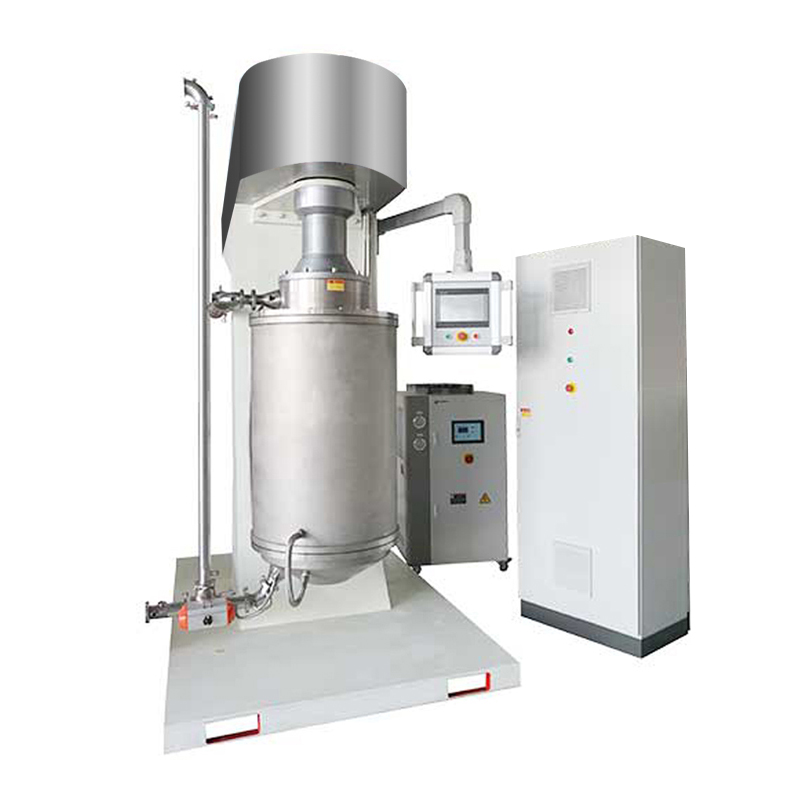
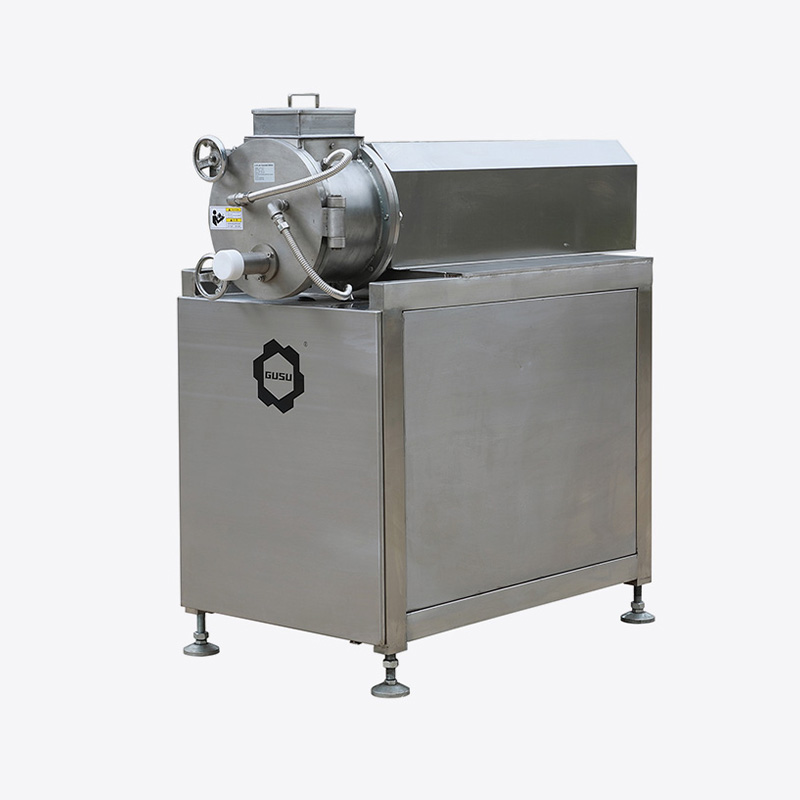
Scaling up chocolate output is rarely a straightforward decision. You may already be running a batch system and wondering whether the throughput is holding you back. Or perhaps you are planning a new production facility and trying to determine upfront which equipment model fits the long-term vision. Either way, the question of whether a Ball Mill Chocolate Machine in continuous configuration matches your actual production environment deserves a closer look — because the answer depends far more on operational context than on the equipment itself.
Content
- 1 Understanding What Continuous Operation Actually Means
- 2 High-Volume Output as the Core Use Case
- 3 Product Type and Its Effect on Equipment Choice
- 4 Automation Level and Labor Structure
- 5 Scenarios Where Continuous Configuration Is Less Advantageous
- 6 Evaluating ROI Across Different Production Volumes
- 7 Matching the System to the Facility: A Practical Decision Framework
- 8 Reaching the Right Equipment Partner for Your Production Goals
Understanding What Continuous Operation Actually Means
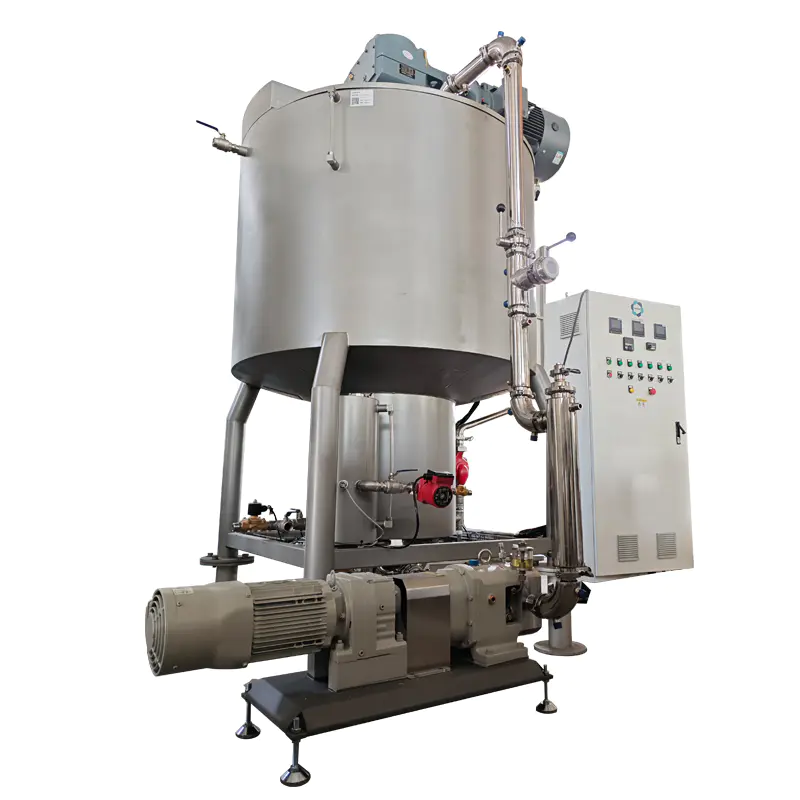
Continuous vs. Batch: A Fundamental Difference in Workflow
In a batch system, the mill processes a fixed load, completes the grinding cycle, discharges, and then accepts the next charge. In a continuous configuration, raw or semi-processed chocolate mass enters at one end and refined product exits at the other without stopping between cycles. The production line keeps moving.
That distinction sounds mechanical, but the downstream implications are significant. Continuous systems demand a steady feed supply, consistent upstream preparation, and synchronized downstream handling. When those conditions are met, the output per shift increases substantially. When they are not, continuous systems can actually underperform relative to batch alternatives.
Why the Term "Continuous" Can Be Misleading
Not every system marketed as continuous truly operates without interruption. Some designs run semi-continuously, requiring periodic media checks or temperature interventions. Buyers evaluating a ball mill machine for chocolate should ask specifically how the feed and discharge system is configured and whether unattended overnight operation is genuinely supported by the design.
High-Volume Output as the Core Use Case
When Does Scale Actually Justify Continuous Configuration?
The clearest production scenario for continuous operation is one where daily volume has grown beyond what batch cycles can cover efficiently. When the factory is running multiple batch shifts with no idle time and still struggling to meet order volume, that is a meaningful signal. Adding another batch unit may delay the problem rather than resolve it.
Continuous systems are built around the assumption that the pipeline never empties. Once the line is running and stable, the output per hour tends to be more consistent than what batch cycles can deliver across multiple operators and changeovers.
Facilities in this category typically share several characteristics:
- Demand is predictable and relatively uniform across production weeks
- Recipes do not change frequently, allowing stable machine settings
- Downstream filling, tempering, or packaging can accept a steady product flow
- Sufficient space exists for the full inline configuration
Industrial Chocolate Plants Running Around the Clock
Factories producing large volumes of dark chocolate, compound chocolate, or couverture for industrial clients often structure production around continuous flow. The economics shift when labor cost per kilogram, energy use per hour, and equipment utilization rate are all factored together rather than assessed separately.
In this environment, a ball mill for chocolate making that operates without requiring operator intervention at each cycle interval reduces both labor dependency and per-unit processing cost over time.
Product Type and Its Effect on Equipment Choice
Does the Chocolate Category Influence the Decision?
It does, sometimes considerably. Dark chocolate mass tends to have a relatively stable viscosity profile during grinding, which makes it well-suited to continuous processing. Milk chocolate introduces additional fat components and temperature sensitivity that require tighter control over residence time and heat management. Compound chocolate, which often includes vegetable fats in place of cocoa butter, can vary widely depending on formulation.
Nut-based or filled chocolate products bring their own challenges. High nut content can affect particle distribution in ways that require periodic adjustment, which is easier to manage in a batch system where the operator interacts with each cycle directly.
A useful framework for matching product type to system configuration:
| Chocolate Category | Continuous System Compatibility | Key Consideration |
|---|---|---|
| Dark chocolate mass | Well-suited | Stable viscosity, consistent grinding behavior |
| Milk chocolate | Moderate fit | Temperature and fat management required |
| Compound chocolate | Moderate to good fit | Formulation-dependent |
| White chocolate | Moderate fit | Higher fat content, flow control matters |
| Nut chocolate blends | Lower fit | Variable viscosity, recipe sensitivity |
| Cocoa mass / liquor | Well-suited | High-volume processing with stable parameters |
This is not a rigid classification. Plants processing multiple product types sometimes run a hybrid approach, with continuous systems handling core high-volume lines and batch capacity reserved for specialty or seasonal items.
Automation Level and Labor Structure
How Much Does Continuous Operation Reduce Staffing Requirements?
One of the practical draws for facilities investing in continuous configuration is the reduction in operator involvement per unit of output. In a batch system, each cycle requires loading, monitoring, and discharge. Across a full production day, that adds up to significant hands-on time.
A continuous ball mill chocolate machine with automated feeding and discharge shifts the operator role toward monitoring and exception handling rather than cycle management. The line runs; the operator watches parameters and intervenes when something deviates.
That shift matters most in facilities where:
- Labor availability is constrained or turnover is high
- Production runs extend through night shifts where supervision is reduced
- Consistent particle size without batch-to-batch variation is a quality requirement
- The facility is pursuing food safety certification that benefits from reduced manual handling
Integration With the Broader Production Line
Continuous systems do not function in isolation. They require upstream equipment that can deliver a steady, conditioned mass and downstream equipment that can accept a continuous stream without creating back-pressure or overflow conditions.
Practical integration points include:
- Pre-refining or pre-mixing equipment with matched throughput capacity
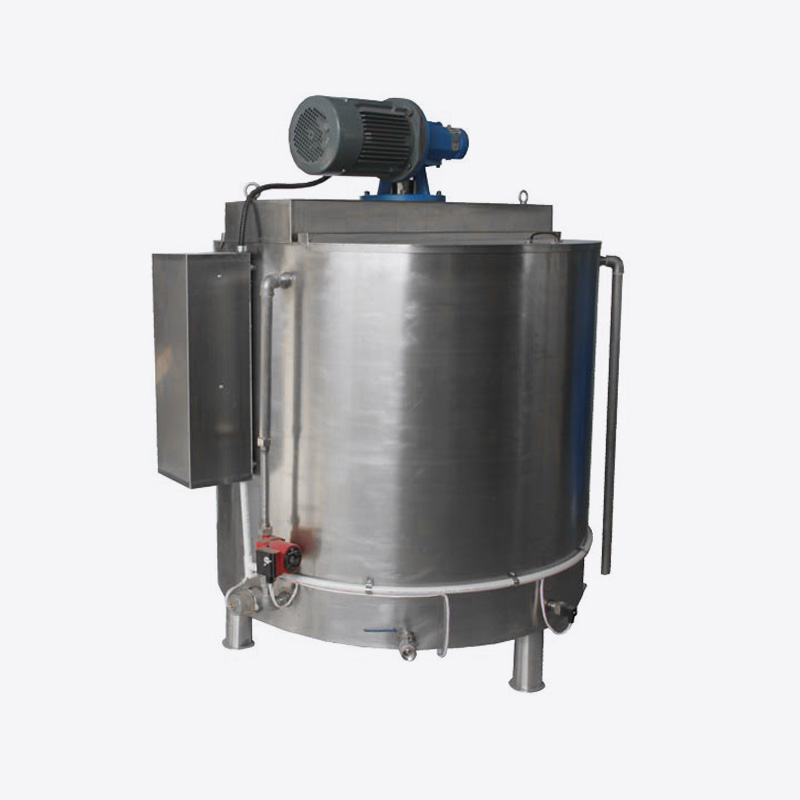
- Temperature-controlled feed tanks that maintain mass viscosity within the required range
- Storage or buffer tanks on the discharge side that accommodate minor flow fluctuations
- Automated monitoring systems that communicate status across the line
When the surrounding equipment is not matched in capacity or control capability, continuous processing introduces more complexity than it resolves. That is one of the more common planning oversights in facility upgrades.
Scenarios Where Continuous Configuration Is Less Advantageous
Frequent Recipe Switching Reduces the Efficiency Argument
Facilities operating as OEM manufacturers or producing a wide range of seasonal products often need to switch formulations regularly. Continuous systems require more thorough flushing and recalibration between product changes than batch systems, which can simply empty the drum and reload with a different recipe.
If a facility is running several different chocolate types per week, the downtime associated with changeovers in a continuous system may erode the throughput advantage. The math changes when product diversity is high and individual product volumes are modest.
Smaller Facilities at Earlier Production Stages
An artisan or craft chocolate operation running limited daily volumes does not typically have the upstream and downstream infrastructure that continuous systems require. The investment in integrated line equipment, monitoring systems, and facility space may not align with the production scale.
A ball mill machine for chocolate in batch configuration offers more flexibility for small teams — shorter runs, easier cleaning, and simpler operation without requiring synchronized upstream processing.
Development and Pilot Production Environments
Research kitchens, product development teams, and pilot production lines value the ability to adjust quickly and handle small experimental batches. Continuous systems are designed around stability and repetition, not experimentation. For environments where parameters shift deliberately and frequently, batch configuration remains more appropriate.
Evaluating ROI Across Different Production Volumes
At What Point Does Continuous Processing Become Economically Rational?
Return on investment for continuous systems does not follow a universal formula, but several patterns emerge across different facility types.
The continuous configuration tends to become economically rational when:
- Production volume has reached a level where batch cycling creates bottlenecks that directly delay shipment
- Labor costs represent a significant portion of per-unit processing expense
- The facility has a stable core product that runs continuously rather than changing weekly
- Energy consumption per kilogram of output can be spread across a longer uninterrupted run
Conversely, if volume is growing but not yet at a level where batch capacity is genuinely exhausted, the capital investment in continuous systems may not recover within a reasonable planning horizon.
Expansion Planning and Future Capacity
Some facilities invest in continuous configuration not because current volume demands it, but because projected growth makes it the more forward-looking choice. Adding capacity mid-production is disruptive. Installing a system designed for higher throughput early, even if initially underutilized, can be more cost-effective than retrofitting a facility that has been built around batch equipment.
That logic applies particularly to facilities that:
- Have secured long-term supply contracts requiring guaranteed volume
- Are expanding into export markets with consistent order sizes
- Are building a new facility where full-line integration can be designed from the ground up
Matching the System to the Facility: A Practical Decision Framework
Key Questions Before Committing to Continuous Configuration
Rather than treating the continuous versus batch decision as a product category comparison, it is more useful to evaluate it against specific operational realities. A structured set of questions helps clarify where continuous configuration genuinely fits:
- Is current batch capacity consistently at or near its limit during normal production weeks?
- Does the facility produce a stable set of core products that run in high volume without frequent reformulation?
- Is there downstream equipment capable of accepting a continuous product stream without backup?
- Does the labor structure support or require reduced per-cycle operator involvement?
- Is the facility planning for growth that would make a larger-capacity system relevant within a defined time frame?
- Can the facility accommodate the full upstream and downstream equipment integration that continuous systems require?
If the answer to most of these is yes, continuous configuration likely aligns with the operational direction. If several answers are uncertain or negative, a batch system or a hybrid approach may serve the facility better.
Hybrid Approaches Are More Common Than Often Discussed
Many mid-scale chocolate manufacturers operate a combination of continuous and batch capacity. High-volume core products run through the continuous line while specialty, seasonal, or developmental items go through batch equipment. This setup allows the facility to capture throughput advantages on volume products without sacrificing the flexibility needed for a diverse catalog.
The hybrid model also provides redundancy. If one system requires maintenance, production does not stop entirely. That resilience has practical value in supply chains where delivery timelines are contractually important.
Reaching the Right Equipment Partner for Your Production Goals
The equipment decision is only as sound as the production planning that supports it. Continuous ball mill systems represent a meaningful investment, and their performance depends heavily on how well the surrounding line is designed and matched to the system's requirements. Getting that configuration right from the planning stage — rather than adjusting after installation — makes a measurable difference in how quickly the system reaches stable, efficient output.
For manufacturers evaluating whether continuous grinding configuration fits their current or planned production environment, working with a supplier that has direct experience in full-line chocolate processing equipment is a practical advantage. Gusu Food Processing Machinery Suzhou Co.,Ltd. designs and manufactures a range of chocolate processing systems, including continuous ball mill configurations suited to different production scales and product types. If your facility is at the stage of evaluating equipment options or planning a capacity upgrade, reaching out to their technical team for a production-specific consultation is a reasonable next step toward a well-matched investment decision.