

 English
 Español

A chocolate chips machine is a specialized industrial depositor designed to produce uniform, high-quality chocolate drops for baking, confectionery, and snacking applications. Unlike standard molding lines, these machines utilize precision nozzles and controlled cooling systems to create the characteristic teardrop shape and consistent weight required by commercial bakeries. For manufacturers, investing in the right deposition technology ensures minimal waste, high throughput, and precise control over chip dimensions, which are critical for product consistency and consumer satisfaction.
The core functionality of a chocolate chips machine revolves around the accurate metering of tempered chocolate onto a moving conveyor belt. Modern systems can produce between 500 to 2,000 kilograms of chips per hour, depending on the model and configuration. Understanding the mechanical components, from the tempering unit to the cooling tunnel, allows producers to optimize their lines for efficiency and maintain the structural integrity of the final product.
Content
Core Components and Operational Mechanics
The efficiency of a chocolate chips machine depends on the seamless integration of several key subsystems. Each component plays a vital role in shaping, setting, and releasing the final product.
The Depositor Head
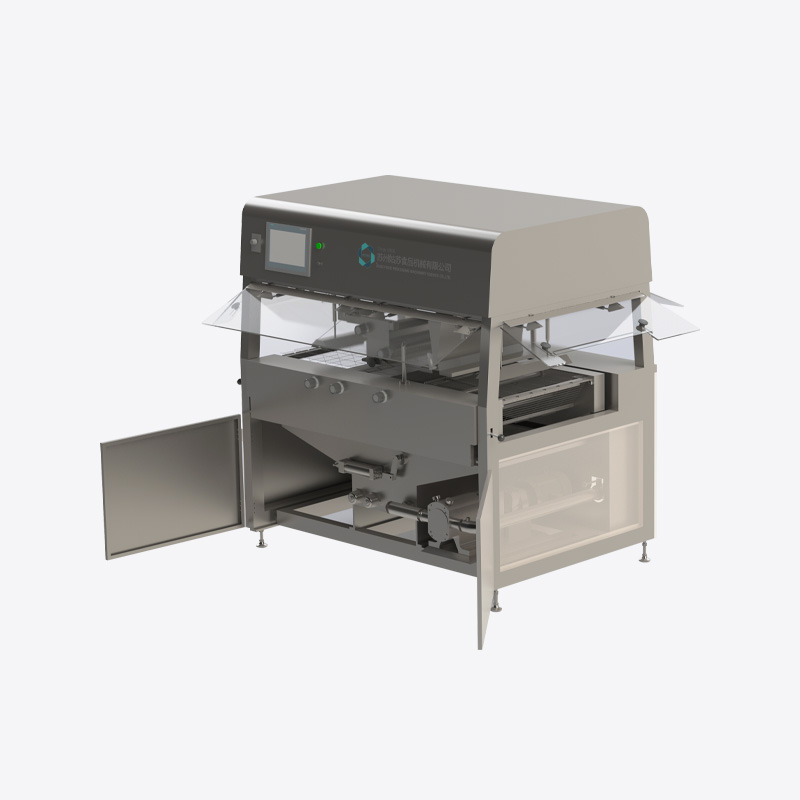
The depositor head is the heart of the machine. It uses a piston or pump system to extrude chocolate through specialized nozzles. The nozzle design determines the shape of the chip, typically creating a flat base and a pointed tip. Advanced depositors feature adjustable stroke lengths and frequencies, allowing operators to fine-tune the weight of each chip, often within a tolerance of +/- 0.1 grams. This precision is essential for cost control and meeting packaging specifications.
Cooling Tunnel System
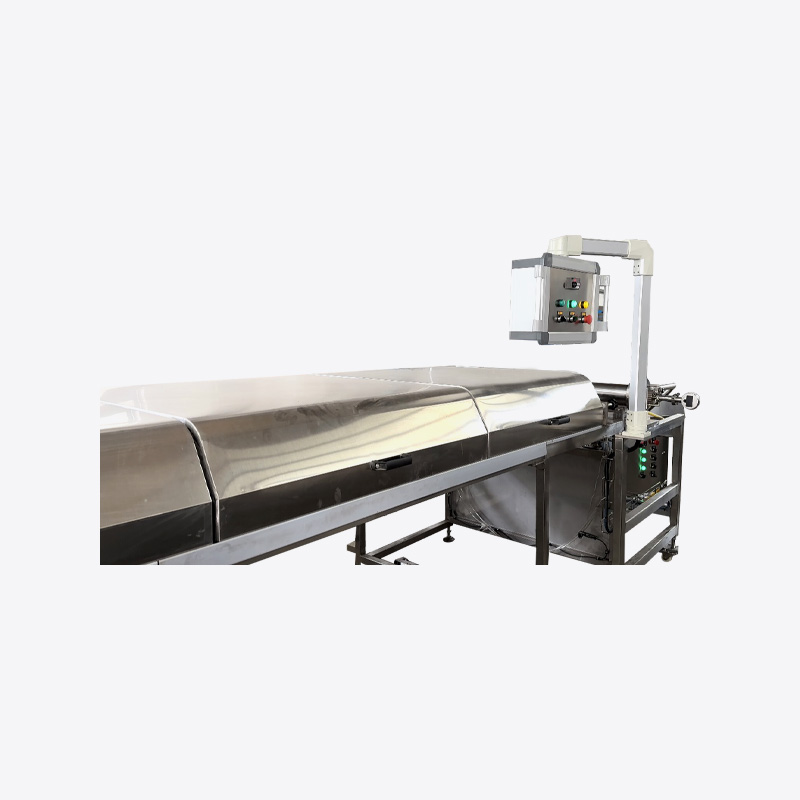
Once deposited, the chocolate chips must be solidified quickly to maintain their shape. The cooling tunnel uses a multi-zone temperature control system, typically ranging from 10°C to 15°C (50°F to 59°F). Airflow is carefully regulated to prevent surface blooming (white streaks caused by fat migration) while ensuring the center sets properly. A well-designed tunnel ensures that chips are fully crystallized before reaching the demolding stage, reducing breakage and sticking.
| Parameter | Standard Range | Impact on Quality |
|---|---|---|
| Deposition Temperature | 30-32°C (86-89.6°F) | Affects flow and shape retention |
| Cooling Time | 15-25 Minutes | Determines crystallization and snap |
| Chip Weight | 1g - 5g | Consistency for baking performance |
Types of Chocolate Chips Machines
Not all production needs are the same. Manufacturers offer different types of machines based on volume, flexibility, and budget constraints.
Rotary Deposition Lines
Rotary depositors are ideal for high-volume production. They use a rotating drum with multiple nozzles, allowing for continuous operation at high speeds. These machines are best suited for large-scale confectionery plants producing standard semi-sweet or milk chocolate chips. They offer the highest output but may have longer changeover times when switching shapes or sizes.
Reciprocating Piston Depositors
Reciprocating systems use a back-and-forth piston motion to deposit chocolate. They are highly versatile and allow for easy adjustment of drop size and shape. These machines are preferred for artisanal producers or facilities that frequently switch between different products, such as dark chocolate chunks, white chocolate drops, or compound coating chips. While slightly slower than rotary systems, they offer superior flexibility and precision for smaller batches.
Maintenance and Hygiene Standards
Maintaining a chocolate chips machine is critical for food safety and operational longevity. Chocolate residue can harden and clog nozzles, leading to inconsistent production and increased waste. Regular cleaning protocols must be established to ensure compliance with food safety standards such as HACCP and ISO 22000.
- Daily Cleaning: Disassemble nozzles and depositor heads after each shift. Use warm water and food-safe detergents to remove chocolate buildup. Avoid abrasive tools that could scratch stainless steel surfaces.
- Lubrication: Regularly lubricate moving parts, such as piston rods and conveyor chains, with food-grade lubricants to prevent wear and contamination.
- Temperature Calibration: Periodically check the accuracy of temperature sensors in the tempering unit and cooling tunnel to ensure consistent product quality.
- Belt Inspection: Inspect the conveyor belt for signs of wear or damage. A damaged belt can cause chips to stick or fall off, leading to product loss and hygiene issues.
Proper maintenance not only extends the life of the machine but also ensures that every batch of chocolate chips meets the highest standards of quality and safety.