

 English
 Español

In commercial chocolate manufacturing, the quality of the final product is determined not just by ingredients, but by the precision of the equipment used at every stage. Two machines that play pivotal roles in both artisan and industrial chocolate production are the chocolate dipper machine and the chocolate conching machine. While they serve distinct functions, together they form the backbone of a professional chocolate production workflow. This guide explains how each machine works, where they fit in the production line, and what to consider when sourcing them for your operation.
Content
What Is a Chocolate Dipper Machine?
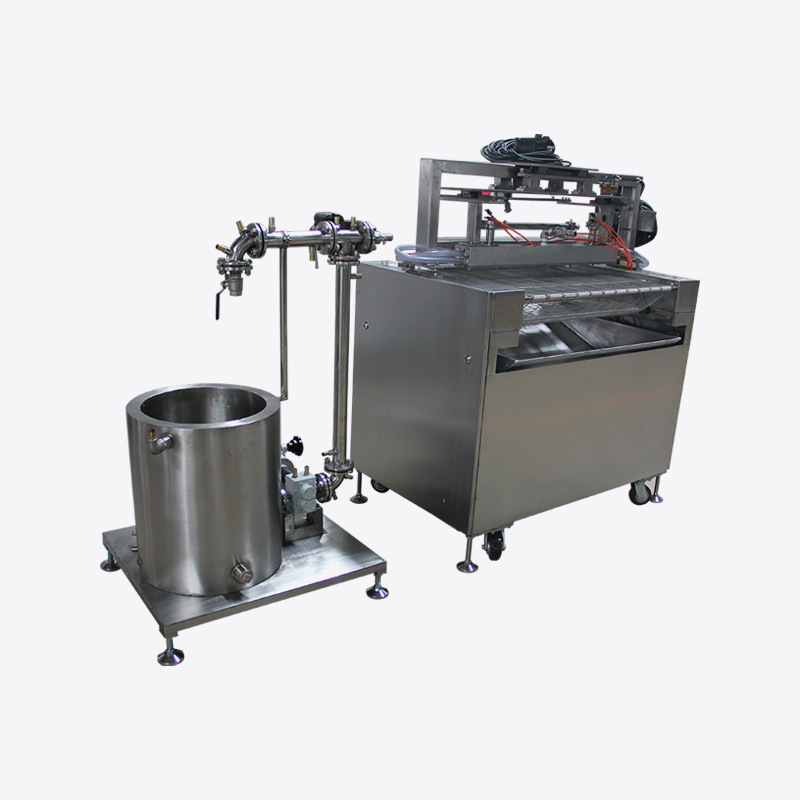
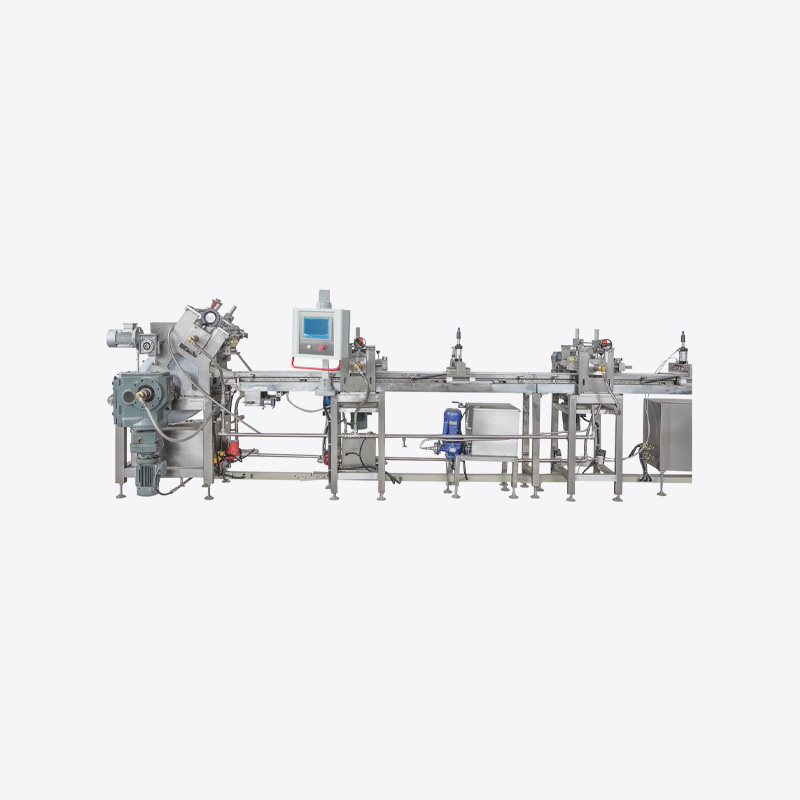
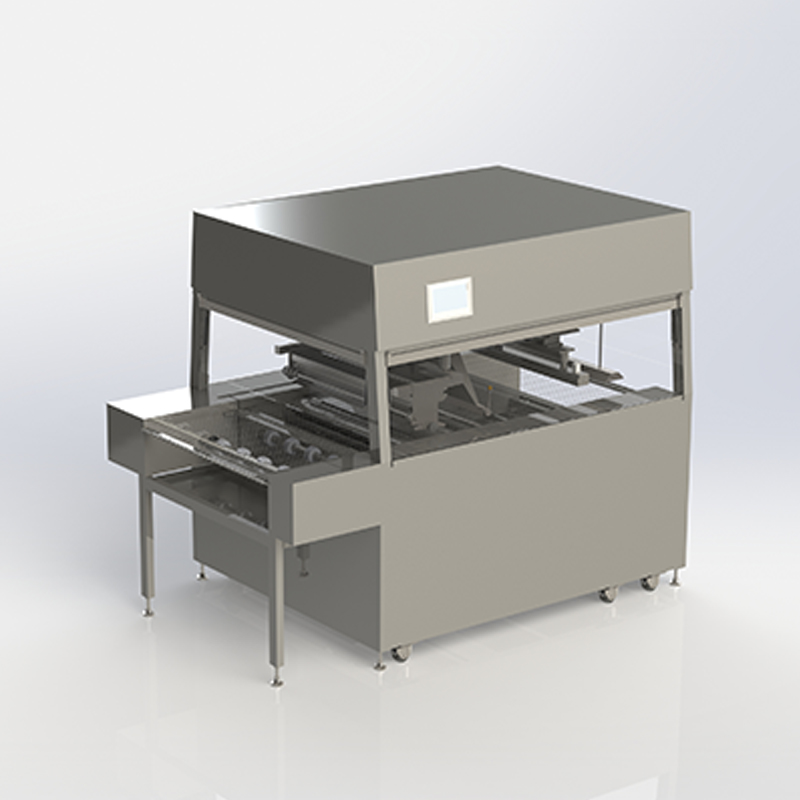
A chocolate dipper machine — also referred to as a chocolate dipping or enrobing machine — is specialized equipment designed to coat confectionery centers, fruits, nuts, biscuits, or ice cream products with a precise, even layer of tempered chocolate. Unlike a simple chocolate melter, a professional dipper machine integrates temperature control, continuous circulation, and in many cases, a conveyor or dipping mechanism to ensure consistent coating quality at production scale.
The core function of a chocolate dipper machine centers on maintaining chocolate at the correct working temperature — typically between 29°C and 32°C depending on the chocolate type — while keeping it in constant motion to prevent fat bloom and ensure a glossy, stable finish. Precise temperature management is what separates a production-grade dipper from basic melting equipment: even a 1°C deviation from the target range can result in dull, streaky coatings or poor snap in the finished product.
For operations requiring consistent, high-volume output, pairing a dipper machine with a Chocolate Tempering Machine upstream ensures that chocolate enters the dipping stage already correctly tempered, dramatically reducing waste and rework.
Key features to look for in a professional chocolate dipper machine include stainless steel food-grade construction, programmable temperature controllers, variable-speed agitation, and easy-access cleaning ports. Capacity ranges from compact 5 kg tabletop units suited to artisan chocolatiers all the way to 200+ kg continuous-flow systems for high-volume confectionery lines.
How a Chocolate Conching Machine Works
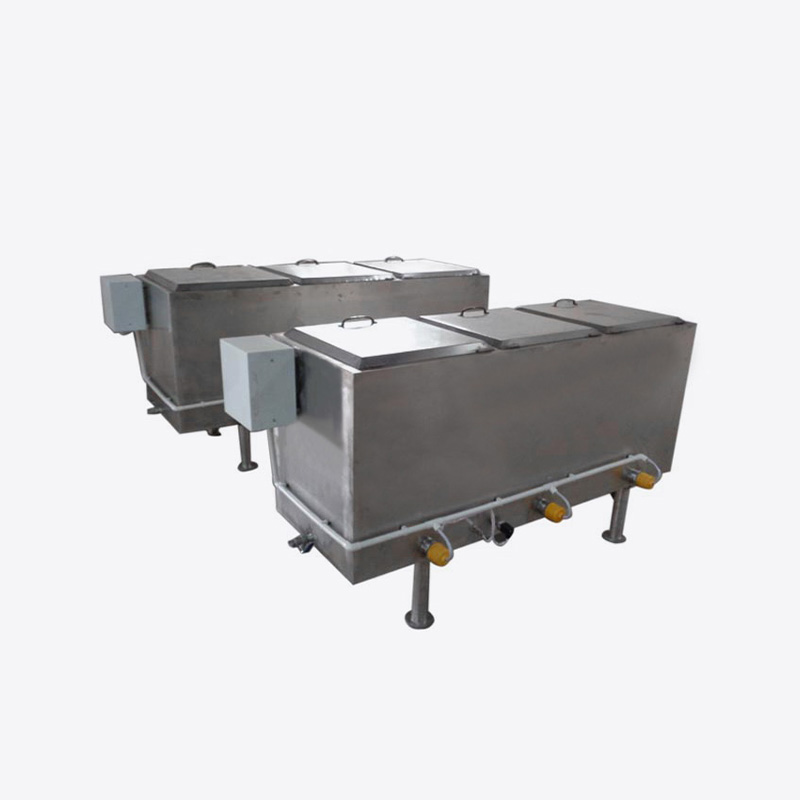
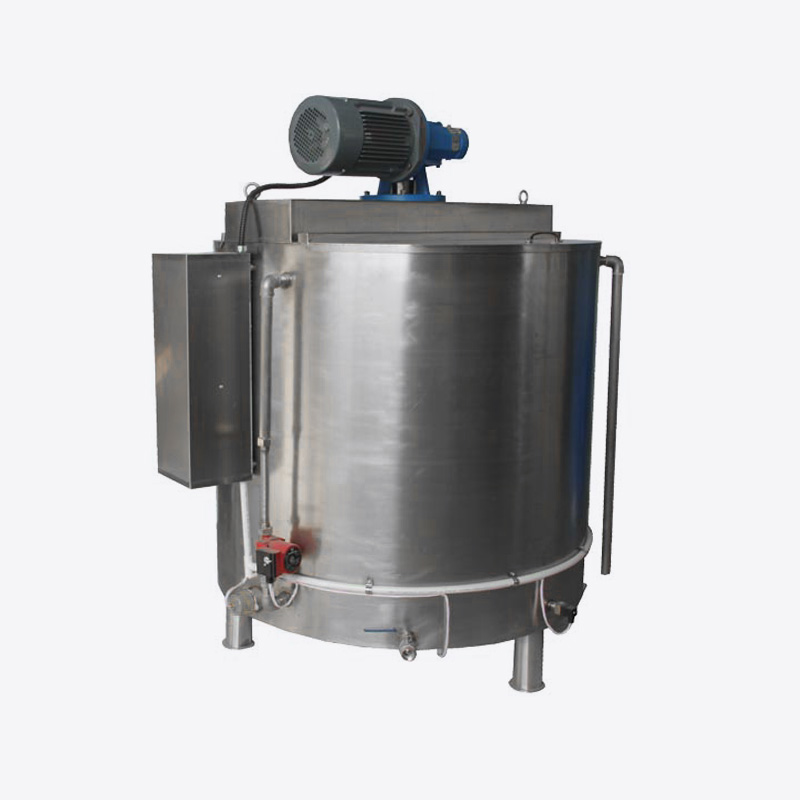
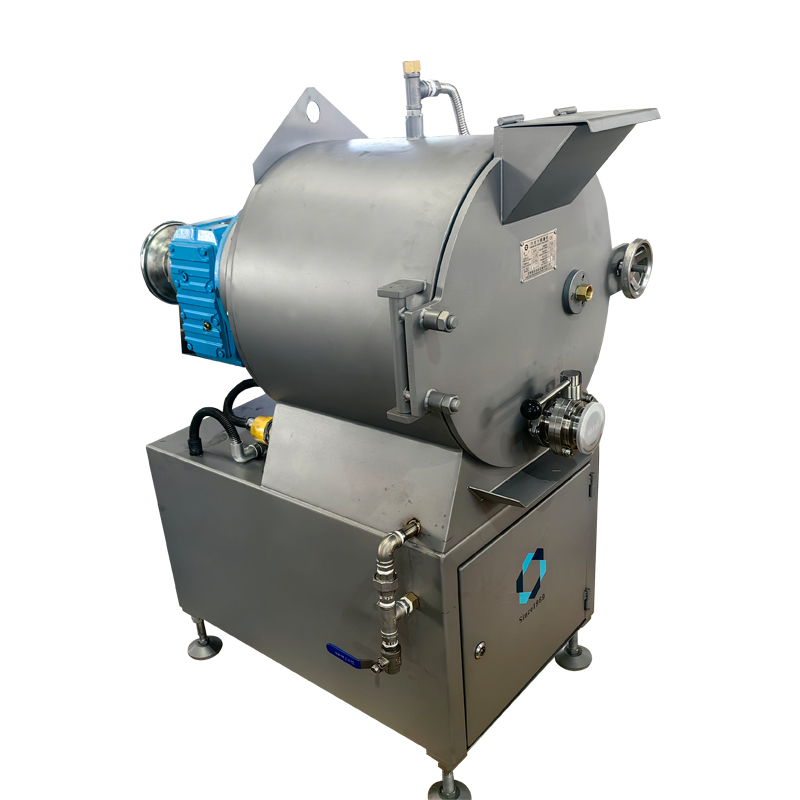
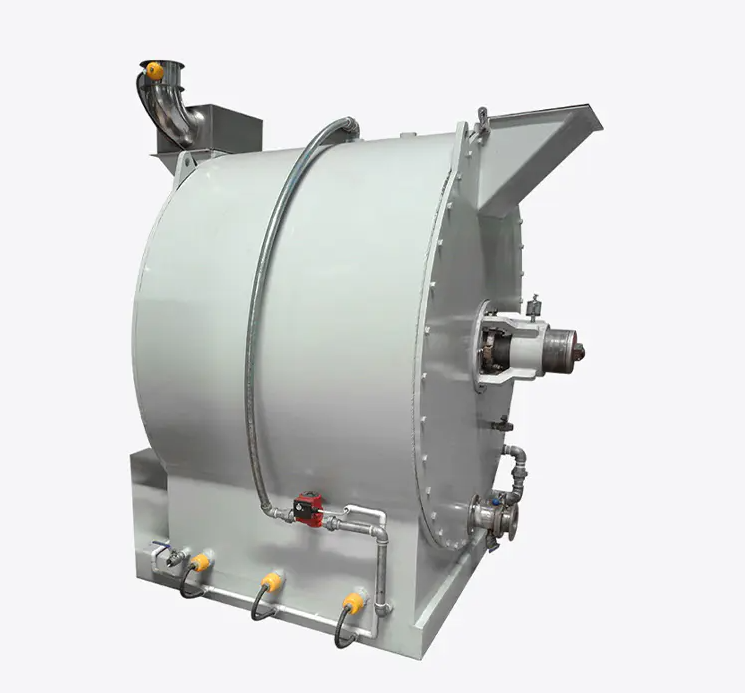
Conching is one of the most critical — and most technically demanding — stages in chocolate manufacturing. A Chocolate Conche machine subjects chocolate mass to prolonged mechanical agitation and controlled heat, transforming a gritty, bitter paste into the smooth, complex, aromatic chocolate that consumers expect.
The process works on several levels simultaneously:
- Particle size reduction: Rotating grinding bars or blades work against lining bars — typically manufactured from high-strength manganese steel — to break down solid particles to 20–25 microns. Below 30 microns, particles become imperceptible on the palate, delivering the signature smooth mouthfeel of quality chocolate.
- Flavor development: Sustained agitation at controlled temperatures (typically 50°C–80°C depending on the chocolate type) drives off volatile acetic acids, undesirable moisture, and off-flavors accumulated during fermentation and roasting. This is what transforms raw cocoa mass into the nuanced, rounded flavor profile of finished chocolate.
- Fat coating and homogenization: Conching ensures that every solid particle — sugar crystals, cocoa solids, milk powder — is thoroughly coated with cocoa butter. This uniform fat coating is responsible for the characteristic flow properties and viscosity of properly conched chocolate.
- Moisture reduction: Conching lowers moisture content to the 0.5–1% range required for stable, shelf-stable chocolate. Excess moisture causes thickening, graininess, and accelerated spoilage.
Conching duration varies significantly by application. Dark chocolate intended for fine confectionery may require 24–72 hours of conching to develop full flavor complexity, while compound chocolate for industrial enrobing may be adequately processed in 4–8 hours. Modern conching machines with PLC control panels and HMI interfaces allow operators to program precise time, temperature, and agitation profiles, ensuring batch-to-batch consistency.
Key Differences: Dipper Machine vs. Conching Machine
Although both machines handle chocolate, they operate at fundamentally different stages of production and serve entirely different purposes. The table below summarizes the key distinctions:
| Parameter | Chocolate Dipper Machine | Chocolate Conching Machine |
|---|---|---|
| Stage in production | Downstream (finishing / coating) | Upstream (chocolate mass processing) |
| Primary function | Coating confectionery centers with tempered chocolate | Refining, flavor development, and homogenization of chocolate mass |
| Temperature range | 29°C – 32°C (working temperature) | 50°C – 80°C (process temperature) |
| Processing time | Continuous / real-time coating | 4 – 72 hours per batch |
| Output | Finished coated chocolate product | Refined liquid chocolate mass ready for tempering or molding |
| Key materials | Food-grade stainless steel, heating elements | Manganese steel grinding bars, stainless steel jacketed tank |
| Suitable for | Chocolatiers, bakeries, confectionery lines | Chocolate manufacturers, bean-to-bar producers |
Understanding this distinction is essential when building or expanding a production line. A chocolatier working with couverture chocolate may need only a dipper machine, while a bean-to-bar manufacturer processing raw cocoa mass will require a conching machine as a core upstream component.
Core Application Scenarios
Both machines find deployment across a wide spectrum of food production environments. Here are the most common scenarios where each delivers measurable value:
- Artisan Chocolate Studios and Patisseries: Small-capacity dipper machines (5–20 kg) allow pastry chefs and chocolatiers to coat truffles, pralines, dried fruits, and biscuit bars with precision. Compact conching units in the 10–50 L range enable small-batch bean-to-bar production without the capital investment of industrial equipment.
- Mid-Scale Confectionery Manufacturers: Operations producing 50–500 kg per day benefit from semi-automatic dipper machines integrated with conveyor systems and Chocolate Enrober lines. Conching machines in the 100–500 L range allow these producers to maintain consistent flavor profiles across large batches.
- Ice Cream and Frozen Dessert Producers: Dipper machines configured for low-viscosity dark or compound chocolate are widely used for coating ice cream bars, cones, and frozen desserts on high-speed production lines.
- Bakery and Snack Food Lines: Chocolate-dipped cookies, wafers, cereal bars, and fruit pieces require precise, repeatable coating weights. Automated dipper and enrober systems eliminate manual variation and reduce labor costs significantly.
- Industrial Chocolate Processors: Large-scale conching machines with capacities exceeding 1,000 L serve industrial chocolate producers supplying bulk liquid chocolate to confectionery, bakery, and dairy sectors. These systems operate continuously with PLC-driven process automation.
What to Look for When Buying
Sourcing chocolate processing equipment is a long-term investment. The following parameters should guide the evaluation of both dipper and conching machines:
- Production Capacity Alignment: Always size equipment to 20–30% above your current peak production requirement to accommodate growth without immediate reinvestment. Undersized equipment running at 100% utilization degrades faster and creates bottlenecks.
- Temperature Control Precision: For dipper machines, look for PID temperature controllers with ±0.5°C accuracy. For conching machines, water-jacketed tanks with independent heating and cooling circuits allow fine control throughout the conching cycle.
- Material and Food Safety Compliance: All product-contact surfaces must be manufactured from food-grade 304 or 316 stainless steel. Verify that the supplier can provide relevant food safety certifications (CE, SGS, or equivalent) for your target market.
- Ease of Cleaning and Maintenance: Chocolate equipment requires thorough cleaning between batches and product changeovers. Machines with tool-free disassembly, smooth internal radii, and accessible drain ports significantly reduce cleaning time and contamination risk.
- Automation and Control Interface: PLC-controlled machines with HMI touchscreens enable recipe storage, process monitoring, and remote diagnostics — critical for maintaining consistency across operator shifts.
- After-Sales Support and Spare Parts Availability: Confirm that the manufacturer stocks critical wear parts (grinding bars, seals, heating elements) and can provide remote or on-site technical support. Downtime on chocolate processing equipment carries significant production cost.
- Customization Options: Leading manufacturers can tailor machine dimensions, tank capacities, and motor specifications to fit existing production floor layouts and utility connections — a capability that becomes particularly valuable when replacing legacy equipment.
Building a Complete Chocolate Production Line
In a fully integrated chocolate production environment, the dipper machine and conching machine are two nodes in a larger system. Understanding where each fits helps production managers plan capital expenditure and workflow sequencing effectively.
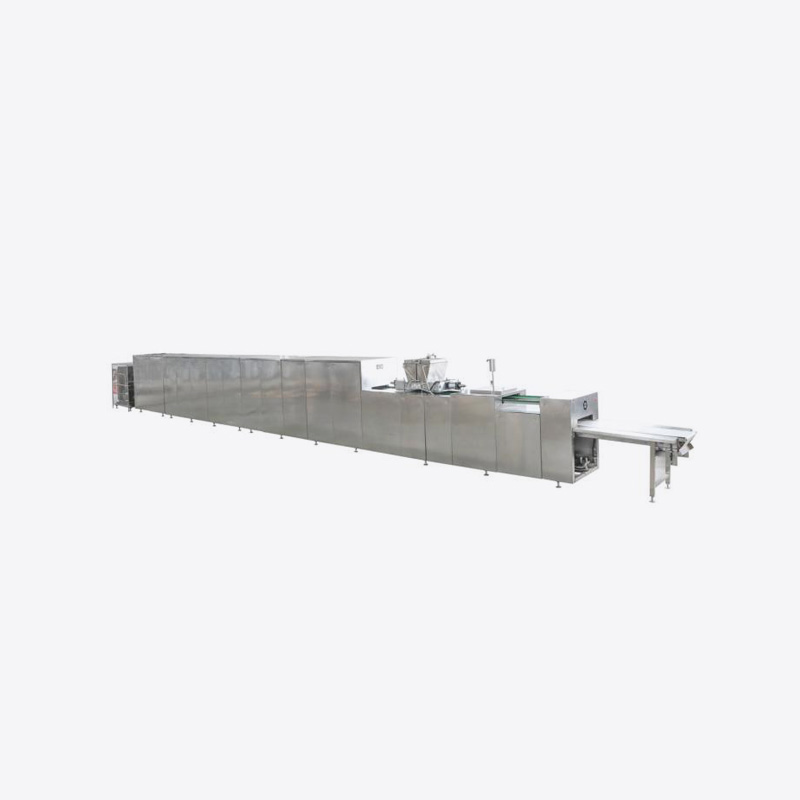
A typical bean-to-bar or mass-production chocolate line flows as follows: raw cocoa beans → roasting and winnowing → fat melting → milling and ball milling → conching and refining → tempering → molding or dipping/enrobing → cooling tunnel → packaging. The conching machine sits at the quality-critical mid-stream stage, transforming raw ingredients into finished chocolate mass. The dipper or enrober machine operates at the output stage, applying that refined chocolate to the final product form.
For operations planning to scale or diversify product lines, investing in modular, compatible equipment from a single manufacturer significantly reduces integration complexity. A supplier offering the full equipment range — from conche to cooling tunnel — can engineer the line as a unified system with matched capacities, compatible control protocols, and streamlined commissioning.
Gusu Food Processing Machinery is a professional manufacturer of commercial chocolate making equipment based in Suzhou, China, supplying complete chocolate production solutions to confectionery producers, food manufacturers, and industrial processors globally. From individual machines to fully integrated Chocolate Production Lines, Gusu provides engineered solutions backed by factory support and after-sales service. Contact our team to discuss your production requirements and request a customized equipment proposal.