

 English
 Español

Content
- 1 Why Refining Systems Matter More Than Many People Realize
- 2 Why texture depends on the refining stage
- 3 How ingredient behavior changes inside the system
- 4 What affects performance in everyday use
- 5 Where this kind of equipment fits in the factory
- 6 Why some systems stay steady longer than others
- 7 How flexibility helps when products change
- 8 How the refining stage fits the rest of the workflow
- 9 Why the industry keeps moving toward controlled systems
- 10 Maintenance keeps the whole process usable
Why Refining Systems Matter More Than Many People Realize
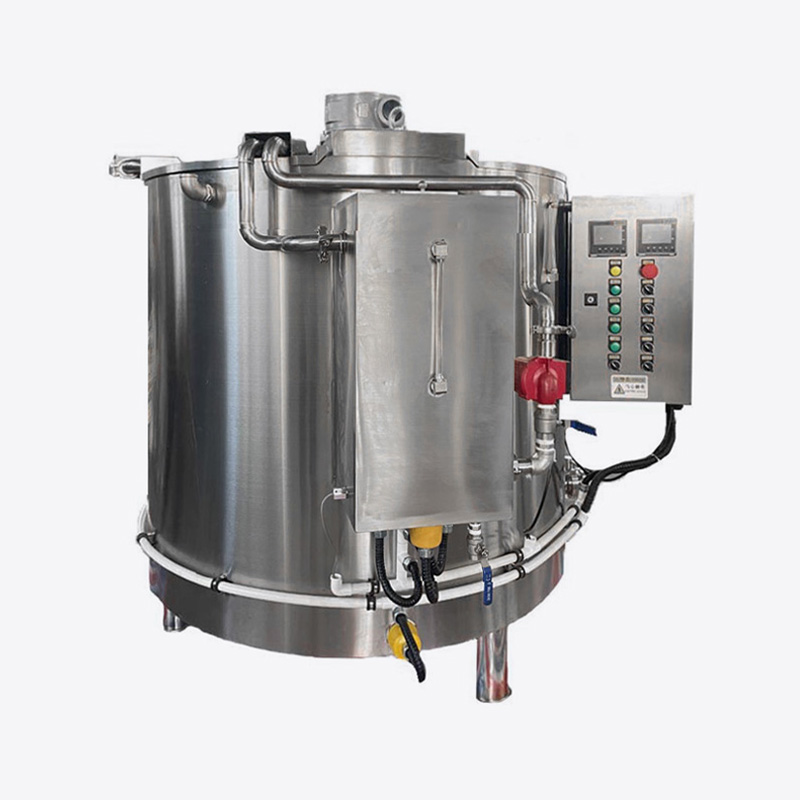
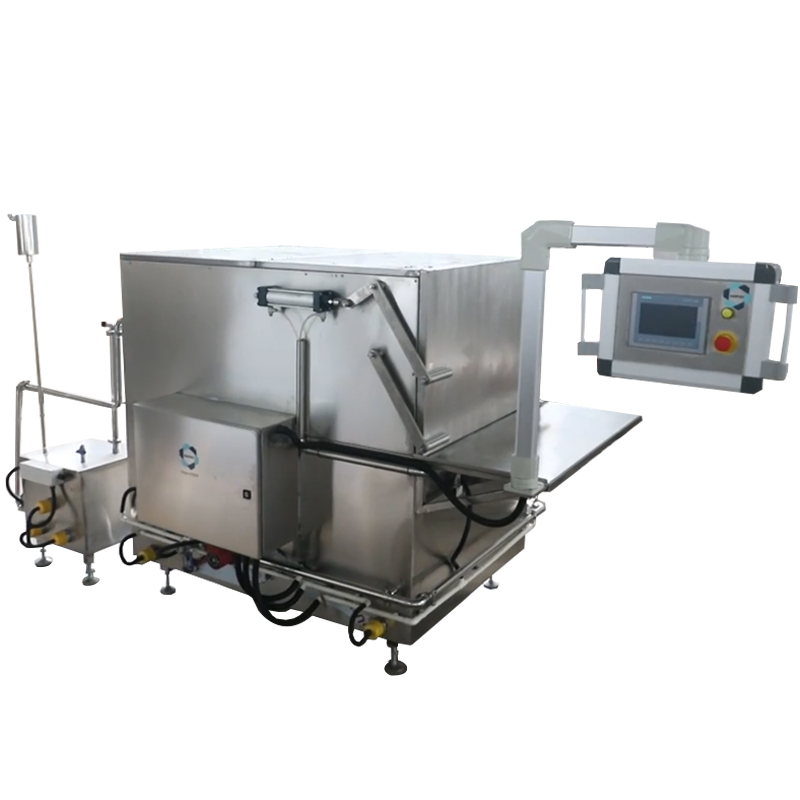
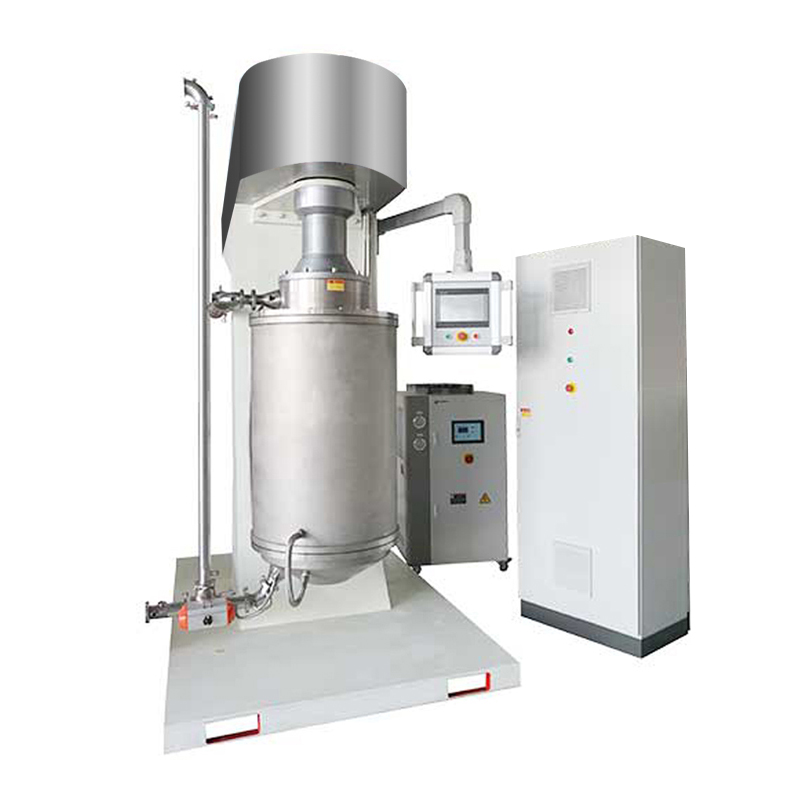
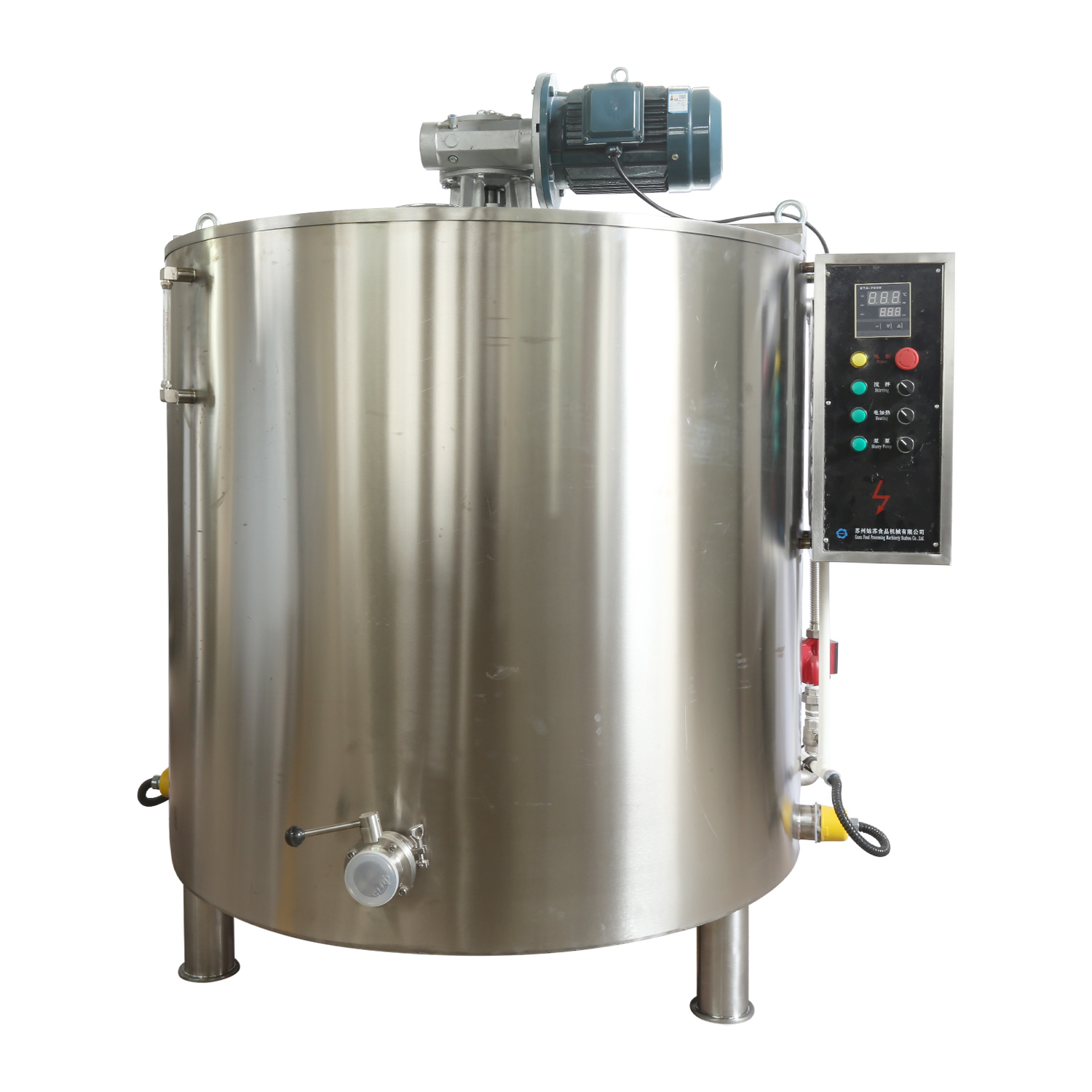
Chocolate production looks simple from a distance, but anyone who has worked around it knows the truth is usually less tidy. The final texture depends on small things that happen earlier in the process, and those details are easy to overlook if people only focus on the recipe. In practice, one of the quietest but important stages is refining. That is where a Chocolate Ball Mill often enters the picture, not as a flashy centerpiece, but as the part that helps the mixture settle into a more controlled state.
A good production team does not think of this stage as just another piece of hardware. It is part of the larger rhythm of the plant. If the process is stable, the material behaves in a steadier way. If it is not, small differences start to show up in the finished product. A rougher feel, less even blending, or inconsistent mouthfeel can all begin here, long before the product is packed or shipped.
That is why many factories spend time looking at how the refining step actually works in daily use. They want to know whether the system can stay steady under repeated cycles, whether the output feels consistent from batch to batch, and whether the team can keep it in good shape without turning maintenance into a constant interruption.
Why texture depends on the refining stage
People usually notice texture before they notice anything else. If a product feels smooth, balanced, and clean on the tongue, it leaves a different impression than one that feels coarse or uneven. That difference is often created during refining, not at the very end.
The role of Chocolate Ball Mill processing is to reduce particle size in a gradual and controlled way. That is important because the ingredients in chocolate do not all behave the same. Some parts need time to break down. Some need repeated movement to settle properly. If the process is too quick or too uneven, the result may still be usable, but it will not feel as refined.
The point is not to make the material perfect in some abstract sense. The point is to create a result that stays close from one batch to the next. In food production, that kind of repetition is often what people value .
How ingredient behavior changes inside the system
Once the mixture enters the refining stage, the ingredients begin interacting in a different way. Cocoa solids, sugars, and fats all respond to movement and pressure in their own way. That is why this part of the process needs more attention than it sometimes gets.
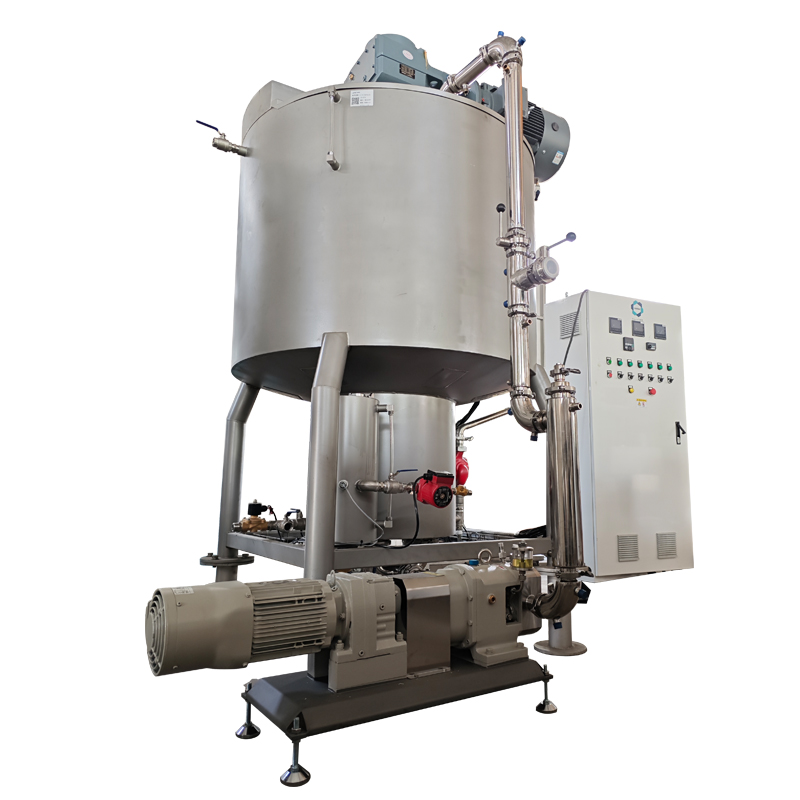
Inside the Chocolate Ball Mill, the mixture is moved repeatedly so the particles become more evenly distributed. This helps reduce rough spots and supports a smoother internal structure. It is not just about grinding. It is also about blending in a controlled environment until the material reaches a more stable condition.
When that part is handled well, the next stages become easier to manage. The material flows more predictably, the texture is more even, and the final result is easier to keep consistent across larger runs.
What affects performance in everyday use
A system can be well designed and still give mixed results if the operating conditions shift too much. That is why daily performance matters as much as design.
Raw material condition is one of the things to watch. If the input varies too much in size, moisture, or consistency, the refining step has to work harder to compensate. Keeping those inputs steady helps the process stay more predictable.
Internal wear also matters. Over time, the moving parts inside the refining unit change slightly through use. Even small wear patterns can affect how material moves through the chamber. That is one reason regular inspection is worth doing. It helps the team catch changes before they start affecting the output.
Temperature is another factor that can quietly influence the result. Chocolate-like mixtures are sensitive to heat, so if the processing environment changes too much, the flow behavior can change as well. A stable temperature range makes the work easier to control.
Batch size and running time also matter. A shorter cycle may not be enough for the texture target. A longer one may move the material beyond the intended point. The right balance depends on the recipe, the output target, and how the plant is organized.
Where this kind of equipment fits in the factory
This type of refining system is used in several kinds of food production settings. In larger plants, it may be part of a longer production sequence that includes mixing, shaping, and packing. In smaller workshops, it may be used where the team wants more control over the final texture without building an overly complicated setup.
A Chocolate Ball Mill is also useful in product development spaces. When a new recipe is being tested, the team needs a way to evaluate how the material behaves when refined. Small changes in processing can have a noticeable effect on the final result, so the ability to control that stage is valuable.
Some facilities use it for limited production runs or specialized formulas. Others rely on it for more routine output. In each case, the goal is similar: reduce variation and make the process easier to repeat.
Why some systems stay steady longer than others
Not every refining setup behaves the same over time. Some keep producing the same kind of result for a long period, while others drift and need more adjustment. That usually comes down to a mix of design, handling, and maintenance.
A stable structure helps a lot. If the unit stays steady during use, the movement inside remains more even. If the body shifts or vibrates too much, the process becomes harder to predict. That can affect how the material is worked and how the final texture turns out.
The motion pattern inside the chamber also matters. If the movement remains consistent, the particles are handled in a more controlled way. If the motion becomes irregular, the result may vary more than expected.
Operator habits are another part of the picture. A well-run system depends on how it is loaded, started, cleaned, and monitored. If those habits stay consistent, the output is easier to keep under control.
How flexibility helps when products change
Food production rarely stays fixed forever. Market demand changes. New products appear. Seasonal styles may require a different texture or a slightly different processing approach. Because of that, flexibility in refining is useful.
The Chocolate Ball Mill can often be adjusted for different goals. Processing time is one of the simplest changes. A longer cycle usually gives the material more time to refine. A shorter cycle may preserve a slightly different structure. Batch size also affects the process, so operators often need to balance load and time together.
Processing intensity can also be adapted. Some formulations need a gentler approach. Others need a more thorough one. The ability to adjust without changing the whole line gives manufacturers more room to respond to new requirements.
That kind of flexibility is practical. It does not make the system more complicated for its own sake. It simply gives the factory more ways to handle variation without losing control.
How the refining stage fits the rest of the workflow
A production line does not work as isolated parts. Each step affects the next. If the upstream mix is uneven, the refining stage has to compensate. If the downstream handling is poorly planned, the material may sit too long or move at the wrong time.
That is why Chocolate Ball Mill planning is usually part of a wider production discussion. The team is not only thinking about one machine. They are thinking about how the entire flow behaves from one stage to the next.
Temperature monitoring is part of that wider view. If the environment changes too much, the material may behave differently. A steady process is easier to manage because there are fewer surprises. That makes the day smoother for operators and reduces unnecessary corrections.
Why the industry keeps moving toward controlled systems
Manufacturers want less variation. They want easier planning. They want systems that are understandable and manageable in real use, not just in theory. That is one reason controlled refining systems continue to draw attention.
The Chocolate Ball Mill fits that direction because it supports a more stable approach to texture and blending. It is not about adding complexity. It is about giving the factory a better way to control one of the sensitive stages in production.
The industry is also asking for more adaptability. A system that can support different recipes or production styles is more useful than one that only works well in a narrow setting. That is why flexibility has become part of the discussion more often.
At the same time, long-term reliability still matters. A process that works today but creates trouble later is not a good trade. Manufacturers want equipment that can stay steady across repeated use and remain manageable over time.
Maintenance keeps the whole process usable
No refining system stays in good condition without attention. Cleaning is part of that. So is checking for wear, listening for changes in operation, and making small adjustments before problems grow.
A Chocolate Ball Mill that is cleaned regularly is usually easier to manage. Build-up inside the chamber can affect movement and change how the material behaves. Wear can do the same if it is left alone too long. Preventive care helps avoid those issues.
Operator familiarity matters too. When the team knows how the system normally sounds and feels, they can notice changes earlier. That kind of awareness is often what keeps small issues from turning into larger disruptions.
Chocolate production depends on more than the recipe. It depends on how the material is handled at each stage, and refining is one of the stages that matters . If that stage is handled well, the texture becomes more controlled, the output is easier to repeat, and the whole process feels steadier.
A Chocolate Ball Mill supports that stage by turning a sensitive part of production into something more manageable. It helps the material reach a more even condition and gives manufacturers a better way to keep quality steady across batches.
For factories, that stability is often the real value. It makes the line easier to run, easier to monitor, and easier to improve over time.