

 English
 Español

What Is a Chocolate Filling Machine?
A chocolate filling machine is automated equipment designed to dispense measured quantities of chocolate — whether liquid, paste, or semi-solid — into molds, jars, pouches, or confectionery shells with precision and speed. At its core, the machine replaces manual portioning with consistent, repeatable dosing controlled by PLC systems and sensor-driven nozzles.
Demand for this category of equipment is accelerating. According to industry forecasts for chocolate processing equipment through 2035, the sector is projected to grow at a compound annual rate of 4.8%, driven by automation upgrades in established markets and new factory capacity in Asia-Pacific and Africa. For confectionery manufacturers at any scale, the right filling machine is no longer optional — it's a throughput and quality prerequisite.
Content
Types of Chocolate Filling Machines
Not all chocolate filling equipment works the same way. The correct machine type depends on what you're filling — and what you're filling into.
Paste and Sauce Filling Machines
These linear or rotary machines handle high-viscosity materials: chocolate sauce, hazelnut spread, cocoa paste, and similar products. They fill jars, bottles, or pouches using cylinder-driven nozzles with adjustable stroke volumes. A typical 6-head linear unit can handle 100–1000 ml per fill at speeds of 12–60 containers per minute. Food-grade 304 stainless steel contact parts and PLC-controlled cylinders keep both hygiene and accuracy tight.
Chocolate Mold Depositors
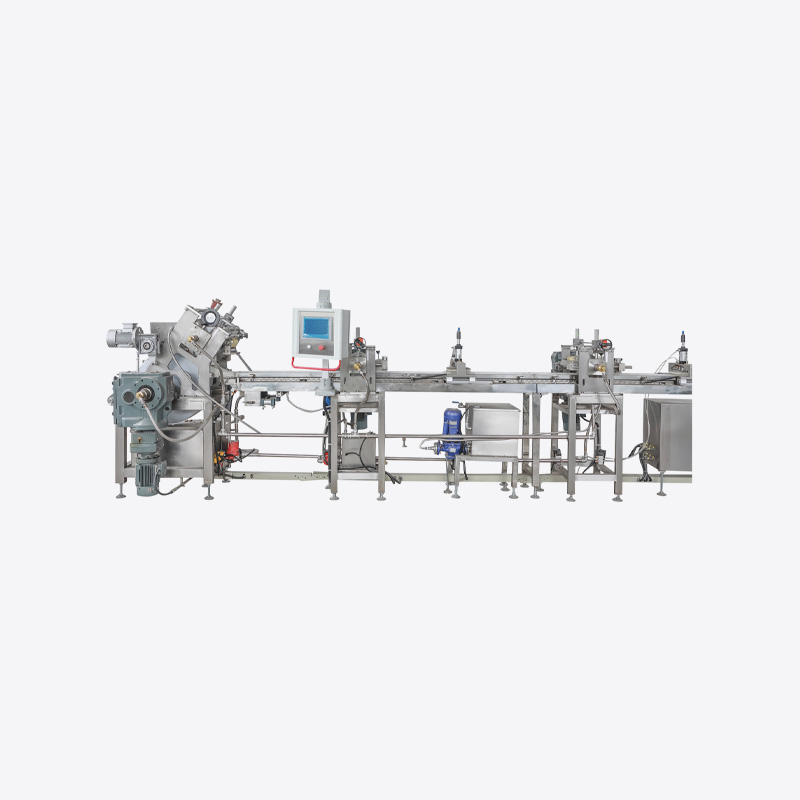
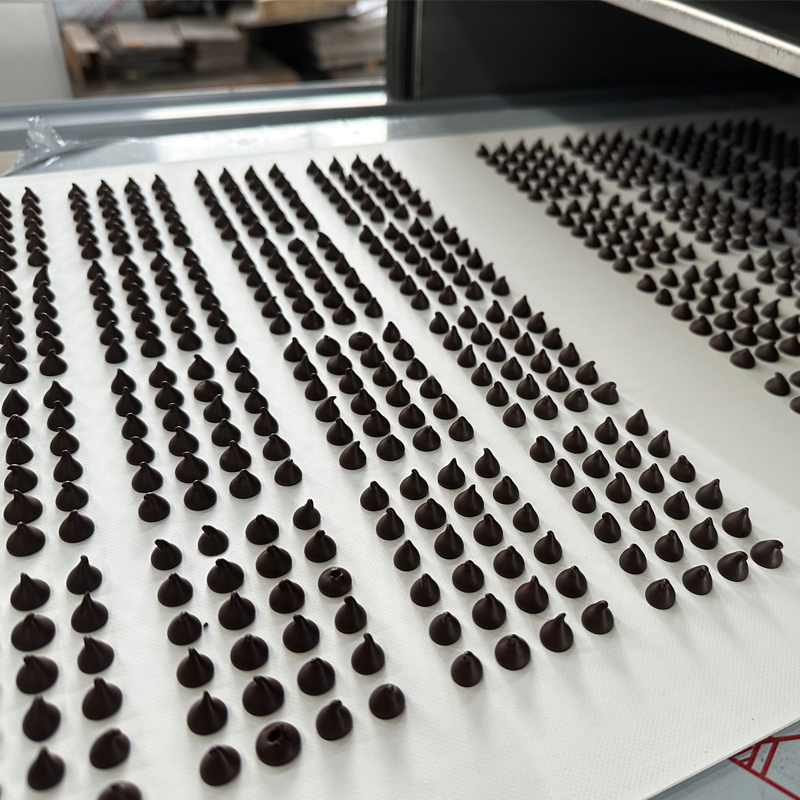
Used in bar, praline, and molded confectionery production, depositors dispense tempered liquid chocolate directly into polycarbonate or stainless steel molds. Fill volume is metered by pump timing or piston displacement, with each nozzle independently adjustable. These machines form the heart of most complete chocolate production line solutions where volume, shell thickness, and center-filling ratios must stay consistent across thousands of pieces per hour.
Praline and Truffle Injectors
Injectors are designed for post-shell filling — pushing ganache, caramel, nut paste, or cream into a pre-formed chocolate shell through a custom injection plate. They require a compressed air source and can handle materials up to the viscosity of tempered chocolate. For manufacturers running biscuit-based products, a biscuit depositing machine for filled chocolate products combines cookie forming and chocolate injection in one integrated step.
How a Chocolate Filling Machine Works
The filling sequence follows four tightly linked stages, each one requiring careful engineering to avoid the most common failure points — dripping, weight variance, and air pockets.
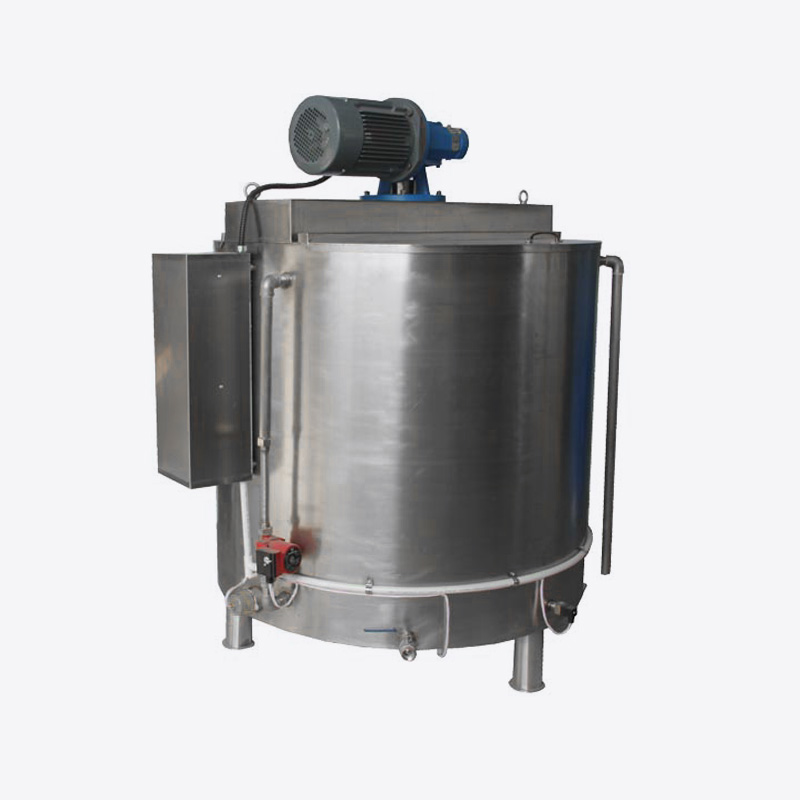
- Temperature-controlled holding: Chocolate is maintained at a precise working temperature (typically 28–32°C for tempered product) in a jacketed hopper or connected storage tank. Even small temperature deviations change viscosity enough to throw off fill weights.
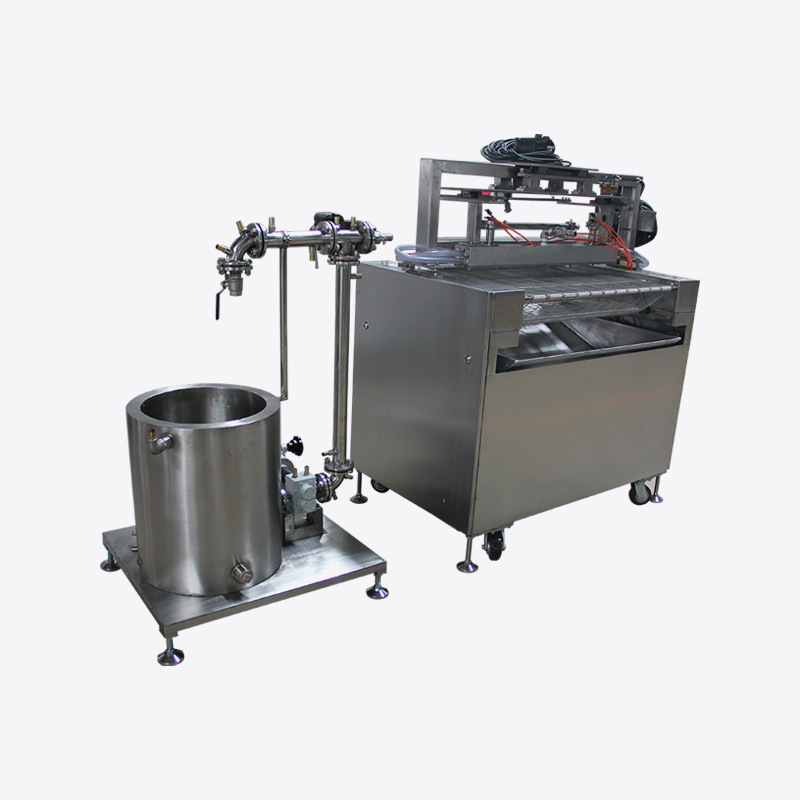
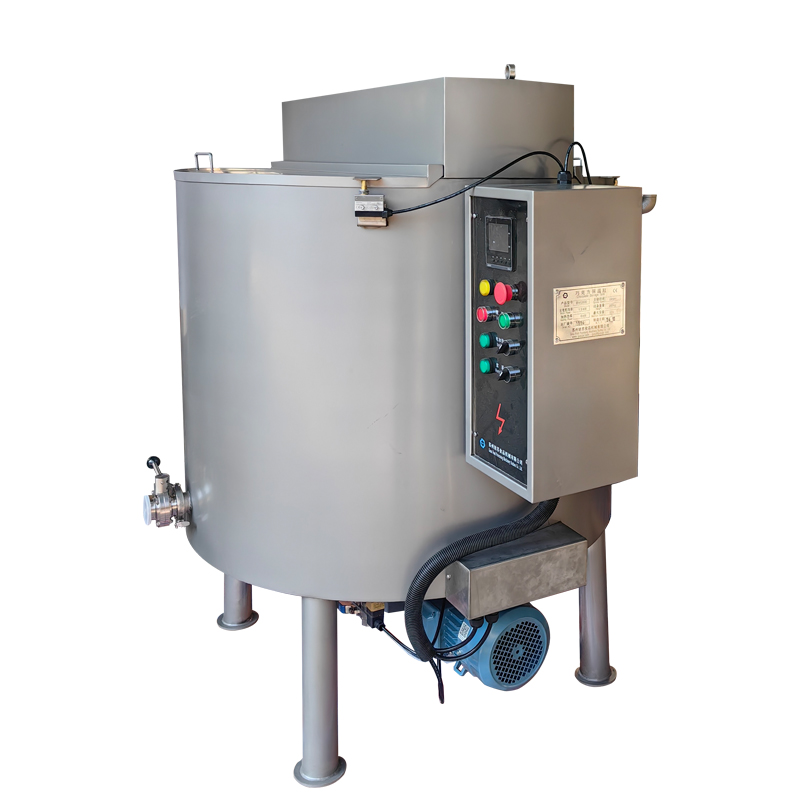
- Metered transfer: A gear pump or piston system draws a fixed volume from the hopper toward the nozzle. A chocolate delivery pump for seamless material transfer handles this stage on larger lines, ensuring no air entrainment between the tank and fill head.
- Dispensing and anti-drip: The nozzle opens under PLC signal, fills the container, then uses a brief pressure reversal or valve snap-close to prevent trailing drips. Fiber optic sensors confirm container presence before each cycle fires.
- Counting and batching: Modern machines log fill counts by shift or day, allowing production managers to track throughput against targets without manual tallying.
Key Technical Parameters to Compare
When evaluating machines, focus on parameters that directly affect compatibility with your product and containers — not just headline output speed.
| Parameter | Typical Range | Why It Matters |
|---|---|---|
| Filling Volume Range | 50 ml – 5,000 ml | Must bracket your smallest and largest SKU without head swaps |
| Number of Fill Heads | 1 – 16 | Direct multiplier on output speed; more heads need more footprint |
| Filling Speed | 10 – 120 units/min | Match to your upstream and downstream line capacity |
| Viscosity Handling | 500 – 100,000 cP | Chocolate paste and ganache sit at the high end; confirm pump type |
| Contact Material | SUS304 / SUS316L | 316L required for high-cocoa or acidic fillings in regulated markets |
| Filling Accuracy | ±0.5% – ±2% | Critical for weight-declared packaging and cost control |
Pay close attention to viscosity specifications. Chocolate changes dramatically between 28°C and 35°C — a machine rated for sauces at 500–5,000 cP may struggle with a thick praline filling at 30,000 cP unless the hopper has proper jacketing and agitation.
How to Choose the Right Machine for Your Line
The temptation is to buy on speed. A better framework starts with four questions:
1. What is your daily output target?
Small artisan operations (under 500 units/hour) are typically well served by a single-head or 2-head semi-automatic unit. Mid-scale factories producing 2,000–10,000 units/hour need a 4–8 head linear machine with full PLC automation. Above that, rotary depositors with in-line integration become the right architecture.
2. What product types will you run?
If your product range spans both thin chocolate sauces and thick nut pastes, prioritize machines with variable-speed pumps and independently adjustable nozzle springs. A fixed-parameter machine optimized for one viscosity will underperform on the other.
3. What container formats do you use?
Glass jars, PET bottles, polycarbonate molds, and foil trays each require different nozzle geometries and container-positioning systems. Confirm whether the machine can switch formats within your operation's acceptable changeover window — ideally under 30 minutes for mixed-SKU lines.
4. What level of automation fits your labor model?
Full automation (auto-feeding, filling, capping, labeling in one line) delivers the lowest cost-per-unit but requires higher capital and trained maintenance staff. Semi-automatic filling with manual capping may be the right balance for lower-volume runs or facilities still building technical capability.
Integrating the Filling Machine into a Chocolate Production Line
A filling machine running in isolation rarely performs to specification. Its output quality depends entirely on what happens upstream — and its throughput determines what must happen downstream.
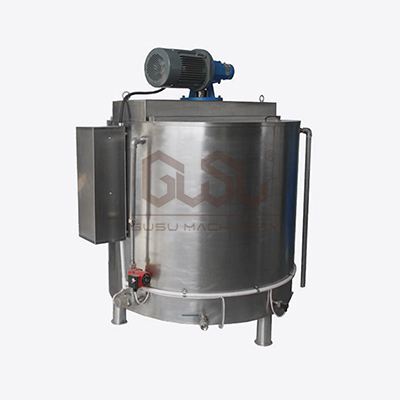
Upstream: Tempered chocolate at the right viscosity is the non-negotiable input. A chocolate tempering machine for consistent viscosity control ensures the product entering your fill heads is stable in both temperature and crystal structure. Pairing it with an insulated chocolate storage tank between the temperer and the filler buffers against flow interruptions without letting the chocolate drift out of temper.
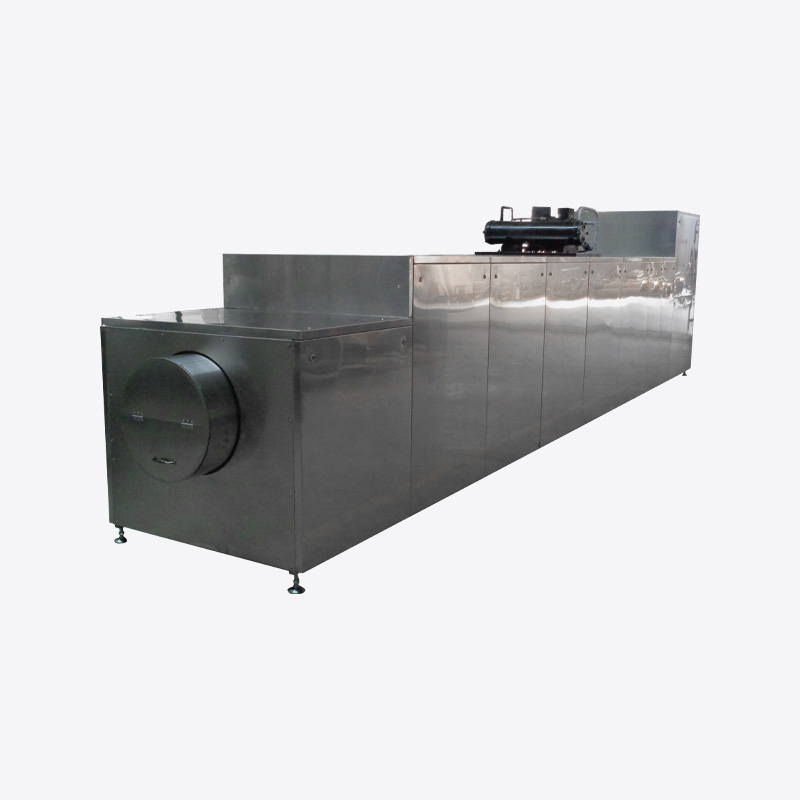
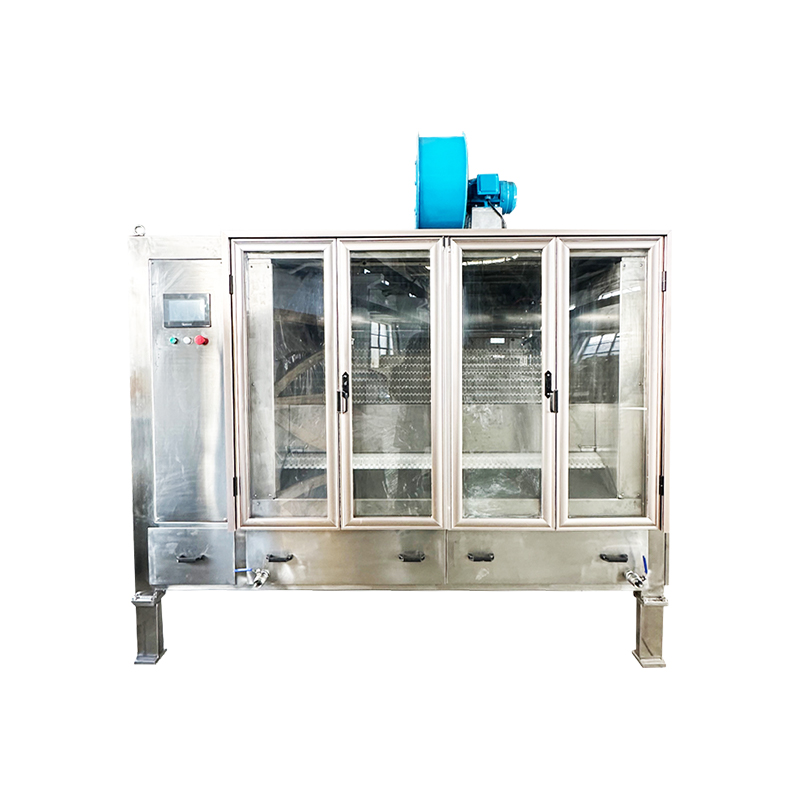
Downstream: Filled molds or containers need controlled cooling to set the chocolate without bloom or deformation. A cooling tunnel with defined belt speed and zone temperatures closes the loop, turning a fill operation into a finished-product output. Planning the line as a system — rather than as individual machines — is what separates consistent production from constant troubleshooting.
For manufacturers looking beyond a single machine purchase, exploring purpose-built complete chocolate production line solutions is often the more cost-effective path at medium and large scale, as matched equipment eliminates compatibility guesswork and simplifies ongoing technical support.