

 English
 Español

Content
The Critical Role of Chocolate Mixing Machines
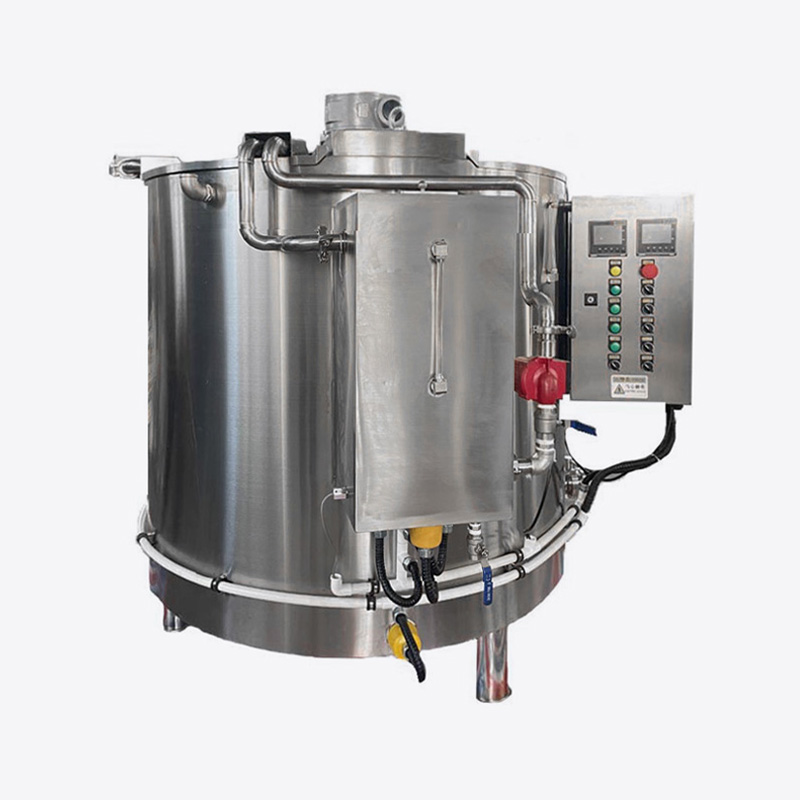
A chocolate mixing machine is the heart of any confectionery production line, responsible for transforming raw cocoa mass, sugar, and milk powder into a smooth, homogeneous paste. Proper mixing ensures that particle sizes are reduced to below 30 microns, which is the threshold for detecting grittiness on the human tongue. Without precise mechanical agitation and thermal control, chocolate remains coarse and lacks the characteristic glossy snap.
Beyond simple blending, these machines facilitate crucial chemical processes such as flavor development and moisture reduction. Investing in the right type of mixer directly impacts the viscosity, mouthfeel, and shelf stability of the final product, making it a non-negotiable asset for both artisanal chocolatiers and industrial manufacturers.
Types of Chocolate Mixing Equipment
Different stages of chocolate production require specific mixing technologies:
Ball Mill Mixers
Ball mills use steel balls to grind and mix ingredients simultaneously. They are highly efficient for reducing particle size and achieving a fine texture in a single step. Modern ball mills can process batches in 2–4 hours, significantly faster than traditional methods, making them ideal for medium-to-large scale production.
Conches
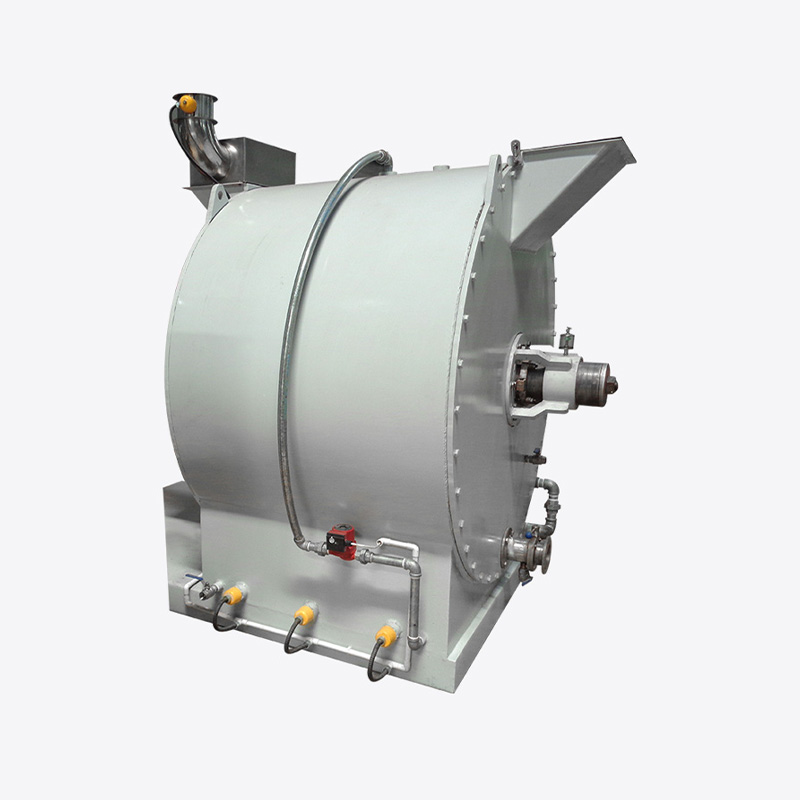
Conching is a prolonged mixing and aerating process that develops flavor by evaporating acidic volatiles and coating particles with cocoa butter. While slower, conching produces superior aroma and smoother texture. It is essential for high-end premium chocolate brands.
Planetary Mixers
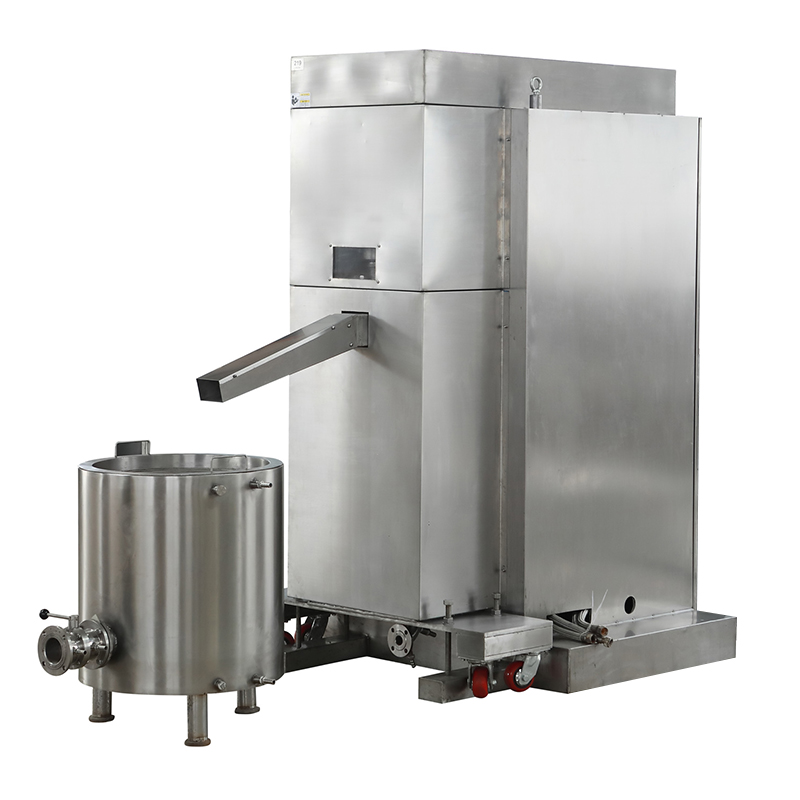
Often used in smaller artisanal settings, planetary mixers combine dry ingredients with melted cocoa butter before refining. They are versatile but do not refine particle size, requiring a separate melanger or mill afterward.
Key Features to Consider
When selecting a chocolate mixing machine, focus on these technical specifications:
- Temperature Control: Precise heating and cooling jackets are vital. Cocoa butter crystallizes at specific temperatures, and maintaining a range between 40°C and 80°C during mixing ensures proper flow and flavor release.
- Shear Force Capability: The machine must generate enough shear to break down sugar and cocoa particles. Look for variable speed drives that allow adjustment based on the recipe's viscosity.
- Material Quality: Food-grade stainless steel (304 or 316) is mandatory to prevent corrosion and contamination. Smooth welds prevent bacterial buildup and ease cleaning.
- Capacity and Scalability: Choose a batch size that matches your production volume. Overloading a small mixer leads to inconsistent texture, while underloading a large one wastes energy.
Comparison of Mixing Technologies
| Feature | Ball Mill | Conche | Planetary Mixer |
|---|---|---|---|
| Primary Function | Grinding & Mixing | Flavor Development | Blending |
| Processing Time | 2–4 Hours | 12–72 Hours | 30–60 Minutes |
| Particle Size | Very Fine (<20µm) | Depends on Pre-Refining | Coarse (Needs Refining) |
| Best For | Efficiency & Volume | Premium Flavor | Small Batches |
Maintenance and Operational Best Practices
To ensure longevity and consistent quality, adhere to these maintenance guidelines:
- Regular Cleaning: Remove residual chocolate immediately after use to prevent hardening. Use hot water and food-safe detergents. For ball mills, run a cleaning cycle with oil or lecithin to flush out particles.
- Lubrication Checks: Inspect gearboxes and bearings monthly. Use food-grade lubricants where there is any risk of contact with the product.
- Seal Inspection: Check shaft seals for leaks. Worn seals can allow contaminants to enter or chocolate to leak, creating hygiene hazards.
- Temperature Calibration: Verify sensor accuracy every six months. Incorrect temperature readings can lead to poor viscosity control and blooming in the final product.
Conclusion
Selecting the right chocolate mixing machine is pivotal for achieving professional-quality confections. Whether prioritizing the efficiency of a ball mill or the nuanced flavor development of a conche, understanding the technical capabilities of each system allows producers to optimize their workflow.
By focusing on particle size reduction, temperature precision, and hygienic design, businesses can produce chocolate that meets high sensory standards. Regular maintenance and proper operation further ensure that the equipment delivers consistent results, supporting both brand reputation and operational profitability.