

 English
 Español

Signing off on chocolate manufacturing equipment is only half the decision. The other half, the part buyers sometimes forget to ask about until a machine sits idle waiting for a part, is whether the supplier actually stands behind that equipment once it's running production every day. Anyone who has watched a line stop because a seal wasn't in stock knows exactly why this question deserves attention before the purchase order gets signed, not after. Getting clear answers on spare parts and service commitments upfront saves considerably more trouble than discovering the gaps once equipment is already integrated into daily operations.
Content
- 1 Why Spare Parts Availability Matters More Than It Seems Upfront
- 2 Does Every Machine Wear at the Same Rate?
- 3 Core Components Buyers Should Ask About by Equipment Type
- 4 Storage and Holding Systems Carry Their Own Maintenance Questions
- 5 What Should Buyers Confirm About Custom Holding Tank Configurations?
- 6 Service Commitments Worth Clarifying Before Purchase
- 7 Installation and Startup Support: Where Problems Often Begin
- 8 Should Process Optimization Be Part of the Service Package?
- 9 Steps for Evaluating a Supplier's Service Commitment
- 10 Why Full Lifecycle Support Matters More Than Initial Price
- 11 How Does OEM Parts Support Change This Calculation?
- 12 Building a Long-Term Maintenance Relationship
Why Spare Parts Availability Matters More Than It Seems Upfront
Every piece of production equipment wears down eventually, and chocolate manufacturing equipment is no exception. Seals degrade, bearings wear, scrapers dull with repeated contact. None of that is unusual or a sign of poor equipment quality — it's simply how mechanical systems behave under continuous use.
What separates a manageable maintenance situation from a costly one is whether replacement components are actually available when needed, or whether buyers face long waits chasing down parts from a supplier who treated the initial sale as the end of the relationship.
Does Every Machine Wear at the Same Rate?
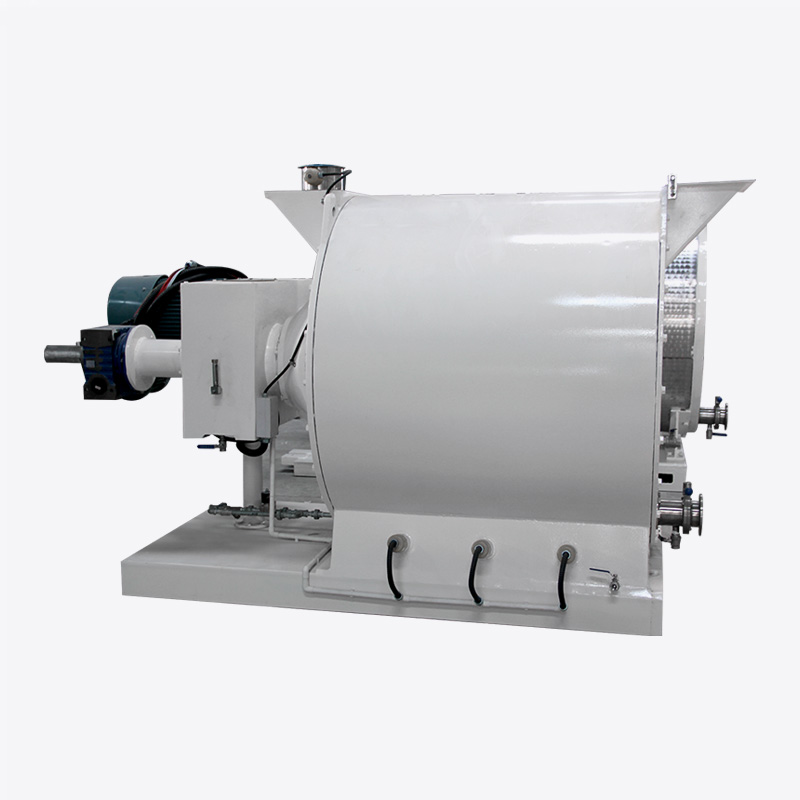
Not at all. A Ball Mill Machine for Chocolate experiences wear concentrated around grinding media and internal linings, since that's where the mechanical work of particle reduction actually happens. A Chocolate Refiner Conche wears differently, with scraper blades and bearing systems taking the brunt of repeated conching motion over time.
Understanding which components see the heaviest wear on each specific machine helps buyers ask more targeted questions during supplier evaluation, rather than requesting a generic parts list that doesn't reflect how that particular equipment actually breaks down under real production conditions.
Core Components Buyers Should Ask About by Equipment Type
Different machines in a chocolate production line carry different wear profiles, and knowing what to ask about for each one avoids vague reassurances that don't actually answer the question.
- Ball Mill Machine for Chocolate: grinding media condition, internal lining wear, bearing seals
- Chocolate Refiner Conche: scraper blades, drive bearings, temperature control components
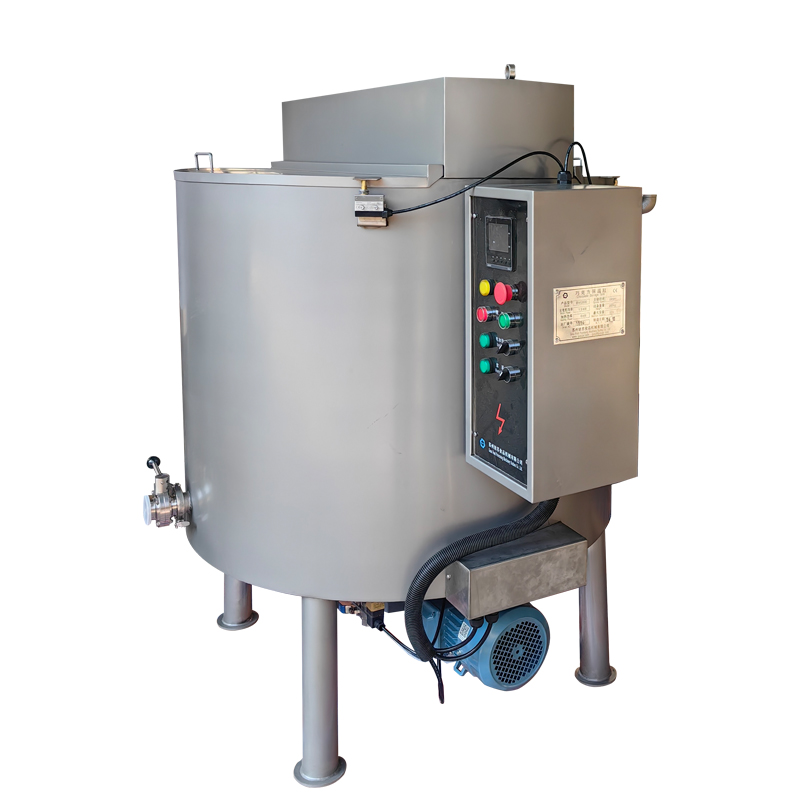
- Industrial Chocolate Melter: heating elements, temperature sensors, agitator seals
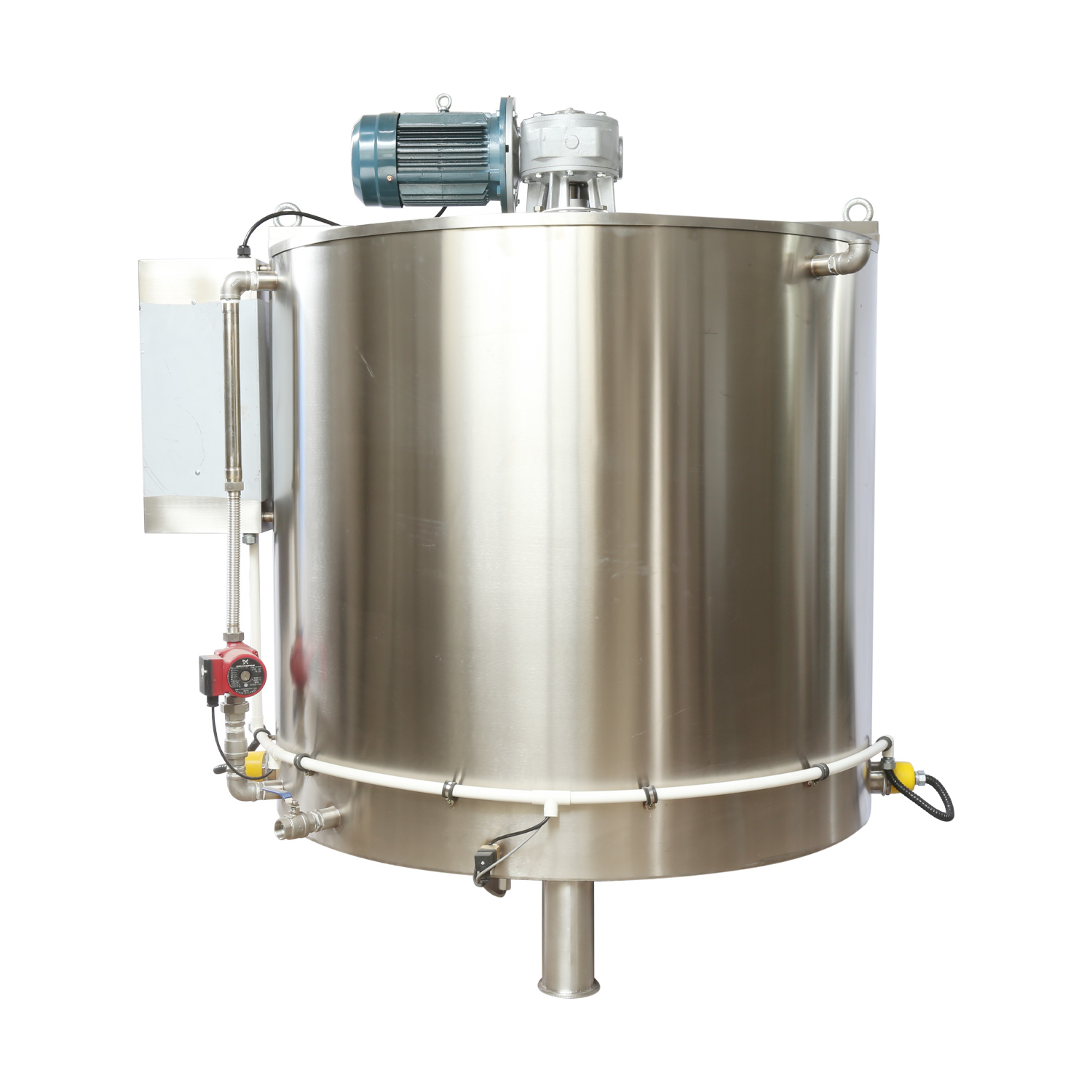
- Mixing Tank With Heater: heating jacket integrity, agitator shaft seals, control valve components
Asking a supplier to walk through wear expectations for each of these categories, rather than accepting a blanket statement that "parts are available," tends to reveal how well that supplier actually understands their own equipment in field conditions.
Storage and Holding Systems Carry Their Own Maintenance Questions
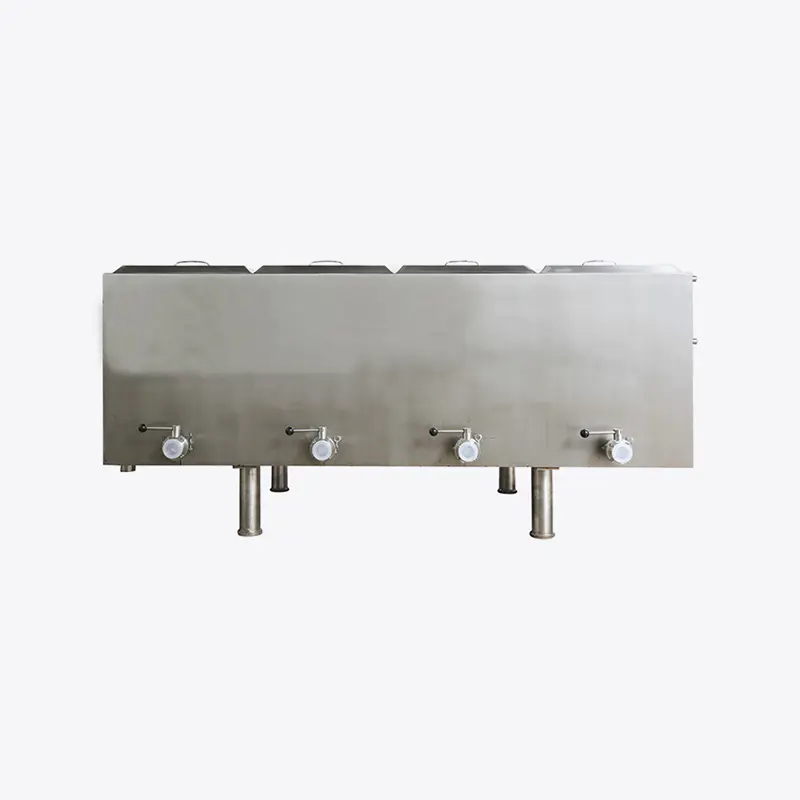
Beyond the processing machines themselves, storage components deserve equal attention during service evaluation. A Chocolate Storage Tank or Chocolate Holding Tank might seem like a simpler piece of equipment compared to a refiner or mill, but temperature control failures in these tanks can affect product quality just as significantly as a problem in the processing line itself.
Buyers sometimes overlook holding tanks during service discussions, assuming the simpler mechanical design means fewer maintenance concerns. That assumption doesn't always hold up, particularly for tanks with integrated heating systems where sensor calibration and heating element condition matter for consistent product temperature.
What Should Buyers Confirm About Custom Holding Tank Configurations?
Facilities running non-standard production volumes or product types often need Custom Holding Tanks built around specific capacity or temperature requirements rather than off-the-shelf configurations. This customization raises a fair question worth asking directly: does the supplier maintain spare part compatibility for custom builds, or does customization mean parts become harder to source down the road?
Suppliers who treat custom configurations as one-off builds without ongoing parts support create a dependency risk that becomes obvious only once something breaks and no standard replacement exists. Confirming this compatibility question before finalizing a custom order avoids that risk entirely.
Service Commitments Worth Clarifying Before Purchase
| Service Area | What Buyers Should Confirm | Why It Matters |
|---|---|---|
| Installation support | Whether setup assistance is included or billed separately | Affects total cost and startup timeline |
| Spare parts inventory | Typical lead time for common wear components | Directly affects downtime duration |
| Technical support access | Availability of remote troubleshooting assistance | Reduces need for on-site visits for minor issues |
| Process optimization | Whether conching or refining parameters get reviewed post-installation | Affects product consistency during ramp-up |
| Long-term parts compatibility | Confirmation that custom builds retain standard replacement options | Prevents sourcing difficulty for non-standard equipment |
Installation and Startup Support: Where Problems Often Begin
A surprising share of early equipment issues trace back not to the machine itself but to installation and initial calibration. Chocolate Conching Refining Machine setups, in particular, involve sensitive timing and temperature parameters that need proper calibration before production quality stabilizes.
Buyers should ask directly whether installation support comes bundled with the purchase or requires separate billing, and whether that support includes staff training on operating parameters specific to the equipment purchased. A supplier reluctant to specify what installation support actually includes is worth pressing further before signing anything.
Should Process Optimization Be Part of the Service Package?
Reasonably, yes, particularly for equipment like conching and refining machines where output quality depends heavily on correctly tuned settings. Chocolate Conching Refining Machine performance varies considerably based on timing, temperature, and mechanical settings that aren't always obvious from a general operating manual.
Suppliers offering process optimization support as part of their service package tend to help buyers reach consistent production quality faster than those who deliver equipment and consider their involvement finished at that point. Asking specifically whether optimization support is included, or available as an add-on, clarifies expectations before production ramp-up begins.
Steps for Evaluating a Supplier's Service Commitment
Rather than accepting general assurances about support and parts availability, working through a structured set of questions produces clearer answers:
- Request a documented spare parts list specific to the equipment model being purchased
- Ask for typical lead times on the most commonly replaced components
- Confirm whether remote technical support is available, and through what channels
- Clarify installation and calibration support terms in writing before finalizing the order
- Ask how custom configurations affect long-term parts availability
- Request references from existing customers regarding actual service response experience
Skipping this evaluation process in favor of a quick purchase decision sometimes means discovering these gaps only once equipment is already running and a breakdown creates production pressure that wasn't anticipated.
Why Full Lifecycle Support Matters More Than Initial Price
Buyers comparing quotes across different chocolate manufacturing equipment suppliers sometimes focus heavily on initial purchase price while underweighting service and parts commitments. A lower upfront price loses its appeal quickly if spare parts take weeks to arrive or technical support proves difficult to reach once equipment needs attention.
Weighing total cost across the equipment's working life, rather than initial purchase price alone, gives a more accurate comparison between suppliers. This means factoring in expected downtime costs if parts availability proves unreliable, alongside the value of process optimization support that helps reach stable production quality faster.
How Does OEM Parts Support Change This Calculation?
Suppliers offering OEM parts support for Chocolate Manufacturing Equipment provide a meaningful advantage here, since components built to original specifications integrate without the compatibility guesswork sometimes involved in sourcing generic replacements from third parties. This matters particularly for precision components in refining or melting systems, where a poorly matched replacement part can affect performance in ways that aren't immediately obvious.
Buyers should ask directly whether spare parts come from the original equipment manufacturer or whether the supplier sources replacements through separate channels, since this distinction affects both compatibility and long-term reliability of repairs made using those parts.
Building a Long-Term Maintenance Relationship
Equipment purchases in chocolate production rarely end with a single transaction. Facilities running Ball Mill, Conche, Melter, and Holding Tank systems together need an ongoing relationship with whoever supplied that equipment, since maintenance needs and occasional troubleshooting continue well past the initial installation period. Buyers who establish clear service expectations early, documented rather than assumed, tend to face fewer surprises when equipment eventually needs attention. That documentation becomes particularly valuable when staff changes occur on either side of the relationship, since written commitments outlast individual personnel who might have made informal verbal promises during the original sales conversation.
Asking the right questions about spare parts and service before finalizing a Chocolate Manufacturing Equipment purchase protects against the kind of downtime that erodes both production schedules and customer confidence down the line, whether that equipment involves a Ball Mill Machine for Chocolate, a Chocolate Refiner Conche, an Industrial Chocolate Melter, or supporting systems like Mixing Tank With Heater configurations and Custom Holding Tanks. Buyers who treat this evaluation seriously during the purchase decision tend to build more stable, predictable production operations over time compared to those who address service questions only after something breaks. Gusu Food Processing Machinery Suzhou Co.,Ltd. works with buyers through exactly this kind of service and parts evaluation, helping match equipment configurations to realistic long-term maintenance expectations before commitments get finalized. Reach out with equipment specifications or maintenance concerns, and the conversation about service and spare parts support can start from there.