

 English
 Español

Chocolate products can look genuinely different even when they begin with similar ingredients, much like the same dough can become bread, pizza crust, or pretzels depending on how it gets shaped and handled afterward. A small piece for a snack pack may need a genuinely different shape from a filled chocolate, a decorative piece, or a molded confection. The production process therefore needs to accommodate changes in product design without making the overall workflow unnecessarily complicated.
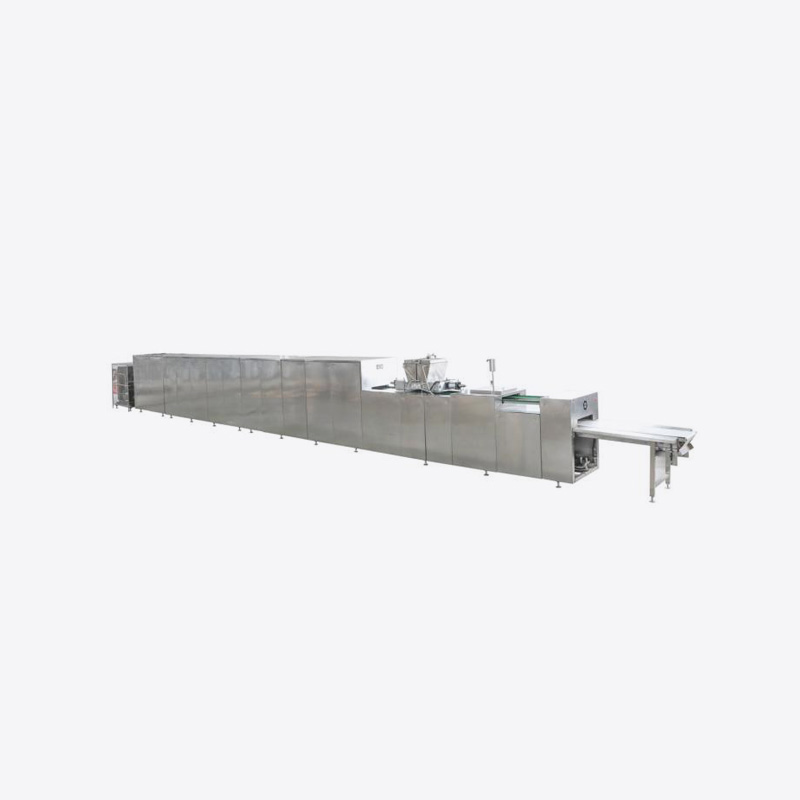
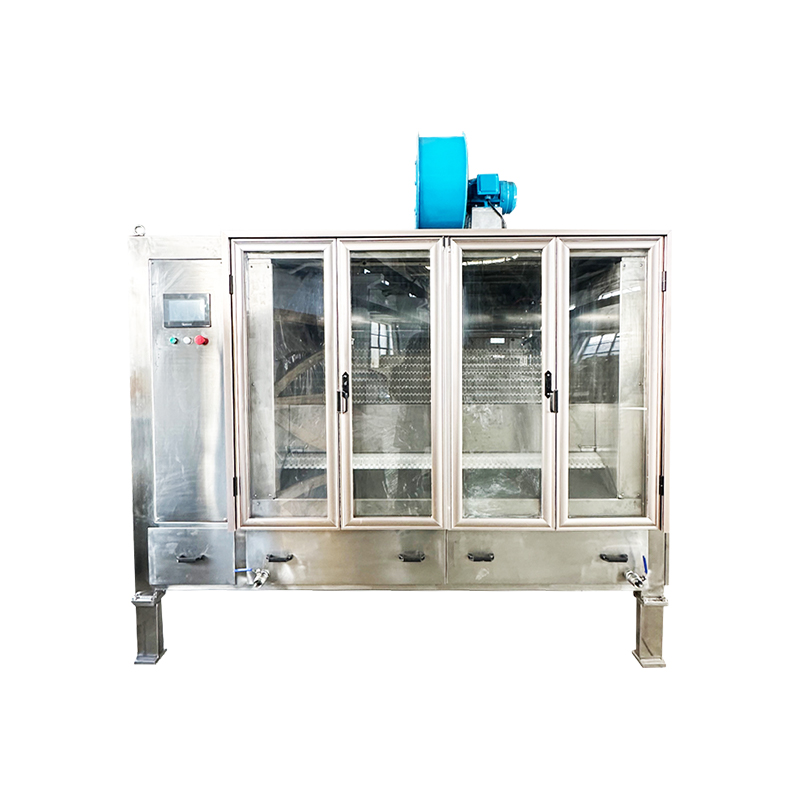
A Chocolate Depositor Machine plays a genuinely important role in this part of production. It transfers prepared chocolate into a selected form, container, mold, or production area according to the product design at hand. Its role becomes a lot more interesting once manufacturers want to offer different shapes, weights, sizes, and presentation styles side by side.
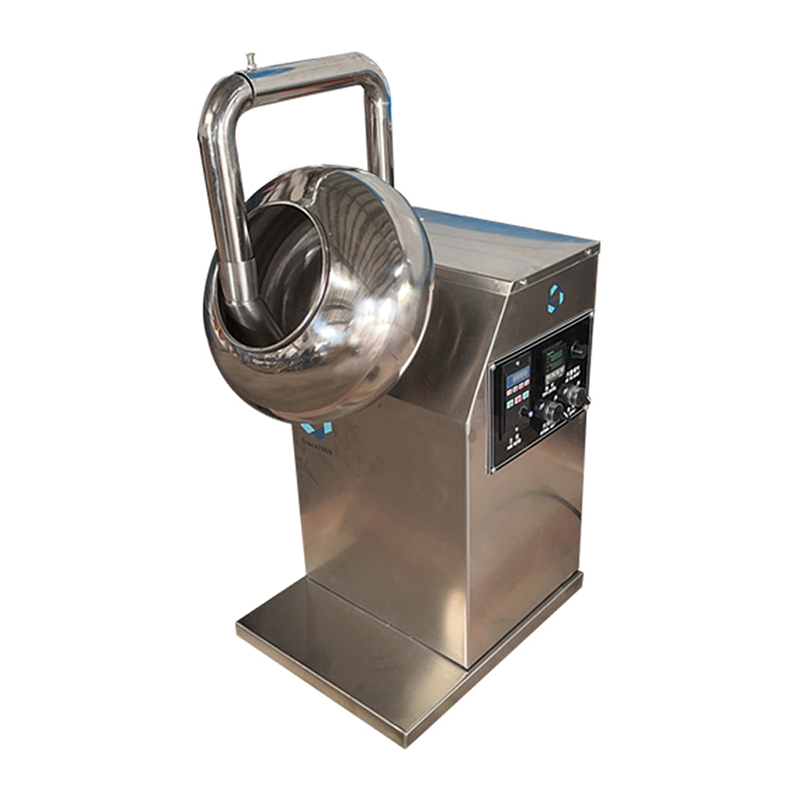
The equipment sitting at the front of the process also affects what happens later down the line. A Ball Mill Machine for Chocolate prepares the chocolate mixture before it reaches the depositing stage, while a Ball Mill for Chocolate Making can be part of the broader preparation process feeding into it. The condition of the chocolate leaving this stage needs to match the requirements of the products that follow right after.
Content
- 1 Why Does Product Variety Matter in Chocolate Production?
- 2 How Does a Chocolate Depositor Machine Support Different Shapes?
- 3 How Do Different Product Weights Affect Deposition?
- 4 How Can Deposition Methods Support Different Product Designs?
- 5 How Does the Ball Mill Machine for Chocolate Connect With Product Variety?
- 6 What Role Does a Ball Mill for Chocolate Making Play in Product Development?
- 7 How Can Equipment Adjustments Support Product Changes?
- 8 How Do Different Chocolate Shapes Influence Equipment Selection?
- 9 Can One Production Setup Support Several Chocolate Applications?
- 10 How Does Product Development Connect With Production Applications?
- 11 What Should Manufacturers Consider When Expanding Product Variety?
- 12 How Can Chocolate Processing Support More Flexible Product Development?
Why Does Product Variety Matter in Chocolate Production?
Consumers encounter chocolate in many forms throughout everyday life. A product may be sold as an individual piece, a group of small pieces, a filled item, or a decorative shape sitting on a shelf. Packaging and serving habits can also influence how the chocolate needs to be formed to begin with.
For manufacturers, this means one production setup may need to support several product concepts at once, rather than just one fixed design. Changing from one form to another involves genuinely more than changing the appearance of a mold. The chocolate portion, depositing method, shape, and handling process may all need attention together.
| Product Feature | Production Consideration |
|---|---|
| Shape | Requires a suitable mold or depositing area |
| Portion | Influences the amount of chocolate released |
| Product size | Affects the selected forming arrangement |
| Surface design | May require a different depositing pattern |
| Filling | Can require coordinated material placement |
| Packaging format | Influences the final product shape |
Product variety can therefore get connected with how flexible the depositing stage actually is in practice. A machine that can accommodate different product arrangements gives manufacturers genuinely more room to develop products for different applications and markets.
How Does a Chocolate Depositor Machine Support Different Shapes?
Shape is one of the easiest ways to create visible differences between chocolate products sitting side by side on a shelf. Round pieces, bars, shells, drops, decorative forms, and other designs may all require genuinely different depositing arrangements.
A Chocolate Depositor Machine can place chocolate into a selected mold or onto a prepared surface, depending on the job. The final shape gets influenced by both the receiving form and the way chocolate is deposited into it.
This creates a genuinely useful connection between equipment and product development from the earliest planning stages. Instead of designing every product around one fixed shape, manufacturers can consider how different depositing arrangements may support a wider range of designs.
A mold with several cavities, for example, can create repeated individual pieces one after another, while a different mold can produce larger connected forms in a single pass. Decorative products may require another arrangement entirely, in which chocolate gets placed according to a specific pattern rather than a simple fill.
The machine doesn't determine the product design entirely by itself, of course. Product designers, molds, chocolate preparation, and depositing equipment all contribute to the final result together.
How Do Different Product Weights Affect Deposition?
Product weight is another factor that changes how chocolate gets deposited into its final form. A small confection needs a genuinely different portion from a larger snack or gift item sitting beside it on the same line.
The depositing process therefore needs to match the intended amount of chocolate for each product being made. The equipment must work with the selected production arrangement so the chocolate gets placed exactly where the product design requires it.
This doesn't mean every product needs completely different equipment brought in from scratch. In many cases, changes in product format can get supported through suitable adjustments to the depositing setup already in place.
| Product Type | Deposition Focus |
|---|---|
| Small pieces | Controlled portion placement |
| Larger pieces | Suitable cavity filling |
| Thin products | Even distribution across the form |
| Decorative pieces | Pattern and placement |
| Filled products | Coordination between layers or materials |
These differences become genuinely important during product development at the planning stage. A manufacturer considering a new chocolate product needs to think about how its intended portion and shape will actually translate into the production process on the floor.
The relationship between portion and form also affects packaging down the line. A product designed for individual wrapping may need a genuinely different shape from one intended for a larger shared package.
How Can Deposition Methods Support Different Product Designs?
Chocolate can get deposited in genuinely different ways, depending on the product being made at that moment. Some products require chocolate to get placed into molds, while others may need chocolate to form layers, shells, drops, or surface patterns instead.
The selected method needs to correspond with the product structure it's meant to create. A simple molded piece may require a fairly straightforward depositing arrangement. A product with several visual elements may need a more genuinely controlled sequence of material placement to pull off.
This is exactly where the Chocolate Depositor Machine becomes part of product development, rather than simply a piece of production equipment sitting in the background. Its ability to work with different deposition arrangements can influence which product concepts are genuinely practical to manufacture at scale.
Manufacturers may consider mold-based deposition for shaped products and individual pieces, alongside surface deposition for chocolate placed onto a prepared production area. Layered deposition suits products that contain different chocolate sections, while decorative deposition handles visual patterns and surface details. Portion-based deposition rounds out the list for products that require defined individual servings.
Each approach creates genuinely different possibilities for product design worth exploring. The selected method should also fit the way the chocolate has been prepared upstream, rather than fighting against it.
How Does the Ball Mill Machine for Chocolate Connect With Product Variety?
Product variety doesn't begin at the depositing machine, even though that's where the visible differences show up. The chocolate needs to arrive at the later production stage in a condition that genuinely suits the intended product waiting for it.
A Ball Mill Machine for Chocolate can be part of the preparation process that develops the chocolate mixture before depositing even starts. The resulting chocolate condition can influence how easily manufacturers work with different product forms further down the line.
This connection matters because product design and chocolate preparation can't always get treated as separate decisions made in isolation. A chocolate product with a particular shape or deposition method may require a genuinely suitable material condition before it ever enters the forming stage.
The preparation process can therefore support the flexibility needed later on. When manufacturers develop a new product, they can consider the complete path from chocolate preparation all the way to final shape. This helps reduce the risk of designing a product that looks attractive on paper but proves genuinely difficult to handle during actual production.
The relationship can get viewed as a chain running from the Ball Mill Machine for Chocolate, through chocolate preparation, into deposition, and finally arriving at the product form. Each stage has its own role along that chain, but the stages need to work together as one system.
What Role Does a Ball Mill for Chocolate Making Play in Product Development?
A Ball Mill for Chocolate Making can support the preparation side of a product development process from the very start. Its role stays connected with creating a chocolate mixture that can continue smoothly through later production stages.
Different chocolate products may place genuinely different demands on the prepared material depending on their design. A product intended for a smooth molded surface may have quite different requirements from one designed for layered or decorative deposition.
This means manufacturers can consider the preparation process while developing the final product concept, rather than treating it as an afterthought. Rather than choosing the product shape independently, they can examine how the prepared chocolate and depositing method will actually work together in practice.
| Development Area | Related Question |
|---|---|
| Chocolate preparation | Is the prepared chocolate suitable for the planned product? |
| Product shape | Can the selected form receive the chocolate as intended? |
| Portion | Can the deposition setup match the planned serving size? |
| Surface design | Does the deposition method suit the visual effect? |
| Packaging | Does the finished form fit the intended package? |
The connection between preparation and deposition becomes particularly useful once manufacturers are developing several products from a related chocolate base at the same time.
How Can Equipment Adjustments Support Product Changes?
Product development often involves small changes, rather than completely new production systems built from scratch. A manufacturer may keep the general chocolate preparation process in place while changing the product shape, mold, portion, or deposition arrangement around it.
Equipment adjustments can support these changes whenever the production system has been designed with flexibility genuinely in mind from the start. For a Chocolate Depositor Machine, adjustments may relate to the receiving mold, depositing arrangement, product format, or amount of chocolate being placed at each station.
The exact adjustment depends on the equipment and product requirements at hand. The goal is making product changes genuinely manageable without creating unnecessary disruption on the line.
A manufacturer, for example, may move from one shaped chocolate to another simply by changing the receiving form and adjusting the deposition arrangement to match. Another product may require a different portion or a different placement pattern entirely. This approach allows product development to remain genuinely connected with practical manufacturing needs, rather than drifting apart from them.
How Do Different Chocolate Shapes Influence Equipment Selection?
The shape of the final product can influence equipment choices throughout the whole production process. A simple product may require only a fairly straightforward mold and deposition process to get made properly.
A product with a detailed shape may need a receiving form that can genuinely capture finer features without losing definition. The product surface also matters quite a bit in this equation. Some designs depend on a clean outline, while others use decorative patterns or multiple sections layered together.
Manufacturers therefore need to look at the complete product, rather than selecting equipment based on one single feature in isolation.
| Shape Consideration | Equipment Relationship |
|---|---|
| Simple form | Straightforward deposition arrangement |
| Detailed form | Suitable mold structure |
| Thin form | Appropriate chocolate placement |
| Multi-part form | Coordinated depositing process |
| Decorative form | Controlled placement pattern |
This connection can help product developers understand what's genuinely practical before production even begins on the floor. It also gives equipment suppliers a genuinely clearer picture of the applications their machines need to support going forward.
Can One Production Setup Support Several Chocolate Applications?
A production setup can often get arranged around a family of related products, rather than one fixed product designed in isolation. This approach can prove genuinely useful whenever a manufacturer wants to offer different sizes or shapes using similar chocolate preparation methods across the board.
The Chocolate Depositor Machine can become the point where product differences actually get introduced into the line. The upstream preparation process may remain relatively similar the whole time, while the downstream arrangement changes to match each product.
The same prepared chocolate, for example, may get used for individual molded pieces, decorative products, or another format entirely, whenever the equipment and product design allow it. This doesn't mean every product can use exactly the same setup without any changes at all. Different shapes, portions, and structures may require genuinely different molds or equipment arrangements to pull off properly.
The practical question stays whether the production system can accommodate the intended range without creating unnecessary complexity along the way.
How Does Product Development Connect With Production Applications?
Product development often starts with an idea about appearance, portion, texture, or serving format sketched out on paper. Production planning then needs to determine how that idea can genuinely become a repeatable product coming off the line.
The connection between a Ball Mill Machine for Chocolate, a Ball Mill for Chocolate Making, and a Chocolate Depositor Machine becomes genuinely useful right here in this process. The preparation equipment helps establish the condition of the chocolate from the start. The depositing equipment then works with that prepared chocolate to create the selected product form at the end.
This relationship can get considered across several stages worth walking through. Product concept work defines the intended shape, portion, and presentation first. Chocolate preparation considers whether the prepared chocolate suits the planned product next. Deposition planning selects a suitable depositing arrangement after that, followed by form selection matching the mold or receiving surface with the product design.
Production adjustment adapts the equipment to the selected product format, and packaging planning makes sure the finished product actually works with its intended package at the end. This process helps connect creative product ideas with genuinely realistic production conditions on the floor.
What Should Manufacturers Consider When Expanding Product Variety?
Adding new products can create genuinely more choices for customers browsing a shelf, but it can also introduce genuinely more production requirements behind the scenes. Manufacturers need to consider whether their existing equipment and processes can actually support the new formats being proposed.
The shape, portion, mold, deposition method, and chocolate preparation process should all get considered together as one connected system, rather than piece by piece. A new product may require only a modest adjustment to the existing setup already in place. Another product may involve a genuinely different deposition arrangement or a different receiving form entirely.
Manufacturers can therefore review several practical areas before introducing a new product to the line.
| Area | Consideration |
|---|---|
| Chocolate preparation | Match the prepared chocolate with the product concept |
| Deposition | Select a suitable placement method |
| Product form | Choose a compatible mold or receiving surface |
| Portion | Adapt the process to the intended product size |
| Packaging | Consider the finished shape during development |
| Changeover | Plan how equipment will move between product formats |
This approach allows product variety to develop around the actual capabilities of the production system, rather than fighting against them. It also helps manufacturers identify where new equipment or additional tooling may genuinely prove useful down the line.
How Can Chocolate Processing Support More Flexible Product Development?
Product variety stays closely connected with how different stages of production work together as a whole system. A manufacturer may begin with a common chocolate preparation process, then create genuinely different products by changing the later forming and depositing arrangements around it.
The Ball Mill Machine for Chocolate and Ball Mill for Chocolate Making therefore have a role extending well beyond the preparation stage itself. Their output becomes part of the material foundation for later product development further down the line.
The Chocolate Depositor Machine then provides a genuinely practical connection between the prepared chocolate and the intended product form waiting to be made. Shapes, portions, molds, layers, and decorative arrangements can all get considered according to the needs of each application coming through.
When these stages get planned together as one system, manufacturers can explore genuinely different product concepts while keeping the production process understandable from start to finish. This connection between chocolate preparation and final product design gives product developers genuinely more room to consider how a common chocolate base can become different forms for different uses across the whole product line.