

 English
 Español

Chocolate processing isn't simply a matter of combining ingredients and heating them until they become workable enough to pour. The condition of the ingredients changes as they move through different stages, and each stage affects what the next stage actually needs to handle when material arrives.
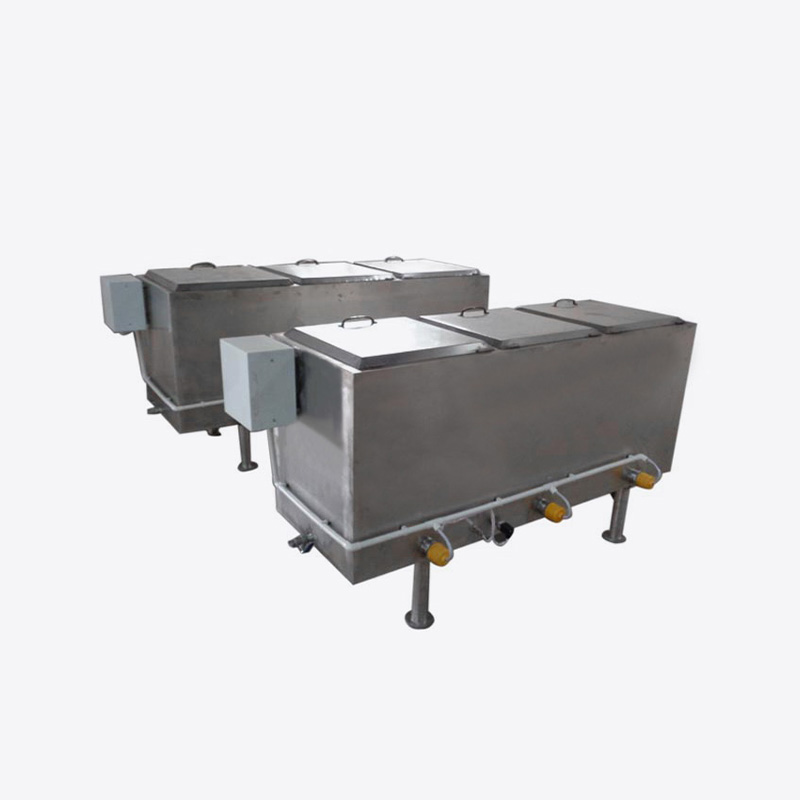
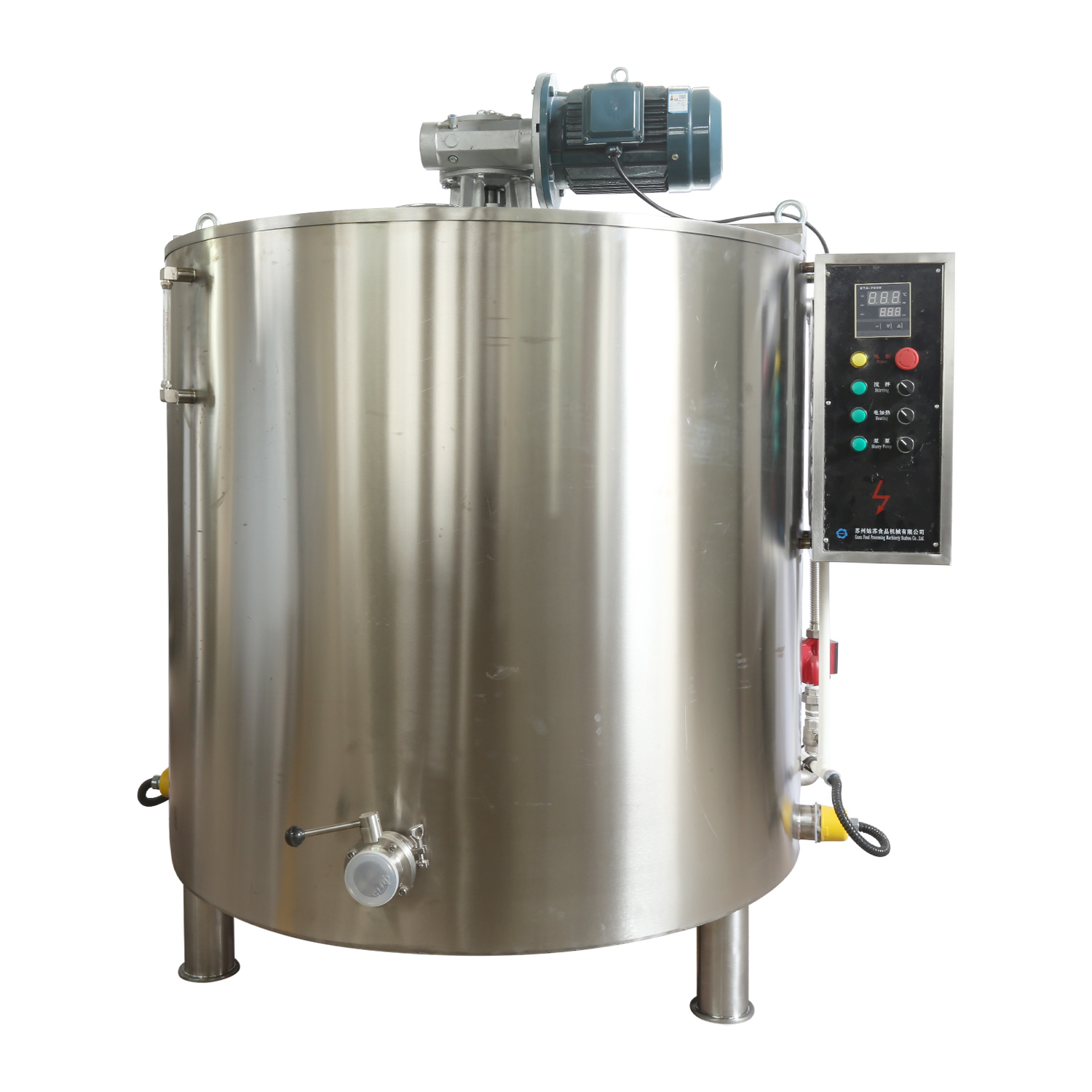
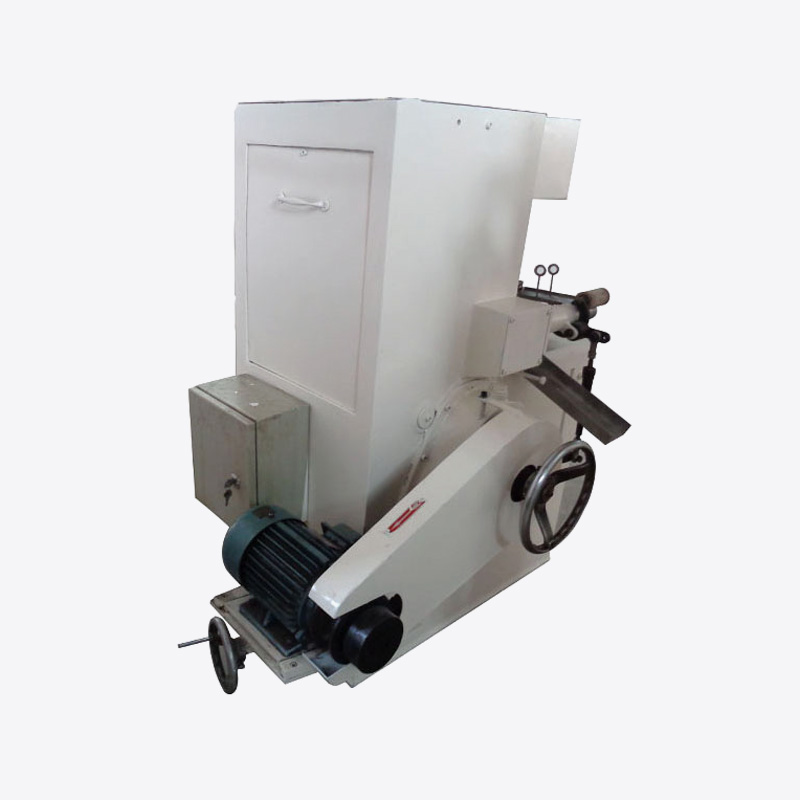
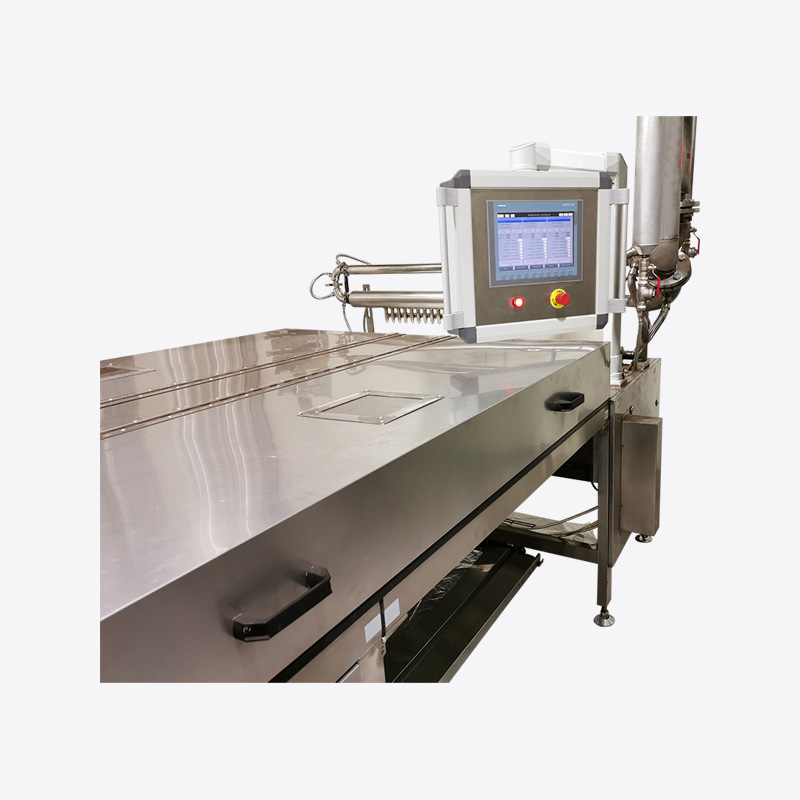
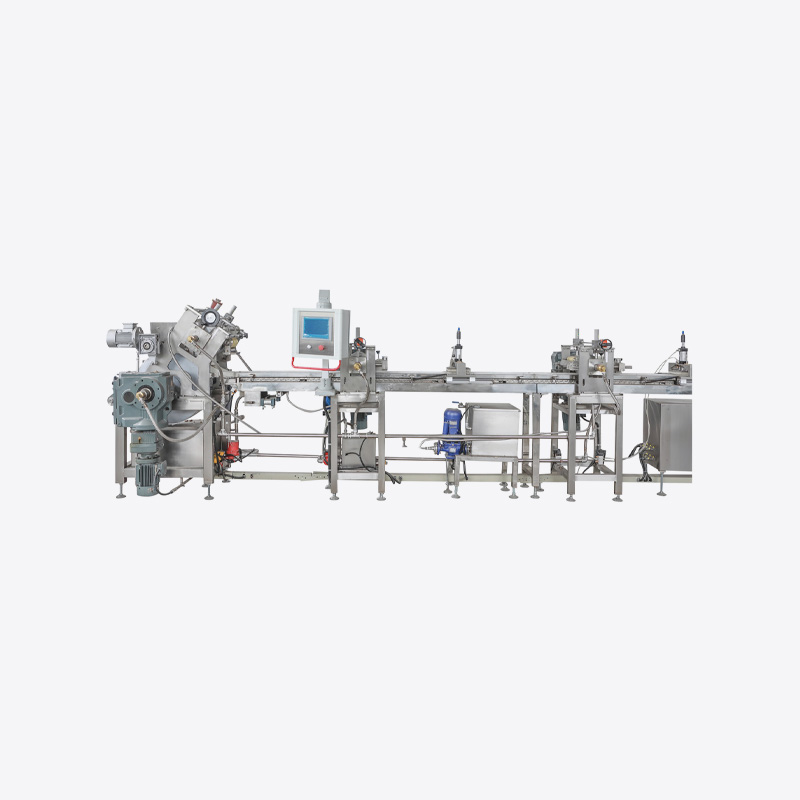
Melting and refining are especially important, because they influence how ingredients enter the later parts of production down the line. A Cocoa Butter Melter can prepare cocoa butter for controlled use, while a Ball Mill for Chocolate Making can help process a chocolate mixture into a more suitable state for subsequent treatment.
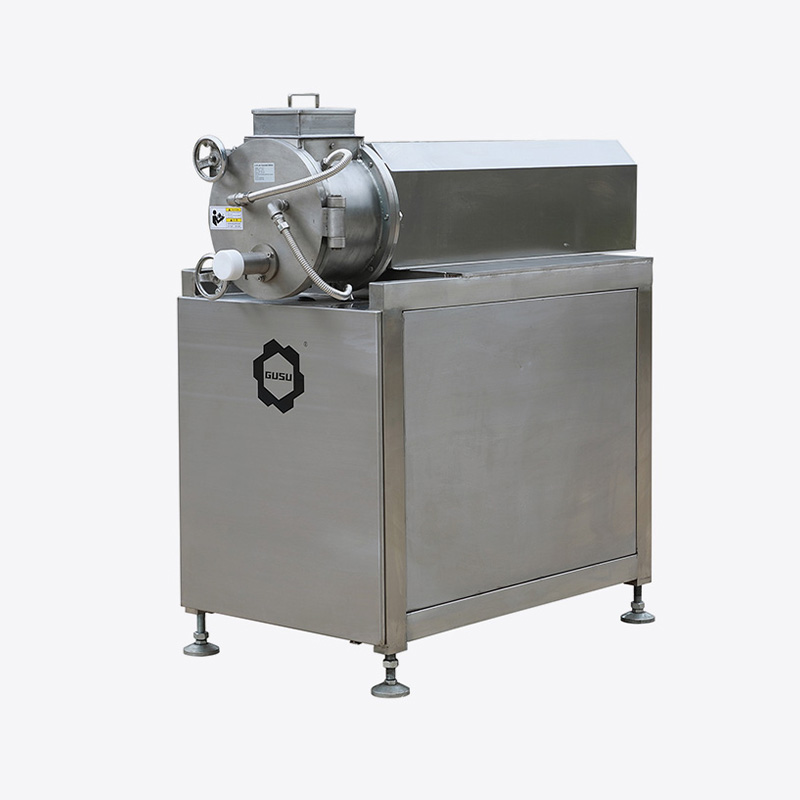
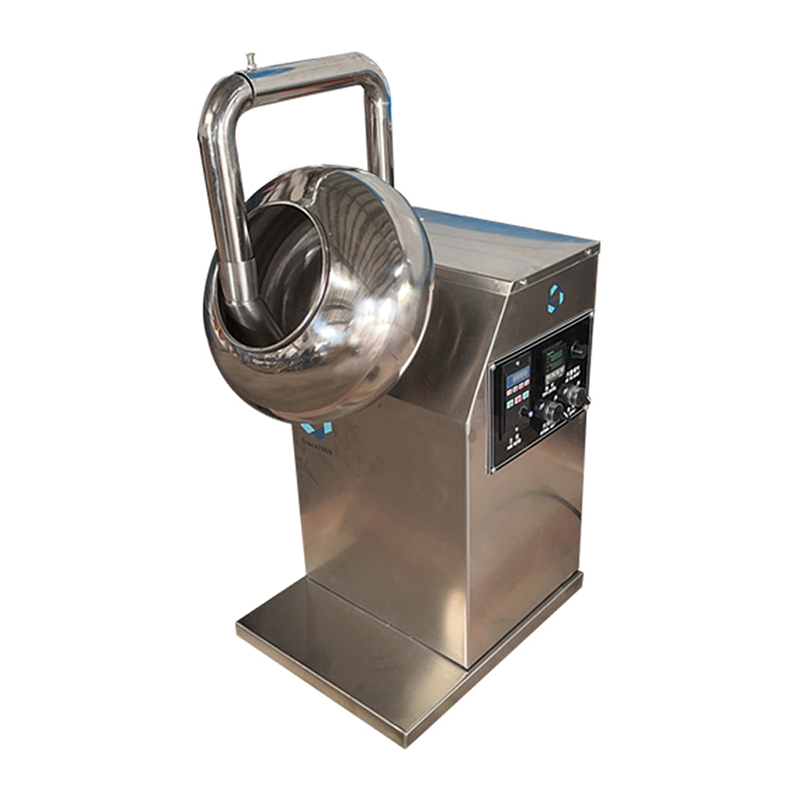
The relationship becomes genuinely clearer, when the Chocolate Conching Refining Machine gets considered as part of the same production flow rather than a separate box on a diagram. Rather than treating each machine as an isolated piece of equipment, manufacturers can look at how the material moves from one stage to another and how each stage changes the working conditions for the next.
This approach is useful when production involves different chocolate products, changing ingredient combinations, or several downstream applications running side by side. A well-arranged process allows equipment to work as connected stages, instead of creating separate points that are genuinely difficult to coordinate on a busy factory floor.
Content
- 1 Why Does Melting Matter Before Chocolate Refining?
- 2 How Does a Ball Mill Fit Into the Processing Sequence?
- 3 What Changes During the Refining and Conching Stage?
- 4 How Does Equipment Coordination Affect Chocolate Production?
- 5 Why Is Material Condition Important Between Melting and Milling?
- 6 How Can Different Chocolate Products Change the Processing Flow?
- 7 What Role Does Holding Play Between Processing Stages?
- 8 How Does a Chocolate Conching Refining Machine Fit Downstream Applications?
- 9 Why Should Buyers Consider Melting and Refining Together?
- 10 How Can Manufacturers Organize Melting, Milling, and Refining More Clearly?
Why Does Melting Matter Before Chocolate Refining?
Cocoa butter plays a genuinely important role in chocolate processing, because its condition affects how it can be combined with other ingredients later. When cocoa butter gets prepared for production, it needs to be in a workable state before it enters the next stage of the line.
A Cocoa Butter Melter provides a dedicated stage for preparing cocoa butter, rather than leaving this task to equipment further along the line where it might not be handled as carefully. This can make the overall process genuinely easier to organize, because the material enters later stages in a more predictable condition each time.
| Processing Stage | Main Production Concern |
|---|---|
| Cocoa butter preparation | Material needs to be ready for further processing |
| Ingredient mixing | Different ingredients need to be combined |
| Milling | The mixture needs to enter in a workable condition |
| Refining and conching | Material condition changes through continued processing |
| Holding | Processed chocolate needs to remain suitable for the next stage |
Melting also needs to fit the pace of the surrounding production process rather than running on its own separate clock. If the preparation stage doesn't match the needs of the following equipment, the material may have to wait, or the production sequence may need adjusting on the fly.
The value of the melting stage therefore comes from its position within the wider workflow rather than from the machine alone. It prepares one part of the material flow, so the next operation can begin without unnecessary disruption to the schedule.
For manufacturers handling several product types on the same line, this connection can also affect scheduling considerably. Different recipes may require different preparation sequences, so melting can't always get planned separately from later processing steps.
How Does a Ball Mill Fit Into the Processing Sequence?
Once ingredients have been combined, the chocolate mixture needs to move into a stage where its physical condition can get further developed toward the final product. This is where a Ball Mill for Chocolate Making can become part of the production sequence rather than a bolt-on addition.
A ball mill isn't simply another machine placed after mixing without much thought given to its position. Its place in the process is related to what the material needs before it enters and what condition it should have afterward as it moves on.
The incoming mixture needs preparation in a way that suits the milling stage specifically. After milling, the material then moves toward further treatment, where changes in texture, flavor, and overall consistency may continue to develop.
This creates a genuine chain rather than a collection of independent operations sitting side by side. Cocoa butter preparation leads into ingredient mixing, which leads into milling, then refining and conching, followed by holding, and finally forming into the shape customers recognize.
The exact sequence can vary quite a bit according to the product and production arrangement in place. The important point is that each stage should provide a suitable starting condition for the one that follows it.
A Chocolate Ball Mill for Sale may therefore attract attention from buyers who aren't simply looking for individual equipment sitting in a catalog. They may also be considering how the machine will fit into an existing chocolate production line already running.
This makes equipment placement a genuinely important purchasing question worth asking early. A machine may appear suitable on its own but create practical difficulties, if its material flow doesn't match the equipment already sitting around it.
What Changes During the Refining and Conching Stage?
Refining and conching involve a genuinely different part of the chocolate processing journey than earlier steps. By the time material reaches a Chocolate Conching Refining Machine, it has already passed through earlier preparation and milling stages that shaped its condition.
The material entering this stage is therefore not the same as the original ingredient mixture that started the process. Its condition has changed through previous processing, and the refining stage continues that development further.
| Upstream Condition | Possible Downstream Consideration |
|---|---|
| Cocoa butter prepared | Supports ingredient processing |
| Ingredients combined | Creates a mixed chocolate material |
| Material processed through milling | Prepares the mixture for continued treatment |
| Refined material | Moves toward later holding or forming |
| Product variation | May require changes in production scheduling |
This is why manufacturers need to consider the earlier stages when arranging conching equipment on the line. If the upstream process produces material in an inconsistent condition, the later stage may face changing working conditions batch to batch.
A Chocolate Conching Refining Machine can become part of a broader production plan, where refining, flavor development, and material handling all get considered together rather than separately. The refining stage should therefore get viewed as part of the material's journey, rather than a standalone finishing operation tacked on at the end.
Its role becomes particularly relevant, when manufacturers need to move between different chocolate products on the same equipment. Changes in formulation can affect how the production sequence gets arranged and how equipment gets prepared between batches.
How Does Equipment Coordination Affect Chocolate Production?
A chocolate line can contain several connected stages, and a small delay in one area can genuinely influence the stages around it. This makes coordination important even when each machine performs its intended task correctly on its own.
Consider a production line where cocoa butter preparation gets completed before the next ingredient stage is actually ready to receive it. The prepared material may need to remain available until the following operation begins, which creates a connection between preparation, holding, and scheduling that's easy to overlook.
The same issue appears between milling and refining further down the line. If the material leaves the milling stage at a different pace from the refining equipment, production planning needs to account for that mismatch.
Good equipment coordination can involve matching material flow between stages, and planning suitable transitions between machines that don't create bottlenecks. It also means allowing for changes in product formulation, organizing cleaning and preparation periods, keeping processed material in suitable holding areas, and adjusting production schedules when product orders change.
These concerns are particularly relevant for manufacturers who operate several chocolate product lines under one roof. The equipment may remain the same across products, but the production sequence can change quite a bit according to what's being made that day.
The goal isn't simply making every machine run continuously without pause. It's creating a practical relationship between stages, so material doesn't become a source of unnecessary delay somewhere along the line.
Why Is Material Condition Important Between Melting and Milling?
The condition of the material changes as it moves through production, and these changes genuinely influence how the next stage can handle it. Cocoa butter that has been prepared for processing is only one part of the material flow, while the later chocolate mixture contains several ingredients that behave differently during processing.
This means the transition from melting to mixing and then toward milling needs planning as a connected sequence rather than three separate events. A Cocoa Butter Melter may sit upstream to prepare cocoa butter for use in the formulation before anything else happens.
| Transition | Planning Question |
|---|---|
| Melting to mixing | Is the prepared cocoa butter ready when needed? |
| Mixing to milling | Is the mixture suitable for the milling stage? |
| Milling to refining | Is the processed material ready for continued treatment? |
| Refining to holding | Can the finished material move into the next stage smoothly? |
The prepared material can then enter the mixing stage, where other ingredients get incorporated before the mixture moves toward the Ball Mill for Chocolate Making. Each transition creates a genuinely new processing condition that the next stage has to work with.
If material isn't ready when the next stage needs it, operators may need to change the production schedule on short notice. If too much material gets prepared too early instead, additional holding arrangements may become necessary to avoid waste.
Looking at these transitions helps manufacturers understand why melting and refining can't get planned independently of each other. Each stage influences what happens around it in ways that are easy to miss until something goes wrong.
How Can Different Chocolate Products Change the Processing Flow?
Chocolate production doesn't always involve one fixed recipe running day after day. Manufacturers may produce different chocolate products that require changes in ingredients, processing sequences, or downstream handling depending on the order.
A product with a different ingredient combination may require the preparation stage to get arranged differently than usual. The milling stage may also receive a material with a different consistency, while the refining stage may need to fit another production schedule entirely.
| Product Situation | Possible Process Change |
|---|---|
| Different ingredient mix | Preparation sequence may change |
| New chocolate formulation | Material flow may need adjustment |
| Different downstream use | Holding and transfer may change |
| Smaller production run | Equipment scheduling may need revision |
| Multiple products | Cleaning and changeover planning becomes relevant |
This creates a genuine need for flexible process planning that can adapt without a full redesign each time. One production order may move from cocoa butter preparation through milling and refining before being transferred for forming, while another order may require a genuinely different sequence because the finished chocolate will end up in another application entirely.
The equipment itself is only part of this consideration worth thinking through. The surrounding production arrangement also needs to respond to product changes as they come up throughout the week.
This is one reason buyers may evaluate a Chocolate Ball Mill for Sale based on how it fits their existing process, rather than viewing it only as a standalone purchase sitting in isolation. The same approach applies when evaluating a Chocolate Conching Refining Machine, since its usefulness depends partly on how naturally it connects with the stages before and after it.
What Role Does Holding Play Between Processing Stages?
Material doesn't always move directly from one machine to another without any interruption along the way. Production schedules, formulation changes, equipment availability, and downstream requirements can create situations where processed chocolate needs to remain available before the next operation begins.
Holding therefore becomes genuinely part of process coordination rather than an afterthought. After milling or refining, chocolate may need to remain in a suitable condition while the next production stage gets prepared to receive it.
This can become important when production includes several downstream uses on the same day. Chocolate may get directed toward molding, depositing, coating, filling, or other applications depending on the product, and each application can create genuinely different scheduling needs to account for.
A connected production plan can therefore look at where the material comes from, and what condition it has after processing is complete. It can also consider how long it may need to remain available, which downstream process will receive it, and how the next production order affects the sequence overall.
This view helps manufacturers avoid creating unnecessary gaps between processing stages that slow everything down. It also shows why equipment selection and production planning often overlap in practice, since a holding arrangement may need to connect with the capacity and timing of surrounding equipment rather than getting selected on its own.
How Does a Chocolate Conching Refining Machine Fit Downstream Applications?
The role of refining becomes genuinely easier to understand when the finished chocolate gets considered in relation to what comes next on the line. Different chocolate products may require different downstream processes, so the material leaving the refining stage needs to fit the following operation properly.
A chocolate product intended for depositing may move toward a depositing machine after suitable preparation is complete. Another product may continue toward molding or coating instead, creating a genuinely different production path from the same starting point.
| Downstream Application | Process Planning Focus |
|---|---|
| Chocolate molding | Material transfer toward forming |
| Chocolate depositing | Consistent movement into depositing |
| Coating | Coordination with the coating stage |
| Filling | Timing between chocolate and filling preparation |
| Snack production | Connection with the related food production line |
This means the Chocolate Conching Refining Machine should get considered within the complete production arrangement rather than as an isolated finishing step. The same refined chocolate can therefore become part of different production routes depending on that day's orders.
Manufacturers need to understand these routes when planning equipment placement and scheduling for the week ahead. This is also useful when production changes from one product to another mid-shift, since a shared processing stage may serve several downstream applications, but the transfer arrangement may need adjusting each time.
The more varied the production schedule becomes, the more important it is to understand how each stage connects to the next one down the line.
Why Should Buyers Consider Melting and Refining Together?
When purchasing chocolate processing equipment, buyers may naturally focus on individual machines listed in a catalog. A Cocoa Butter Melter may get evaluated for ingredient preparation alone, while a Ball Mill for Chocolate Making gets considered for milling and a Chocolate Conching Refining Machine for later processing steps.
However, looking at these machines separately can leave genuinely important questions unanswered until installation day. The buyer also needs to understand how the equipment will interact within the existing production environment already in place on the floor.
| Buyer Question | Why It Matters |
|---|---|
| Where will the equipment sit? | Determines material movement |
| What stage comes before it? | Defines the incoming material condition |
| What stage follows it? | Defines the required outgoing condition |
| Will several products use the equipment? | Affects production planning |
| Is holding required between stages? | Influences process continuity |
| Will production routes change? | Affects equipment coordination |
Material transfer, space arrangement, product changes, holding needs, cleaning routines, and downstream applications can all influence the practical setup in ways that aren't obvious from a spec sheet. This approach can also help buyers communicate a lot more clearly with equipment suppliers before signing anything.
Instead of requesting a machine based only on a product name pulled from a brochure, they can describe the surrounding process and the role the equipment needs to play within it. For manufacturers, that information can make equipment planning genuinely more closely aligned with the actual production environment it'll operate in.
How Can Manufacturers Organize Melting, Milling, and Refining More Clearly?
A practical chocolate production line needs more than individual machines that perform separate operations in isolation. It needs a material flow that makes sense from ingredient preparation through later processing all the way to the finished product.
The Cocoa Butter Melter can prepare cocoa butter for the formulation stage, while the Ball Mill for Chocolate Making handles the next part of material processing. The Chocolate Conching Refining Machine then continues the process, as the chocolate moves toward its intended application down the line.
The connection between these stages can get reviewed through several practical questions worth asking regularly. Is each material ready when the next stage requires it, and can the production team move material without unnecessary handling that adds time?
Can different product orders get arranged without creating confusion on the floor, and are holding areas positioned where they genuinely support the process rather than getting in the way? Can downstream applications receive the processed chocolate as planned, and can equipment preparation fit naturally into production scheduling without constant firefighting?
These questions shift attention away from individual equipment descriptions and toward the actual movement of chocolate through the production environment as a whole. For manufacturers working with several chocolate products on rotation, this perspective can also make production changes a lot easier to organize week to week.
When melting, milling, refining, holding, and downstream applications get considered as connected stages, equipment decisions can rest on the complete process, rather than one isolated operation viewed on its own.