

 English
 Español

Ask a bartender and a chocolate maker what "chocolate liquor drinks" means, and you will get two entirely different answers. Behind a bar, it usually means a sweet, alcohol-based chocolate liqueur poured into martinis and mudslides. Inside a chocolate factory, chocolate liquor is the thick, unsweetened paste produced by grinding roasted cocoa nibs, and it happens to be the same ingredient used in the oldest hot chocolate drinks in the world.
That distinction matters more than the label suggests. The two ingredients behave differently, taste differently, and need different handling when you turn them into drinks. Chocolate liqueur mixes like a cordial, while chocolate liquor must be melted and emulsified before it becomes drinkable. In this guide you will learn how to choose between them, find reliable proportions for both cocktail and cocoa-mass approaches, and understand what changes when you scale a recipe from a single saucepan to a commercial production run.
Content
Chocolate Liqueur vs. Chocolate Liquor: Two Drinks, Same Confusing Name
The fastest way to get the drink you actually want is to read the label. Chocolate liqueur is an alcoholic spirit flavored with cocoa, sweetened, and usually bottled between 15 and 25 percent alcohol by volume. It pours like a syrup, stays liquid at room temperature, and is built to be mixed. Chocolate liquor, sometimes called cocoa liquor or cocoa mass, is the ground cocoa bean itself. It contains roughly half cocoa butter, contains no alcohol, and is solid at room temperature until warmed.
| Point of comparison | Chocolate liqueur | Chocolate liquor |
|---|---|---|
| Alcohol | Yes, typically 15-25% ABV | None |
| Form at room temperature | Liquid syrup | Solid block or paste |
| Main ingredients | Spirit, cocoa extract, sugar, sometimes dairy | Ground cocoa nibs, cocoa butter |
| Role in a drink | Flavoring and sweetener | Main chocolate base |
| How to use | Pour, shake, or stir directly | Melt and emulsify with liquid |
For practical purposes: if you want a boozy dessert cocktail, choose chocolate liqueur. If you want a dense, unsweetened chocolate taste that you control from scratch, choose chocolate liquor and build the drink around it. Trying to swap one for the other without changing the recipe is the most common reason a chocolate drink ends up either too thin or too cloying.
Classic Chocolate Liqueur Drinks and Reliable Starting Ratios
Chocolate liqueur is forgiving in cocktails because it brings both flavor and sweetness. The skill is balancing that sweetness against a base spirit and something creamy or bitter. The recipes below are framework ratios, not fixed formulas. Start with them, then adjust the sweetener down if your liqueur is already very sugary.
| Drink | Base spirit | Chocolate element | Balance | Build |
|---|---|---|---|---|
| Chocolate martini | 2 oz vodka | 1 oz chocolate liqueur | 0.5 oz cream | Shake hard with ice, strain twice |
| Mudslide | 1.5 oz vodka | 1 oz chocolate liqueur | 1 oz coffee liqueur, 2 oz cream | Shake, serve over fresh ice |
| Mocha espresso martini | 1.5 oz vodka | 0.75 oz chocolate liqueur | 0.75 oz fresh espresso | Shake hard until frothy, strain |
| Spiced hot chocolate | None | 1.5 oz chocolate liqueur | 6 oz hot milk, cinnamon or chili | Stir into warm milk, do not boil |
A few techniques keep these drinks consistent. Shake chocolate martinis and mudslides for at least ten seconds so the cream and liqueur fully combine, then double-strain to catch the ice shards. When using creme de cacao instead of chocolate liqueur, expect a drier, more spirit-forward result because creme de cacao typically has less sugar and a lower alcohol content. Dark chocolate liqueurs add a roasted, slightly bitter edge that works well in espresso-based drinks, while lighter ones suit milky desserts.
The Cocoa-Mass Side: Real Chocolate Liquor Drinks
Before liqueurs existed, drinking chocolate was made directly from ground cacao. Mesoamerican cultures whipped cacao paste into water with chile and vanilla, and European versions quickly added milk and sugar. That tradition survives today as Mexican champurrado, European-style drinking chocolate, and so-called table grinds. These chocolate liquor drinks contain no alcohol. Instead, they deliver a deep, roasted chocolate flavor and a texture thick enough to coat a spoon.
At home, start with 40 to 60 grams of chocolate liquor per cup. Melt it gently over low heat, then whisk in hot milk or water in small additions so the mixture stays smooth. Sweeten with sugar, honey, or simple syrup, then adjust with vanilla, cinnamon, or dried chili. The biggest quality factor, however, is particle size. Coarse cocoa mass makes a gritty drink; well-ground liquor turns it silky. Grinding is not a detail in this recipe category; it is the whole difference between a winter treat and a disappointing one.
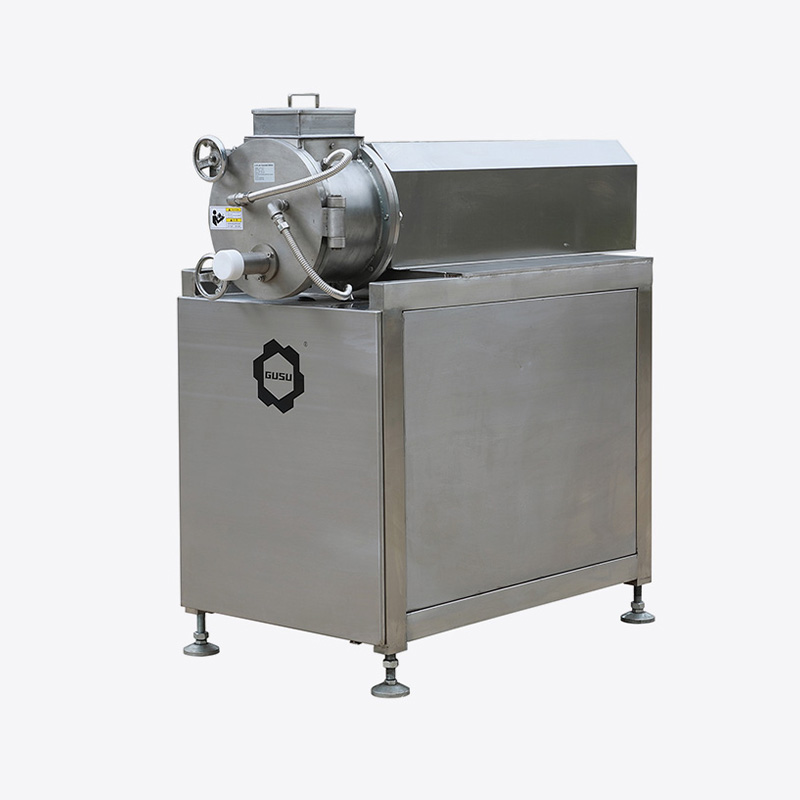
 GUSU Vertical Chocolate Ball Mill for Cocoa Liquor GrindingThis vertical ball mill grinds roasted cocoa nibs into fine chocolate liquor, reducing particle size to 20-25 microns. For cafes or craft makers, it enables in-house production with consistent silky texture and custom flavor profiles.View Product →
A vertical ball mill exists precisely for this step. It grinds roasted cocoa nibs into flowing chocolate liquor, breaking the bean down and releasing the cocoa butter locked inside. That liquor then becomes your drink base. For a cafe or craft chocolate maker, producing the base in-house with a ball mill removes the variability of bought blocks and lets you set your own flavor profile.
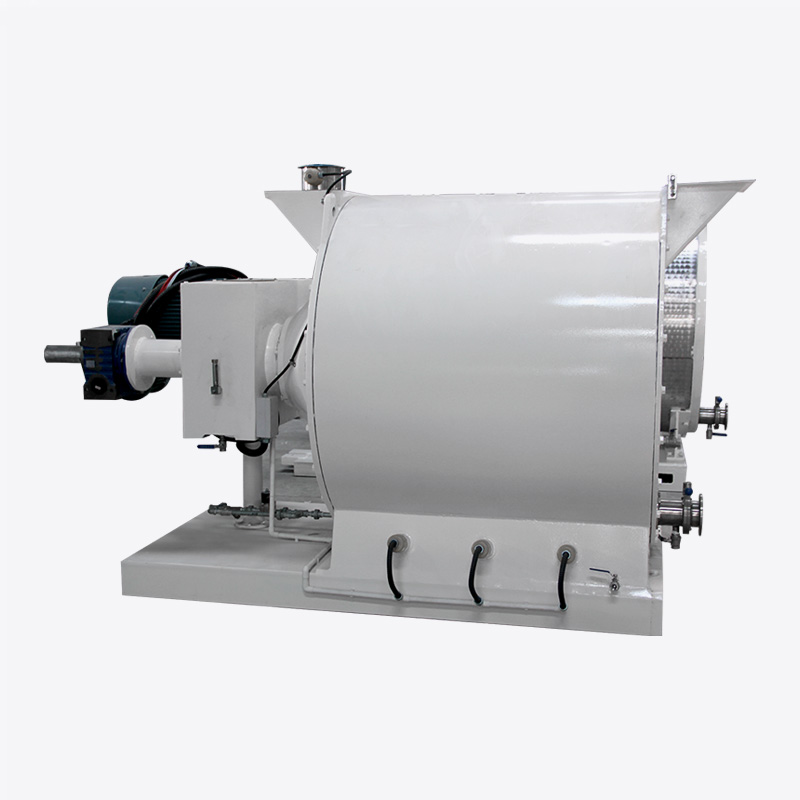
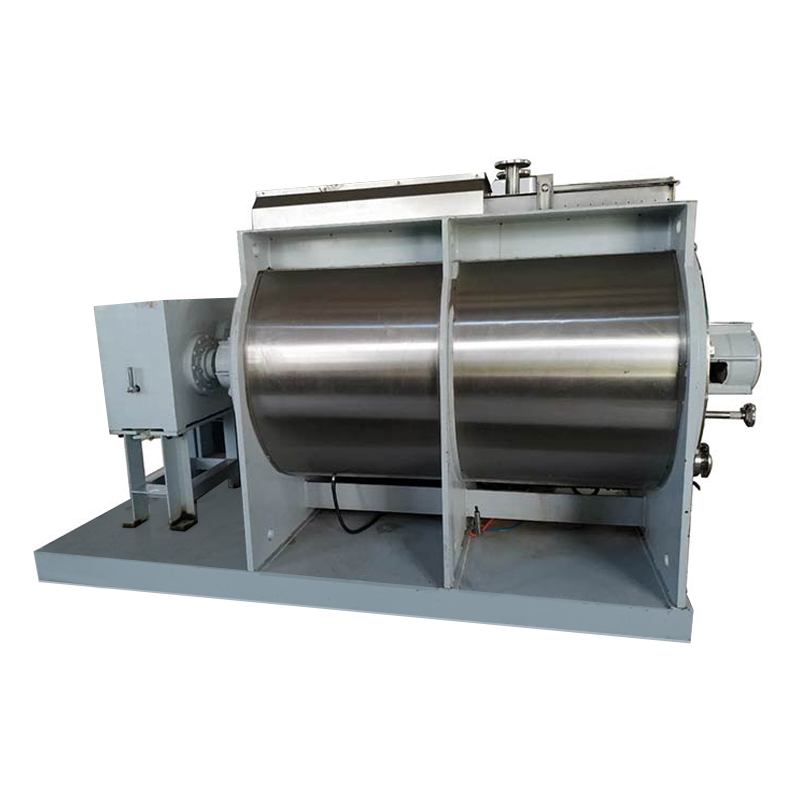
Refining takes the liquor further. A refiner-conche rubs, aerates, and heats the chocolate over several hours, which drives off volatile acids and reduces the particle size toward 30 microns or below. Drinks made from a refined batch taste less acidic and feel noticeably smoother, which matters when your product is served straight with no dairy to mask the texture.
JMJ2000 Stainless Steel Chocolate Conche Refiner MachineAn industrial conche for refining and conching chocolate, it reduces acidity and particle size for smoother drinks. Ideal for medium to large-scale production needing consistent viscosity and quality in chocolate liquor.View Product →From a Single Saucepan to a Commercial Chocolate Drink Menu
When a cafe, bakery, or craft chocolate maker decides to sell chocolate liquor drinks, the challenge stops being the recipe and starts being consistency. A single batch made by hand can be excellent; the fiftieth batch needs the same viscosity, sweetness, and temperature every time. Commercial production typically follows three steps: melt the cocoa mass, refine it to the right particle size, then hold it at serving temperature without burning the chocolate or letting the fat separate.
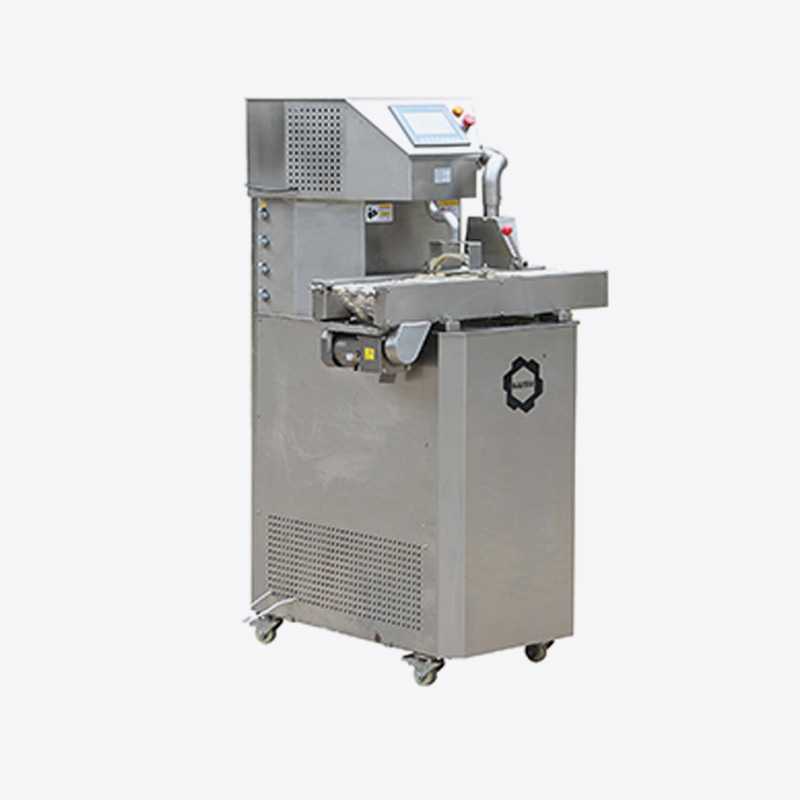
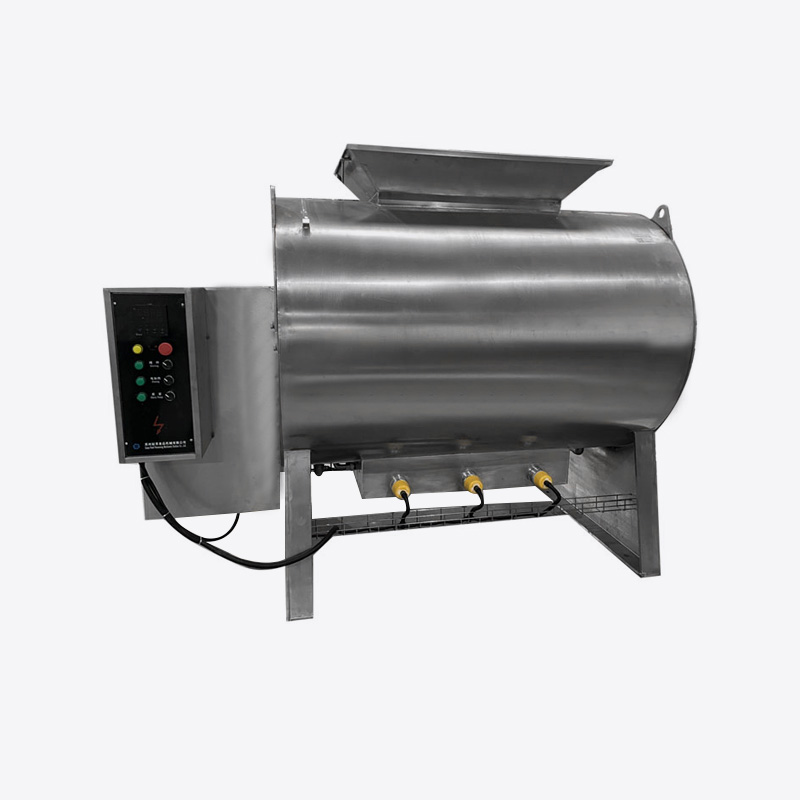
Melting is where fat melters earn their place. Chocolate liquor arrives in solid blocks, and a controlled melter brings it to a working temperature around 45 to 50 degrees C without scorching the delicate cocoa solids. Once melted, the liquor can be blended with milk or water in a jacketed tank that keeps the mixture at a constant serving temperature. This is also the stage where a production line pays for itself, because batch-to-batch variation is one of the fastest ways to lose a return customer.
Before investing in equipment, a guide to industrial hot cocoa equipment can help you map the process steps. The same principles apply whether you plan to package drinking chocolate, serve it at a counter, or use it as an ingredient in desserts.
Production Variables That Decide Drink Quality
If you are moving a chocolate liquor drink from a developed recipe to a wider menu, four variables matter more than the name you print on it.
- Particle size. Below about 30 microns the drink feels creamy; above that, even high-quality chocolate tastes dusty. A ball mill followed by a refiner-conche is the usual route.
- Fat content. Chocolate liquor is naturally about 50 to 55 percent cocoa butter. Extra butter improves flow and mouthfeel but raises cost, so specifications should be set deliberately.
- Sugar level. In liqueur-based drinks, sweetness arrives with the liqueur. In cocoa-mass drinks, sugar is an ingredient you control, which means the recipe must account for how much sugar you use.
- Hygiene and hold temperature. Dairy-based chocolate drinks are riskier than plain cocktails. Stainless steel surfaces and reliable temperature control keep the product safe and consistent across a shift.
Most producers do not need to choose between the cocktail world and the cocoa world. A bar can keep a good chocolate liqueur behind the counter for martinis, and a kitchen can melt a quality chocolate liquor for thick hot chocolate. For a company making both on a larger scale, the practical sequence is the same one used across the wider industry: melt, refine, temper or hold, then serve or package. That is why chocolate processing equipment built as a full line tends to outperform a patchwork of unrelated machines.
The shortest route to a satisfying chocolate liquor drink is to decide which ingredient you actually mean. For a sweet, alcoholic cocktail, chocolate liqueur is ready to pour and needs nothing more than balance. For a deep, alcohol-free drinking chocolate, real chocolate liquor made from ground cocoa beans is the honest starting point. Once you know which one you are working with, both paths are reliable, measurable, and possible to scale.