

 English
 Español

Chocolate production involves a lot more than processing ingredients through a group of machines sitting side by side on a factory floor. Each stage changes the condition of the chocolate before it moves to another piece of equipment, so the order of those stages can genuinely affect how smoothly the whole production line operates from morning to closing.
A practical sequence might connect a Cocoa Butter Melter with a Ball Mill for Chocolate Making, followed by a Chocolate Conching Refining Machine, a Chocolate Holding Tank, and a Chocolate Depositor Machine. The value comes from how these stages work together as one system, not from any single machine alone. If one process isn't ready for the next, even a genuinely well-designed machine can create a difficult handoff that stalls the whole line.
This makes equipment sequencing a genuinely important part of production planning worth revisiting regularly. Manufacturers need to consider what happens before and after each stage, how chocolate actually moves between machines, and how changes in one product may affect the rest of the line downstream.
Content
- 1 Why Does Equipment Sequencing Matter in Chocolate Production?
- 2 How Does the Cocoa Butter Melter Connect With the Next Process?
- 3 What Happens When Ball Milling and Conching Are Properly Sequenced?
- 4 How Does a Holding Tank Connect Processing With Forming?
- 5 How Can a Chocolate Depositor Fit Into the Overall Equipment Sequence?
- 6 Can Chocolate Chips Making Equipment Share the Same Production Logic?
- 7 How Can Chocolate Production Equipment Connect With Other Product Lines?
- 8 What Should Manufacturers Consider When Planning Equipment Handoffs?
Why Does Equipment Sequencing Matter in Chocolate Production?
Every stage of chocolate processing has a genuinely particular role to play in the finished product. The material entering one machine may need to have a different condition when it reaches the next stage, which means production cannot get planned by looking at individual machines in isolation from each other.
The relationship can get viewed as one connected flow moving through the plant: cocoa butter preparation leads into ball milling, which leads into conching and refining, then into holding, and finally into depositing.
| Production Stage | Connection With the Next Stage |
|---|---|
| Cocoa butter preparation | Provides material for chocolate processing |
| Ball milling | Prepares the chocolate mixture for further processing |
| Conching and refining | Develops the chocolate condition for holding |
| Holding | Keeps the processed chocolate ready for forming |
| Depositing | Transfers chocolate into the desired product format |
The sequence doesn't simply determine where equipment gets placed on the floor plan. It also shapes how materials move, how production teams coordinate each stage throughout a shift, and how changes get handled during daily operation without grinding everything to a halt.
A mismatch between two neighboring stages can genuinely create delays that ripple outward. For example, if a downstream machine is ready before the previous stage has prepared enough material, production may need to pause and wait.
The same issue can happen in the opposite direction just as easily. If an upstream stage continues producing while the next stage cannot accept the material yet, additional holding or handling may become necessary to avoid a backup.
Equipment sequencing therefore connects production timing with material flow in a genuinely practical way. It gives manufacturers a way to think about the entire process, instead of treating every machine as an isolated workstation standing on its own.
How Does the Cocoa Butter Melter Connect With the Next Process?
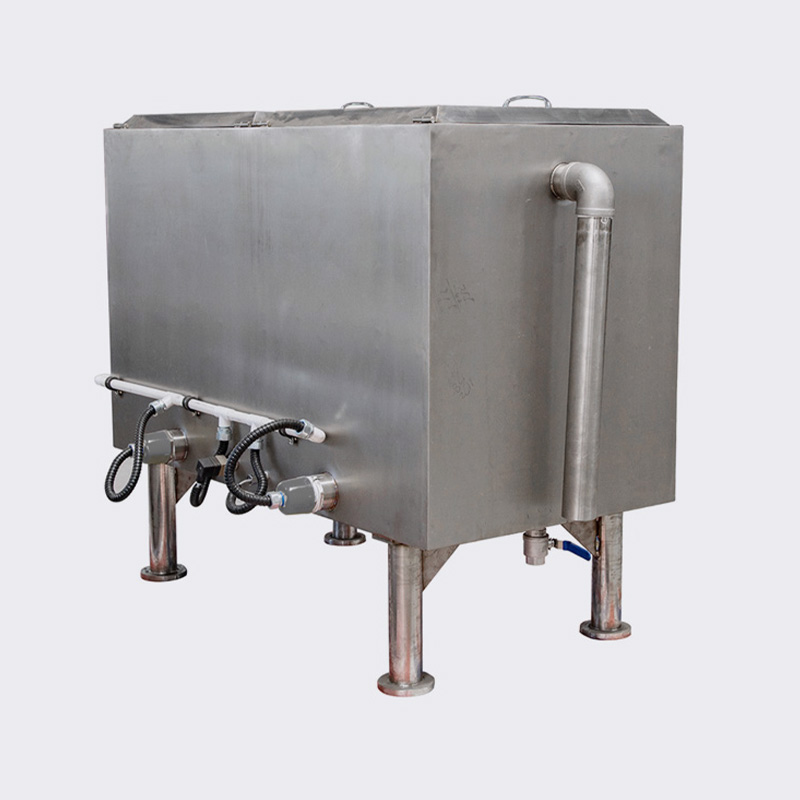
The Cocoa Butter Melter can get positioned near the beginning of a chocolate production sequence, because the prepared cocoa butter needs to enter the following processing stage in a genuinely suitable condition for what comes next.
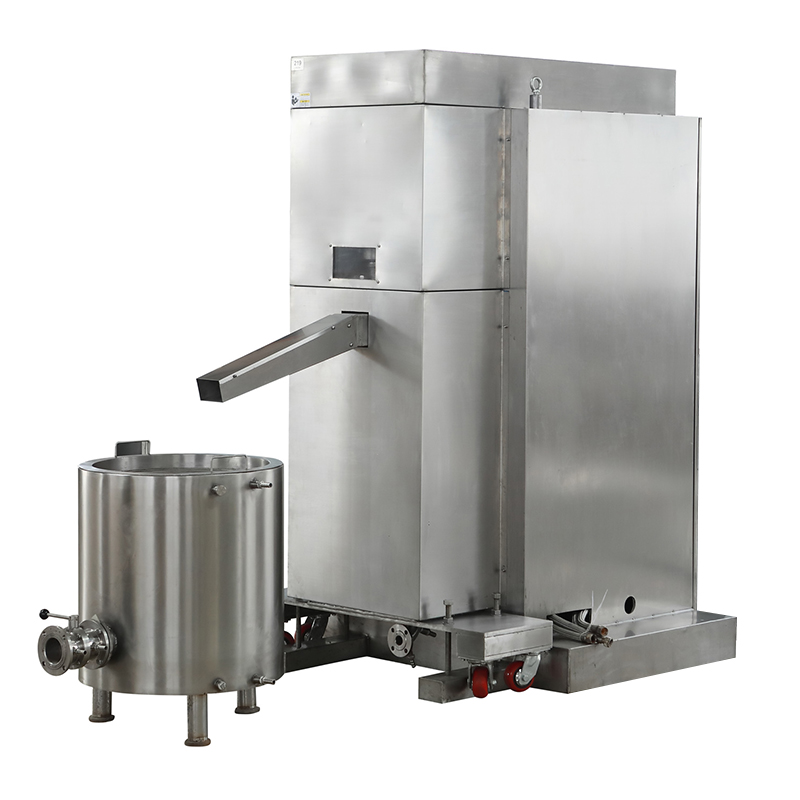
Its connection with the Ball Mill for Chocolate Making is particularly important to get right. The transition should allow the prepared material to move into the next stage without creating unnecessary interruptions or extra handling steps along the way.
This relationship affects a lot more than physical placement on the floor. Production teams also need to consider when the material actually becomes available and how that timing matches the needs of the following process waiting for it.
A simple production arrangement may involve several steps in order. Preparing cocoa butter comes first. Moving the prepared material into the chocolate processing stage follows. Combining it with the other ingredients being processed comes next. Continuing the mixture through milling keeps things moving. Sending the processed chocolate toward conching closes the loop.
The sequence creates a genuinely natural handoff between preparation and processing that operators can rely on shift after shift.
If the transfer is poorly coordinated, operators may need to stop equipment or hold material in an unsuitable location while waiting on the next stage to catch up. A better arrangement allows the material to move through the process with a lot fewer unnecessary interruptions along the way.
The Cocoa Butter Melter therefore has a genuine role within the wider production chain, not just its own corner of the plant. Its usefulness isn't limited to preparing cocoa butter alone. Its output needs to match the timing and handling requirements of the equipment that follows right after it.
What Happens When Ball Milling and Conching Are Properly Sequenced?
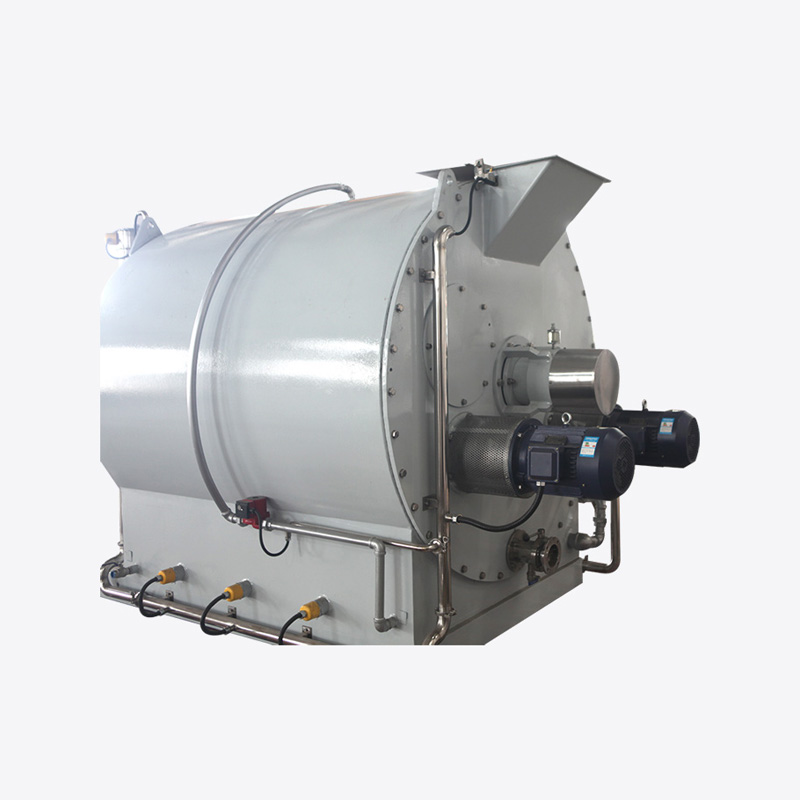
The relationship between the Ball Mill for Chocolate Making and the Chocolate Conching Refining Machine is another genuinely important part of equipment sequencing worth planning carefully.
These stages perform quite different tasks, but the output from one becomes the direct input for the next. That means the transition between them needs planning around material condition, production timing, and the desired product process being run that day.
When the milling stage wraps up, the chocolate needs to move onward without creating an unnecessary gap in the production flow that leaves equipment sitting idle.
The same principle applies when production changes from one chocolate product to another entirely. A manufacturer may need to adjust the production arrangement, clean equipment thoroughly, or prepare different ingredients before continuing on to the next batch.
| Sequencing Situation | Production Consideration |
|---|---|
| Milling followed by conching | Keep material movement organized |
| Product change | Coordinate cleaning and preparation |
| Different batch requirements | Match upstream and downstream timing |
| Temporary production pause | Provide suitable holding arrangements |
The Chocolate Conching Refining Machine should therefore get considered as part of a chain, rather than a standalone processing point sitting by itself.
Its position can genuinely influence how material arrives, how long it remains within the production flow, and when it actually becomes available for the next stage waiting on it.
This is also genuinely useful when planning factory layouts from scratch. Equipment that belongs to consecutive stages generally needs a practical connection nearby, while unrelated activities can get kept separate to reduce unnecessary movement across the floor.
How Does a Holding Tank Connect Processing With Forming?
After processing wraps up, chocolate may need to remain available before it enters a forming or depositing stage down the line. This is where a Chocolate Holding Tank can become a genuinely important link between processing and downstream production.
The holding stage creates a real transition point in the flow. Instead of requiring the previous machine and the depositor to operate as if they were one continuous unit locked to the same clock, the holding area can help coordinate their genuinely different production rhythms without forcing a mismatch.
This can be genuinely useful when the upstream process takes a different amount of time from the downstream forming process running alongside it.
A typical flow can get understood simply as processing leading into holding, which then leads into depositing.
The holding stage provides production teams with a lot more flexibility when coordinating these activities across a shift.
A Chocolate Storage Tank may also get considered when chocolate needs to remain within the production arrangement before another stage picks it up. The exact role depends heavily on the product, factory layout, and production plan already in place.
The important point here is that holding equipment shouldn't get treated as an afterthought tacked onto the layout.
Its position can genuinely affect movement between processing and forming. A poorly placed tank may require additional transfers that add handling steps, while a practical arrangement can keep the material path a lot easier to manage day to day.
The relationship between the Chocolate Conching Refining Machine, Chocolate Holding Tank, and Chocolate Depositor Machine shows exactly why sequencing matters this much. Each stage prepares the conditions needed for the next one in line, and the transition between them can genuinely influence the rhythm of the entire production line.
How Can a Chocolate Depositor Fit Into the Overall Equipment Sequence?
The Chocolate Depositor Machine represents a downstream stage, where processed chocolate finally gets transferred into a product form customers will recognize. By this point, the material has already passed through several earlier processes, so the depositor depends heavily on the consistency of the preceding stages feeding into it.
This creates a genuinely clear production relationship worth mapping out. If chocolate isn't available when the depositor is ready to run, the forming process may need to wait around. If the depositor cannot accept material at the expected pace, upstream equipment may need to adjust its own operation to match.
Sequencing can help manufacturers identify these connections well before production actually begins on a new line.
| Upstream Stage | Downstream Relationship |
|---|---|
| Cocoa butter preparation | Supplies material into chocolate processing |
| Ball milling | Passes processed mixture forward |
| Conching and refining | Prepares chocolate for later handling |
| Holding | Keeps material available for forming |
| Depositing | Creates the next product stage |
The depositor may also connect with other downstream equipment, depending entirely on the product being made that day.
For example, chocolate may get deposited into molds, onto food products, or into small portions meant for later handling further down the line. The following stage needs consideration when deciding how the depositor actually fits into the broader line.
This becomes particularly useful when a manufacturer produces several product formats out of the same facility. The same upstream chocolate process may feed genuinely different forming arrangements, so the sequence needs enough built-in flexibility to accommodate those changes without a full rebuild.
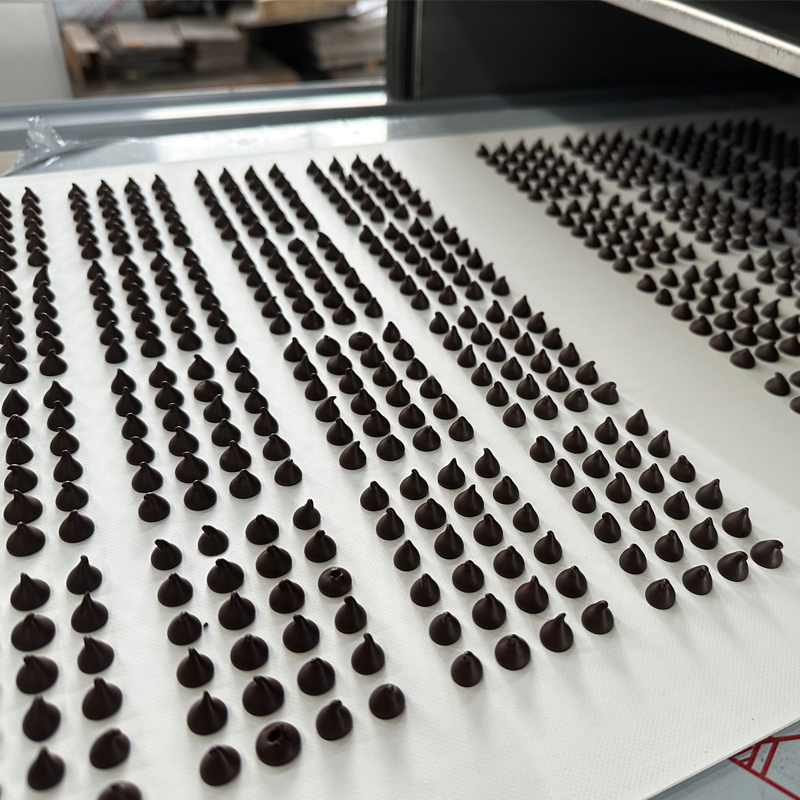
A Chocolate Chips Making Machine can get viewed as another example of how sequencing changes according to the final product coming off the line.
The chocolate preparation stages may remain genuinely connected throughout, while the downstream arrangement changes to suit chip production specifically. This means manufacturers don't always need to think about an entire factory as one fixed sequence carved in stone.
Instead, the production line can contain a shared upstream section and genuinely different downstream paths branching off it.
For example, one path runs chocolate preparation into refining, then holding, then chip forming. Another product may follow a different path: chocolate preparation into refining, then holding, then depositing, then product assembly.
This approach can help manufacturers plan production around different product categories without treating every product as an entirely separate manufacturing system built from zero.
The shared stages still need to supply material at genuinely suitable times for whichever path picks it up next. The downstream equipment then determines how that material gets shaped or incorporated into the final product on the shelf.
This is where equipment sequencing becomes genuinely useful for production planning across a diverse catalog. Manufacturers can identify which stages are common across several products and which stages actually need to change between them.
A Chocolate Holding Tank can also play a genuinely useful role in such arrangements, because different downstream processes may not always operate on the same schedule as each other.
The goal isn't adding more equipment simply to create flexibility for its own sake. It's understanding where transitions occur and arranging the production flow around those specific transitions.
How Can Chocolate Production Equipment Connect With Other Product Lines?
Chocolate production doesn't always exist as an isolated operation walled off from everything else in the plant. Chocolate ingredients or coatings may become part of other food products entirely, creating genuine connections between different types of production equipment running side by side.
A Protein Bar Extrusion Line provides one example worth considering. Chocolate may get used as part of a protein bar process, while the bar itself follows a genuinely separate production route involving forming, cutting, handling, and packaging on its own timeline.
A Protein Bar Extruder can therefore represent a downstream or parallel process, rather than another step tucked into the chocolate preparation sequence itself.
The same idea applies to a Candy Bar Production Line running nearby. Chocolate preparation may connect with another food production process, where chocolate becomes part of a genuinely larger product built around it.
| Product Line | Possible Connection With Chocolate Processing |
|---|---|
| Protein bar production | Chocolate may become part of the finished bar |
| Candy bar production | Chocolate may be used as a coating or component |
| Chocolate chip production | Chocolate is formed into a separate ingredient |
| Molded chocolate production | Chocolate is transferred into product shapes |
These examples show exactly why equipment sequencing needs to reflect the final product, not just the chocolate stage alone.
A chocolate processing line may prepare material that eventually moves into genuinely different production areas across the plant. If those connections get planned early, manufacturers can consider material movement, holding points, cleaning needs, and production changes together as one picture, rather than sorting it out after the fact.
This can also help avoid unnecessary equipment movement across the floor. Instead of repeatedly transporting chocolate between unrelated areas, the factory layout can get organized around the actual production path chocolate follows in practice.
What Should Manufacturers Consider When Planning Equipment Handoffs?
Equipment sequencing becomes a lot easier to manage once each handoff gets considered as part of the broader production plan, rather than an isolated decision made machine by machine.
The key question isn't simply where a machine should stand on the floor plan. It's what condition the material is in when it leaves one stage, where it goes next, and what the following machine genuinely needs before it can continue running smoothly.
Several practical areas deserve real attention during planning.
Material movement should stay genuinely clear throughout the layout. Unnecessary transfers can make production a lot harder to coordinate and create additional handling points that slow everything down.
Timing between stages matters just as much as physical placement. Upstream and downstream equipment may operate at genuinely different rhythms, so production planning should allow room for these differences rather than forcing a false match.
Holding arrangements can provide real flexibility where continuous movement isn't practical given the equipment involved. A Chocolate Storage Tank or Chocolate Holding Tank may help connect separate stages without forcing every machine to operate at the exact same pace as its neighbors.
Product changes need consideration as well, since they happen more often than people expect. When the factory moves from one product type to another, cleaning, preparation, and equipment adjustment can all affect the sequence downstream.
Downstream requirements should get considered before the upstream process gets finalized on paper. A depositor, chip-forming machine, or another food production line may require a genuinely different material flow or production arrangement than what's currently in place.
A useful planning structure can follow the material itself, rather than working straight down an equipment list. Identifying where ingredients enter the process comes first. Following the material through each processing stage comes next. Marking every transfer point along the way matters. Identifying where holding may be needed fills in gaps. Connecting the processed chocolate with its final forming or product line ties it together. Reviewing how product changes affect each handoff closes the loop.
This approach makes the production layout a lot easier to understand, because every machine has a genuine place within the movement of the product, rather than sitting there as an isolated box on a diagram.
It also gives manufacturers a genuinely practical way to discuss equipment with production teams, engineers, and purchasing staff sitting across the table. Instead of asking whether one machine works well on its own, they can examine whether the machine actually fits the process running around it.
The connection from Cocoa Butter Melter to Ball Mill for Chocolate Making, through the Chocolate Conching Refining Machine and Chocolate Holding Tank, and toward the Chocolate Depositor Machine illustrates this wider view clearly. The same thinking can then extend naturally to a Chocolate Chips Making Machine, a Protein Bar Extruder, or a Candy Bar Production Line whenever chocolate becomes part of another product pathway running through the same plant.