

 English
 Español


Content
- 1 What Is a Ball Mill Machine for Cocoa Butter Processing?
- 2 How Does a Ball Mill Machine Grind Cocoa Butter?
- 3 What Factors Affect the Grinding Performance of a Ball Mill Machine?
- 4 What Makes the LQMJ Ball Mill Suitable for Cocoa Processing?
- 5 How Is a Ball Mill Machine Used in Chocolate Processing?
- 6 How to Choose a Suitable Cocoa Butter Grinding Machine?
- 7 Factors That Shape Ball Mill Grinding Results
- 8 Frequently Asked Questions
- 9 Grinding Cocoa-Related Masses with Controlled Ball Mill Action
What Is a Ball Mill Machine for Cocoa Butter Processing?
Understanding Cocoa Butter Grinding Equipment
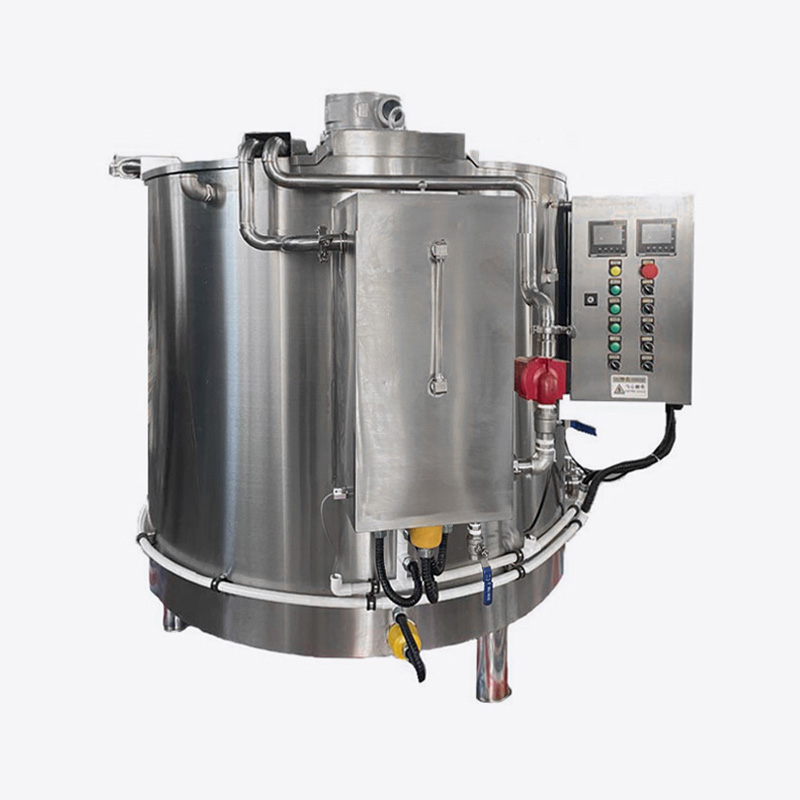
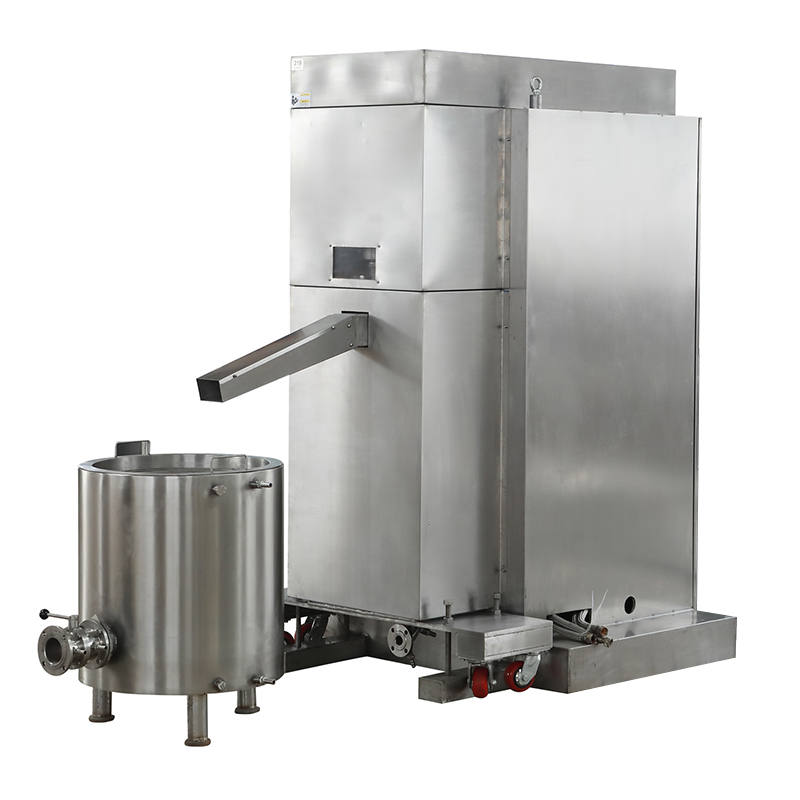
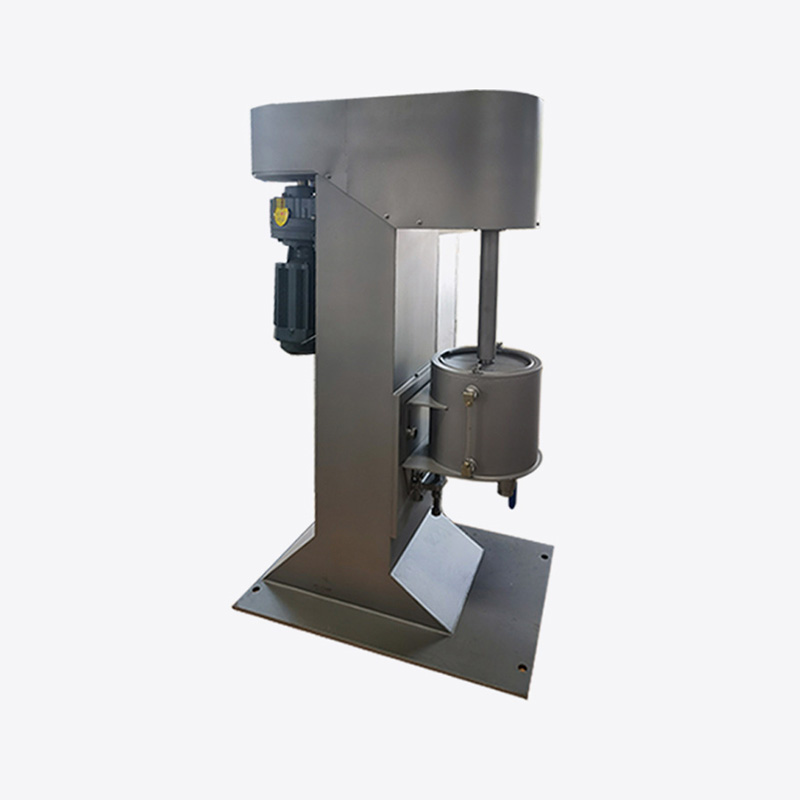
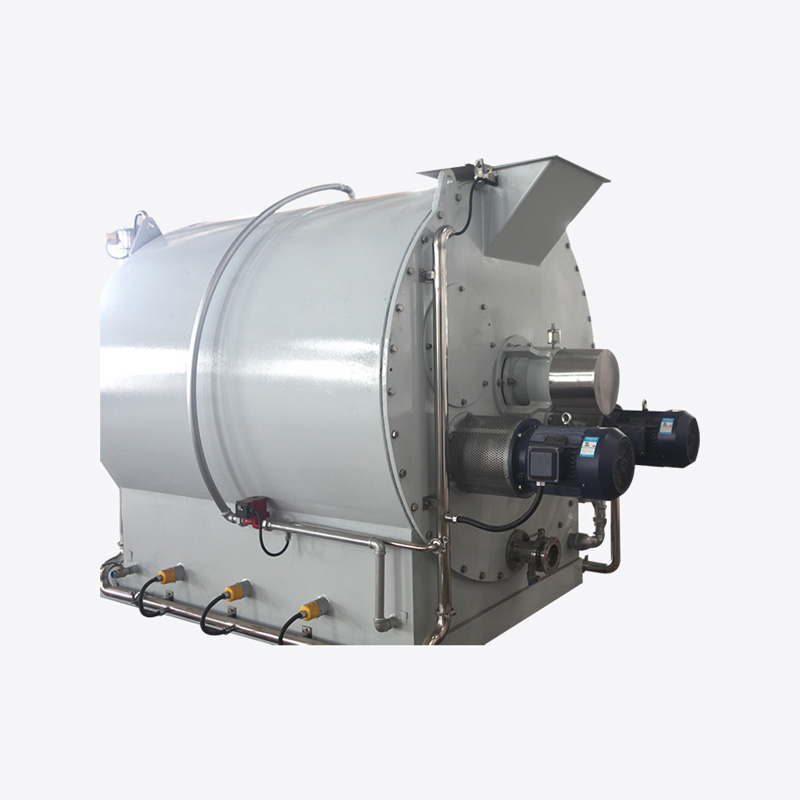
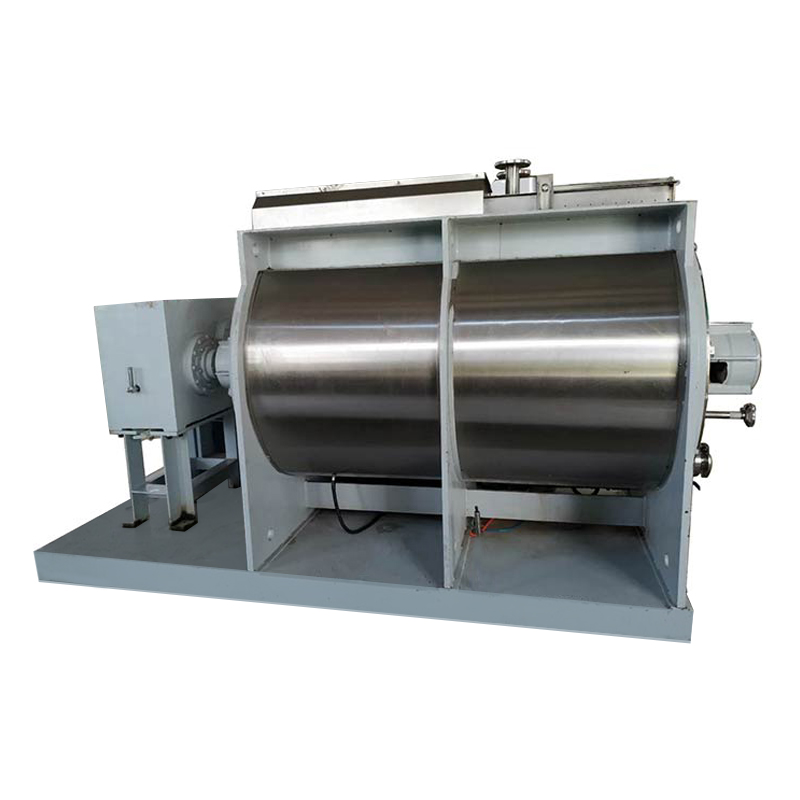
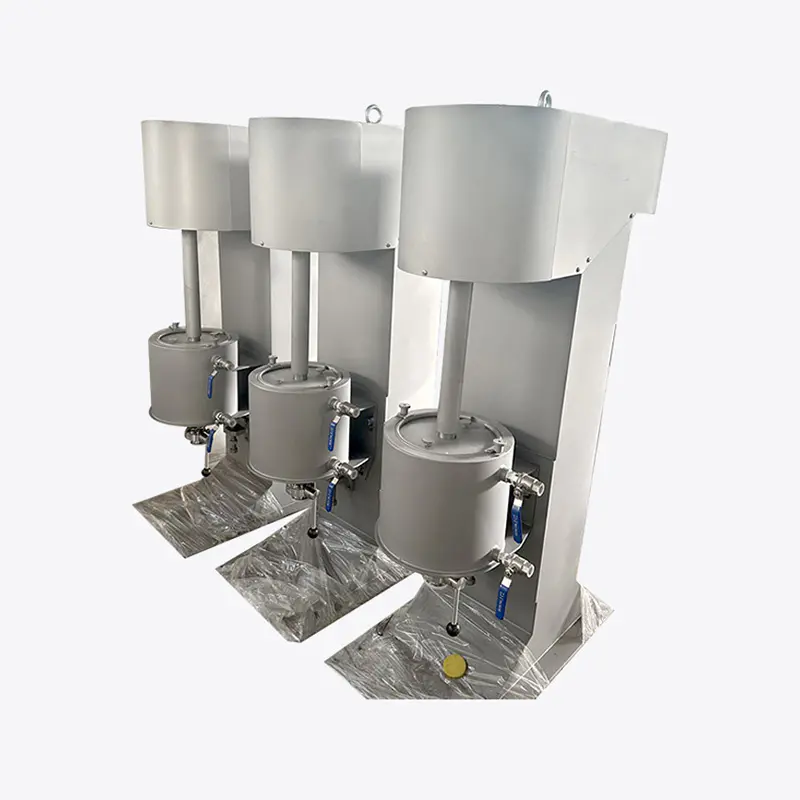
Chocolate and cocoa lines depend on equipment that can reduce particle size and refine the feel of cocoa-based masses. Industrial grinding machines apply controlled mechanical action so that ingredients become more uniform before refining, mixing or moulding stages. A ball mill designed for cocoa-related work uses a closed chamber and grinding media to process material under set operating conditions. The LQMJ ball mill machine for cocoa butter grinding is one configuration intended for that type of duty when matched to the product formulation and the plant's capacity plan.
Why Grinding Matters in Chocolate Production
Texture in chocolate depends heavily on how finely and evenly solid particles are reduced and how the fat phase is handled during processing. Uneven particle size can leave a gritty mouthfeel or unstable flow behaviour later in the line. Grinding and refining steps are therefore planned so that particle size, viscosity and temperature stay within the window required by the recipe. Processing conditions—time, intensity and thermal control—link directly to batch-to-batch consistency of the finished mass.
How Does a Ball Mill Machine Grind Cocoa Butter?
Feeding Materials into the Grinding System
Material enters the mill through the feeding arrangement specified for the machine, which may include pumps, hoppers or pipe connections depending on whether the feed is fluid or paste-like. Quantity and feed rate are controlled so the chamber is neither starved nor overloaded. Stable feeding supports repeatable contact between the product and the grinding media and reduces unnecessary temperature spikes from uneven filling.
Grinding Through the Ball Mill System
Inside the chamber, grinding media move as the machine runs. Collisions and shear between media, and between media and the product, break down particles and work the mass. The motion pattern depends on chamber geometry, media fill and drive arrangement. Processing time is set so that the material reaches the target fineness without excessive heat or over-working, which can change flavour or flow properties of cocoa-based products.
Controlling the Grinding Process
Operators adjust parameters allowed by the control system—such as running duration and any temperature-related settings—according to the formulation. Cocoa butter and chocolate masses are sensitive to heat; monitoring product temperature and machine behaviour during the cycle helps keep the batch inside the process window. Material characteristics such as initial particle size, fat content and viscosity influence how quickly the target consistency appears.
Discharging the Processed Material
When the cycle ends, processed material leaves through the discharge path designed for the unit. Samples are checked for consistency, fineness and temperature before the batch moves to the next stage. Documentation of cycle settings supports later repeats of the same product.
What Factors Affect the Grinding Performance of a Ball Mill Machine?
Grinding Media and Grinding Chamber Design
Media size, quantity and material, together with chamber shape and internal fittings, determine how energy is delivered to the product. A chamber and media set matched to cocoa-type viscosities behaves differently from one intended for dry mineral grinding. Equipment design must align with food-contact and cleaning needs as well as with mechanical efficiency.
Material Characteristics
Composition, viscosity and temperature of the feed change how easily particles reduce and how the mass flows around the media. Recipes with higher solids or different fat levels may need longer cycles or adjusted settings. Treating every formulation with identical parameters often produces uneven results.
Grinding Temperature and Processing Time
Temperature affects viscosity and can influence flavour if the mass overheats. Time under grinding determines how far particle size reduction proceeds. Balancing the two—enough work to reach fineness, not so much that quality drifts—is a core process task on cocoa and chocolate mills.
Machine Capacity and Operating Parameters
Chamber volume, drive capability and allowable duty cycle set how much product can be processed per batch or per hour. Production planning matches those limits to order volume so that the mill is neither idle nor constantly pushed beyond its intended load. A Butter Grinding Machine in ball-mill form is sized on that capacity relationship, not on chamber appearance alone.
What Makes the LQMJ Ball Mill Suitable for Cocoa Processing?
Ball Mill Grinding Structure
The LQMJ arrangement centres on a grinding chamber and media configuration defined in the machine design. That structure is intended to support wet grinding of compatible cocoa-related materials when operated within the stated limits. Exact layout follows the manufacturer's drawings and instructions for the model.
Processing Performance and Operating Stability
Stable running depends on correct installation, balanced loading and adherence to operating guidance. Where temperature control or adjustment features are fitted, they are used according to the product manual so that thermal behaviour stays predictable across batches.
Equipment Configuration and Production Requirements
Motor sizing, chamber design and control features are selected against the plant's required throughput and product range. Buyers compare those elements with recipe needs rather than assuming one configuration covers every chocolate line.
Practical Advantages of the LQMJ Model
Structural features suited to the intended grinding duty, clear operating procedures and a defined application scope help integrate the machine into cocoa butter or chocolate processing steps. Verified information from the supplier's technical file should guide acceptance and process set-up.
How Is a Ball Mill Machine Used in Chocolate Processing?
Cocoa-Based Material Processing
Within the applications confirmed for the equipment, the mill reduces particle size and works the mass at the stage assigned by the process flow. It is one unit in a chain that may include mixing, refining, conching or storage, depending on the factory layout.
Chocolate Manufacturing Operations
Upstream steps prepare a feed the mill can handle; downstream steps receive a mass with more uniform particle characteristics. Coordination of temperatures and transfer methods between units avoids partial solidification or separation during hops between machines.
Industrial Food Processing Applications
Suitable environments are those that meet the hygienic and installation conditions assumed in the machine design—food-contact materials, cleanable surfaces and utilities that match the drive and any heating or cooling circuits. Ball Mill Machine Manufacturers serving chocolate plants typically document those boundary conditions so that buyers can check site readiness before delivery.
How to Choose a Suitable Cocoa Butter Grinding Machine?
Evaluate Processing Capacity
Required batch size or hourly throughput is compared with the machine's usable capacity so that production schedules remain realistic.
Check Grinding Requirements
Target fineness, recipe viscosity and heat sensitivity define whether a given mill and media set are appropriate. Trials on representative formulations remain the practical confirmation method.
Review Machine Configuration
Chamber design, drive system, controls and any temperature management features are reviewed against process needs and operator skill levels.
Consider Cleaning and Maintenance
Surfaces in contact with product must allow cleaning to the plant's hygiene standard. Access for media inspection and routine service affects downtime planning.
Factors That Shape Ball Mill Grinding Results
| Factor | Influence on Processing | Practical Focus |
|---|---|---|
| Media and chamber design | Energy delivery and particle reduction path | Match design to cocoa-type masses |
| Feed characteristics | Viscosity, solids level, starting particle size | Adjust cycle to formulation |
| Temperature | Flow behaviour and product quality | Monitor and control within process window |
| Processing time | Degree of fineness achieved | Stop when target consistency is reached |
| Feed rate and fill level | Uniformity of grinding action | Avoid under- and over-filling |
| Cleaning access | Hygiene and changeover speed | Design and procedures fit food plant rules |
Frequently Asked Questions
How does a ball mill machine work?
Grinding media move inside a chamber and reduce particle size through repeated impact and shear while the product is present. Operating time and conditions determine how far that reduction goes.
What materials can a cocoa butter grinding machine process?
Only materials listed as suitable for the specific machine and compatible with its food-contact design should be processed. Cocoa-related masses are typical when the unit is built for that duty; other recipes need supplier confirmation.
What factors affect ball mill grinding efficiency?
Media selection, chamber design, fill level, material viscosity, temperature and running time all affect how quickly and evenly the target fineness is reached.
How do you control temperature during grinding?
Temperature is managed through the machine's available cooling or heating features, batch size, cycle time and monitoring during the run, following the manufacturer's guidance for the product type.
How do you select a ball mill machine for chocolate production?
Capacity, recipe requirements, configuration, cleaning method and documented food-processing suitability are compared with the plant's process map; representative trials support the final choice.
Grinding Cocoa-Related Masses with Controlled Ball Mill Action
A ball mill grinds cocoa butter and related chocolate materials by moving grinding media through the product under controlled time and temperature conditions. Feed stability, media and chamber design, and disciplined process monitoring determine whether particle size and consistency meet the next production step. Gusu Food Processing Machinery Suzhou Co.,Ltd. supplies food processing equipment including ball mill systems for cocoa and chocolate-related applications. Review of chamber design, operating guidance and capacity against recipe and hygiene requirements supports selection of grinding equipment suited to controlled cocoa butter and chocolate mass processing.