

 English
 Español

Chocolate Chips Machine Guide: How It Works, Shapes, Setup Tips and More.Running a food production line that turns out chocolate chips day after day can feel like walking a tightrope sometimes. You need the pieces to come out the same size, the same shape, and ready for the next stage without slowing everything down. That's why so many factory folks end up asking about a chocolate chips machine. It sits there on the floor, quietly handling the messy part of melting, dropping, and cooling so the rest of the team can focus on mixing, baking, or packing.
This isn't some glossy sales pitch. It's just a straight walk-through of the questions I hear over and over from plant managers and line supervisors. We're going to look at how the machine actually moves chocolate from start to finish, the different forms it can spit out, some down-to-earth tips for getting it bolted in place, why it starts to make sense when volumes pick up, the no-skipping cleaning routine that keeps things running, and the quiet signs that tell you it might be time to think about an automatic version. Nothing fancy, just the stuff that actually matters when you're trying to keep the line humming without headaches.
A lot of shops still start with spoons and trays when orders are small. But the minute those orders start stacking up, the conversation shifts. The sections below lay out each piece of the puzzle so you can picture how it might fit into your own space, no pressure, no hype.
Content
- 1 How Does a Chocolate Chips Machine Work
- 2 What Shapes Can a Chocolate Chips Machine Produce
- 3 Tips for Setting Up a Chocolate Chips Machine in Your Factory
- 4 Why Use a Chocolate Chips Machine for Large Scale Production
- 5 How to Clean a Chocolate Chips Machine After Each Batch
- 6 When to Switch to an Automatic Chocolate Chips Machine
How Does a Chocolate Chips Machine Work
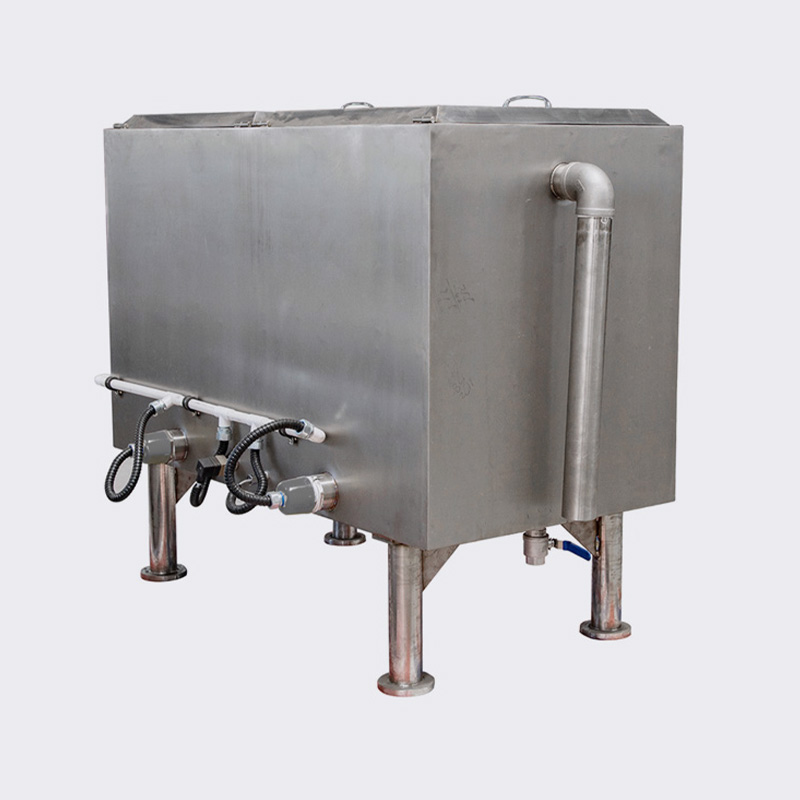
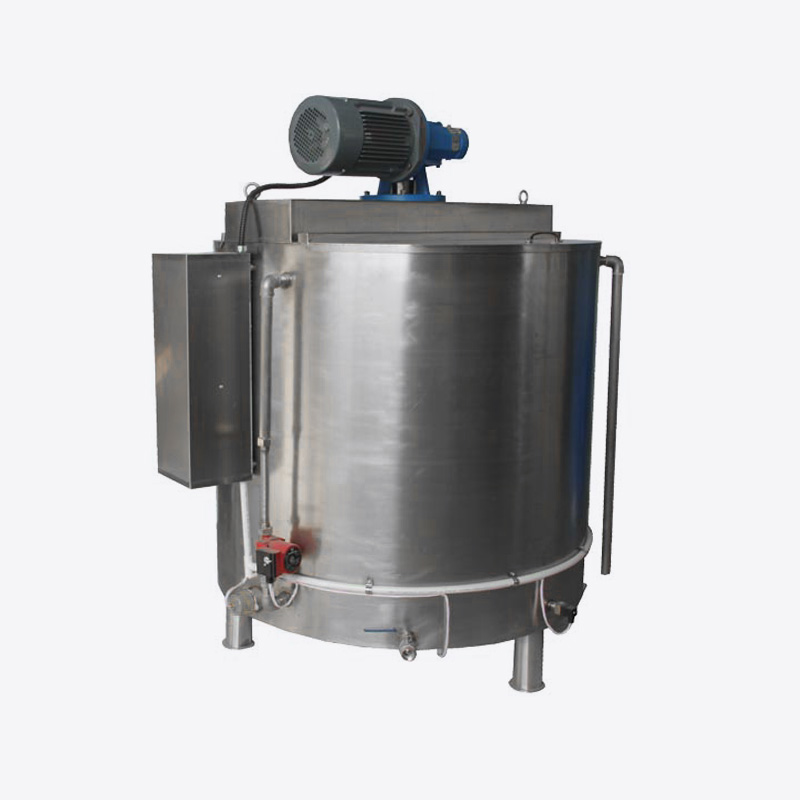
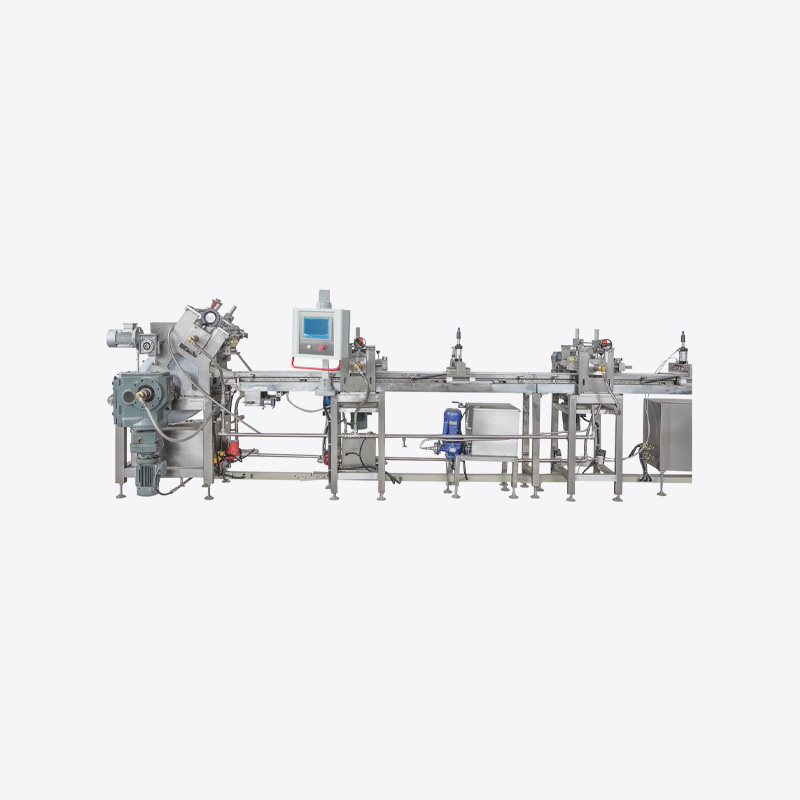
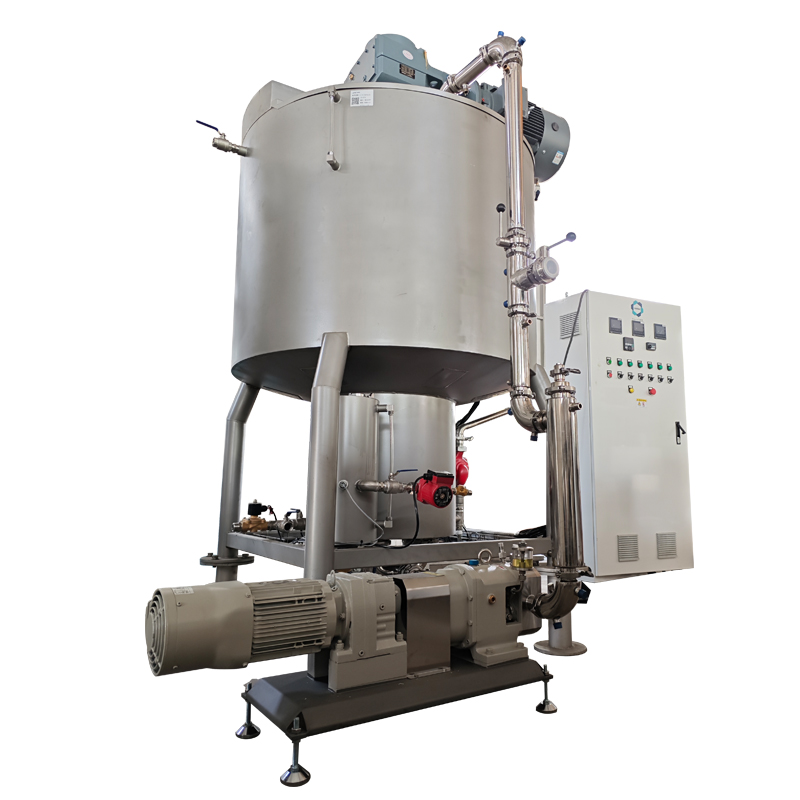
Think of it like a slow, steady river of chocolate that gets shaped along the way. You pour melted chocolate into a big holding tank at the back. That tank stays warm enough to keep everything flowing but not so hot that it turns thin and messy. From there the chocolate slides forward on its own weight until it reaches the dropper head.
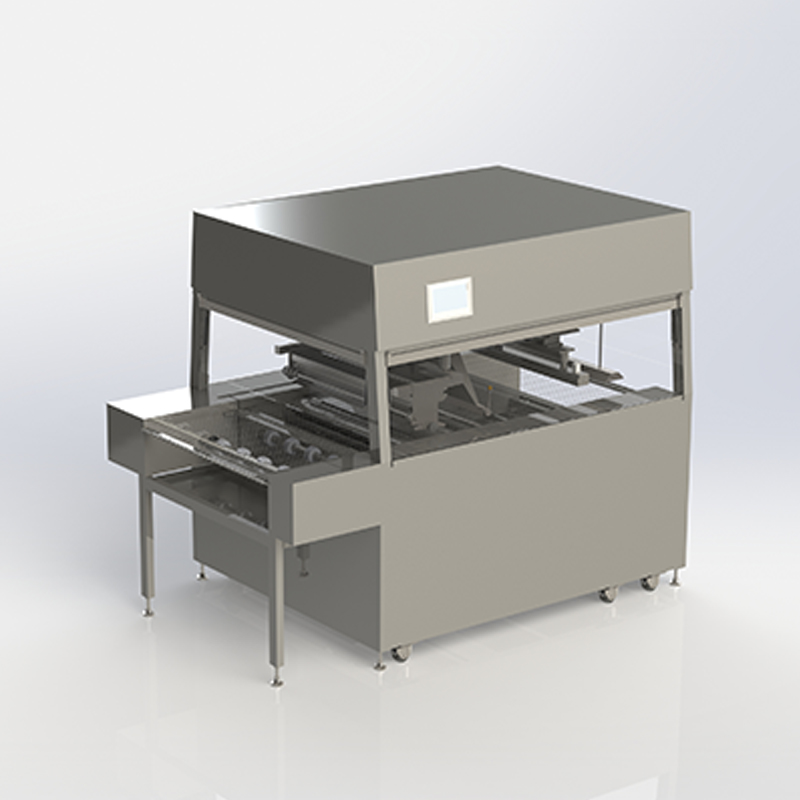
The head opens and closes in quick little bursts, letting out exact amounts onto a belt that keeps rolling forward. Each drop lands, rides along under some cooling air or a chilled plate, and firms up before it reaches the end. At the far side the pieces slide off or get nudged into bins. That's the whole cycle in plain English.
What keeps it from feeling like rocket science is the handful of simple controls. You twist a dial for belt speed, nudge another for the warmth in the tank, and watch the first few drops to see if they look right. If they spread too much you dial the heat down a notch. If they come out lumpy you bump it up. Most folks get the hang of those tweaks inside a couple of shifts.
The machine basically breaks into three zones that talk to each other. The tank keeps the chocolate ready. The dropper gives it shape. The cooling section locks that shape in place. Because the zones stay mechanical in the everyday models, you don't need a computer degree to run it. Just keep an eye on the hopper level and listen for any odd motor noises. After a while the whole thing starts to feel like second nature, and you catch yourself adjusting things almost without thinking.
One thing that always surprises new operators is how the same machine can handle dark chocolate one hour and milk the next. You just change the temperature a little and let it settle. No big drama. Over time teams scribble notes on scrap paper about what settings worked for each recipe. Those notes turn into a dog-eared cheat sheet that saves minutes every morning.
What Shapes Can a Chocolate Chips Machine Produce
Chocolate chips aren't all the same little teardrops you see in grocery bags. The machine lets you change the look by swapping one simple plate under the dropper. The everyday flat disc still does most of the heavy lifting because it sits nicely in cookie dough and melts evenly. But swap the plate and suddenly you're making round buttons, little stars, or even basic hearts for seasonal packs.
The swap takes maybe ten minutes once the leftover chocolate is scraped out and the parts have cooled. Shops that make several different products keep three or four plates on a shelf nearby. Grab one, bolt it on, run a short test, and you're back in business. The size changes the same way—just open the dropper a bit wider or narrower.
What really matters is how that shape plays with the rest of your line. A flat chip folds into dough without breaking. A round one rolls easier through weighing machines. Most teams run a quick tray after any change just to watch how the new pieces move through the mixer or packaging station. The cooling air makes a difference too. Stronger air gives sharper edges; softer air leaves gentler curves that some recipes like better.
After a few months most plants settle on two or three shapes that cover ninety percent of their orders. Still, having the option to try something new keeps things interesting when a customer asks for a special run. Store the spare plates flat and clean and they last for years without bending or clogging the flow.
Tips for Setting Up a Chocolate Chips Machine in Your Factory
Putting the machine in place is less about heavy engineering and more about common sense. Measure your floor first so the unit has elbow room on every side. You need space to walk around it safely and reach the controls without stretching. Bright lights overhead make it easier to see the drops during startup, and steady room temperature keeps outside heat from messing with the chocolate.
Next sort out the power and any air lines. Make sure the outlet matches and the hoses don't kink. Slide the machine near your mixing tanks or packaging tables so raw chocolate and finished chips don't have to travel far. Once it's in position, level the base carefully. A wobbly floor can shake the drops and make them land crooked.
The actual bolt-down takes half a day at most. Anchor it, hook up power, test the motors with nothing inside, then run a tiny test load of chocolate. Watch the first belt pass and tweak the dials until the pieces look even. Tape a one-page checklist to the side of the machine—alignment, nozzle gaps, emergency stops—and everyone follows the same steps.
Try to do those first runs on a quiet shift so the team can learn without feeling rushed. After a week or two you'll have a short list of settings that work for your usual recipes. Factories that expect to grow sometimes leave extra space at the ends of the belt so they can add longer sections or bigger collection bins later without moving the whole unit.
Every couple of months walk around and check if anything has shifted. Those quick looks catch small problems before they turn into big ones. The real trick is building habits during setup that carry through every ordinary workday.
Why Use a Chocolate Chips Machine for Large Scale Production
When your daily numbers start climbing past what hands and trays can manage, the machine starts to earn its keep in a hurry. It drops the same size piece over and over instead of the slight differences that creep in when people get tired by the end of a shift. That steadiness shows up right away in the mixing stage because every chip weighs about the same and mixes evenly.
Labor hours change too. Instead of three people shaping chips all day, one person watches the hopper and the belt while the others handle other jobs. The same crew can suddenly push more volume without adding headcount. Down the line the packaging team also notices fewer odd-shaped pieces that need sorting.
Another quiet benefit is the way the machine keeps running once it's warmed up. It can go for a full shift as long as chocolate keeps coming in and someone checks the levels now and then. That steady pace matches bigger orders and helps planners hit delivery dates without last-minute scrambles. Waste drops too because fewer chips come out wrong and need to be reworked.
Teams that have lived through the change often say the extra breathing room lets them spend time on recipe tweaks or keeping other equipment clean. The exact moment the switch feels right is different for every shop, but the pattern is the same: steadier output, calmer days, and fewer surprises when volumes grow.
How to Clean a Chocolate Chips Machine After Each Batch
Nobody loves cleaning, but skipping it is the fastest way to watch the next run turn into a mess. As soon as the last drops fall, let the leftover chocolate cool just enough to scrape cleanly. Pull what you can reuse if your quality rules allow, then move on.
Take off the nozzle plate and any guides that touch chocolate. Soak them in warm water with a food-safe cleaner and give them a gentle brush. Rinse everything twice and dry it completely before putting the parts back. Wipe the belt the same way, paying extra attention to the seams where chocolate likes to hide. The cooling section just needs a quick pass to knock off any loose bits.
Post a short list beside the machine: empty, soak the removable parts, wipe the rest, rinse, dry, reassemble, test with fresh chocolate. That final test run tells you the flow feels normal again. Shops with two or three shifts turn the cleaning into a simple handoff note so every crew does it the same way.
Cover the hopper during breaks and you cut down on dust settling inside. Stick with this routine and the machine stays smooth month after month with almost no surprise stops.
When to Switch to an Automatic Chocolate Chips Machine
The nudge to move up to an automatic model usually comes from small daily frustrations rather than one big moment. You notice you're spending more time tweaking dials and clearing little clogs than actually running chocolate. That's often the first hint that sensors and preset programs could take some weight off your shoulders.
Watch the crew too. If you keep pulling extra hands just to keep the belt fed, automatic feeding and monitoring can free those hours for other stations. The machine still needs someone nearby, but the constant touching drops off.
Look at your output records. If the chip size or weight starts wandering more from batch to batch, the steadier controls in an automatic version usually tighten that up. A few weeks of simple notes usually make the pattern obvious.
Maintenance gaps give another clue. When cleaning or small fixes start eating into run time, the self-adjusting features can shrink those gaps. Lay the numbers side by side and the decision starts to feel logical instead of scary.
Schedule the change during a slower week so the team can train without rushing orders. Many plants run the new unit next to the old one for a short time until everyone feels comfortable. The same cleaning and setup habits you already know carry straight over.
A chocolate chips machine touches more parts of the line than most people expect. It handles the melting and shaping, sure, but it also changes how you set up the floor, how you clean at shift end, and when you start thinking about the next step up. The six areas we walked through give a real-world map that matches what actually happens on the plant floor.
Each part connects to the next. Understand the flow and setup feels logical. Know the shapes and cleaning routine and daily life gets smoother. Watch the signals for larger runs or automatic features and growth feels less like a guess.
If you've been turning these same questions over while you watch the line run, the details here are meant to give you a clear starting point. Every shop is different, so the best next move is usually a quiet talk with someone who can look at your space and your numbers without pushing anything. Many teams say that simple conversation clears up the last few doubts and helps them picture the change without stress.
Use this guide as a reference that grows with you. Come back to it when volumes shift or recipes change. The main thing is paying attention to these everyday pieces so the line keeps moving the way you need it to—steady, repeatable, and without the drama. That's what most of us are really after when we start looking at equipment in the first place.