

 English
 Español

Content
- 1 Chocolate Chips Machine in Chocolate and Confectionery Production: Real Talk from the Factory Floor
- 2 How to Install a Machine on Your Production Line
- 3 What Types of Chocolate Chips Machine Suit Different Product Shapes and Sizes
- 4 Tips for Choosing a Chocolate Chips Machine That Matches Your Daily Output
- 5 Why Proper Calibration of a Chocolate Chips Machine Improves Consistency
- 6 Where to Position a Chocolate Chips Machine in the Factory for Smoother Workflow
- 7 How to Maintain a Chocolate Chips Machine for Everyday Reliable Operation
- 8 FAQ
Chocolate Chips Machine in Chocolate and Confectionery Production: Real Talk from the Factory Floor
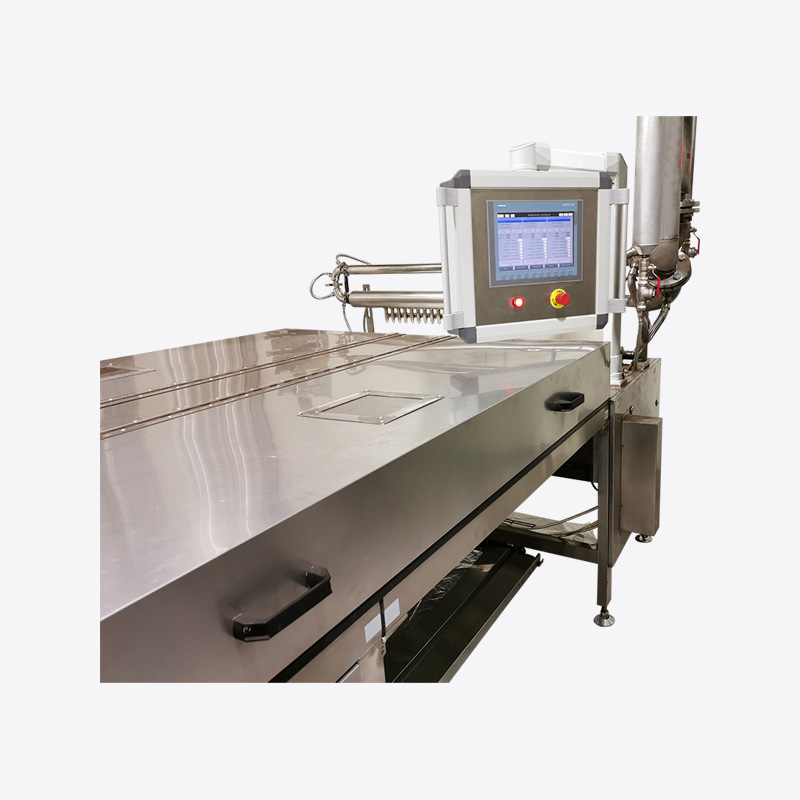
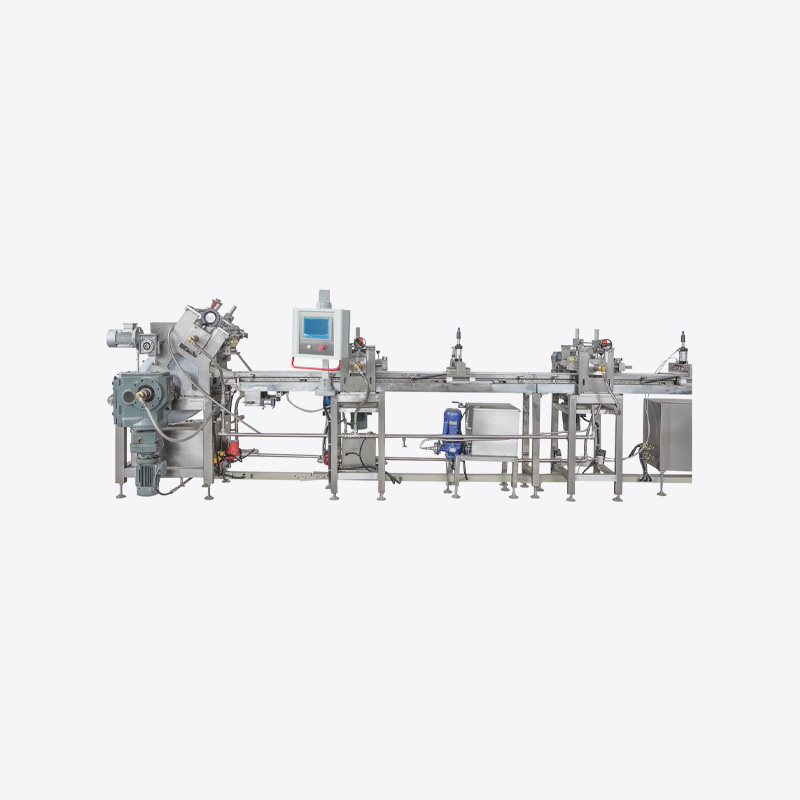
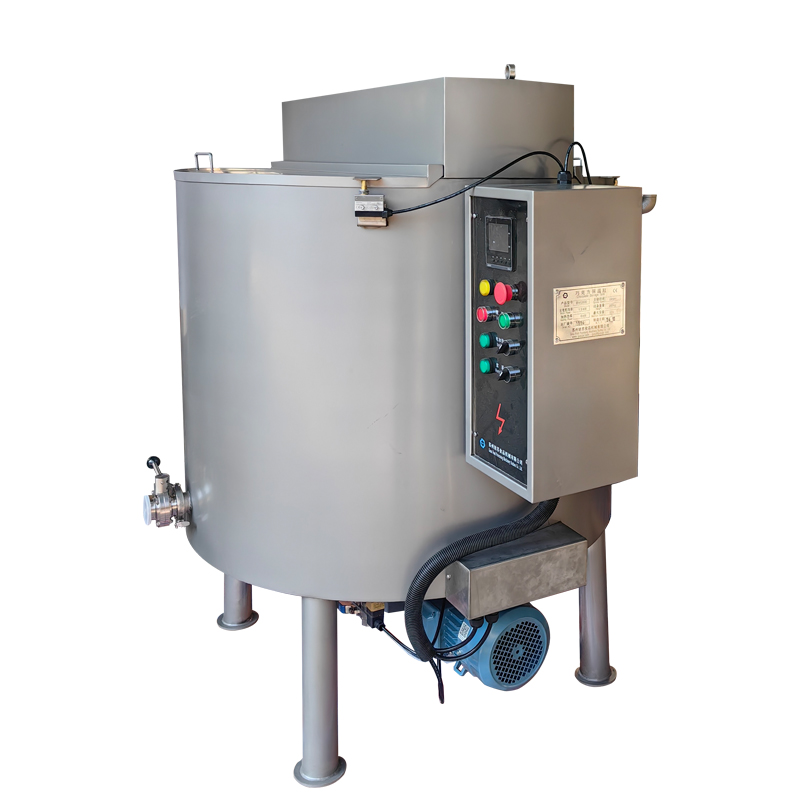
You walk into any chocolate factory or confectionery line early in the morning and it's the same picture every single time. Mixers turning, belts humming, and the crew trying to get those little chips formed right without the line stopping every few minutes. The chocolate chips machine has turned into part of the daily grind for food plants, candy makers, and baking suppliers, but a lot of teams still end up wasting time figuring out which machine actually fits the job, how to get it set up on the line, and how to stop it from acting up after a few shifts.
That's exactly why these six questions keep coming up on every run. This piece puts together the answers we hear the most. No theory, just the stuff that actually works when you're trying to keep the chips moving and the line steady without constant fiddling. We'll walk through how to install the machine on your line, which types match different product shapes and sizes, tips for choosing one that fits your daily output, why proper calibration matters for consistency, the right spot in the factory for smoother flow, and the simple care that keeps everything running day after day.
How to Install a Machine on Your Production Line
Putting the machine on your production line isn't hard once you stick to the same order every time. You start by marking the exact spot on the line where the machine will sit. Measure twice so the infeed and outfeed line up clean with the upstream mixer and the downstream conveyor without any gaps or jams.
Then you fix the machine itself. Use the base holes it comes with and bolt it down with the right anchors for your floor — concrete, tiled, or metal all take different fixings. Make sure the machine sits dead level because even a little tilt can make the chips come out uneven and clog the drop head later. Connect the power and air lines exactly as the panel shows, then run a slow test with a small batch of mix to check everything flows smooth.
Keep a short list in the maintenance room: level, tape measure, wrenches, and the right anchors and hoses. The two things crews mess up most are skipping the level check after bolting it down or rushing the conveyor speed match. Food-grade lines sometimes need an extra guard added after everything is tight. The basic steps stay exactly the same — mark, level, secure, test — but the space and connections change with the line layout. Take a minute on that first run. Feed a small batch through slow after you finish and watch for any leaks or shifting in the drop. Most teams get the whole thing done in under an hour once they have the routine down for their particular line.
What Types of Chocolate Chips Machine Suit Different Product Shapes and Sizes
Not every chocolate chips machine works the same for every product you run. The type you grab has to match the chip shape, the mix viscosity, and whether the final bag is going to retail or bulk. Standard drop-head machines handle most round or teardrop chips that you see in regular baking mixes. Adjustable roller types come in handy when you need flatter or irregular chips for specialty cookies or snack bars.
Shape makes a big difference. Round chips fit the straightforward drop stations that most plants run for standard chocolate pieces. Flat or disc shapes need machines with wider forming plates so the mix spreads even before it cools. Irregular or chunk-style chips work better with machines that have extra side guides to keep the edges from spreading too far. Size changes things too. Smaller machines fit the fine chips used in premium baking mixes. Medium machines work for the standard sizes that fill most retail bags. Larger machines are made for the bigger chunks that go into industrial baking or trail-mix lines. The forming head needs enough clearance to handle the mix without backing up, but not so much that the chips end up too thick or too thin.
The final product also changes the choice. Retail lines often use machines that keep the chips uniform for nice-looking bags. Bulk or industrial lines sometimes need machines with extra clearance so you can clean behind them or switch mixes faster. In day-to-day work teams keep notes on which machine gave the cleanest chip for each shape and size. After a while that list turns into a quick cheat sheet so the next run starts with the right setup instead of guessing. Switching between types stays easy when you keep the common heads organized on the shop rack near the line.
Tips for Choosing a Chocolate Chips Machine That Matches Your Daily Output
How many bags or kilograms you run each shift pretty much decides the chocolate chips machine you end up using. Whether you do a few small batches or run bigger continuous lines, the manufacturer needs to understand that volume and keep machines or parts coming at the speed your plant actually moves.
Here's a short checklist that helps sort the options:
- Does the machine range cover the output volumes and chip sizes you run most?
- How quick can they send replacement parts when something wears on the line?
- Do they give clear notes that new operators can follow without calling back?
- Can they make small changes to the setup if your typical runs shift later?
A quick look at sample machines or a stop at the manufacturer's shop tells you more than any list ever will. You can watch how the mix flows, check how the drop head lines up, and see how easy it is to clean between batches. Talking through your usual shift length and changeover time shows whether the supply will stay smooth.
Plants running moderate numbers usually do fine with standard machines that ship fast. Lines on higher volume look for manufacturers who can keep a bit of stock ready. The right machine manufacturer explains how their machines hold up after lots of shifts and what small habits help them last longer in regular use.
Some plants also ask about custom options when they need a slight tweak without ordering a whole new unit every time. The manufacturer that handles both regular machines and small custom runs usually fits a wider mix of production needs.
Trying a sample machine on your next run is still the fastest way to know for sure. One or two shifts show whether it stays steady and whether the chips come out even without extra adjustments.
Why Proper Calibration of a Chocolate Chips Machine Improves Consistency
Proper calibration of a chocolate chips machine affects how even the chips look and feel from the first bag to the last. When the machine is set right for temperature, speed, and drop pressure, the mix falls at the same rate every time and the chips end up the same size and shape. A setting that is off by a little can let some chips come out thicker or thinner, which shows up in the bag and creates extra work at packaging.
Calibration also matters for how long the machine actually runs without stops. A well-set machine keeps the mix flowing smooth and cuts down on buildup inside the head. In lines that switch between dark, milk, or flavored mixes, a quick calibration check after each change keeps the chips consistent and stops the line from jamming when the viscosity changes.
A lot of operators check calibration twice — once at the start of the shift and again after any mix change. A quick look at the first few chips and a light adjustment on the controls tell you whether the setup will hold for the rest of the run. Over time teams learn that spending an extra minute on calibration saves hours of clearing jams or reworking bags later.
The result is chips that look the same across every batch and lines that spend less time stopping to fix small issues.
Where to Position a Chocolate Chips Machine in the Factory for Smoother Workflow
The smart spot for a chocolate chips machine puts it right after the mixing station and just before the cooling tunnel or packaging area. That order lets the warm mix flow straight into the machine without extra carrying across the floor and keeps the formed chips moving quickly into cooling before they stick together.
Leave clear space around the machine on all sides. You need room to reach the controls, change the drop head, and clean the area without bumping into other equipment. Crowding it against a wall or next to a busy walkway usually creates backups when several batches are running at once.
For plants running more than one machine, a parallel layout works fine. Machines sit side by side with shared conveyor sections so one team can handle several lines in sequence. In smaller plants a staggered setup can send the chips toward a central cooling area without blocking movement.
Mark the power and air lines on the floor plan early so the station stays comfortable and safe. Good airflow helps with any vapors during operation, and steady lighting makes it easier to watch the drop and spot any uneven chips right away. The same rule works whether you're making chips for baking mixes, candy bars, or snack packs: put it where the flow stays logical and access stays simple.
How to Maintain a Chocolate Chips Machine for Everyday Reliable Operation
Daily care keeps chocolate chips machines working without surprises. After each run you wipe the drop head and surrounding guides to clear any mix residue while it is still soft. A quick visual check that the bolts are still tight takes less than a minute and stops small movement from turning into bigger problems later.
Once a week teams should give the machine a closer check. Look at the forming parts for any wear, make sure the level is still good, and clean any buildup that could affect the drop. Lubricate the moving parts exactly where the notes say to do it.
Every month a deeper look makes sense. Test that the machine still forms chips evenly under normal flow, check the electrical connections for any looseness, and write the results in a simple log. After a while you start seeing patterns before they turn into real headaches.
Seasonal changes need attention too. In warmer months watch for faster setting of the mix and clean the head more often. In cooler conditions make sure the storage area stays at steady temperature so the machine does not have to fight condensation. Small habits add up: keep spare parts and cleaning tools in the maintenance area, store extra heads flat so they do not warp, and make sure every shift follows the same quick-check steps.
Stick to the routine and the machines stay ready for the next run and the chips keep coming out even day after day.
The six areas we covered — installation steps on the line, matching machines to different chip shapes and sizes, tips for choosing the right one, why calibration matters for consistency, the right spot for smoother flow, and daily maintenance — hit most of the real questions that come up on chocolate and confectionery lines. Paying attention to these points helps the chocolate chips machine part of the work run without turning into a daily headache.
Picking a chocolate chips machine manufacturer that actually fits your needs and using the machines the way they are meant to be used matters more than simply ordering the equipment. We have focused on chocolate chips machines for many years and keep both ready stock and custom options available. Free technical advice and basic installation guidance come with every order.
Click below to see the current range. Leave your product type and daily output in the comments and we can suggest the configuration that lines up with your line. Scan the QR code to receive the installation guide and maintenance checklist.
FAQ
How long does it take to install one chocolate chips machine? Most teams finish the mounting and first test run in under an hour once they follow the same order every time.
Do different chip shapes need different machines? Yes. Round chips use standard drop heads while flatter or chunk styles need wider forming plates to keep them even.
Is a special tool set required for installation? A basic level, tape measure, wrenches, and the right anchors are usually enough for most lines.
How often should the machine be checked after installation? A quick visual check after the first shift and then once a week keeps everything secure.
Can the same machine work for dark, milk, and flavored mixes? Some adjustable machines handle all three, but each mix usually needs a quick calibration after the change.
How much space is needed around the machine? Enough room on all sides for cleaning, head changes, and safe access — about one meter clearance usually works in practice.
Does machine position affect chip consistency? Yes. Placing it after mixing and before cooling helps the chips form even and move quickly into the next step.
Are there special tips for warmer or cooler factory conditions? Yes. In warmer months clean the head more often to stop buildup. In cooler months keep the area at steady temperature so the mix flows smooth.