

 English
 Español

Chocolate production usually gets talked about in terms of ingredients and recipes, but the formula does more than that — it actually shapes how the mixture behaves once it's moving through processing. Cocoa solids, sugar, dairy ingredients, fats, and whatever else goes into the mix don't all respond the same way once they hit a milling process.
That matters because ball milling isn't just about grinding particles down to size. The composition of the mixture decides how easily everything moves, blends, and turns into something smooth. A recipe loaded with solid ingredients behaves nothing like one built around a richer fat phase or a heavier dose of dairy.

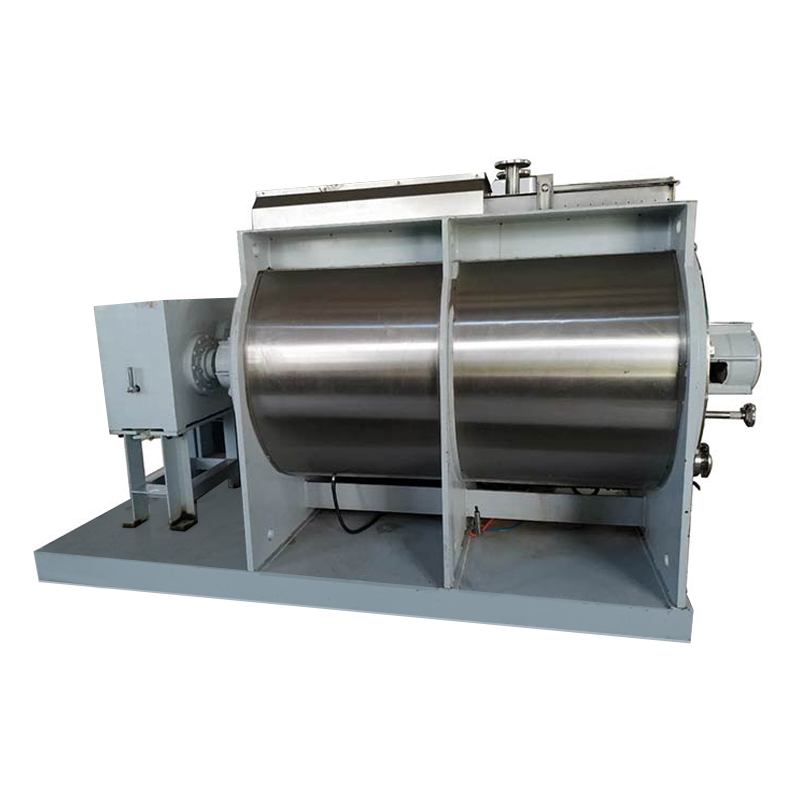
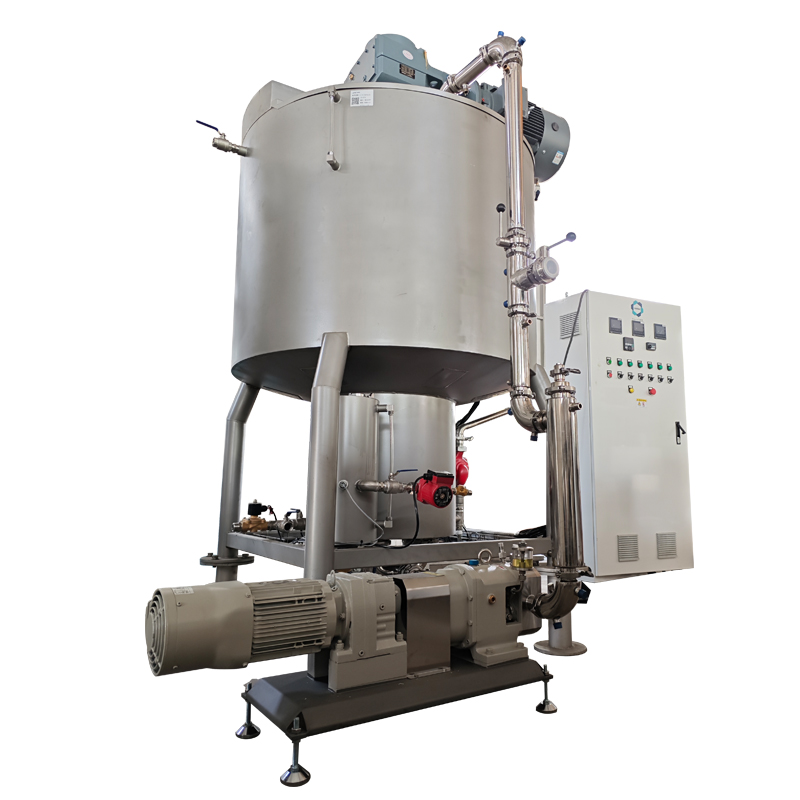
For manufacturers, getting a feel for this relationship makes equipment choices and production planning a lot more grounded in reality. A Ball Mill Chocolate Machine has to work with whatever characteristics the formula brings to the table, rather than treating every chocolate mixture like it's interchangeable.
Content
- 1 Why Does Chocolate Formula Matter During Ball Milling?
- 2 How Do Cocoa Solids Shape Milling Requirements?
- 3 Does Sugar Change What Ball Milling Demands?
- 4 How Do Dairy Components Affect Chocolate Milling?
- 5 Why Does the Fat System Matter So Much?
- 6 How Do Different Chocolate Types Change Milling Needs?
- 7 Can Ingredient Preparation Affect Ball Milling Performance?
- 8 How Does Formula Balance Affect the Finished Texture?
- 9 What Should Manufacturers Weigh When Matching a Machine to a Formula?
- 10 How Can Formula Changes Influence Production Planning?
- 11 Why Should Formula and Milling Get Evaluated Together?
Why Does Chocolate Formula Matter During Ball Milling?
Chocolate, at its core, is a blend of ingredients that each bring their own physical quirks. Cocoa solids handle flavor and color. Sugar brings sweetness and body. Dairy ingredients add creaminess, while fats shape flow and mouthfeel.
Once these get combined, their proportions start dictating how the whole mixture behaves. Shift the formula even slightly, and the way material moves through milling shifts right along with it.
The main pieces of the formula puzzle look something like this:
| Formula Component | Influence on Milling |
|---|---|
| Cocoa solids | Affect texture and solid content |
| Sugar | Influences particle reduction and mixture behavior |
| Dairy ingredients | Can change body and flow |
| Fat | Supports movement and smoothness |
| Flavor ingredients | May affect overall formulation balance |
How these components interact matters more than any single one on its own. A formula built around a balanced fat system moves through milling quite differently than one carrying a heavier load of dry solids.
That's really why recipe development and milling requirements end up so tightly linked.
How Do Cocoa Solids Shape Milling Requirements?
Cocoa solids sit at the heart of plenty of chocolate formulas. They deliver that familiar chocolate character while also adding a chunk of solid material into the mix.
Push cocoa solids higher, and the mixture starts behaving differently under milling. It can feel denser, needing more careful handling just to keep things moving steadily through the process.
Cocoa particles shape the final texture too. Leave the solid ingredients poorly reduced or unevenly distributed, and the finished chocolate ends up feeling rougher than intended.
The state of the cocoa material before it even reaches milling matters as well. Prep it consistently, and the milling process becomes a lot easier to keep under control.
For manufacturers running a Ball Mill Machine for Chocolate, the formula needs weighing alongside the condition of the cocoa ingredients themselves. Equipment has to accommodate how the whole mixture physically behaves, not just react to cocoa content in isolation.
Does Sugar Change What Ball Milling Demands?
Sugar carries a lot of weight in most chocolate recipes, and its job goes well beyond sweetness — it contributes a hefty share of the solid material that milling actually has to process.
How the sugar is prepared and distributed changes the texture of the mixture. Coarse or unevenly handled sugar creates extra work during milling, while sugar that's been properly prepared moves through far more smoothly.
Sugar also plays off cocoa and dairy ingredients once combined. The blended mixture doesn't act anything like sugar sitting on its own.
That raises a real production question worth sitting with. Milling requirements need to reflect the whole recipe, not each ingredient treated in isolation.
| Sugar-Related Factor | Possible Effect |
|---|---|
| Particle condition | Influences texture |
| Distribution | Affects mixture uniformity |
| Interaction with fat | Influences movement |
| Combination with cocoa | Changes overall body |
A formula heavy on sugar content might call for a different production approach entirely compared to one with a different solids balance.
The point is landing on a smooth mixture while keeping the whole process flowing manageably.
How Do Dairy Components Affect Chocolate Milling?
Milk powder and other dairy ingredients show up constantly in milk chocolate and its relatives. They shift both flavor and physical behavior at the same time.
Dairy components add their own solids into the formula. They also change how the mixture feels once processing starts.
A dairy-heavy chocolate mixture doesn't behave the same as a darker formula leaning heavily on cocoa solids. That difference tends to show up clearly in texture and how the material actually moves.
Even distribution of dairy ingredients matters too. Get that wrong, and the finished chocolate shows visible inconsistency.
For a Ball Mill for Chocolate Making, this basically means production has to flex around whatever specific combination of cocoa, sugar, dairy, and fat is going into the batch.
Milling should support a consistent mixture rather than assuming every chocolate type is going to behave the same way under the same conditions.
Why Does the Fat System Matter So Much?
Fat has a particular job in chocolate processing — it decides how solid ingredients move within the mixture as a whole.
Give the mixture enough fat to support movement, and solid particles interact more smoothly during milling. Shift the fat balance, and the mixture might feel thicker or move in an entirely different way.
The type of fat system matters too, not just how much is present. Different chocolate products lean on different fat formulations to land a particular texture or eating experience.
The relationship boils down fairly simply:
Solid ingredients + fat system + milling conditions = processing behavior
That doesn't mean piling on more fat automatically makes milling easier, though. The formula still needs balance suited to whatever product is actually being made.
A fat system that's been thought through carefully supports particle distribution while also shaping the final mouthfeel.
How Do Different Chocolate Types Change Milling Needs?
Dark, milk, and other chocolate formulations each place their own demands on the milling process.
Dark chocolate usually leans hard into cocoa ingredients. Milk chocolate brings dairy components into the mix, shifting the balance of solids and flavor. Other chocolate products carry additional ingredients that create their own processing wrinkles.
That variety means one milling approach rarely suits every recipe on the floor.
| Chocolate Type | Main Formula Consideration |
|---|---|
| Dark chocolate | Cocoa solids and sugar balance |
| Milk chocolate | Cocoa, sugar, dairy, and fat balance |
| White-style chocolate | Dairy, sugar, and fat relationship |
| Specialty chocolate | Additional ingredients and texture goals |
The formula should really be driving the production approach. Equipment choice, ingredient prep, and milling conditions all get shaped around whatever product is actually intended.
That becomes especially useful for manufacturers running several chocolate varieties out of the same facility.
Can Ingredient Preparation Affect Ball Milling Performance?
Milling starts with whatever ingredients actually walk through the door. Their condition shapes how smoothly the whole mixture comes together later on.
Sugar handled inconsistently behaves differently from cocoa solids that were prepared with real care. Dairy ingredients bring their own variability into how they combine with everything else.
So ingredient prep really needs to chase consistency above everything.
A few things worth keeping in mind:
- Check the condition of incoming ingredients.
- Keep dry components properly prepared.
- Maintain consistent ingredient blending.
- Avoid unwanted moisture or contamination.
- Match preparation methods with the intended formula.
Steps like these give the process a more predictable starting point.
No milling machine can fully make up for big gaps in ingredient condition. Production planning goes a lot smoother when preparation and milling get treated as one connected stage rather than separate concerns.
How Does Formula Balance Affect the Finished Texture?
Texture might be the clearest window into how recipe and milling actually connect.
Get the balance of solids and fat right, and chocolate develops a genuinely smooth eating experience once processed properly. Shift the formula, though, and that same milling process can turn out a noticeably different texture.
Particle refinement only tells part of the story here. How particles interact with fat, and with each other, shapes the final feel just as much.
For manufacturers, this means texture goals need thinking through during recipe development, not just checked afterward once milling's already done.
Change cocoa content, sugar makeup, dairy ingredients, or fat balance, and the way the mixture responds shifts too.
That's exactly why small formulation tweaks often demand matching changes in how production handles the batch.
What Should Manufacturers Weigh When Matching a Machine to a Formula?
Choosing equipment really needs to start with the chocolate formula and the production purpose behind it.
A manufacturer has to weigh chocolate type, ingredient balance, target texture, production sequence, cleaning demands, and how often recipes actually change.
Milling equipment needs to fit the real production environment it's dropped into. A system built around one formula might need different handling entirely once it's used for another.
Some questions worth asking upfront:
| Consideration | Why It Matters |
|---|---|
| Formula type | Determines mixture characteristics |
| Solid content | Influences milling behavior |
| Fat balance | Affects movement |
| Dairy content | Changes formulation structure |
| Recipe variety | Influences production flexibility |
| Cleaning needs | Supports product changeover |
This kind of thinking keeps equipment decisions from getting made purely around the machine itself.
Formula and production process really need viewing as one connected system, not separate boxes to tick.
How Can Formula Changes Influence Production Planning?
Chocolate recipes shift constantly across product lines or customer requests. Each change ripples into how ingredients get prepared and milled.
A formula loaded with cocoa solids needs different handling than a milk-based mixture. A recipe carrying extra ingredients might also demand closer attention to blending and cleaning between production runs.
Production teams can get ahead of this by keeping notes on how each formula actually behaves during processing.
Worth tracking:
- How easily the mixture moves.
- Whether the material stays evenly distributed.
- How texture develops as milling progresses.
- Whether ingredients need different prep methods.
- How equipment gets cleaned between recipes.
Observations like these tie recipe development back to practical decisions on the floor.
A flexible milling process makes juggling several chocolate formulations a lot easier, instead of treating every product like it's made from the same material.
Why Should Formula and Milling Get Evaluated Together?
Chocolate milling isn't shaped by equipment alone. The recipe itself decides how the material behaves the whole way through the process.
Cocoa solids shape the solid structure. Sugar adds to the particle load. Dairy ingredients shift the balance of the mixture. Fat supports movement and colors the final eating experience.
Weigh these elements together, and manufacturers end up making sharper calls on ingredient preparation, milling conditions, equipment use, and how production gets organized.
That connection matters even more in a facility juggling several chocolate styles at once. Each formula drags its own combination of ingredients and processing quirks along with it.
Understanding those differences lets the milling process get planned around whatever chocolate is actually being made, rather than leaning on one fixed approach and hoping it fits every recipe that comes through.