

 English
 Español

A production manager tasting two bars from the same recipe, made two weeks apart, and noticing one feels noticeably grittier on the tongue than the other, is running into a problem that traces back further than the finished bar itself. Chocolate can look smooth and consistent when it reaches the finished product stage. Behind that texture, though, there's a long series of small production decisions stacked on top of each other. The milling process is one of them, and often the first place people look when something feels off.
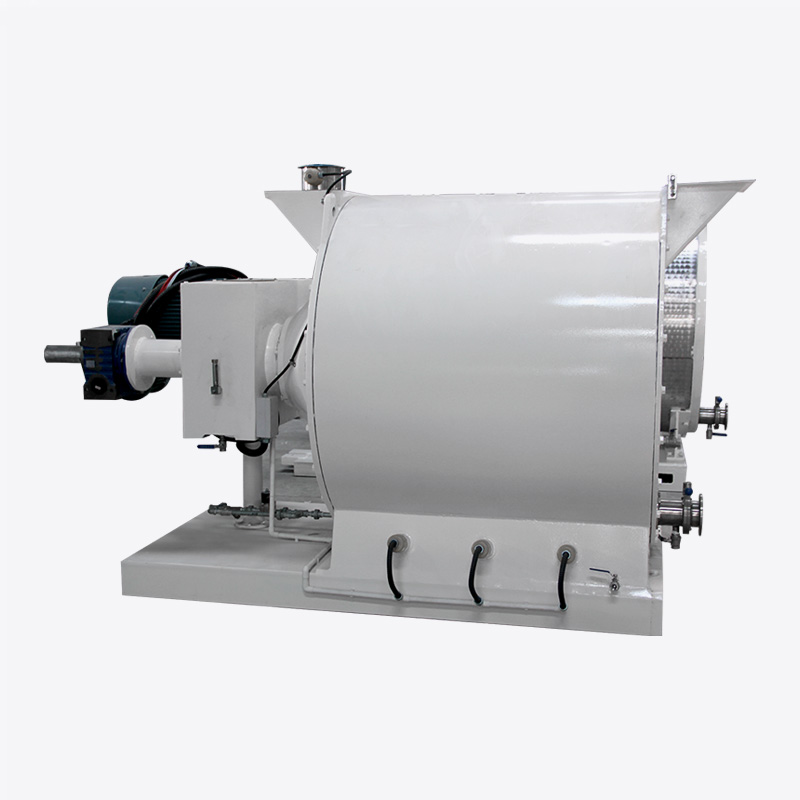
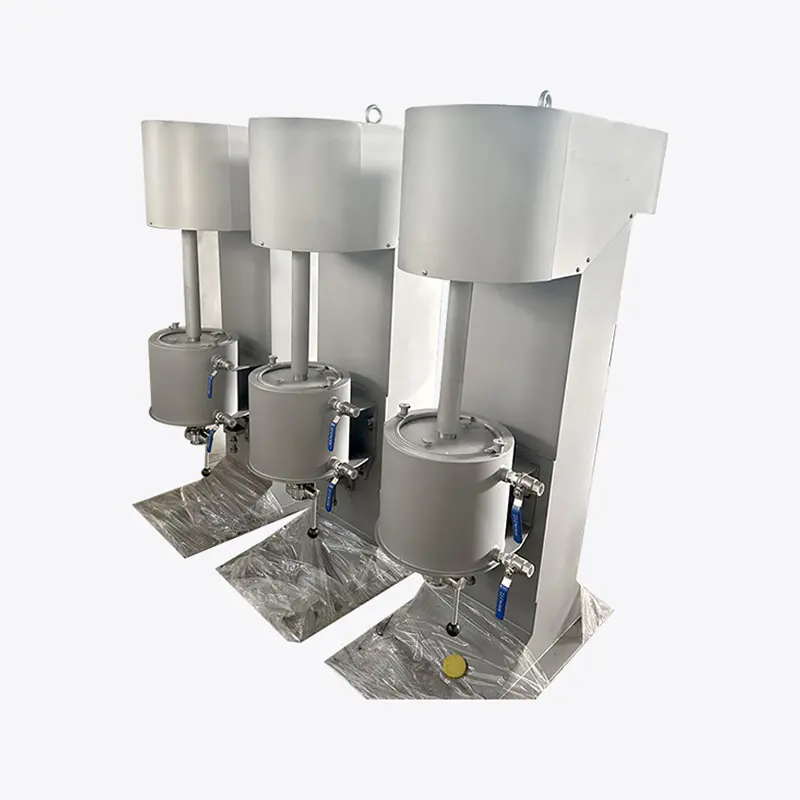
A Ball Mill Chocolate Machine helps reduce and refine solid particles in chocolate mixtures. This changes how the chocolate feels during processing and later in the mouth, once it's wrapped and sitting on a shelf. When the milling process isn't consistent, the finished chocolate may develop noticeable differences in texture that weren't there in the last batch.
Texture variation doesn't always come from the machine itself, even though it's the easiest thing to blame. Recipe composition, ingredient preparation, processing conditions, equipment operation, and production practices can all influence the result in ways that overlap with each other.
For chocolate manufacturers, understanding these factors makes it a lot easier to identify where texture changes may actually begin.
Content
Why Particle Refinement Matters During Chocolate Milling
Chocolate contains several ingredients with genuinely different physical characteristics. Cocoa solids, sugar, milk ingredients, and other components need to become part of a reasonably uniform mixture before anyone tastes the result.
During milling, solid particles get reduced and dispersed through the chocolate mass. The process changes the relationship between the particles and the surrounding ingredients in ways that aren't always visible from outside the machine.
When particle refinement stays consistent, the chocolate can develop a smoother and more uniform texture batch after batch.
When it varies, the difference may become genuinely noticeable to anyone tasting carefully.
Some chocolate may feel smoother in one production batch and slightly rougher in another sitting right next to it. The visual appearance may remain similar, which makes the issue a lot harder to catch without checking the product closely, sometimes only in the mouth rather than the eye.
A Ball Mill Machine for Chocolate is therefore not simply a piece of equipment that mixes ingredients together. Its role in particle refinement can influence the final eating experience more than people realize standing outside the production line.
Several factors affect this process:
- Ingredient composition
- Particle size before milling
- Ingredient distribution
- Milling conditions
- Machine loading
- Processing time
- Equipment condition
- Production sequence
These factors interact with one another constantly. A change in one area can influence another part of the process without anyone flagging the connection right away.
How Recipe Composition Can Affect Chocolate Texture
The recipe itself has a genuinely major influence on texture, often more than the milling step gets credit for.
Different ingredients behave differently during milling. Sugar, cocoa solids, milk ingredients, fats, and flavor components don't respond in exactly the same way when they hit the mill.
A recipe with a higher proportion of solid ingredients may behave differently from one with a softer or more fluid composition running through the same equipment.
This means the same milling approach may not produce identical results across different chocolate recipes, even on the same machine.
| Recipe Factor | Possible Influence on Texture |
|---|---|
| Solid ingredient balance | Changes the amount of material being refined |
| Sugar condition | Can affect the feel of the finished mixture |
| Cocoa solids | Influence body and particle composition |
| Fat content | Affects flow and coating of particles |
| Added ingredients | May change the milling behavior |
Ingredient preparation matters just as much here.
If one ingredient enters the process in a different condition from the usual production material, say a sugar shipment that's been stored differently, the milling behavior can shift without anyone changing the recipe on paper.
For this reason, texture control genuinely starts before the chocolate mixture ever enters the Ball Mill for Chocolate Making.
Can Ingredient Particle Size Create Texture Differences?
Yes, and this is one of the more overlooked variables on the floor.
The condition of ingredients before milling can influence how the whole process develops from that point forward.
Large or uneven particles may require more work before they reach the desired texture. If the starting material varies between batches, the machine may receive a genuinely different milling load, even when the operating routine appears completely unchanged from the outside.
Sugar is a useful example here.
If sugar enters the mixture with different physical characteristics, maybe finer or coarser than usual, the way it becomes incorporated into the chocolate can change noticeably. Cocoa solids can create similar challenges depending on how they were processed upstream.
Ingredient preparation should therefore get treated as part of texture management, not a separate concern handled by a different team entirely.
A production team can pay attention to:
- Ingredient consistency
- Pre-mixing conditions
- Material storage
- Ingredient handling
- Batch preparation
- Order of ingredient addition
Good preparation doesn't guarantee identical results on its own. It does, however, reduce unnecessary differences from entering the milling stage in the first place.
How the Ball Mill Chocolate Machine Influences Texture
The machine plays a genuinely important role in how particles actually get refined.
Inside a ball mill, the chocolate mixture moves through an environment where repeated contact helps reduce solid particles bit by bit. The way material moves through the machine affects how evenly the mixture gets processed from start to finish.
Machine condition can also influence the result quite a bit.
Wear, residue, poor cleaning, or changes in internal operation may alter how the chocolate behaves once it's inside.
For manufacturers, several areas deserve regular attention.
Internal condition. The machine should stay in suitable operating condition throughout its use. Changes inside the milling system can influence how the mixture gets processed, even subtle ones.
Material flow. Chocolate should move through the machine in a controlled and repeatable way, run after run.
Cleaning. Remaining material from a previous batch can affect the next production run, particularly when recipes differ from one to the next.
Loading. The amount and condition of chocolate entering the system can influence how the milling process behaves overall.
A machine that appears to be operating normally may still produce a genuinely different result if the production conditions around it have shifted without anyone noticing right away.
Why Processing Conditions Can Change Chocolate Texture
Chocolate is genuinely sensitive to changes during processing, more than a lot of other food products.
The mixture needs to stay in a condition that allows ingredients to move and interact properly with each other. If the chocolate becomes too thick, too fluid, or unevenly mixed, particle refinement can be affected in ways that show up later.
Processing conditions can influence:
- Material movement
- Ingredient distribution
- Milling efficiency
- Particle refinement
- Final mouthfeel
The key here is consistency, batch to batch.
If one batch gets processed under noticeably different conditions from another, texture differences can appear even when the recipe hasn't changed at all on paper.
This is why production teams often monitor the process itself, rather than relying only on the finished chocolate for inspection after the fact.