

 English
 Español

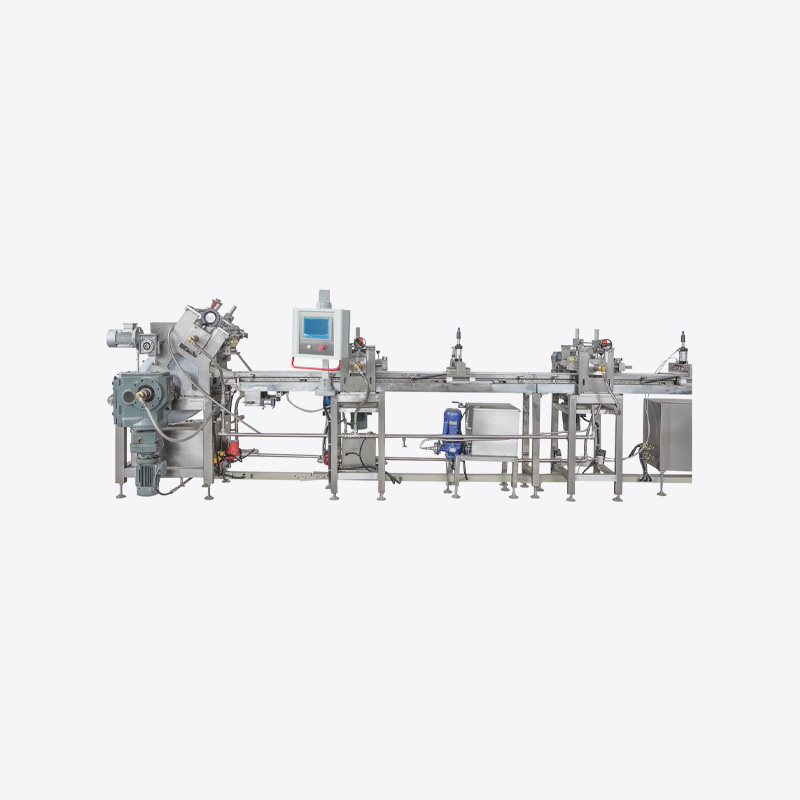
Chocolate production has shifted from a series of separate tasks into something closer to one connected process. In many facilities, raw materials now move through several stages with less manual handling in between. Mixing, grinding, refining, conching, feeding, conveying, and product forming can all be arranged as parts of a single production flow instead of standalone jobs.
This shift isn't simply about swapping people for machines. It's also about making production easier to organize day to day. When equipment works together, materials move from one stage to the next with fewer interruptions, while operators spend more time watching the process and responding to changes rather than physically shuttling ingredients around.
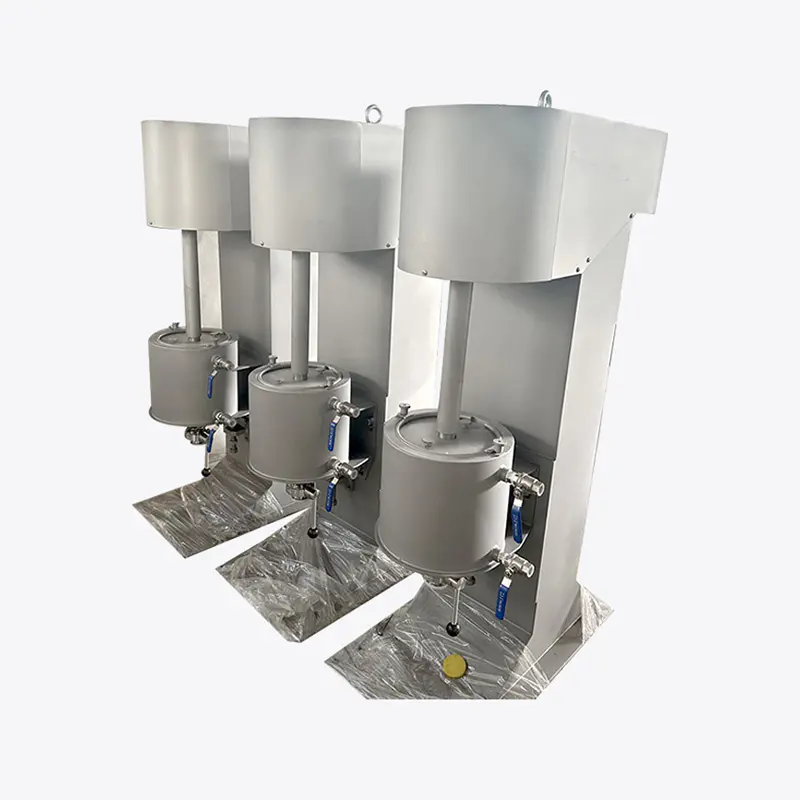
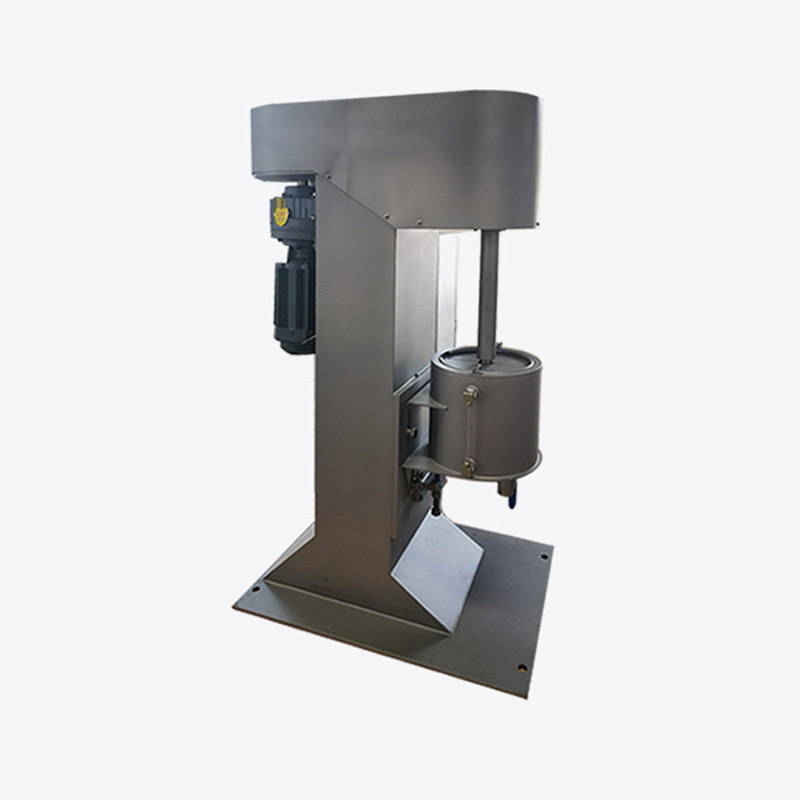
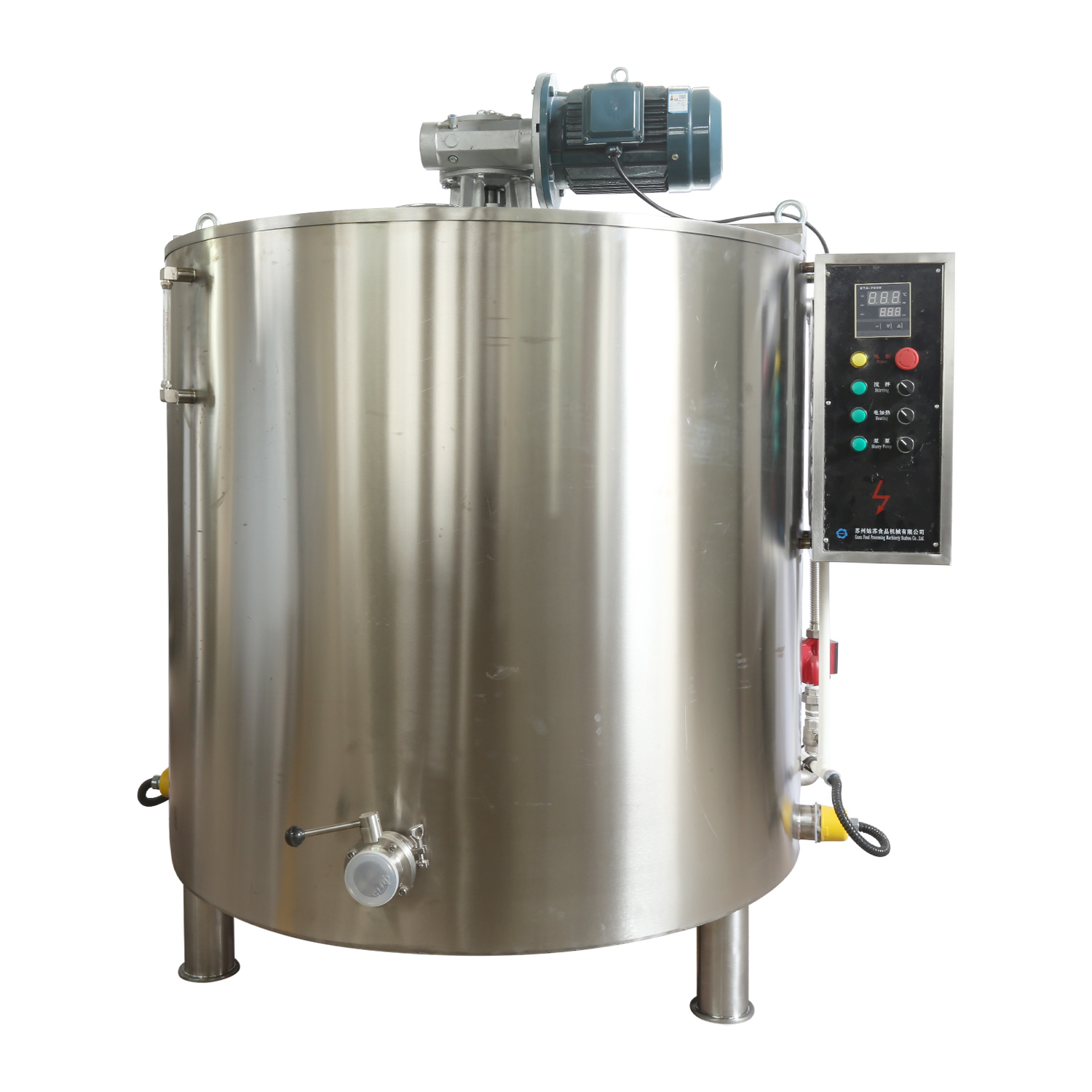
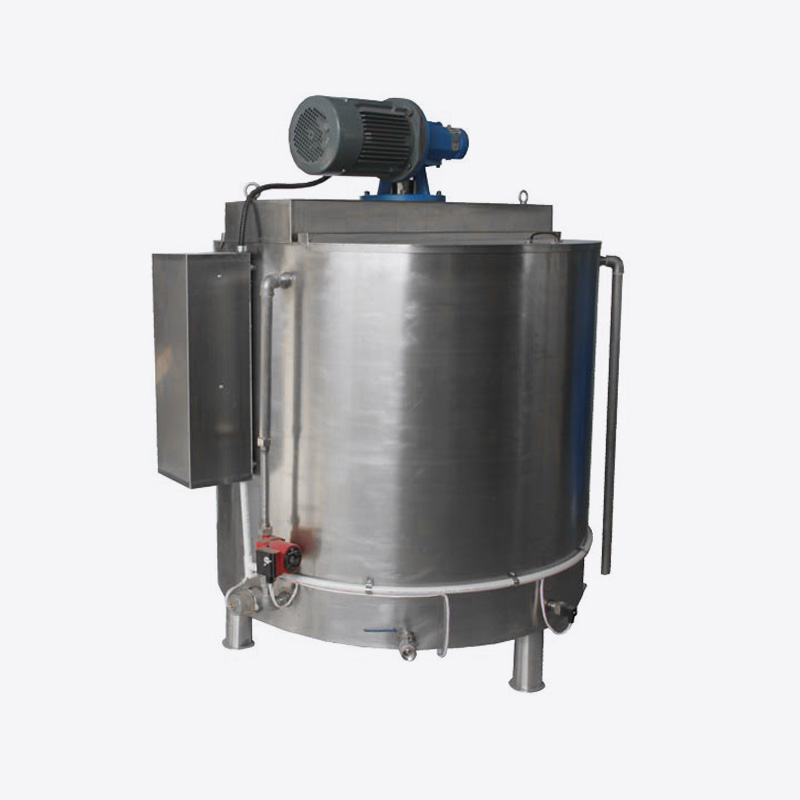
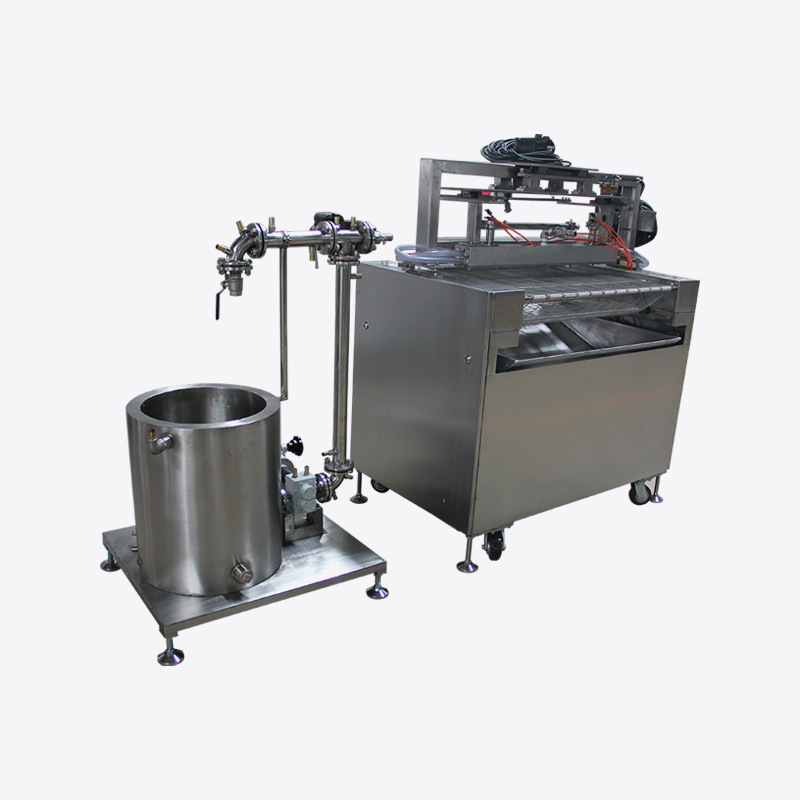
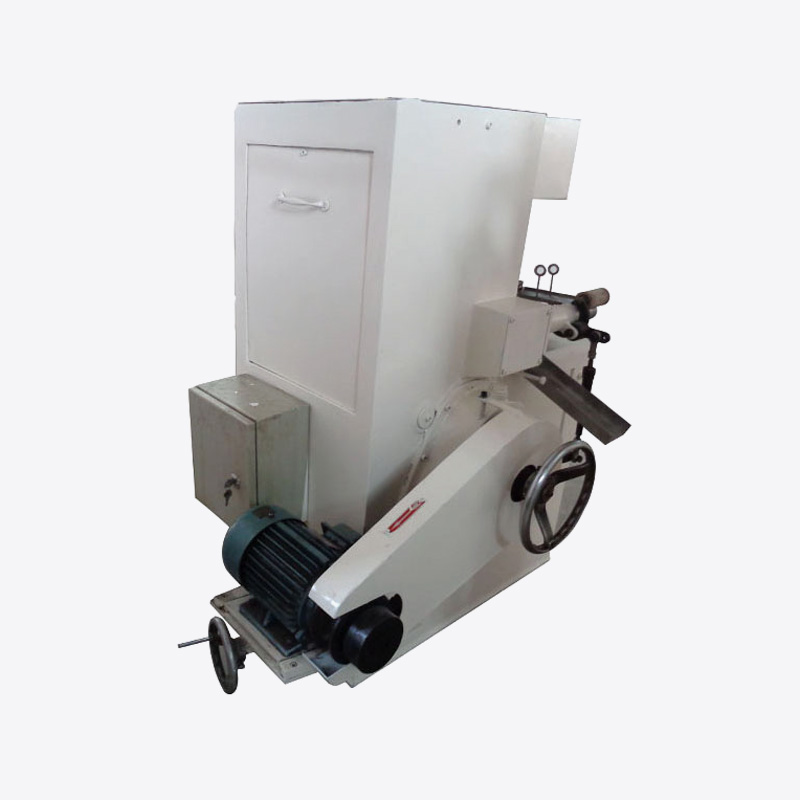
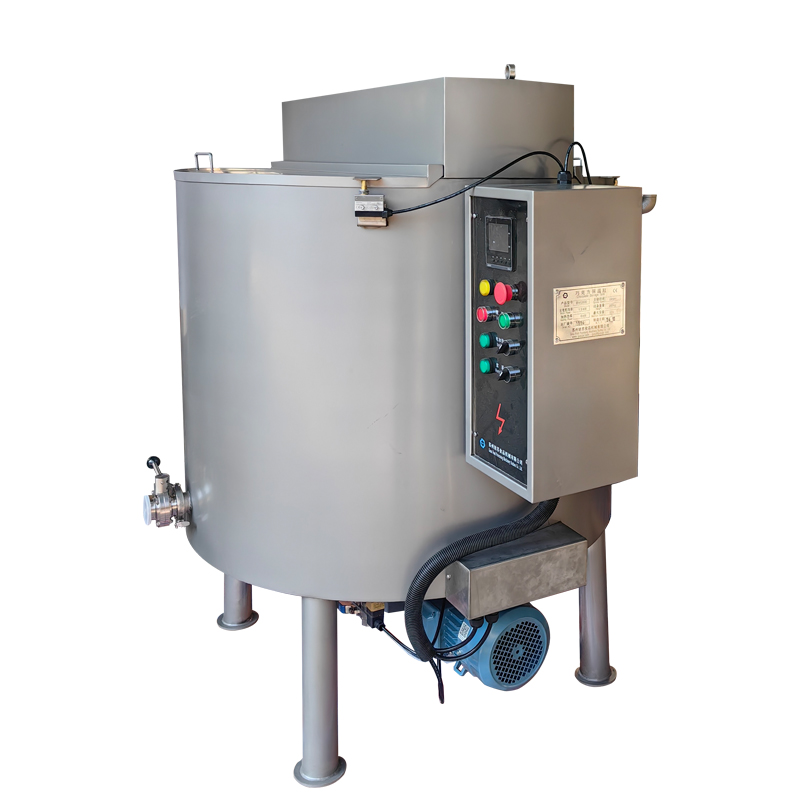
Modern chocolate lines combine different equipment types depending on what's being made. A Ball Mill Chocolate Machine might handle refining and grinding, while a Chocolate Conching Machine supports later processing further down the line. A Chocolate Chips Making Machine can serve another section entirely when granules or chips are what the product calls for.
The result is a production environment where individual machines stop being viewed as isolated units. Their value increasingly depends on how well they fit into the complete manufacturing process around them.
Content
- 1 Why Chocolate Processing Is Moving Toward More Automation
- 2 How a Ball Mill Chocolate Machine Fits Into an Automated Line
- 3 How Automatic Feeding and Conveying Change Production
- 4 What Role a Chocolate Conching Machine Plays in a Connected Process
- 5 How Chocolate Chips Making Machine Equipment Joins Automated Production
- 6 How Automated Lines Support Multi-Product Chocolate Production
- 7 How Equipment Integration Is Changing Chocolate Factory Layouts
Why Chocolate Processing Is Moving Toward More Automation
Chocolate production involves many repeated activities. Ingredients get introduced into the process, moved between equipment, worked through in sequence, and prepared for whatever comes next.
When each task depends heavily on manual transfer, the production flow gets harder to manage. Materials might need moving between machines several times over, and operators end up coordinating every transition by hand.
Automation offers another approach to this problem.
| Production Activity | Role in an Automated Line |
|---|---|
| Material feeding | Introduces ingredients into the process |
| Conveying | Moves materials between stages |
| Grinding | Helps create a suitable chocolate mixture |
| Refining | Supports a smoother product texture |
| Conching | Develops the processed chocolate |
| Granule production | Creates chocolate chips or similar pieces |
| Packaging preparation | Transfers finished products toward the next stage |
The purpose is connecting these activities into something more organized. Automation also makes planning more flexible, since different products call for different combinations of stages, and equipment can get arranged according to whatever chocolate is being produced that day.
A connected line reduces unnecessary movement between machines and makes the flow easier for operators to follow, since each stage sits in a defined position. That matters when manufacturers want to run several types of chocolate products through related equipment without starting from scratch each time.
How a Ball Mill Chocolate Machine Fits Into an Automated Line
Grinding and refining are important stages in chocolate processing. The texture and consistency of the mixture depend partly on how materials get worked before they move toward later stages of production.
A Ball Mill Chocolate Machine can be built into an automated line as part of the grinding and refining section. Instead of treating grinding as a separate operation off to the side, manufacturers connect the machine with feeding and conveying equipment to create a continuous material path.
| Connected Stage | Production Function |
|---|---|
| Feeding | Introduces ingredients |
| Mixing | Brings materials together |
| Ball milling | Processes the chocolate mixture |
| Conveying | Transfers the processed material |
| Conching | Continues chocolate processing |
The connection between stages matters more than any single machine's output. If a grinding machine works well on its own but the transfer process still needs frequent manual intervention, the overall line can still run into interruptions anyway. Automation involves more than picking good individual machines — it involves how those machines talk to each other.
The feeding system needs to deliver material in a controlled way, and conveying equipment then moves the processed chocolate toward the next stage without someone standing there managing every handoff. For manufacturers, the real question isn't just whether a ball mill can process chocolate well. It's how the machine fits into the material flow moving around it.
How Automatic Feeding and Conveying Change Production
Material movement can seem like a small part of chocolate production, but it shapes how the entire line actually operates in practice.
Ingredients and chocolate mixtures need to move between stages constantly. If every transfer requires manual lifting, pouring, or repositioning, production becomes dependent on operator timing in a way that's hard to plan around.
Automatic feeding and conveying create a more consistent flow between equipment, so ingredients get directed toward the processing section while the processed mixture moves onward without repeated manual transfer along the way.
| Traditional Handling Concern | Automated Approach |
|---|---|
| Repeated manual transfer | Connected material movement |
| Interrupted feeding | More organized feeding sequence |
| Multiple handling points | Reduced unnecessary transfer |
| Difficult process coordination | Defined movement between stages |
| Frequent operator intervention | Greater process continuity |
The goal isn't removing human involvement completely — operators still monitor equipment, inspect materials, manage production changes, and respond to unusual conditions as they come up. Automation just changes where their attention actually needs to go. Instead of spending much of a shift moving ingredients between machines by hand, operators focus more closely on the production process itself.
Conveying systems also shape the physical layout of a facility. Equipment gets positioned according to the direction of material movement, creating a clearer relationship between processing stages that makes the whole production area easier to understand and manage on a walk-through.
What Role a Chocolate Conching Machine Plays in a Connected Process
Chocolate processing doesn't end after grinding. The mixture may need more treatment before it's ready for the next production stage down the line, and this is where a Chocolate Conching Machine sits within the broader sequence. Its role becomes more useful once the incoming and outgoing material connect naturally with the surrounding equipment rather than sitting isolated between manual steps.
The sequence often runs something like this:
- Ingredient preparation.
- Material mixing.
- Grinding and refining.
- Conching.
- Holding or transferring.
- Forming or granule production.
The exact arrangement depends on the chocolate product and the production method chosen for it. An automated line also helps manufacturers coordinate timing between sections — when one stage is ready to receive material, the upstream section can be organized to support that handoff without someone stopping the line to arrange it manually. The conching stage becomes part of a larger automated framework this way, and its value isn't limited to the machine itself; the surrounding feeding, conveying, control, and material handling systems determine how naturally it fits into the production line as a whole.
Chocolate refining ties closely to this same idea. When refining equipment operates as an isolated station, materials often need manual transfer both before and after the process runs, but modern lines connect refining with earlier and later stages instead. A Ball Mill Chocolate Machine might receive prepared material through an organized feeding system, and after processing, the chocolate mixture moves toward the next stage through connected conveying equipment, cutting down on unnecessary breaks in the flow.
| Refining Process Area | Automation Consideration |
|---|---|
| Ingredient entry | Controlled material feeding |
| Grinding stage | Integrated machine operation |
| Material transfer | Connected conveying |
| Next processing stage | Coordinated discharge |
| Production monitoring | Operator observation and adjustment |
Integration also helps manufacturers pin down where a production issue actually occurs. When equipment sits arranged as a clear sequence, an operator can identify whether a problem traces back to feeding, processing, transfer, or the following stage, which makes troubleshooting a lot more organized than guessing. Refining equipment is therefore becoming part of a broader production system rather than a standalone machine positioned between manual operations, and this shows up most in facilities handling multiple chocolate products.
How Chocolate Chips Making Machine Equipment Joins Automated Production
Chocolate chips need a different production path from liquid or bulk chocolate products. The chocolate eventually has to get shaped into smaller pieces and prepared for handling or packaging further along.
A Chocolate Chips Making Machine gets integrated into a line after the chocolate mixture has gone through the required processing stages. The connection between chocolate processing and granule production matters here — if the material still needs manual moving from one section to another, the advantages of automation become less visible on the shop floor.
| Production Section | Possible Role |
|---|---|
| Chocolate preparation | Creates the processed chocolate mixture |
| Refining | Develops the required processing condition |
| Transfer | Moves chocolate toward forming |
| Chip production | Creates chocolate granules or chips |
| Collection | Organizes the finished pieces |
| Packaging preparation | Transfers product for further handling |
This kind of setup supports product variety well. A manufacturer might use related upstream equipment across several chocolate products while changing only the downstream section according to whatever the finished product needs to be. Connecting different equipment groups this way matters for factories that don't want every product to require an entirely separate line built from the ground up.
How Automated Lines Support Multi-Product Chocolate Production
Chocolate manufacturers often need to respond to shifting product requirements. One production period might focus on bulk chocolate, while another involves chips, coated products, or other formats entirely.
A fixed production structure makes these changes difficult if every product requires completely separate equipment. A more flexible automated line divides production into shared and product-specific areas instead, so several products can use the same feeding, mixing, grinding, and refining equipment before the material gets directed toward different processing or forming sections.
| Shared Section | Product-Specific Section |
|---|---|
| Ingredient feeding | Chip production |
| Mixing | Special forming |
| Grinding | Product-specific shaping |
| Refining | Dedicated finishing |
| Conveying | Packaging preparation |
This arrangement helps manufacturers make better use of equipment already on the floor. The key is compatibility between stages — material flow, equipment placement, cleaning routines, and production scheduling all need consideration when several products share part of a line together.
Changeovers become an important part of planning too. A line supporting multiple products should let operators move between production tasks without creating unnecessary complexity, and clear equipment organization makes those transitions easier to manage. Automation, in that sense, doesn't mean building one rigid production route — it can mean creating a system that allows different routes to be connected as needed.
How Equipment Integration Is Changing Chocolate Factory Layouts
A production line affects more than machine operation alone. It also shapes how workers move through the facility and how materials travel from one stage to another over the course of a shift.
Older production arrangements often developed around individual machines, each with its own working area, and operators responsible for moving materials between them by hand. Integrated production encourages a different layout — equipment gets arranged according to the direction of material movement, with feeding areas connecting to processing equipment while discharge sections lead toward conveying or forming systems.
| Layout Area | Main Consideration |
|---|---|
| Ingredient area | Easy access for feeding |
| Processing area | Logical equipment sequence |
| Transfer area | Smooth material movement |
| Product forming area | Connection with downstream equipment |
| Inspection area | Convenient operator access |
| Maintenance area | Space for equipment servicing |
The physical relationship between machines becomes increasingly important here. A Chocolate Conching Machine placed far from the equipment supplying it needs additional transfer arrangements to bridge the gap, while a Chocolate Chips Making Machine works better positioned as part of a connected route toward collection and packaging rather than tacked on separately.
Layout planning should also account for cleaning and maintenance. Workers need access to equipment for inspection and routine care, and an automated system that's hard to reach can create practical problems even if the production flow looks organized on paper. Modern automation ultimately combines machine selection with thoughtful factory planning, so that equipment, materials, operators, and product movement all work within the same organized environment.