

 English
 Español

You are melting chocolate for a batch of brownies when a single drop of water splashes into the bowl. Within seconds, the smooth, glossy liquid turns into a stiff, grainy, dull paste. This is seized chocolate, and if you have baked before, you already know the frustration. The short answer to the question is yes, you can usually fix seized chocolate. The longer answer depends on how far the seizing has gone and what ingredients you have on hand.
Content
What Makes Chocolate Seize?
Chocolate is an emulsion of cocoa solids, cocoa butter, sugar, and a small amount of water. The fat phase surrounds the solid particles and protects them. When water touches melted chocolate, it dissolves the sugar and causes the dry cocoa particles to agglomerate, breaking the emulsion. The mass thickens almost immediately and becomes grainy.
Overheating causes a related but different failure. When chocolate is heated above roughly 45 C (113 F) for milk chocolate or 50 C (122 F) for dark chocolate, the cocoa butter separates from the solids and the proteins and sugars begin to scorch. The result can look like seizing, but it is actually an irreversible burn in many cases.
- A few drops of water cause visible thickening and a matte appearance.
- More water or steam creates a dry, crumbly paste that holds its shape.
- Overheating makes the chocolate separate into a greasy mass with a burnt odor.
Understanding the trigger helps you pick the right fix, and helps you prevent the problem in your own kitchen or production line.
Yes, You Can Fix Seized Chocolate
The most reliable way to rescue a seized batch is to add hot liquid, either water or fat. The trick is to add it slowly and stir violently while the chocolate is still warm. Here are the three approaches that work.
Add Boiling Water
Boil a small pot of water and add it to the seized chocolate one teaspoon at a time, stirring vigorously after each addition. The heat reliquefies the fat and the additional water re-emulsifies the sugar and cocoa solids. Two or three teaspoons is enough for a cup of seized chocolate. The chocolate becomes thinner than normal, so you can use it for making ganache, icing, glazes, or baking. It will set firm after cooling, which makes it acceptable for most applications where a precise temper is not required.
Add Liquid Fat
If you need a thicker consistency, add melted cocoa butter, coconut oil, or unsalted butter. Add the fat a few drops at a time and stir gently. Since seizing occurs when the fat phase loses its grip on the solids, reintroducing a compatible fat helps the particles blend back in. This method is especially useful when you plan to use the chocolate for enrobing or molding, because it preserves a creamier texture than the water method.
When You Cannot Fix It
If the chocolate is burned or has become completely dry and crumbly, stop trying to rescue it. Scrape the mass onto a sheet of parchment paper and let it harden. Use it in a batter recipe that calls for melted chocolate, such as brownies, chocolate cake, or a chocolate cookie. The baked goods hide the graininess. You can also chop the hardened pieces and sprinkle them over ice cream or mix them into a pastry crust.
Seized Chocolate in Commercial Production
In a small kitchen, a seized batch is a minor loss. In a chocolate factory, the same event can stop an entire line. Water can enter through a contaminated pump, a leak in a melting tank, or condensation on the walls of a holding vessel. A sudden temperature swing in a tempering machine can also set off seizing. The cost is not just the material but also the labor, cleaning time, and lost production hours.
| Method | Best Use | What You Need |
|---|---|---|
| Add boiling water | Ganache, icings, baking | Hot water, vigorous stirring |
| Add liquid fat | Enrobing, molding, coatings | Cocoa butter, coconut oil, or melted butter |
| Use in a batter | Fully seized or burned batches | Brownie, cake, or cookie recipe |
For large batches, the rescue methods change. You will not add water to 200 kg of seized chocolate because that changes the recipe and opens the door to more problems. Instead, production teams typically add extra cocoa butter or cocoa mass and run the mixture through a ball mill or refiner to break down the agglomerated particles.
Preventing Seized Chocolate with the Right Equipment
If you are fixing seized chocolate more often than you would like, the root cause is usually not the recipe. It is the process. Proper melting, stable temperatures, and controlled moisture are the three pillars that prevent seizing from happening in the first place. Every time you rescue a seized batch, the chocolate loses some of its original gloss and texture. The only way to deliver a consistent product is to stop seizing before it starts.
Stable Fat Melting
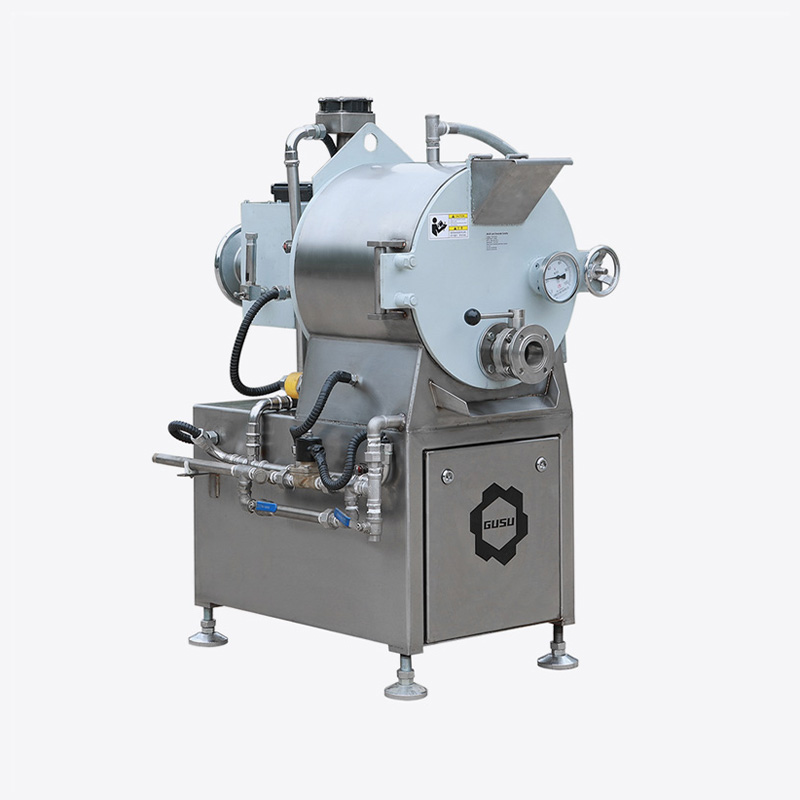
An industrial fat melter dissolves cocoa butter and other fats at a controlled temperature, which keeps steam from forming and condensation from dropping into the melted fat. A machine with accurate heating is the first line of defense against fat-phase imbalance, which is one of the most common causes of seizing in production. If you frequently work with cocoa butter or chocolate liquor, learning how to melt chocolate in a dedicated melting system will reduce the risk of a ruined batch.
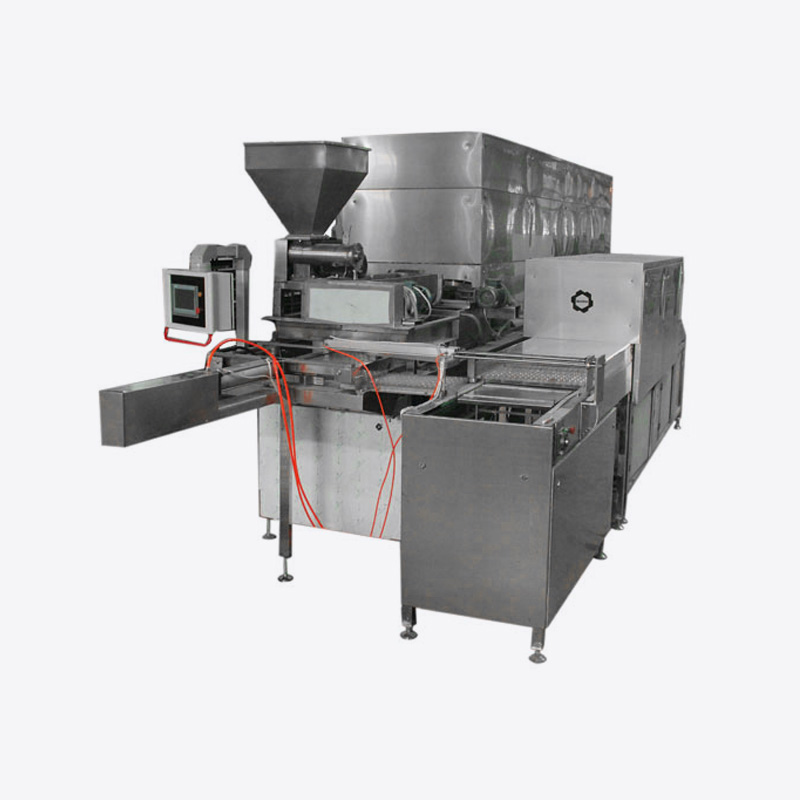
 RYG1000 Professional Chocolate Fat Melting Machine for Controlled MeltingThis fat melter dissolves cocoa butter at a controlled temperature to prevent steam and condensation. Its removable grid and PLC panel make cleaning and operation easy, reducing the risk of seizing in your production.View Product →
Automatic Tempering
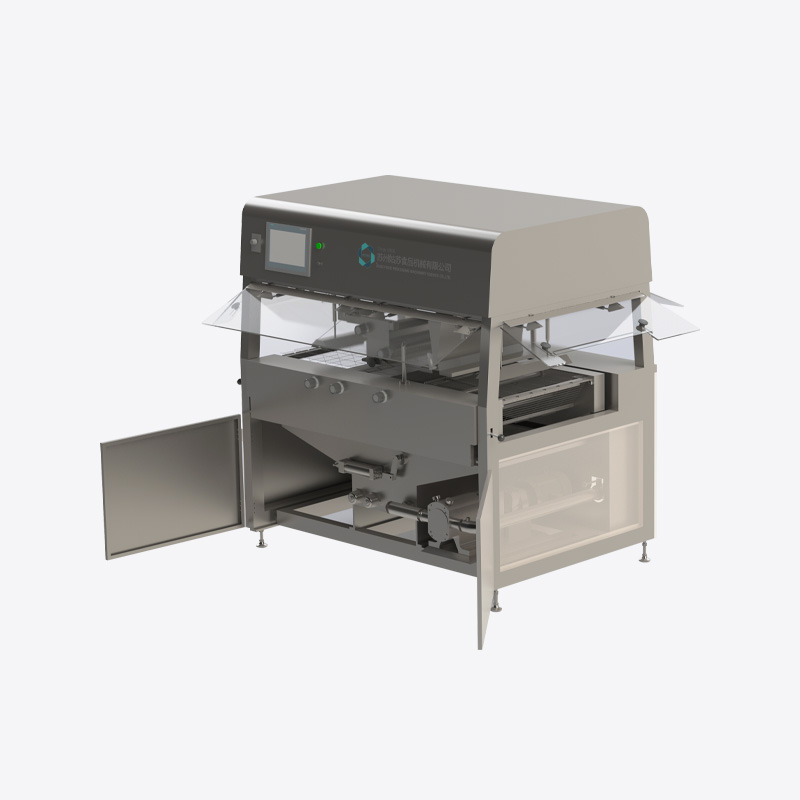
Manual tempering is the place where temperature errors happen most often. A cold bowl, a warm spoon, or an impatient pour can shift the chocolate out of its crystallization window. Automatic tempering machines hold the chocolate in a continuous flow with precise heating and cooling stages, which prevents the type of sudden temperature change that triggers seizing. The benefit is a consistent shell, a crisp snap, and a glossy surface.
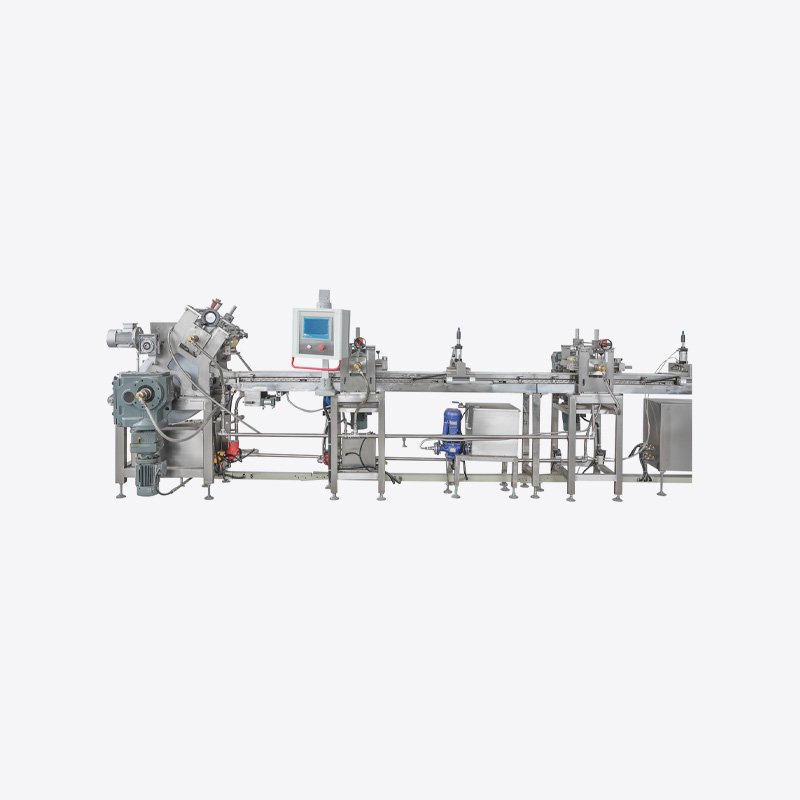
QT Series Automatic Chocolate Tempering Machine with Multi-Zone ControlThese tempering machines provide precise heating and cooling zones with hot and cold water systems. With capacities from 100 to 2000 kg/h and 304 stainless steel contact parts, they ensure consistent texture and gloss.View Product →
Temperature-Controlled Storage
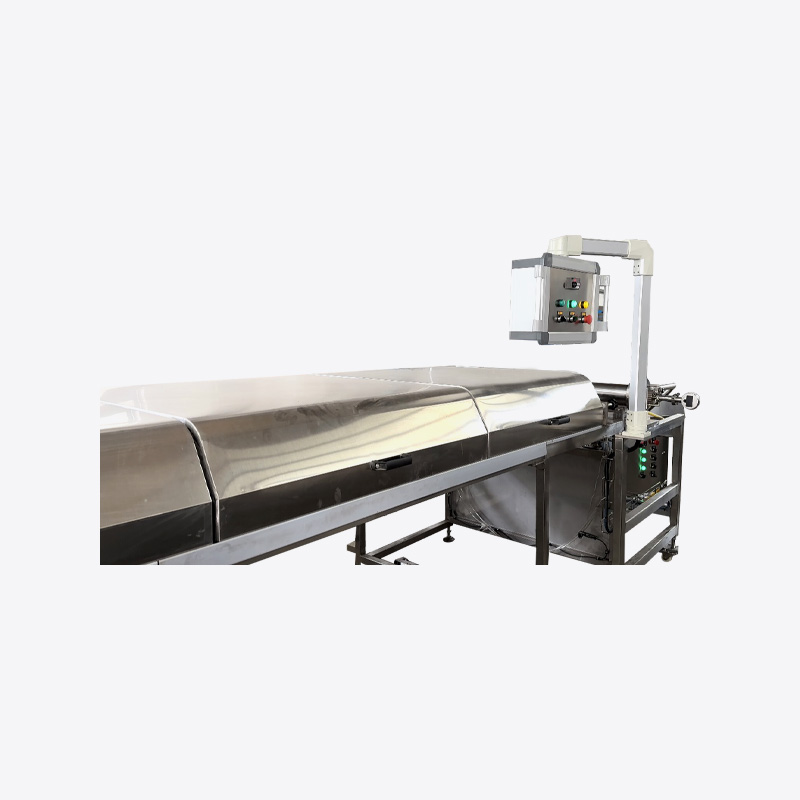
After tempering, the chocolate cannot safely sit in a warm room or a cold corner. It must remain at a steady holding temperature while it waits to be molded, coated, or packed. A stainless steel storage tank with electric heating and gentle stirring keeps the product homogeneous and prevents the stagnant zones where moisture can gather. With capacities ranging from small desktop units to large 8,000 liter vessels, a storage tank can match your line size and reduce the risk of batch-to-batch variation.
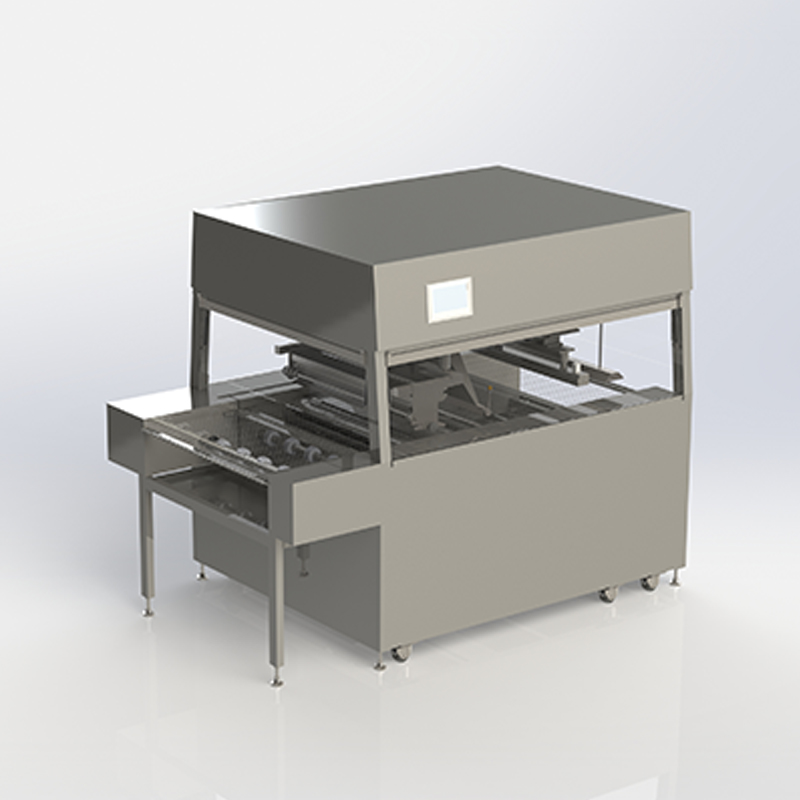
Stainless Steel Chocolate Storage Tank with Automatic Temperature ControlThis holding tank stores chocolate paste with automatic jacket water temperature control and continuous stirring. It prevents oil separation, maintains homogeneity, and supports capacities up to 8,000 liters.View Product →Final Verdict
Yes, you can fix seized chocolate. The most effective methods are adding boiling water or a liquid fat such as cocoa butter. Both approaches work in a home kitchen and in a small business setting, though water changes the final texture more than fat does. If the chocolate has burned or dried out completely, use it in baked goods where the graininess disappears.
The same principle applies at scale, but the preferred fix is not water. It is preventive equipment that keeps the fat phase stable, the temperature precise, and the storage environment consistent. When your melting, tempering, and storage systems work together, seized chocolate becomes a rare event rather than a recurring problem.