

 English
 Español

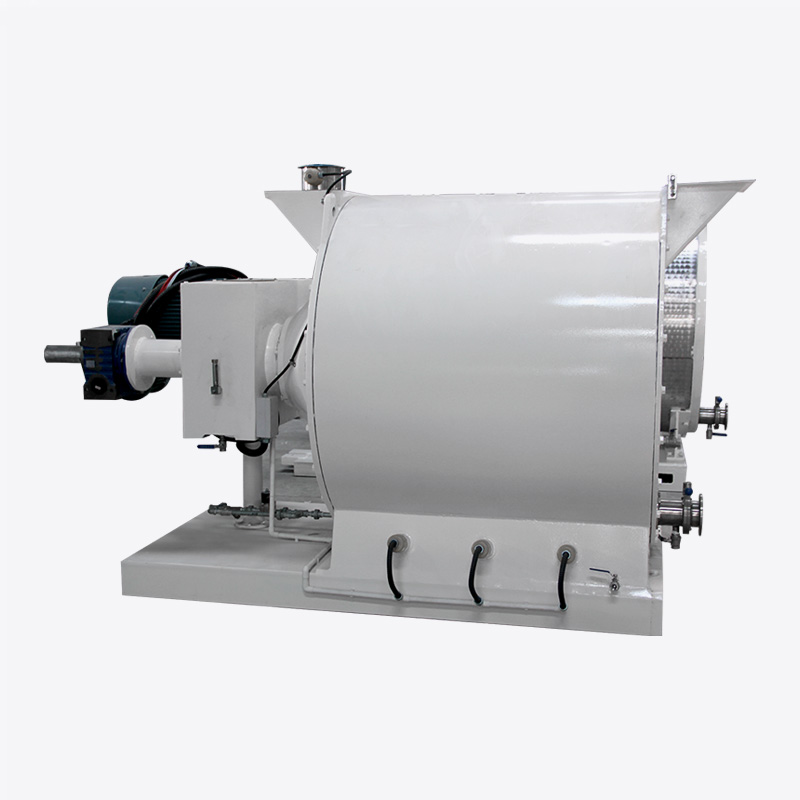
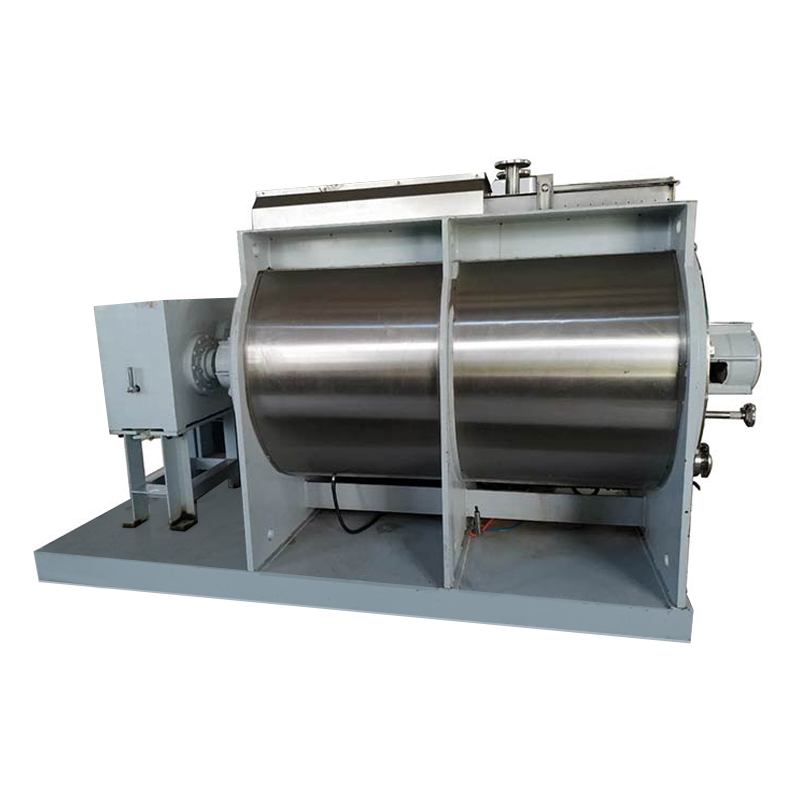
Anyone who's grabbed a chewy peanut butter protein bar one week and a crunchy chocolate crisp version the next has probably noticed something without really thinking about it — those two bars don't just taste different, they behave completely differently in your hand and in your mouth. One bends and squishes a little before you bite into it, the other snaps. That difference isn't an accident, and it isn't just about the recipe on paper. A lot of it comes down to what happens inside a Protein Bar Extruder before that bar ever gets wrapped and shipped to a store shelf. A Protein Bar Extruder is the piece of equipment that takes a mixed batch of ingredients and shapes it into that continuous bar form manufacturers later cut, coat, and package. Getting that machine to handle wildly different recipes — from soft and chewy to dense and crunchy — is honestly one of the trickier parts of protein bar production, and it's worth understanding why.
Content
- 1 What's Actually Happening Inside One of These Machines?
- 2 Why Can't One Recipe Setting Work for Every Protein Bar?
- 3 How Does the Machine Actually Handle Different Ingredients?
- 4 How Does This Process Actually Shape a Bar's Texture?
- 5 How Does This Equipment Keep Up With New Bar Trends?
- 6 Where Does This Equipment Actually Get Used?
- 7 What Should a Manufacturer Actually Think About Before Buying One?
- 8 How Does This Equipment Actually Help Keep Production Moving Smoothly?
- 9 Why Does Flexibility Matter So Much for Protein Bar Makers Specifically?
- 10 How Does Regular Maintenance Keep This Equipment Running Well?
- 11 Where Does This Leave Protein Bar Production Going Forward?
What's Actually Happening Inside One of These Machines?
At its core, a Protein Bar Extruder takes a mixture of ingredients and pushes it through a controlled process that shapes it into a continuous form, ready for the next steps in production.
A typical setup breaks down into a handful of working sections:
| Part | What It Actually Does |
|---|---|
| Feeding section | Moves the mixed ingredients into the machine |
| Processing chamber | Shapes and moves the material through the system |
| Forming section | Gives the bar its actual shape |
| Control system | Manages timing, speed, and other operating settings |
| Output section | Delivers the formed bars, ready for cutting or coating |
These pieces work together in sequence, but how they're actually set up and adjusted can shift quite a bit depending on what's actually being fed into the machine that day.
Why Can't One Recipe Setting Work for Every Protein Bar?
Walk down a protein bar aisle and you'll find products that couldn't be more different from each other — a dense, almost fudge-like bar sitting next to something light and crispy, both marketed as "protein bars" but built from completely different ingredient combinations.
A soft, chewy bar behaves very differently under processing than a firmer, denser one. Trying to run both through the exact same settings on an extruder would likely leave one of them either falling apart or coming out too tough to eat comfortably.
That variation shows up across a few areas:
- different protein sources, from whey to plant-based options
- different combinations of binders, fibers, and sweeteners
- different texture goals, whether chewy, crunchy, or somewhere in between
- different shapes and sizes depending on the product line
- different requirements depending on which market the bar's headed for
Because of all that variation, a machine that only handles one narrow type of mixture ends up limiting what a manufacturer can actually produce. A flexible extruder lets a company make several different bar lines without needing a separate piece of equipment for each one.
How Does the Machine Actually Handle Different Ingredients?
Ingredients don't all behave the same way once they're mixed together and pushed through processing equipment. Some mixtures flow and shape easily, while others need more careful handling to hold together properly.
A Protein Bar Extruder adjusts its operating conditions based on what's actually moving through it:
| Ingredient Trait | What It Affects During Processing |
|---|---|
| Protein content | Changes how the mixture holds together structurally |
| Fiber ingredients | Influences how firm or crumbly the final texture feels |
| Sweeteners | Affects overall consistency and how the mixture flows |
| Add-ins like chocolate chips or nuts | Changes how the shaping process needs to be handled |
Being able to work with this range of ingredient combinations is really what lets a manufacturer put out both a soft oat-and-honey bar and a dense, protein-packed crunch bar without switching to entirely different equipment for each one.
How Does This Process Actually Shape a Bar's Texture?
Texture is arguably the thing people notice first when they bite into a protein bar, even before they register the flavor. Nobody wants a bar that's supposed to be soft coming out dry and crumbly, or a bar that's supposed to be crunchy ending up dense and gummy instead.
The extrusion process plays a big role in getting that texture right, since it's shaping and organizing the mixture as it moves through the machine.
A few things that factor into the final feel:
- how soft or firm the finished bar ends up
- whether ingredients are distributed evenly throughout, or clumped unevenly
- the actual shape and thickness of the finished product
- how it actually feels to bite into and chew
Getting the extrusion settings right for a specific recipe is really what determines whether a bar hits its intended texture, rather than coming out either too dense or falling apart before it even reaches the wrapper.
How Does This Equipment Keep Up With New Bar Trends?
Snack preferences shift fairly quickly, and protein bars are no exception. A flavor or format that felt novel a few years back might feel outdated now, replaced by something with a different protein source or a completely different texture profile.
Manufacturers respond to that by rolling out new formulations, and a flexible extruder is what actually makes that kind of experimentation practical rather than a huge production headache.
A few trends this flexibility tends to support:
| Trend | What the Equipment Needs to Handle |
|---|---|
| New ingredient pairings | Processing that adapts to unfamiliar mixtures |
| New bar shapes | Forming sections that can be adjusted |
| A wider range of textures | Settings that can shift between soft and firm products |
| Expanding product lines | Quick transitions between different recipes |
Being able to pivot between recipes without a full equipment overhaul is a big part of how manufacturers keep pace with shifting consumer tastes rather than getting stuck producing the same handful of bars year after year.
Where Does This Equipment Actually Get Used?
Protein bars show up across a surprisingly broad mix of food categories these days, which means this kind of extrusion equipment ends up serving quite a few different corners of the food industry.
Sports and nutrition brands
Companies building products around active lifestyles rely on this equipment to produce protein-focused bars that hold up to specific nutritional targets.
Everyday snack production
Protein bars have increasingly crossed over into general snack aisles, sitting alongside granola bars and other grab-and-go options.
Functional food lines
Some products are built around specific dietary needs or nutritional angles, which often means unique ingredient combinations that need particular handling.
Private label and contract manufacturing
A single production facility might run several different recipes for different client brands, which puts a real premium on equipment that adapts quickly between formulations.
Each of these areas comes with its own specific demands, but they all lean on the same underlying need — equipment that can handle a shifting mix of recipes without constant retooling.
What Should a Manufacturer Actually Think About Before Buying One?
Picking out a Protein Bar Extruder involves more than just comparing specs on a brochure. It really comes down to understanding what a company's actually trying to produce, both now and down the road.
A few practical things worth working through:
| Consideration | Why It Actually Matters |
|---|---|
| How many different products are planned | Shapes how much flexibility the equipment actually needs |
| What ingredients are actually being used | Different mixtures put different demands on processing |
| How the equipment fits into the existing workflow | Affects how smoothly everything runs day to day |
| What ongoing maintenance will realistically require | Impacts long-term reliability and cost |
The right equipment should match what a manufacturer's actually producing right now while leaving enough room to add new products later without needing to replace the whole system.
Flexibility tends to matter more every year, especially as protein bar markets keep expanding into new flavors, formats, and dietary categories.
How Does This Equipment Actually Help Keep Production Moving Smoothly?
Getting a protein bar from raw ingredients to a wrapped, shelf-ready product involves a lot of steps, and the shaping stage is one that can either keep things moving smoothly or become a bottleneck if it's not set up well.
A Protein Bar Extruder tends to support smoother production in a few concrete ways:
- keeps the shape and size of bars consistent from batch to batch
- cuts down on manual handling steps that slow things down
- helps different stages of production coordinate more predictably
- makes it easier to run a broader mix of products through the same facility
When the shaping process runs smoothly and predictably, manufacturers can spend more of their attention on actually developing new recipes and less on troubleshooting production hiccups.
Why Does Flexibility Matter So Much for Protein Bar Makers Specifically?
Food trends move quickly, and protein bars have become a pretty crowded category with new formulations showing up regularly. A company that can only produce one narrow type of bar risks getting boxed in as consumer tastes shift elsewhere.
A flexible extruder gives manufacturers room to adjust rather than getting stuck with a single fixed process.
That flexibility tends to support:
- trying out new recipes without a huge investment in new equipment
- adjusting existing formulations as ingredient trends shift
- meeting different demands across different markets or regions
- expanding a product line without overhauling the whole production setup
Companies that can adapt their equipment alongside their recipes tend to have an easier time keeping up with where consumer preferences are actually heading, rather than playing catch-up after the fact.
How Does Regular Maintenance Keep This Equipment Running Well?
Food processing equipment needs consistent care to keep operating reliably, and that's especially true for machinery handling sticky, ingredient-heavy mixtures like protein bar dough.
A few maintenance habits that tend to matter:
| Task | Why It's Worth Doing |
|---|---|
| Cleaning equipment surfaces regularly | Keeps things sanitary and prevents residue buildup |
| Checking mechanical parts for wear | Catches small issues before they turn into bigger ones |
| Reviewing how the machine's actually running | Helps confirm settings are still working as intended |
| Following the manufacturer's recommended care steps | Supports long-term reliability |
How often these tasks need attention really depends on production volume and how frequently recipes are changing — a facility running multiple formulations back to back needs more frequent cleaning and checks than one running a single steady product line.
Staying on top of these habits tends to help manufacturers avoid the kind of unexpected downtime that throws off a whole day's production schedule.
Where Does This Leave Protein Bar Production Going Forward?
Food manufacturing in general keeps drifting toward more variety and more flexibility, and protein bars are a pretty clear example of that shift, with new flavors, textures, and ingredient combinations showing up regularly on store shelves. A Protein Bar Extruder plays a real role in making that variety possible, adapting to different recipes, textures, and shapes rather than locking a manufacturer into just one type of product. Its job goes beyond simply shaping a mixture into a bar form. It supports ongoing product development, keeps manufacturing organized even as recipes shift, and helps companies actually respond to what consumers are asking for — which, at the end of the day, is really why that chewy peanut butter bar and that crunchy chocolate one can come off the same production floor, built from completely different recipes, without either one feeling out of place next to the other.