

 English
 Español

Content
The Core Value of Automated Chocolate Moulding Lines
A chocolate moulding line is the backbone of modern confectionery manufacturing, transforming liquid cocoa mass into precise, glossy retail products. Automated lines can increase production efficiency by up to 40% compared to semi-manual methods, while ensuring consistent weight and aesthetic quality across thousands of units per hour.
These integrated systems handle every stage from depositing tempered chocolate into polycarbonate molds to cooling, demolding, and packaging. By minimizing human contact and standardizing thermal processes, they reduce waste and enhance food safety compliance, making them indispensable for scalable chocolate businesses.
Key Components of a High-Performance Moulding Line
Understanding the machinery involved helps in optimizing operations and troubleshooting issues:
- Depositor: Precisely fills molds with tempered chocolate. Advanced models offer multi-shot capabilities for layered or filled chocolates, maintaining accuracy within ±0.5 grams.
- Vibrating Conveyor: Removes air bubbles trapped during deposition, ensuring a smooth surface and solid structure. Proper vibration frequency is critical to prevent mold damage.
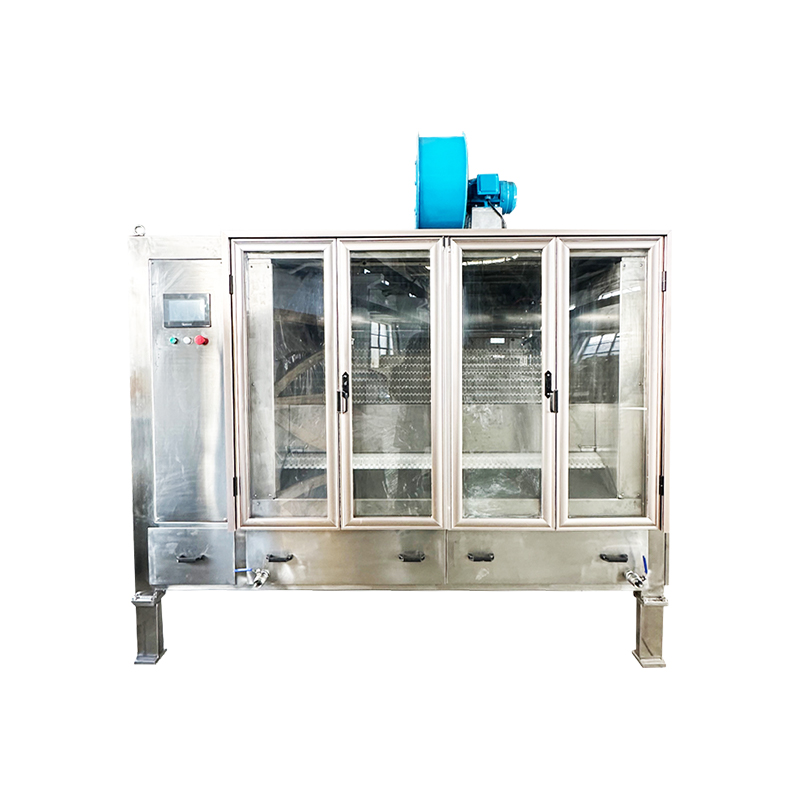
- Cooling Tunnel: Uses controlled temperature zones (typically 10–12°C) to crystallize cocoa butter correctly. A well-calibrated tunnel prevents bloom and ensures easy demolding.
- Demolding Unit: Gently inverts and taps molds to release finished bars. Flexible silicone mats or precise mechanical knockers minimize breakage rates.
Optimizing Production Efficiency and Quality
Maximizing output requires balancing speed with precision. Key strategies include:
Tempering Consistency
The quality of the final product depends heavily on proper tempering before deposition. Chocolate must be maintained at specific temperatures (e.g., 31–32°C for dark chocolate) to achieve Type V crystals. Inconsistent tempering leads to soft spots, poor shine, and difficulty in demolding.
Mold Maintenance
Polycarbonate molds must be kept pristine. Scratches or residue cause sticking and dull finishes. Regular cleaning with non-abrasive cloths and occasional polishing extends mold life to over 5 years even with high-volume use.
| Issue | Likely Cause | Solution |
|---|---|---|
| Air Bubbles | Insufficient Vibration | Adjust Vibrator Frequency |
| White Bloom | Poor Tempering/Cooling | Check Temp Zones & Crystal Structure |
| Sticking to Mold | Dirty or Scratched Mold | Clean/Polish or Replace Mold |
Maintenance Best Practices for Longevity
Regular upkeep prevents downtime and ensures hygiene standards:
- Daily Cleaning: Remove all chocolate residue from depositors, belts, and tunnels using warm water and food-safe detergents. Avoid high-pressure hoses on electrical components.
- Lubrication: Apply food-grade lubricant to moving parts like conveyor chains and demolding mechanisms weekly to reduce wear and noise.
- Temperature Calibration: Verify sensor accuracy in cooling tunnels and tempering units monthly. Even a 1°C deviation can affect crystal formation and product quality.
- Mold Inspection: Check polycarbonate molds for cracks or cloudiness daily. Damaged molds should be removed immediately to prevent production defects.
Adhering to this schedule can reduce unexpected breakdowns by 50% and extend the operational life of the entire line.
Future Trends in Chocolate Moulding Technology
The industry is evolving towards greater flexibility and sustainability:
- Modular Designs: Lines that allow quick changeovers between different mold sizes and shapes, enabling small-batch customization without significant downtime.
- Energy Efficiency: Newer cooling tunnels use recirculated air and improved insulation to reduce energy consumption by up to 20%.
- IoT Integration: Smart sensors monitor performance metrics in real-time, predicting maintenance needs and optimizing production parameters automatically.
Investing in modern, adaptable chocolate moulding lines positions manufacturers to meet changing consumer demands while maintaining high standards of quality and efficiency.