

 English
 Español

A batch that turns out grainy no matter how carefully the recipe was followed. A flavor profile that comes across flat, or oddly sharp, even after hours of work in the machine. A small production run dragging on far longer than it should, leaving almost no room to scale up once demand starts picking up. These problems show up constantly in artisan chocolate making, and nearly all of them trace back to one piece of equipment, the Chocolate Refiner Conche, and whether it actually fits the scale and quality goals of the operation running it.
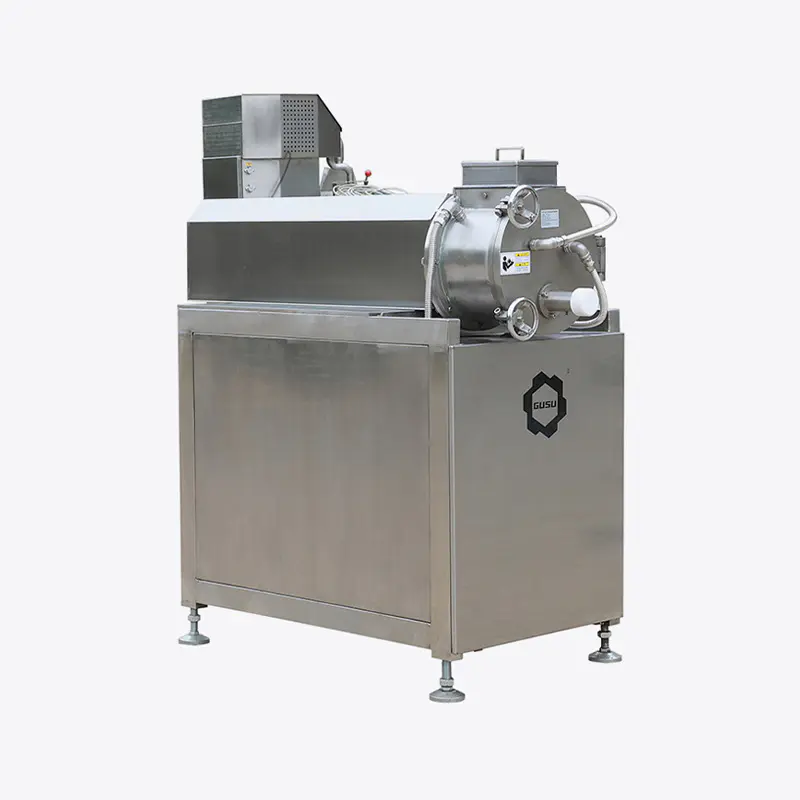
Picking the right equipment for refining and conching is not something that comes down to comparing price tags side by side. It depends on batch size, the texture and flavor a maker is aiming for, how much production space is actually available, and whether there is room to grow without tearing out and replacing machinery every time output ticks upward. Working through these considerations methodically helps artisan producers sidestep the common trap of either underinvesting in equipment that caps quality, or overinvesting in capacity that ends up sitting idle for years.
Content
- 1 What Does a Chocolate Refiner Conche Actually Do?
- 2 Why Artisan Chocolate Depends So Heavily on Conching
- 3 Key Selection Parameters Buyers Should Evaluate
- 3.1 Batch Capacity Should Match Real Production Needs, Not Aspirational Ones
- 3.2 Refining Fineness Determines Achievable Texture
- 3.3 Is Adjustable Conching Time a Feature Worth Prioritizing?
- 3.4 Temperature Control Affects More Than Just Processing Speed
- 3.5 Material and Sanitary Design Standards
- 3.6 Manual or Automated Control?
- 4 Matching Equipment to Production Scale
- 5 Connecting Quality Goals to Specific Equipment Features
- 6 Planning Equipment Investment Beyond the Initial Purchase
- 7 Evaluating Suppliers Beyond the Equipment Specifications
What Does a Chocolate Refiner Conche Actually Do?
Two Processes Combined Into One Piece of Equipment
Refining and conching are, technically speaking, two separate steps in chocolate production, though plenty of modern machines fold both functions into a single unit. Refining breaks sugar and cocoa particles down into a fine, smooth texture, while conching keeps working the chocolate over an extended stretch of time to build flavor and soften out unwanted acidity or rough edges.
Why Combining Both Functions Makes Practical Sense
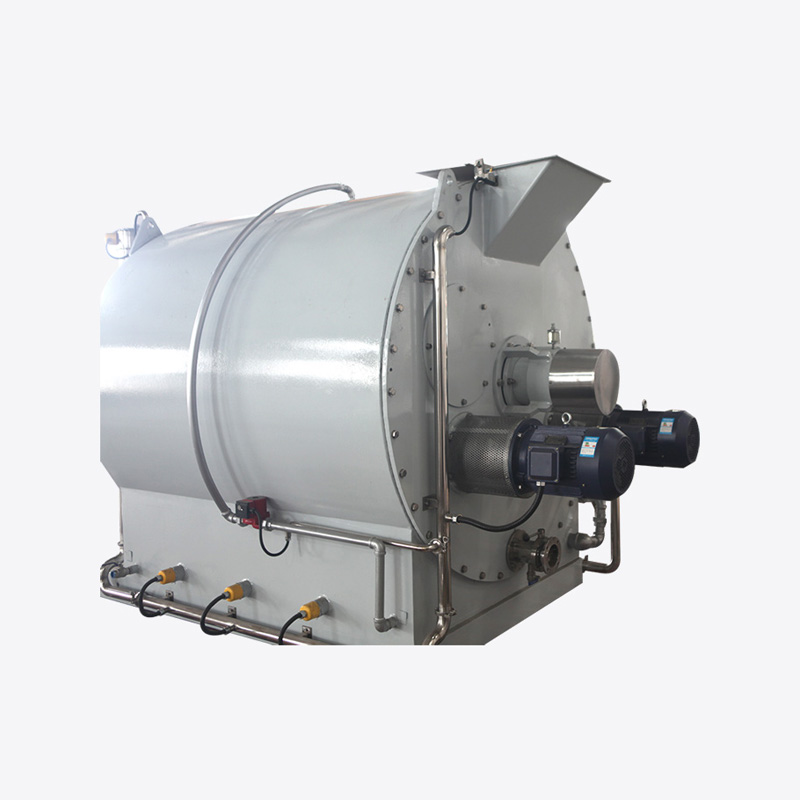
A Chocolate Conching Refining Machine that handles both steps inside one chamber saves on floor space and cuts down the handling needed between processing stages. For smaller artisan setups especially, this combined approach tends to make more sense than running two separate machines, since it simplifies the workflow without giving up the quality benefits either process brings on its own.
Why Artisan Chocolate Depends So Heavily on Conching
Does Small Batch Production Really Need Extended Conching Time?
For the most part, yes, arguably more than larger commercial operations tend to realize. Artisan producers are usually trying to bring out specific flavor notes from carefully sourced beans, and conching plays a direct role in how those flavors come through, how smooth the final texture feels, and how balanced the aroma ends up in the finished bar.
What Conching Actually Improves
Extended conching time, applied properly, contributes to several outcomes that artisan makers tend to care about most:
- Smoother mouthfeel, since prolonged mechanical action breaks down particle clusters that refining on its own often leaves behind
- Reduced acidity and rough notes that can linger depending on bean origin and earlier processing history
- More balanced aroma development, letting subtler flavor characteristics surface instead of getting buried under raw, unrefined notes
- Greater consistency from batch to batch, which matters a lot for brands building a reputation around a particular flavor signature
Key Selection Parameters Buyers Should Evaluate
Batch Capacity Should Match Real Production Needs, Not Aspirational Ones
One of the most common mistakes in equipment selection comes from sizing decisions based on hoped-for future volume rather than what current production actually requires. Buying far more capacity than the business needs right now ties up capital and floor space that could be put toward more pressing priorities instead.
Refining Fineness Determines Achievable Texture
How fine a machine can refine sets a hard ceiling on the smoothest texture the finished chocolate can reach. Buyers chasing a particularly silky mouthfeel need to confirm that a given piece of chocolate processing equipment can actually hit the particle size required, rather than assuming all refining equipment performs roughly the same.
Is Adjustable Conching Time a Feature Worth Prioritizing?
It usually is, especially for artisan producers working across varied bean origins or experimenting with different flavor directions across product lines. Fixed conching cycles box a producer in, while adjustable timing allows tailoring the process to whatever a particular batch actually needs.
Temperature Control Affects More Than Just Processing Speed
Stable temperature control during conching shapes how flavor compounds develop and how consistent the chocolate behaves batch after batch. Equipment without reliable temperature regulation can turn out inconsistent results even when every other variable stays the same.
Material and Sanitary Design Standards
Food grade stainless steel and sanitary design features are not optional extras on any chocolate manufacturing equipment under consideration. They affect both regulatory compliance and how easily the equipment can actually be cleaned between runs.
Manual or Automated Control?
Automation level changes both labor needs and consistency outcomes. Manual controls can work fine for very small operations with close hands-on oversight at every step, while automated systems support steadier results across repeated batches without demanding constant operator attention.
Matching Equipment to Production Scale
A Practical Comparison Across Common Scenarios
| Production Stage | Typical Need | Recommended Equipment Approach |
|---|---|---|
| Small artisan shop | Limited batch size, high quality focus | Compact Chocolate Refiner Conche suited to small volumes |
| Growing chocolate brand | Increasing order volume, need for consistency | Medium capacity refining and conching equipment |
| Commercial production | Large scale, continuous output requirements | Full chocolate manufacturing equipment line with integrated processing stages |
Why Matching Scale Correctly Prevents Future Headaches
Equipment sized properly for current production sidesteps two recurring problems: capital wasted on unused capacity, and the frustration of outgrowing a machine within a short stretch of business growth. Looking honestly at realistic production projections over a sensible planning window helps strike that balance without guesswork.
Connecting Quality Goals to Specific Equipment Features
What Production Goal Points Toward What Feature?
Buyers often approach this backwards, starting from whatever models happen to be available rather than starting from the quality outcome they actually want. Working in the opposite direction tends to produce a better fit:
- For producers chasing premium texture, machines offering higher refining precision deserve a closer look
- For producers focused on rich, fully developed flavor, adjustable conching time matters more than raw processing speed
- For bean-to-bar operations managing the entire process from raw bean to finished bar, an integrated refiner conche simplifies the workflow considerably compared to juggling separate machines
- For brands that live and die by consistency across every batch, automated temperature control catches variability that manual oversight alone tends to miss
Planning Equipment Investment Beyond the Initial Purchase
Does This Machine Fit Into a Broader Production Line?
A Chocolate Refiner Conche rarely works in isolation. Most artisan operations eventually have to think through how it connects with earlier stages like roasting, winnowing, and grinding, and later stages like tempering and molding. Thinking through this fuller chocolate processing equipment chain at the time of purchase, rather than patching it together piece by piece later, usually leads to a more coherent and efficient line overall.
How Should Buyers Think About Future Expansion?
Worth asking before signing off on a purchase:
- Can this equipment be upgraded or supplemented down the line as volume grows, or would expanding mean a full replacement
- Does the supplier offer compatible equipment for the stages on either side, making future integration easier
- What is the realistic working life of this equipment under the usage pattern actually expected
- How much floor space would be needed if production volume doubled within the next couple of years
Evaluating Suppliers Beyond the Equipment Specifications
What Should Buyers Confirm Before Committing to a Supplier?
Specifications matter, sure, but supplier capability often ends up deciding whether the investment actually pays off over time. It is worth confirming:
- Whether the supplier offers training on operation and maintenance, since that affects how quickly staff get comfortable running the machine well
- What after sales support and spare parts availability look like once everything is installed and running
- Whether the supplier has real experience supporting artisan-scale producers specifically, not just large commercial operations
- Whether customization is on the table for buyers whose production needs do not slot neatly into standard model configurations
Bringing all of this together, batch capacity, refining fineness, conching flexibility, temperature control, sanitary design, and how the equipment fits into a wider processing line, gives artisan chocolate producers a much clearer path toward a purchase that genuinely supports their quality goals instead of just taking up space in the production area. Matching equipment to real production needs, rather than either current limitations or overly optimistic future projections, helps dodge the twin pitfalls of underinvestment and wasted capital that show up so often in smaller food production businesses. Supplier capability, training support, and how well equipment fits future production stages deserve just as much attention as the technical specs of the refiner conche itself. Gusu Food Processing Machinery Suzhou Co.,Ltd. works with artisan chocolate makers and growing food production businesses through exactly this kind of equipment planning, helping match refining and conching solutions to real production scale, flavor goals, and longer-term growth plans. Reaching out to talk through specific batch size, texture targets, and production timelines is a sensible next step for any producer ready to move from research into a confident equipment decision.