

 English
 Español

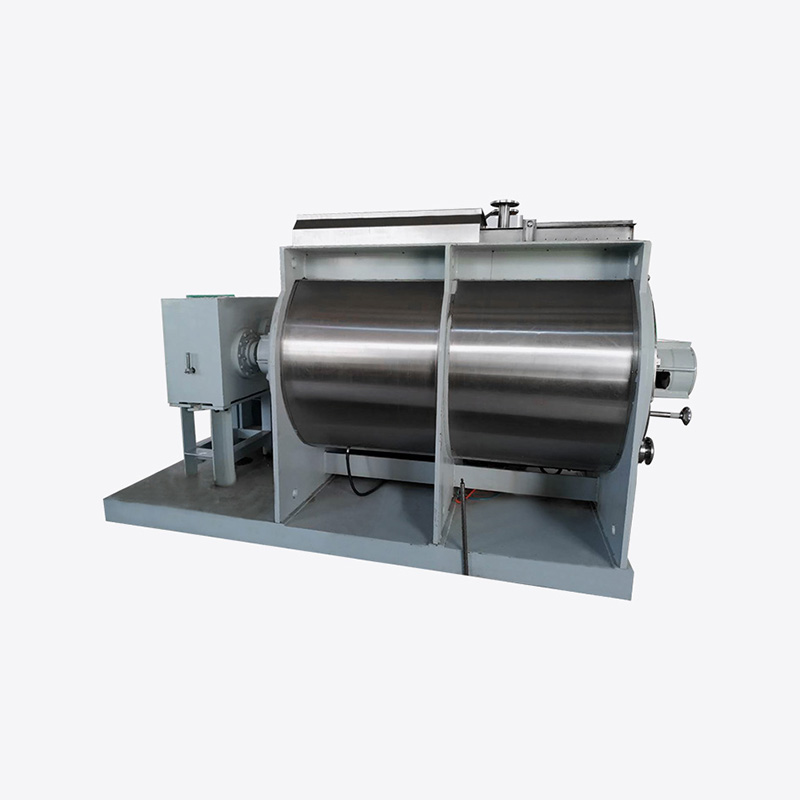
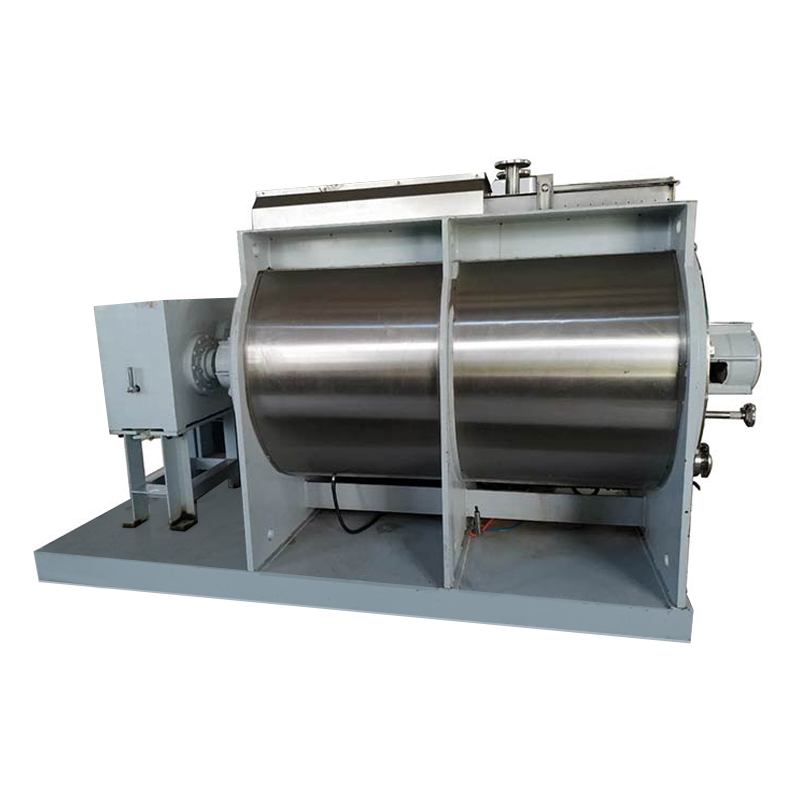
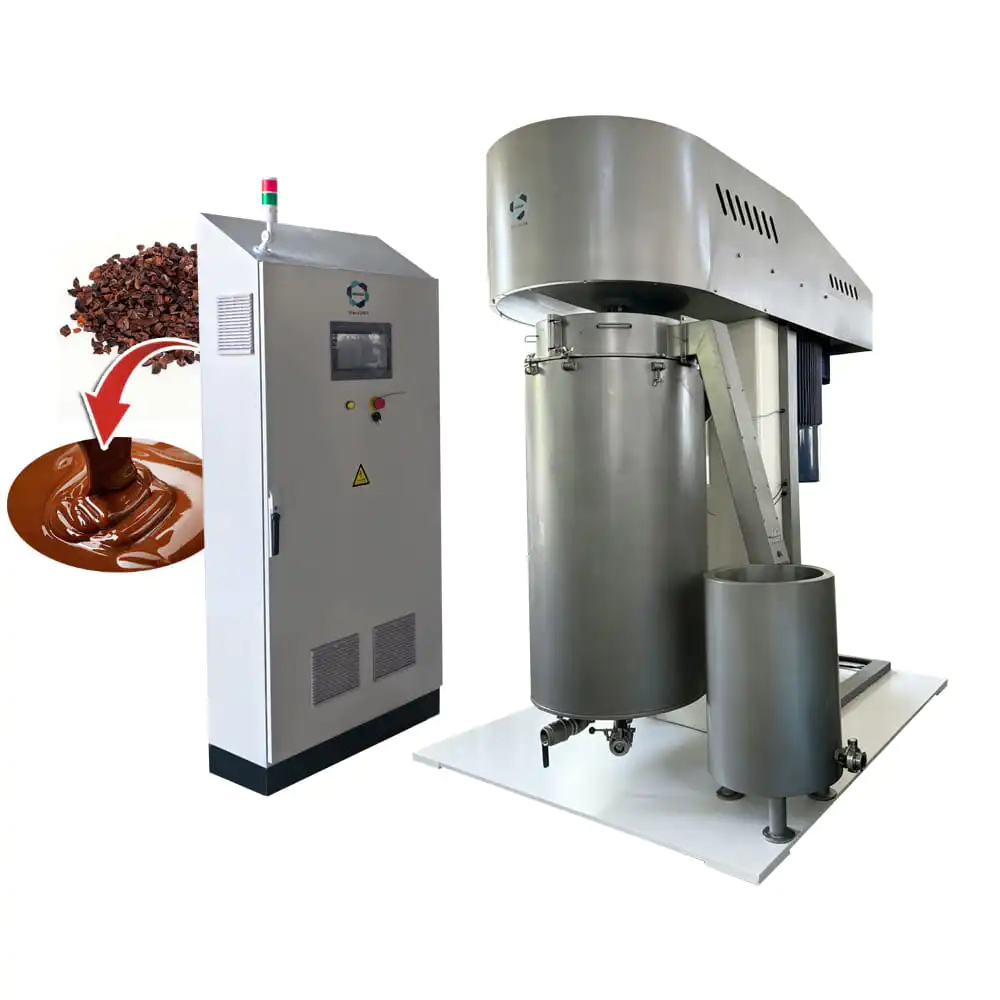
The crate finally shows up, a forklift sets it down somewhere on the production floor, and that's really when the actual work begins. Getting a Ball Mill Machine for Chocolate through the loading dock is one thing. Getting it to actually run correctly is a whole different challenge, and plenty of production teams underestimate just how many small details stand between a clean startup and weeks of frustrating troubleshooting afterward. Anyone who's watched a brand new machine sit half-wired while everyone argues over what order to hook things up in already knows why this setup phase deserves patience rather than rushed guesswork. Getting it right the first time means working through installation, connections, and calibration in a sensible order, not just plugging everything in and hoping the chocolate comes out smooth on the first try.
Content
- 1 What Needs Checking Before the Mill Even Gets Positioned?
- 2 Positioning and Securing the Ball Mill Chocolate Machine
- 3 Connecting Feed and Discharge Systems
- 4 Setting Up the Heating System
- 5 Calibrating Grinding Time and Particle Size Parameters
- 6 Coordinating Ball Mill Output With Conching and Refining
- 7 Troubleshooting Common Issues During Initial Startup
- 8 Integrating the Ball Mill Into Broader Chocolate Processing Equipment
- 9 Getting a Chocolate Ball Mill Running Smoothly
What Needs Checking Before the Mill Even Gets Positioned?
Before anyone lays a hand on the grinding equipment itself, the installation space needs a look. Floor load capacity, available power, cooling requirements, all of it needs confirming against what the machine actually demands, since finding out about a mismatch after heavy equipment's already in place creates a far bigger headache than catching it beforehand.
Worth confirming before positioning anything:
- The floor can actually support the equipment's weight without vibration or shifting once it's running
- Electrical supply matches whatever voltage and phase the mill genuinely requires
- Cooling water or ventilation access sits close enough to the intended installation spot
- Enough room exists around the unit for maintenance access and safe movement around it
Skip this pre-check and you might discover, after the mill's already bolted down, that a cooling line just doesn't reach or the electrical panel sits too far away for a clean hookup.
Does the Installation Environment Actually Affect Grinding Performance Down the Line?
It genuinely does, more than most people expect going into their first setup. Vibration from a poorly supported floor can throw off grinding consistency over time, and unstable power supply can cause motor fluctuations that eventually show up as uneven particle size in the finished chocolate.
Getting the environment right isn't just about dodging installation headaches. It directly protects the quality and consistency of whatever eventually comes out of that mill once production's actually underway.
Positioning and Securing the Ball Mill Chocolate Machine
Once the space checks out, positioning the equipment correctly matters just as much as all that environmental prep. A ball mill chocolate machine needs to sit level and anchored securely, since even a slight tilt can throw off how grinding media distributes inside the drum during operation.
Steps worth following here:
- Confirm the mounting surface is level with proper measuring tools before final placement
- Secure the unit per manufacturer anchoring specs, resisting the urge to shortcut this for speed
- Check alignment between drive motor and grinding drum before tightening anything down for good
- Verify safety guards and access panels are seated properly before moving forward
Rush through positioning just to get to the more exciting parts of setup, and you risk alignment issues that get a lot harder to fix once the unit's fully wired up and running.
Connecting Feed and Discharge Systems
With the mill properly positioned, connecting feed and discharge piping comes next. This determines how raw material enters the grinding chamber and how processed chocolate exits toward whatever's next, a chocolate refiner conche, a holding tank, wherever it's headed.
Key things to verify at this stage:
- Feed lines are sealed properly to keep air from getting in and affecting product consistency
- Discharge piping connects cleanly to whatever downstream equipment receives the ground chocolate
- All connections match the diameter and material specs the system was actually designed around
- Valve positions allow proper flow control both during operation and cleaning cycles
What Actually Happens if Feed or Discharge Connections Aren't Sealed Properly?
Air getting into feed connections can introduce inconsistency into grinding, sometimes showing up as uneven texture or unexpected air pockets in the finished product. Poorly sealed discharge connections create cleanup headaches and open the door to contamination risk between runs.
Taking the time to check these connections thoroughly before that first startup, rather than assuming standard fittings will just work without a look, heads off a whole category of problems that would otherwise only surface once production's already begun.
Setting Up the Heating System
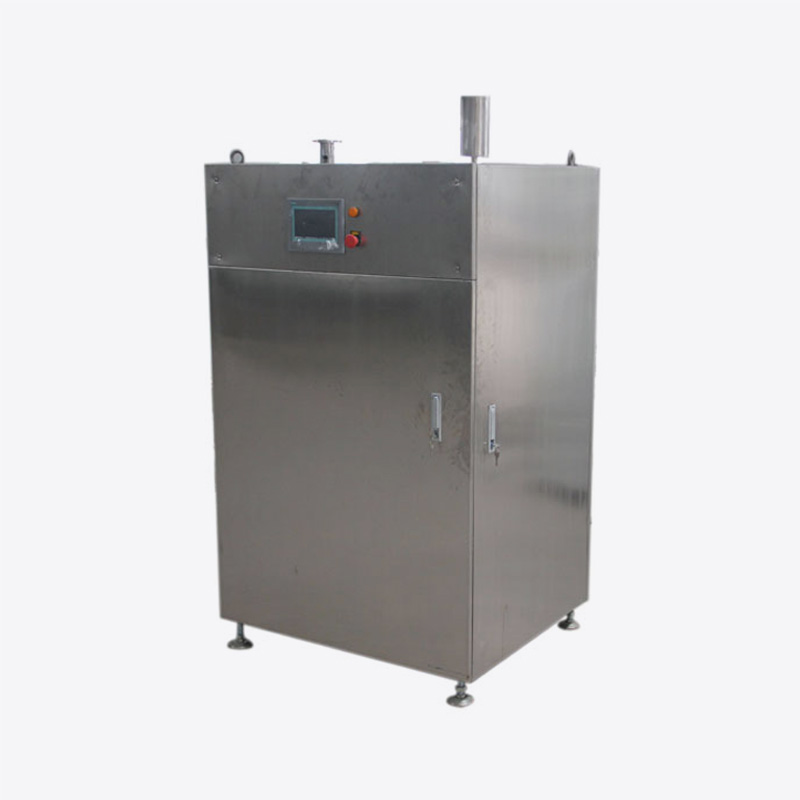
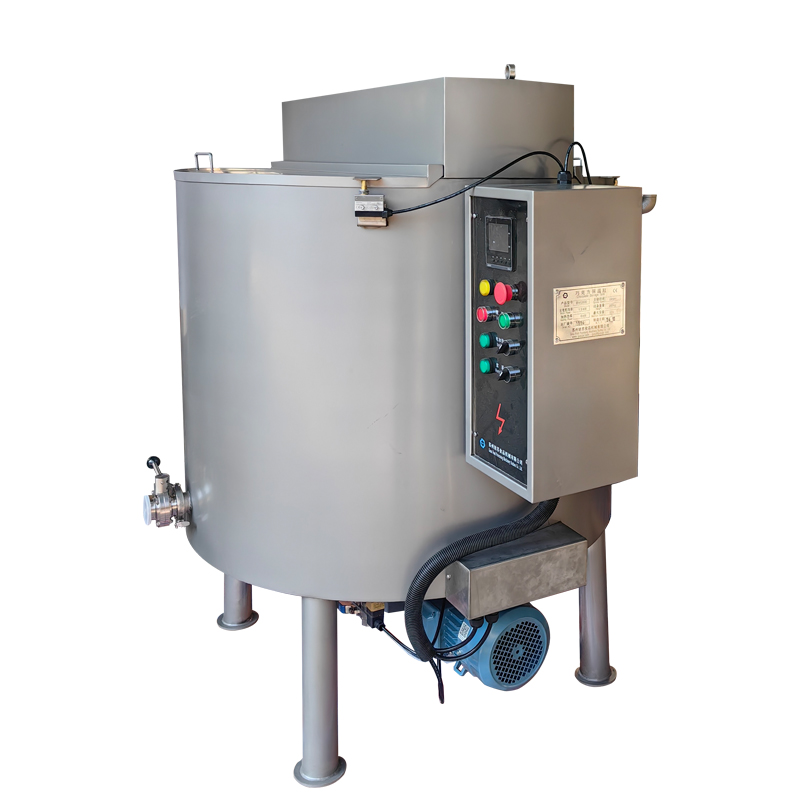
Temperature control matters a lot in chocolate processing, and whether the setup involves a chocolate holding tank, a mixing tank with heater, or an industrial chocolate melter feeding into the ball mill system, getting heating parameters right from the start matters for both product quality and protecting the equipment itself.
| Component | Setup Consideration | Why It Matters |
|---|---|---|
| Chocolate Holding Tank | Confirm heating elements reach target range before the first material load | Prevents premature solidification during transfer |
| Mixing Tank With Heater | Check temperature sensor calibration against actual readings | Keeps process monitoring accurate throughout operation |
| Industrial Chocolate Melter | Verify heating uniformity across the melting chamber | Avoids localized overheating or incomplete melting |
| Custom Holding Tanks | Confirm capacity and heating specs match actual production volume | Prevents heating that's undersized relative to batch size |
Should Heating Systems Get Tested Before Any Actual Chocolate Runs Through Them?
Running a test cycle with just the heating systems, before introducing real chocolate, catches calibration issues early without risking product waste. Confirming sensors read accurately and heating elements hit target temperatures consistently, before committing actual material, saves both time and ingredients if something needs a tweak.
Skip this test phase and jump straight to production, and sometimes a calibration problem only surfaces after an entire batch has already been ruined by inconsistent temperature control.
Calibrating Grinding Time and Particle Size Parameters
Once the mechanical and heating systems check out, calibrating actual grinding parameters becomes the next priority. This step really determines how the Ball Mill Machine for Chocolate performs once real production starts, affecting texture, consistency, and how well the ground chocolate plays with subsequent conching and refining stages.
A reasonable calibration approach usually looks like:
- Starting with a smaller test batch rather than throwing full production volume at initial calibration runs
- Checking particle size at intervals throughout the grinding cycle instead of waiting until it's done
- Adjusting grinding time based on what particle size actually shows, rather than leaning entirely on manufacturer defaults
- Documenting whatever parameter combinations work, for future reference across different chocolate formulations
Why Does Particle Size Calibration Need Patience Instead of a Quick One-Time Setting?
Different chocolate formulations, varying in fat content, sugar ratio, whatever else, respond somewhat differently to identical grinding settings. What works beautifully for one formulation might need adjusting for another, meaning calibration isn't always a one-and-done task you complete once and forget.
Building in time for this process, rather than assuming factory defaults will suit every formulation a facility runs, produces more consistent results across whatever variety of production a facility handles.
Coordinating Ball Mill Output With Conching and Refining
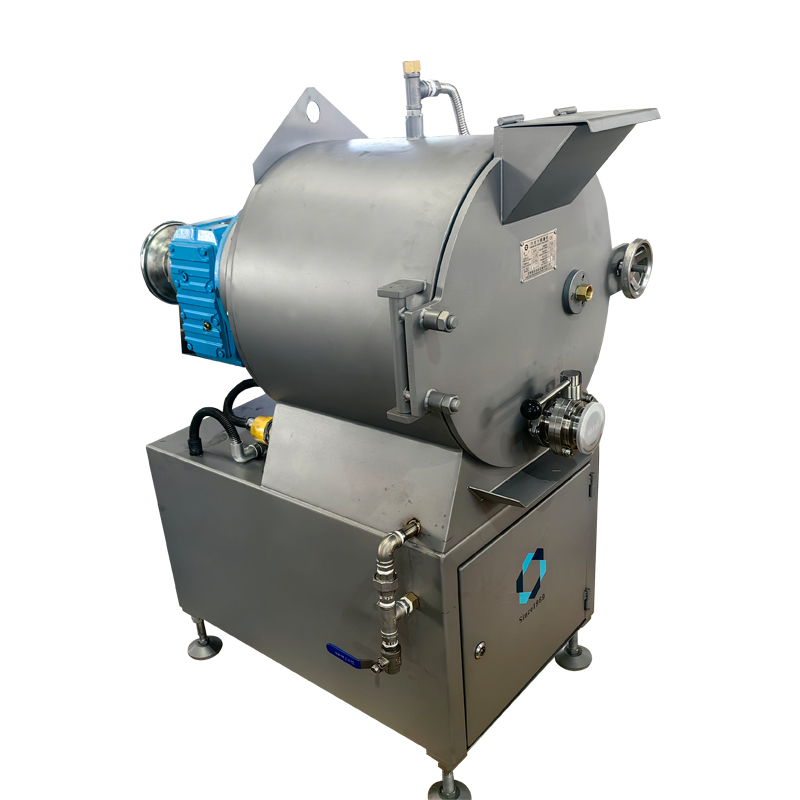
A chocolate ball mill rarely runs in isolation from the rest of the production system. Ground chocolate typically heads toward a chocolate conching refining machine for further texture work, and getting timing and flow synced between these stages matters for overall efficiency.
Worth considering here:
- Confirming ball mill output rate actually matches what the downstream conching system can process without creating a bottleneck
- Checking that temperature at transfer points stays within whatever range both systems need for proper handling
- Verifying particle size achieved in the ball mill actually suits what conching expects as its starting material
Does Poor Coordination Between These Stages Really Affect Final Product Quality?
It can, quite noticeably. If ball mill output reaches the conching stage too coarse, or at a mismatched temperature, conching may struggle to deliver the texture refinement it's built for, no matter how well the conching equipment performs on its own.
Treating these stages as one connected system, rather than independent machines running with no coordination, tends to produce smoother overall production and more consistent finished chocolate.
Troubleshooting Common Issues During Initial Startup
Even careful setup sometimes surfaces problems during the first few runs. Catching common issues early helps facilities course-correct before small problems snowball into bigger production disruptions.
- Uneven grinding often traces back to how grinding media is distributed, or an inconsistent feed rate into the mill
- Temperature running too high or too low usually points toward heating system calibration or insulation problems in holding tanks
- Poor flowability in finished chocolate sometimes signals grinding time needs adjusting, or formulation ratios need a second look
- Odd equipment load or unusual noise during operation should trigger an immediate inspection, not continued running
Should Production Push Forward if Minor Issues Show Up During Startup?
Generally, no, not without checking first. Minor issues at startup often point toward a calibration or connection problem that's a lot easier to fix while volumes stay small, compared to catching the same issue after full production volume is already committed.
Pausing to investigate odd symptoms, rather than pushing through hoping it resolves itself, tends to save both material and time across those early operating weeks.
Integrating the Ball Mill Into Broader Chocolate Processing Equipment
Once the mill's running reliably on its own, attention naturally shifts toward how it fits into the wider chocolate processing equipment lineup, storage, holding, refining systems, all working together across a full production line.
Facilities running a full chocolate manufacturing equipment setup benefit from confirming:
- Chocolate storage tank capacity actually lines up with real production volume expectations
- Transfer timing between ball mill, holding systems, and conching equipment doesn't create unnecessary bottlenecks
- Temperature stays consistent across every transfer point throughout the full production sequence
- Custom holding tanks, if used, genuinely match the volume and heating requirements the line actually demands
Getting a Chocolate Ball Mill Running Smoothly
Getting a chocolate ball mill properly set up after delivery really comes down to working through installation, connections, heating calibration, and grinding parameters in a sensible order, rather than rushing toward production before each stage has actually been checked. Facilities that take their time during this setup phase tend to reach stable, consistent production a lot faster than those pushing straight into full-volume runs before confirming the equipment actually performs the way it should. Gusu Food Processing Machinery Suzhou Co.,Ltd. works with facilities through exactly this kind of installation and calibration process, helping match ball mill setup and broader chocolate processing equipment integration to whatever production needs each facility actually has. Reach out with installation details or setup questions, and the conversation about getting your equipment running smoothly can start from there.