

 English
 Español


Content
- 1 Why Safe Operation Matters for Cocoa Butter Grinding Equipment
- 2 What Should Be Checked Before Starting a Ball Mill
- 3 Step-by-Step Operation of a Cocoa Butter Grinding Machine
- 4 Safety Precautions During Grinding
- 5 How the LQMJ Ball Mill Supports Stable Operation
- 6 Maintaining the Machine After Operation
- 7 Common Problems and Sensible Responses
- 8 Safe Operation Checklist Overview
- 9 Frequently Asked Questions
- 9.1 What should operators check before starting a cocoa butter grinding machine?
- 9.2 Can the ball mill machine run continuously?
- 9.3 How often should a ball mill machine be cleaned?
- 9.4 What should operators do if the machine makes unusual noises?
- 9.5 Why is regular maintenance important for grinding equipment?
- 10 Safe Use Built on Inspection, Procedure and Maintenance
Why Safe Operation Matters for Cocoa Butter Grinding Equipment
Reducing Risks Around Industrial Grinding Machines
Ball mills and related grinders combine rotating drives, heavy chambers and product that may be warm after processing. Without clear procedures, hands can contact moving parts, electrical faults can go unnoticed and overloaded batches can stress the machine. Written operating steps reduce those risks by fixing the order of checks, starts, feeding and shutdowns before habits diverge on the shop floor.
Protecting Operators and the Equipment
Training ensures that only people who understand the controls, guards and emergency stops run the line. Pre-start inspection catches loose covers, damaged cables or leftover product from the previous batch. Disciplined use lowers the chance of sudden stops, seal damage or media problems that interrupt production and require unplanned repairs.
Keeping Processing Conditions Stable
Cocoa-related masses respond to temperature, fill level and cycle time. When operators stay inside the recommended operating window, particle size and consistency vary less from batch to batch. Safety practice and process quality therefore support each other rather than compete.
What Should Be Checked Before Starting a Ball Mill
Inspecting the Machine Structure
The grinding chamber, external fasteners, pipe or hopper connections and frame mounts are examined for damage or looseness. Protective covers and guards must be in place and secured so that rotating or pinch points are not exposed during the run.
Checking Electrical and Control Systems
Cables, plugs and control panel indicators are inspected for obvious faults. Emergency stop buttons and any interlocks fitted on the machine are tested so that they respond before product is introduced. Faults found at this stage are cleared before power is used for production.
Reviewing the Grinding System
Grinding media and related internal parts are checked according to the equipment manual for correct loading and visible wear. The chamber should be clean enough for the next food batch, with no foreign objects left inside.
Confirming Material and Feeding Conditions
Only materials listed as suitable for the machine are prepared. Feed method, batch size and any pre-heating or mixing requirements are confirmed so that the first minutes of operation stay within design limits. A Butter Grinding Machine used outside its intended product range raises both safety and quality concerns.
Step-by-Step Operation of a Cocoa Butter Grinding Machine
Starting According to the Instructions
Power-up follows the sequence in the manufacturer's instructions. Idle running, where required, confirms that noise, vibration and panel readings look normal before any product enters the chamber.
Feeding at the Recommended Rate
Product is introduced using the specified method and at a rate that respects rated capacity. Overfilling reduces free movement of the media, increases load on the drive and can elevate temperature faster than the process allows.
Monitoring During the Grind
Temperature displays if fitted, sound, vibration and current or status indicators are watched through the cycle. Drift outside the usual band is a signal to investigate rather than to push through the batch blindly.
Discharging Processed Material
Discharge follows the designated path and timing. Contact with moving parts is avoided, and hot product is handled with the protective methods required by the plant. Containers or transfer lines are prepared before the chamber is emptied so that material is not left in unsafe intermediate states.
Shutting Down Safely
The recommended stop sequence is used so that drives coast down under control. Power is isolated before covers are opened for cleaning or maintenance, and lockout practices required by the site are applied.
Safety Precautions During Grinding
Avoiding Overload
Rated capacity exists to protect the drive, seals and chamber. Excess material increases mechanical load and can worsen temperature rise, leading to trips or damage. Batch planning should keep each charge inside the allowed range.
Watching Temperature and Machine Behaviour
Unusual heat, new noises or stronger vibration often appear before a hard failure. Stopping to inspect when those signs appear is preferable to continuing until a guard is hit or a seal fails.
Keeping Guards in Position
Covers and safety devices are part of the machine's protective system. Bypassing them to save time exposes operators to rotating parts and defeats the design intent of the equipment.
Following Electrical Safety Rules
Live electrical work is left to qualified personnel. Isolation and verification of zero energy before opening electrical enclosures prevent shock and equipment damage during service.
How the LQMJ Ball Mill Supports Stable Operation
Structure and Protective Components
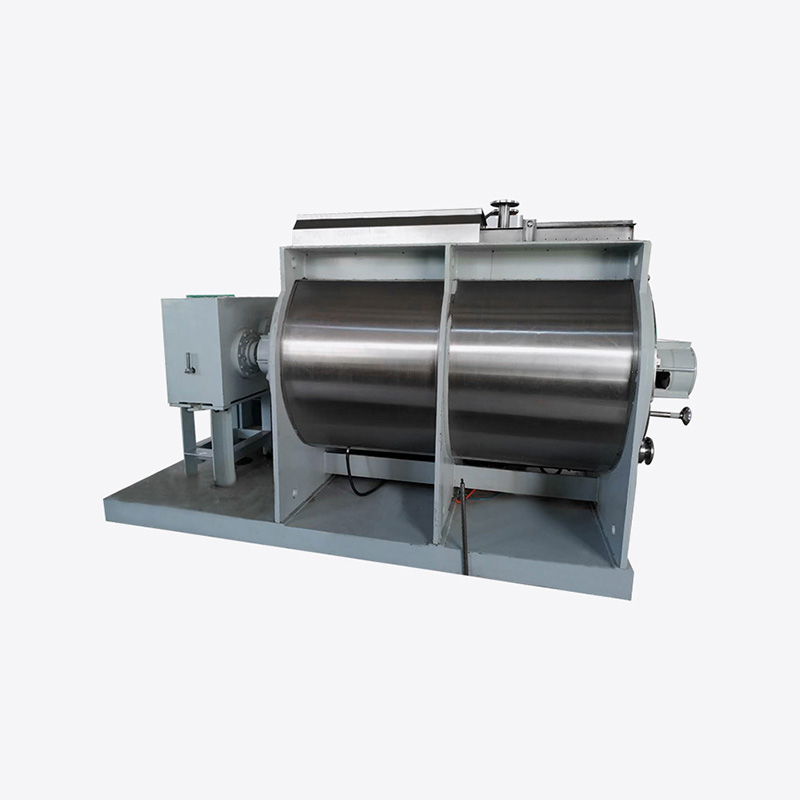
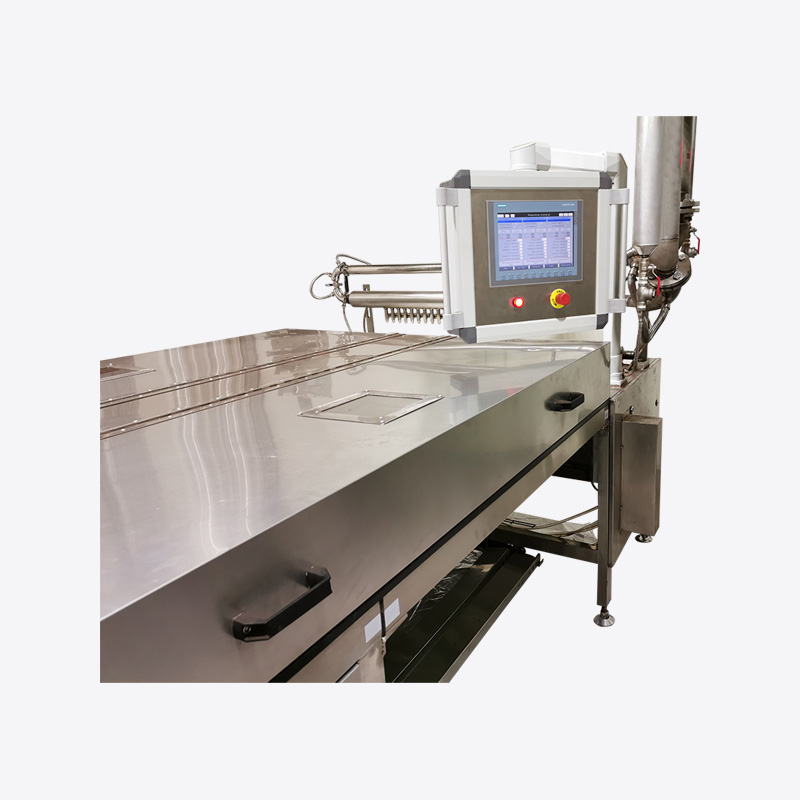
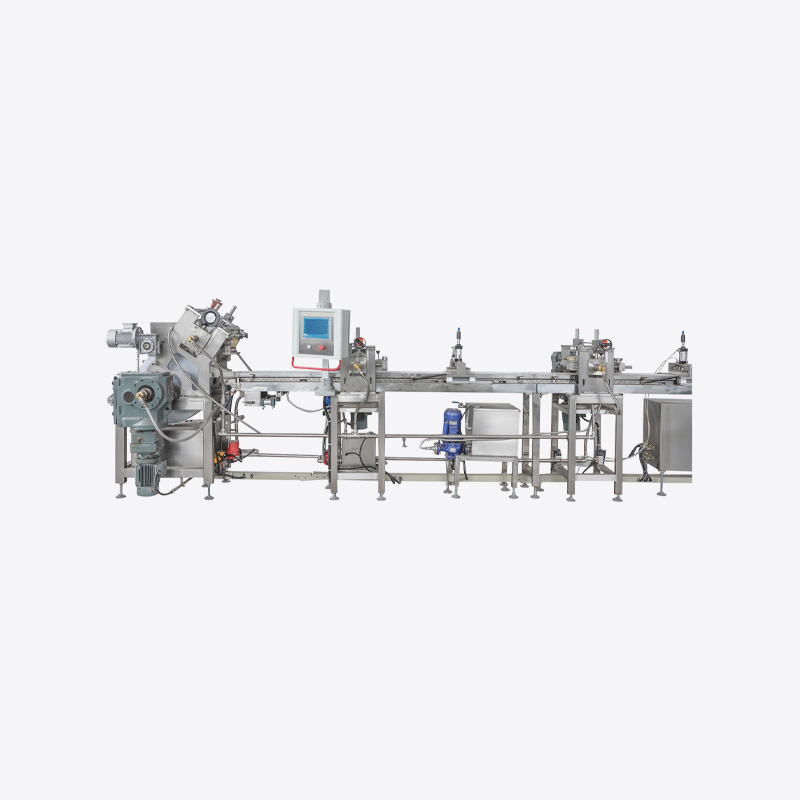
Housing, covers and structural layout on the LQMJ configuration are intended to enclose the grinding zone and support secure installation. Guards and access points should be used as designed so that protection remains effective during production.
Control System and Operating Convenience
The control panel provides the start, stop and monitoring functions fitted to the model. Where temperature or other process readouts exist, they are used as part of routine observation, not ignored after the first successful batch.
Grinding System Configuration
Chamber and media arrangement define how energy reaches the product. Operating parameters must still be matched to each formulation; the hardware alone does not guarantee a safe or correct cycle if fill level and time are chosen poorly.
Cleaning and Routine Maintenance Access
Areas that contact product need cleaning methods suited to food equipment and to the materials of construction. Planned access for inspection of media and wear parts supports both hygiene and mechanical reliability.
Considering the LQMJ for Cocoa-Related Duty
Verified features, intended applications in cocoa butter or chocolate processing and any technical guidance supplied with the machine form the basis for plant acceptance. After-sales support, where provided, helps resolve operating questions without guesswork.
Maintaining the Machine After Operation
Cleaning Material-Contact Areas
Cleaning follows the manufacturer's instructions and the site's food-safety rules. Tools and agents must be compatible with seals, chamber surfaces and residual fat-based product.
Inspecting Grinding Components
Media and wear parts are checked for breakage, excessive wear or loss of count. Replacement follows inspection findings and the maintenance schedule, not only fixed calendar dates.
Checking Electrical and Mechanical Assemblies
Fasteners, couplings and visible electrical connections are reviewed on the planned interval. Early correction of looseness prevents secondary damage during the next production run.
Keeping Maintenance Records
Logs of cycles, cleaning, part changes and abnormal events help identify repeat issues and support audits. Records also show whether the machine is being used inside its intended duty.
Common Problems and Sensible Responses
Unusual Noise or Vibration
The machine is stopped when noise or vibration exceeds normal levels. Inspection then targets media, mounts, bearings and product load before a restart is attempted.
Unexpected Temperature Changes
Operating settings and any cooling circuit are checked. Feed rate and batch size are reviewed to ensure they still match the product's heat sensitivity.
Unstable Grinding Results
Inconsistent fineness or texture often traces back to feed variation, media condition or parameter drift. Those items are corrected before blaming the machine structure alone.
Shutdown During Operation
Fault indications are noted, power is handled according to safety rules and troubleshooting follows the manual. Persistent faults require qualified technical support rather than repeated forced resets.
Safe Operation Checklist Overview
| Stage | Focus | Practical action |
|---|---|---|
| Before start | Structure, guards, electrics, media, material | Complete inspection; clear faults |
| Start-up | Correct sequence, idle check | Follow manual; confirm normal running |
| Feeding | Rate and batch size | Stay within rated capacity |
| During grind | Temperature, noise, vibration | Monitor; stop if abnormal |
| Discharge and stop | Safe emptying, isolation | Use set procedures; lock out before opening |
| After use | Cleaning, inspection, records | Clean contact areas; log findings |
Frequently Asked Questions
What should operators check before starting a cocoa butter grinding machine?
Structure, guards, electrical functions, emergency stops, grinding media, cleanliness and suitability of the material and feed plan should all be confirmed.
Can the ball mill machine run continuously?
Continuous or extended running is only acceptable within the duty and cooling limits stated for the model. Uninterrupted operation beyond those limits is not assumed.
How often should a ball mill machine be cleaned?
Cleaning frequency follows product changeovers, hygiene rules and the manufacturer's guidance. Fat-based residues should not be left to harden in contact areas.
What should operators do if the machine makes unusual noises?
Stop the machine when safe to do so, isolate energy as required and inspect media, mounts and load before returning to production.
Why is regular maintenance important for grinding equipment?
Maintenance preserves guards, drives and media condition, reduces unexpected failures and keeps processing conditions closer to the validated settings. Ball Mill Machine Manufacturers typically supply maintenance intervals as part of the equipment documentation for that reason.
Safe Use Built on Inspection, Procedure and Maintenance
Safe cocoa butter grinding depends on pre-start checks, controlled feeding, active monitoring, correct shutdown and routine cleaning. Guards and electrical isolation remain in force throughout. Gusu Food Processing Machinery Suzhou Co.,Ltd. supplies food processing equipment including ball mill systems for cocoa and chocolate-related work. Review of operating instructions, protective features and maintenance plans against plant safety rules supports installation and daily use of grinding machines in a controlled, repeatable way.