

 English
 Español

Content
- 1 What Makes Chocolate-Covered Raisins "Sugar Free"?
- 2 Nutrition: Calories, Carbs, and the Sugar Alcohol Factor
- 3 Ingredients Breakdown: What's Really in the Coating
- 4 How Sugar-Free Chocolate Coating Is Actually Produced
- 5 Sugar-Free vs. Regular Chocolate-Covered Raisins: Key Differences
- 6 What This Means for Manufacturers and Private-Label Producers
What Makes Chocolate-Covered Raisins "Sugar Free"?
Swap the sucrose for a sugar alcohol, and the label changes. That's the short version of how sugar-free chocolate-covered raisins get made. Instead of standard granulated sugar, the chocolate coating is built around maltitol — a sugar alcohol derived from corn syrup that delivers roughly 75-90% of sucrose's sweetness with a similar mouthfeel and melt profile.
The raisins themselves stay the same: dried grapes, sometimes lightly oiled with sunflower oil to keep them from clumping before coating. The change happens entirely in the chocolate layer, where maltitol replaces sugar as the primary sweetener alongside cocoa mass, cocoa butter, and an emulsifier like soy lecithin.
Nutrition: Calories, Carbs, and the Sugar Alcohol Factor
A typical serving — around 30 to 40 grams, roughly 11 pieces — runs between 130 and 180 calories across the major brands on the market, with total fat in the 8-16 gram range and total sugars usually under 5 grams per serving, since most of the sweetness comes from sugar alcohol rather than sucrose.
That sugar alcohol content matters for more than the nutrition panel. Maltitol is only partially absorbed by the digestive system, which is exactly why it carries fewer calories than table sugar — but it's also why most sugar-free chocolate products include a "may have a laxative effect" warning once daily intake climbs past roughly 40-90 grams. The FDA's overview of sugar alcohols and alternative sweeteners confirms that maltitol and similar polyols are slightly lower in calories than sugar and don't promote tooth decay, but they metabolize differently enough to warrant that labeling requirement.
Ingredients Breakdown: What's Really in the Coating
Read the ingredient list on most sugar-free chocolate-covered raisins and a consistent pattern shows up: maltitol, cocoa mass or chocolate liquor, cocoa butter, an emulsifier (soy lecithin), a flavoring agent (natural or artificial vanilla), and often a confectioners' glaze plus gum arabic to give the final piece its shine and prevent the pieces from sticking together in the bag.
Some formulations add sucralose alongside maltitol to boost sweetness without adding more bulk carbohydrate — since maltitol contributes calories and carbs even though it's not sucrose. Dark chocolate versions typically skip the milk solids that appear in milk chocolate variants, which also shifts the fat and calorie numbers slightly lower per serving.
How Sugar-Free Chocolate Coating Is Actually Produced
Producing this coating at scale isn't a simple substitution — swapping sugar for maltitol changes how the chocolate behaves mechanically, and that changes what the production line needs to do.
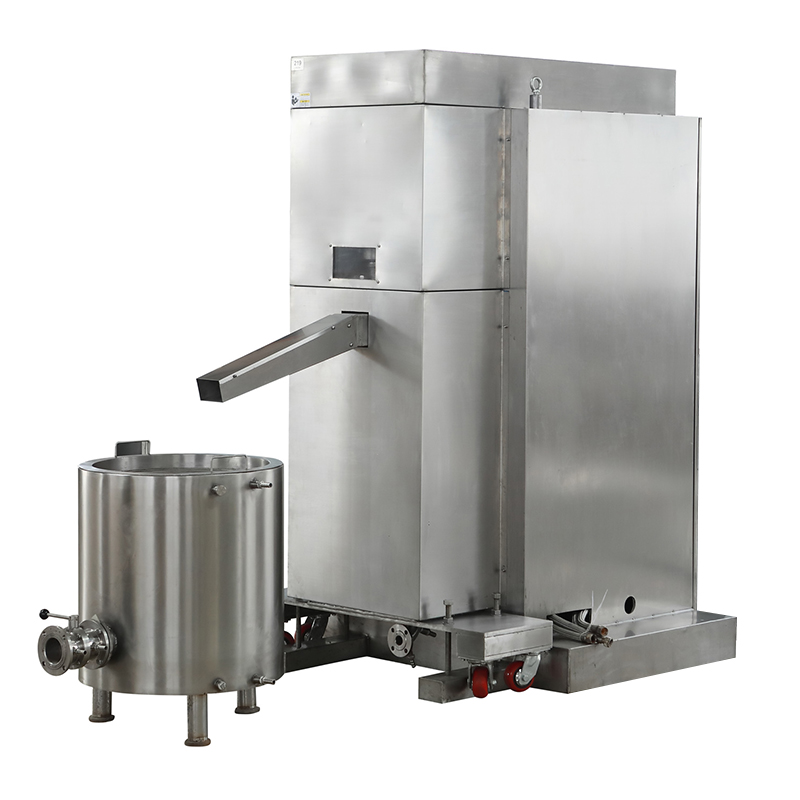
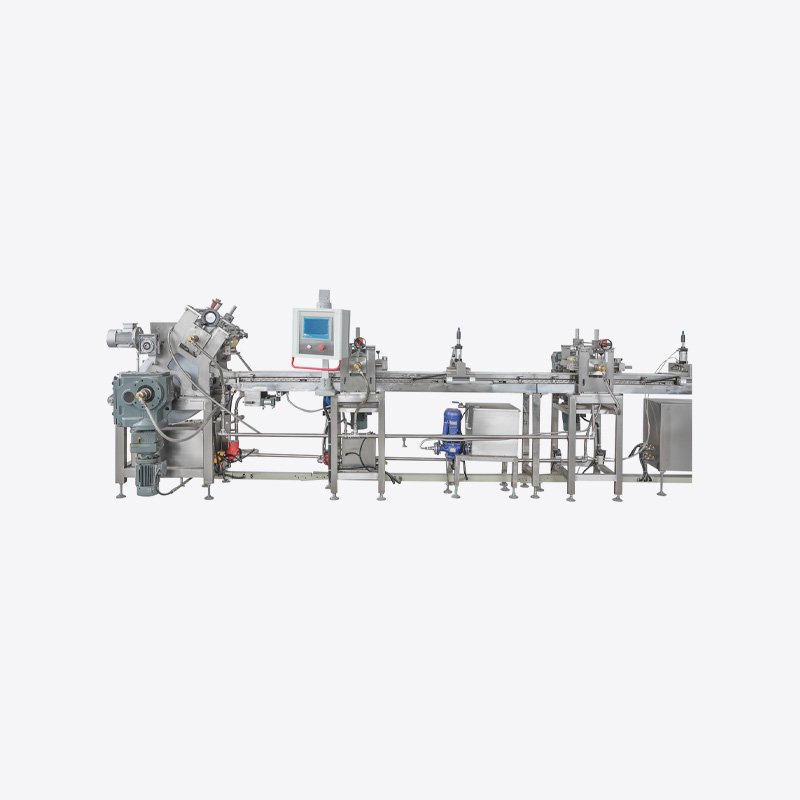
Maltitol doesn't caramelize or brown the way sucrose does, and it crystallizes differently during cooling. That means tempering becomes more sensitive: the goal is still to seed stable Form V cocoa butter crystals for a glossy, snap-worthy finish, but the temperature curve and hold times often need finer adjustment than a standard sugar-based recipe. Chocolate tempering machines that control cocoa butter crystallization for a stable, glossy coating are where that precision actually happens — inconsistent tempering on a sugar-free base shows up fast as dull, streaky, or soft-setting coating.
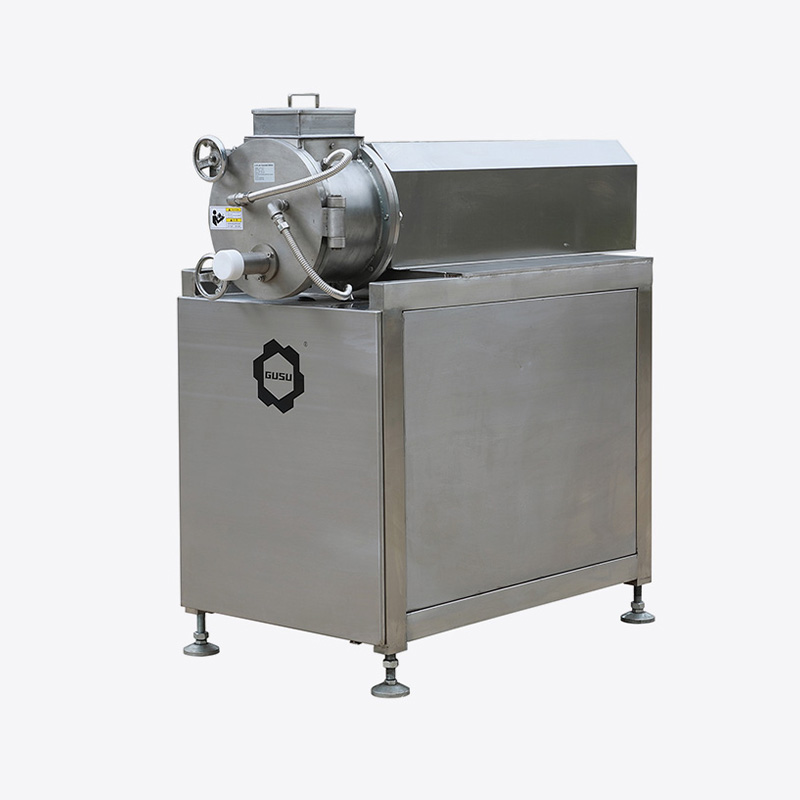
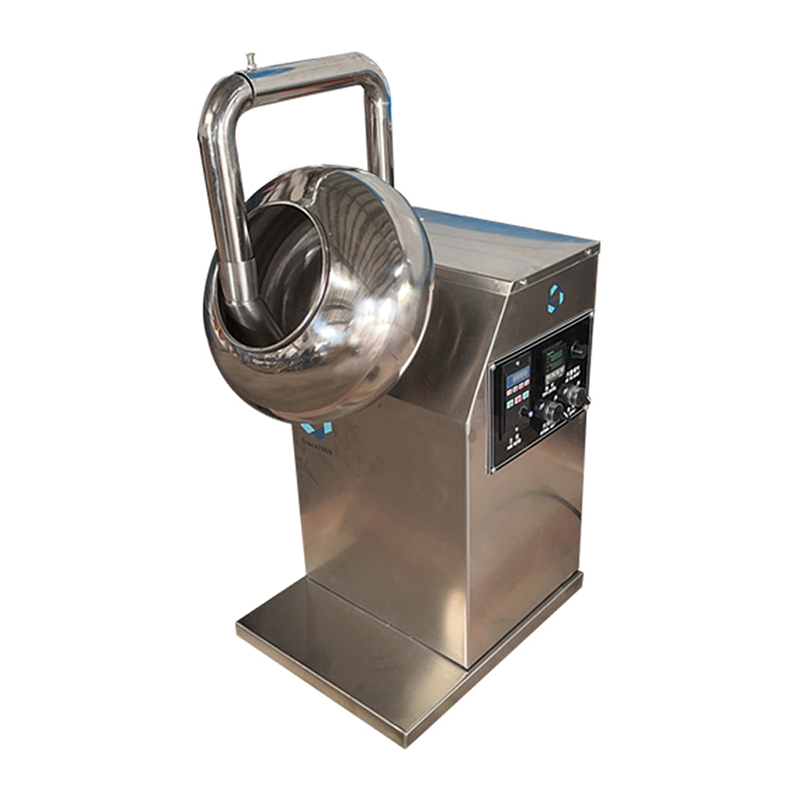
Once the chocolate is properly tempered, the raisins themselves are coated using one of two methods depending on production scale. Smaller and mid-size operations use chocolate coating pans used to apply an even chocolate layer onto raisins, nuts, and other centers — a rotating drum builds up thin layers of chocolate through repeated spraying and drying cycles, with warm air circulating through the pan to set each layer before the next is applied. A compact coating pan designed for polishing and coating small-batch confections can typically complete a full coating cycle in one to two hours, which fits well for producers running varied small-batch product lines.
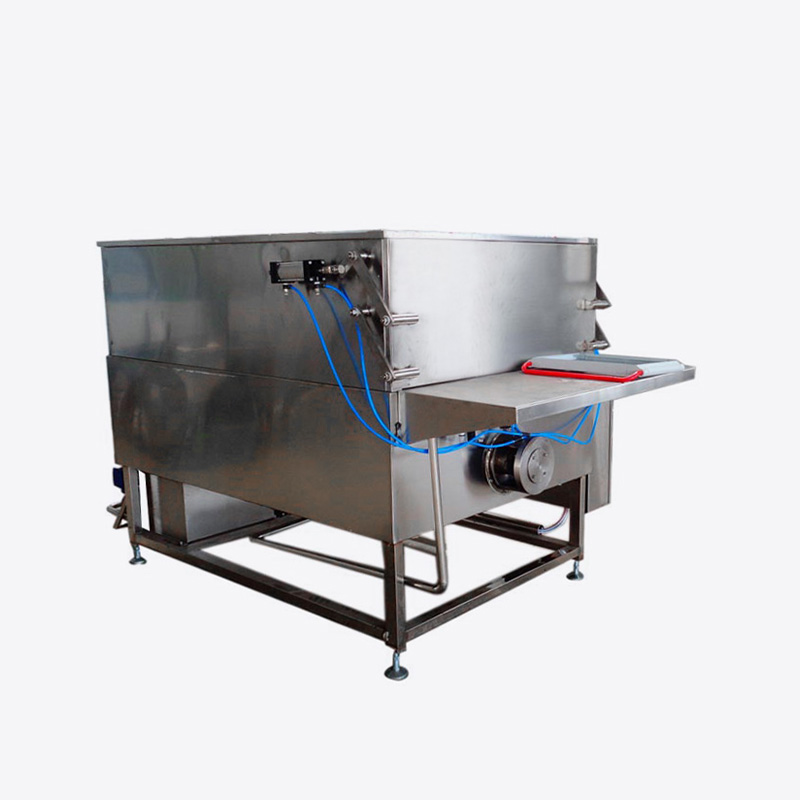
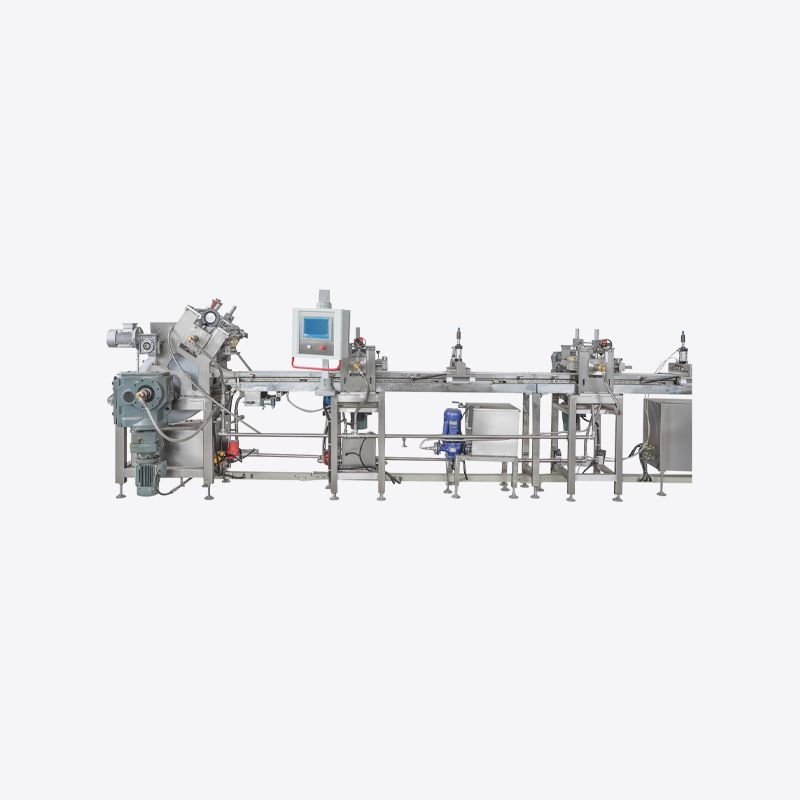
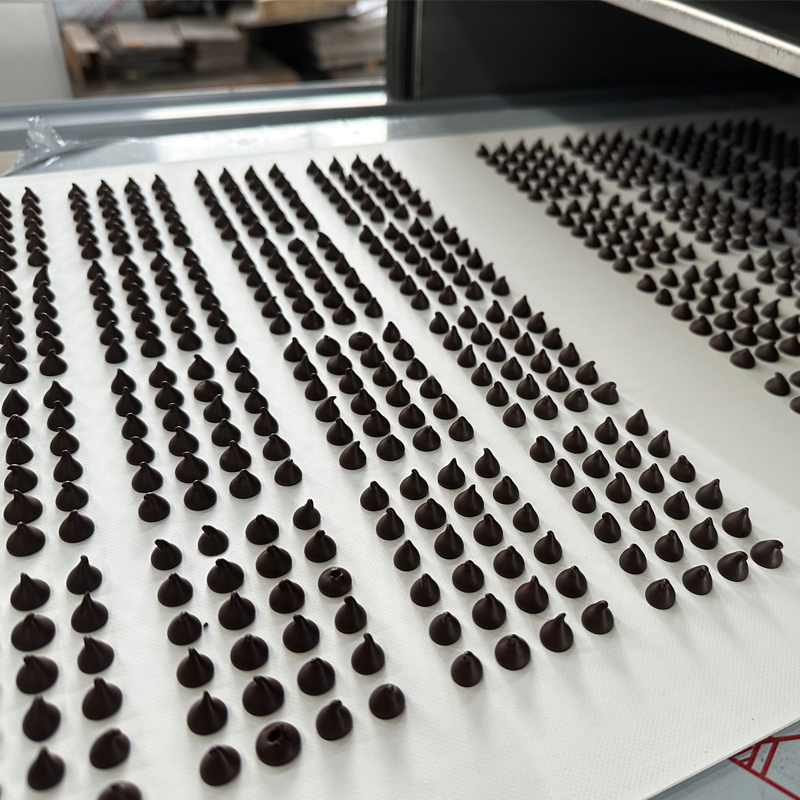
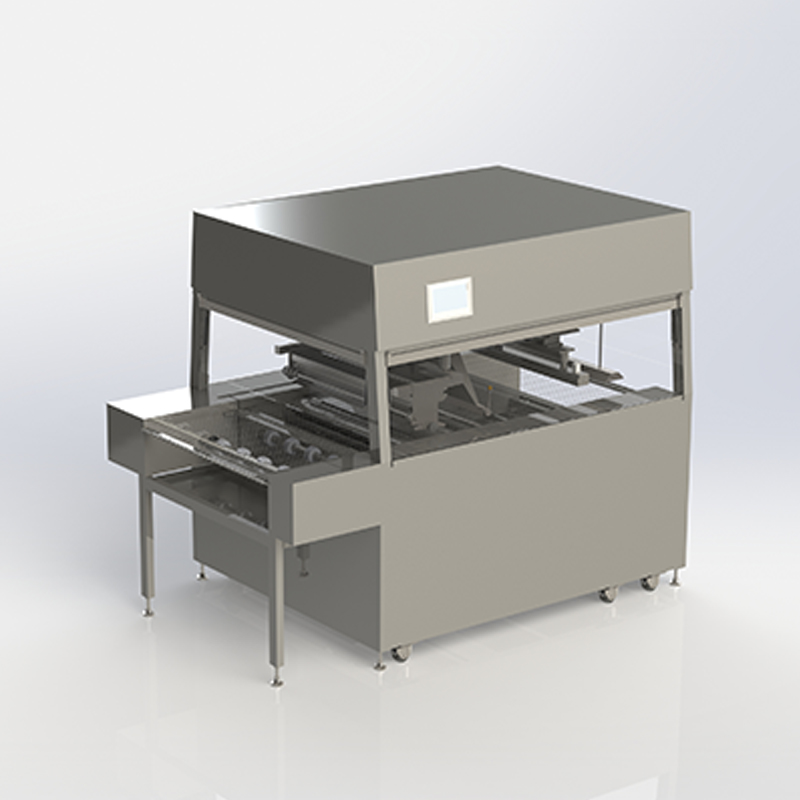
Larger continuous operations use enrobing instead. The raisins pass through a curtain of liquid tempered chocolate on a conveyor, then move directly into a cooling tunnel to set. This method produces higher throughput with a thinner, more uniform coating than pan coating typically achieves.
Sugar-Free vs. Regular Chocolate-Covered Raisins: Key Differences
| Factor | Sugar-Free (Maltitol-Based) | Standard Sugar Chocolate |
|---|---|---|
| Primary sweetener | Maltitol (sugar alcohol) | Sucrose |
| Calories per serving | ~130-180 kcal | Comparable, sometimes slightly higher |
| Total sugars | Typically under 5g | 10g or more |
| Digestive consideration | Possible laxative effect at high intake | None specific to sweetener |
| Shelf stability | Similar, less prone to sugar bloom | Can develop sugar bloom in humid storage |
One practical advantage of the maltitol-based coating: it's less prone to sugar bloom, the gritty white surface defect that occurs when sugar crystals migrate to the surface in humid storage conditions. Since maltitol doesn't recrystallize the same way sucrose does, sugar-free chocolate coatings tend to hold their appearance more consistently over a longer shelf life.
What This Means for Manufacturers and Private-Label Producers
For a producer looking to enter the sugar-free confectionery category, the equipment decision comes down to volume and product mix. A single coating pan makes sense for testing a formulation or running small, varied batches — nuts one day, raisins the next, without committing to a dedicated line. Once volume justifies it, moving to chocolate enrober equipment used for continuous, high-volume chocolate coating cuts labor per unit and produces the thinner, uniform coating that retail packaging typically expects.
Either way, the tempering step is where a sugar-free formulation earns or loses its finish. Getting that stage dialed in correctly is the difference between a glossy, shelf-stable product and one that shows dullness or bloom within weeks of packaging.