

 English
 Español


Content
- 1 Chocolate Preparation Equipment for Raw Material Processing Stages
- 2 Chocolate Processing Equipment for Uniform Material Handling
- 3 Chocolate Chunk Forming Machine for Shape and Size Control
- 4 Cooling Equipment for Chocolate Chunk Solidification After Forming
- 5 Conveying and Collection Equipment for Finished Chocolate Chunks
- 6 Integrated Equipment Configuration for Commercial Chocolate Production
- 7 Stages and Equipment Roles on a Chunk Line
- 8 Specification Clarity Before Equipment Is Fixed
- 9 From Prepared Mass to Packed Chocolate Chunks
Chocolate Preparation Equipment for Raw Material Processing Stages
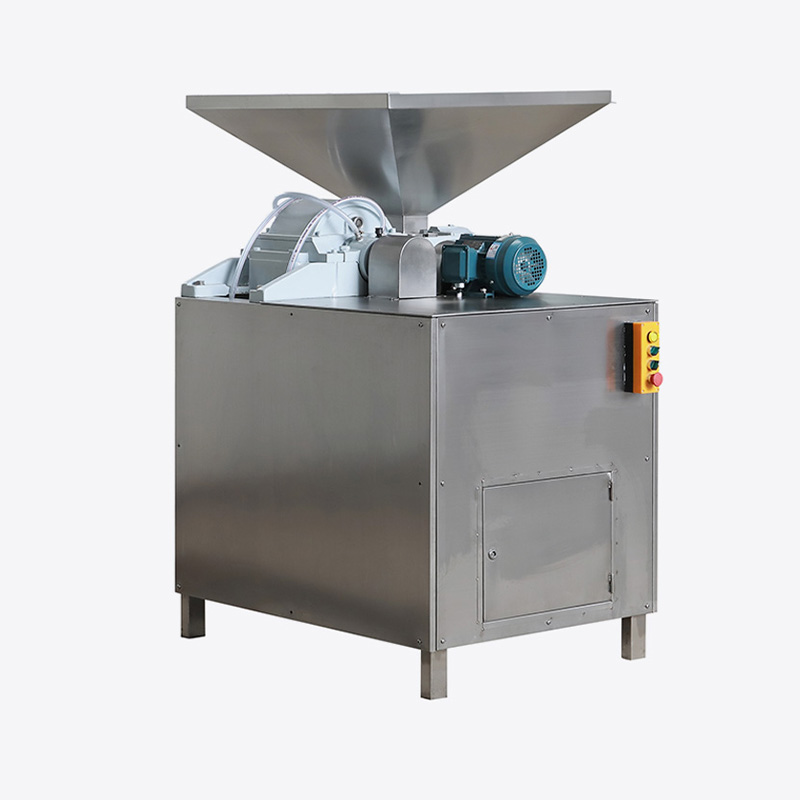
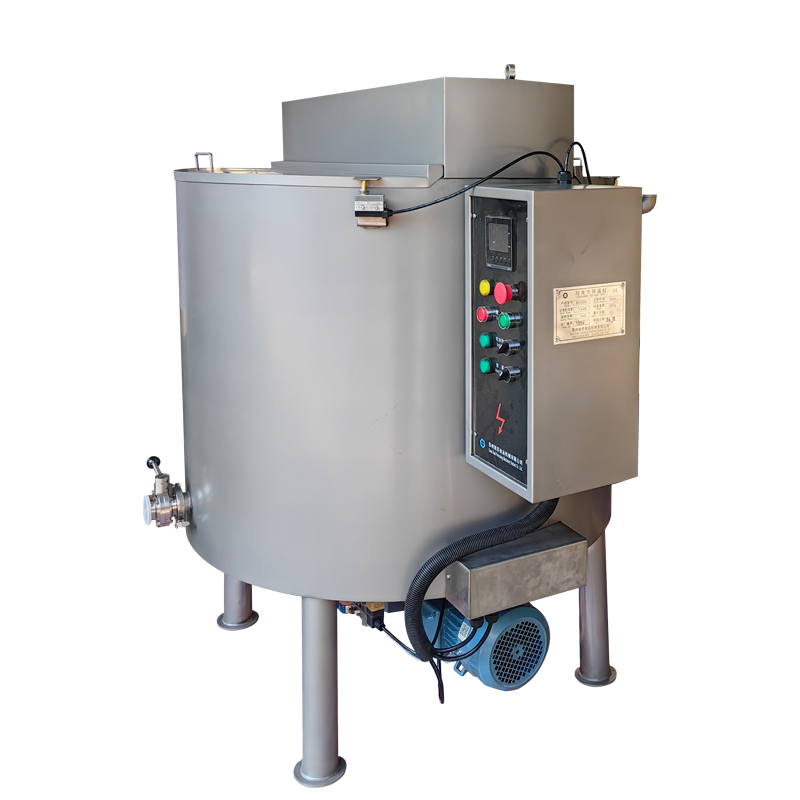
Chocolate that will become chunks must arrive at the forming stage in a workable, homogeneous state. Cocoa mass, cocoa butter, sugar, milk components and inclusions each behave differently until they are melted, mixed and brought to a consistent condition. Preparation equipment exists to take those inputs from storage form to a process-ready mass so that downstream machines do not fight uneven temperature, undissolved particles or stratified fat.
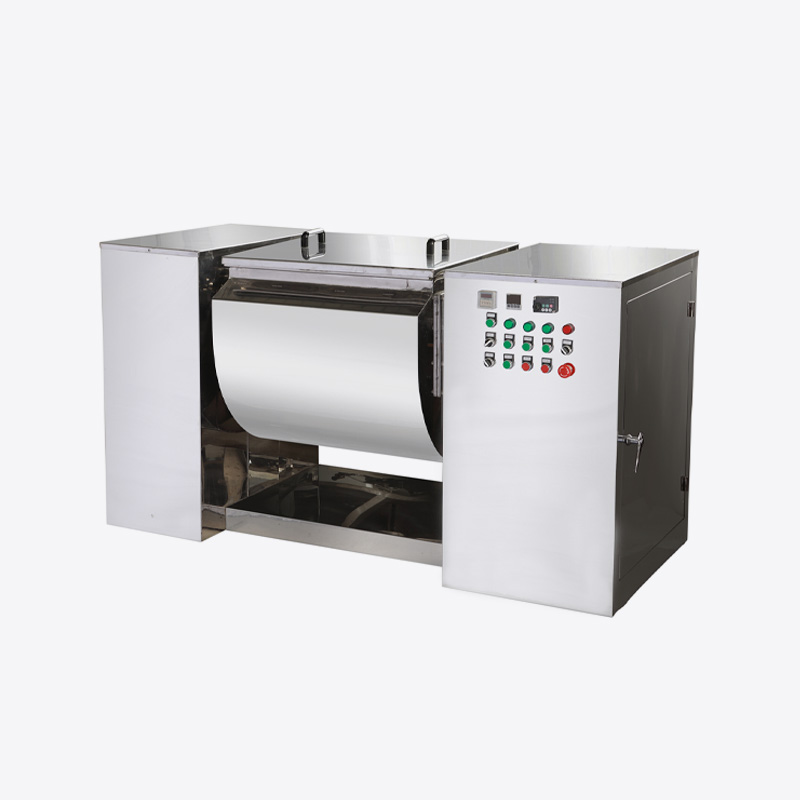
Melting and mixing units supply heat and agitation so that the mass becomes uniform enough for pumping or conveying into the next stage. Uniform preparation supports stable processing conditions: viscosity stays within a band the line can handle, and colour and texture variation between batches decreases. A Chocolate Chunks Production Line built as an integrated processing concept provides equipment solutions for preparing chocolate materials before forming, so that preparation is treated as a controlled step rather than an improvised kettle beside the former.
Chocolate Processing Equipment for Uniform Material Handling
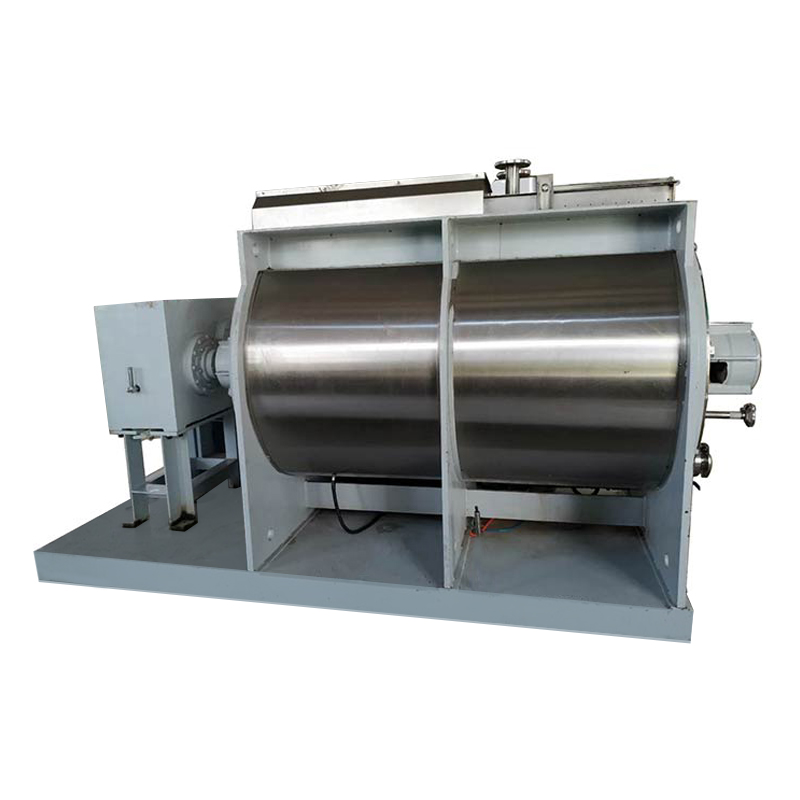
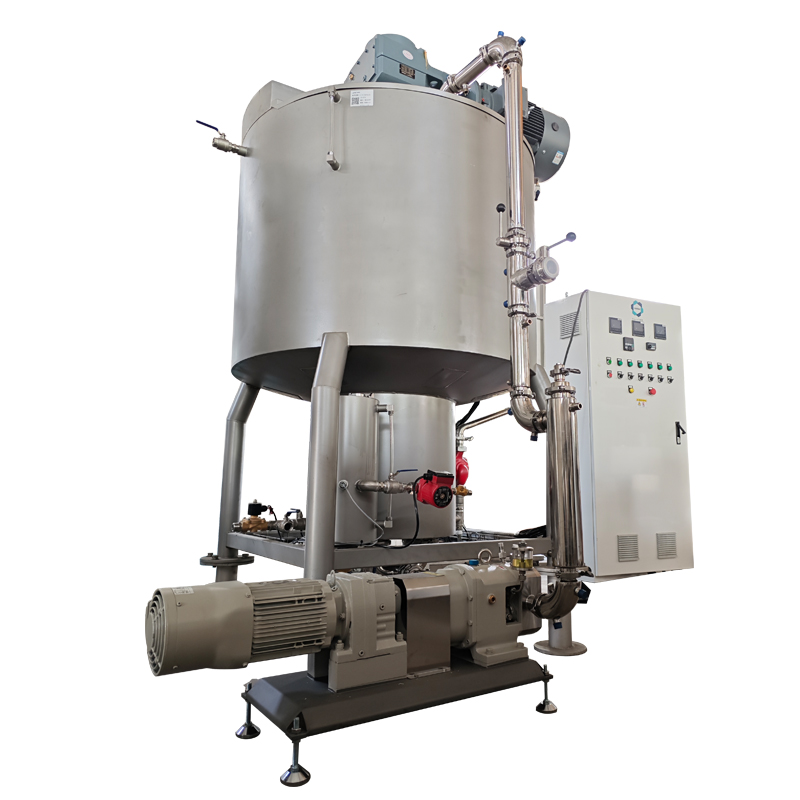
Once melted and mixed, the chocolate must move through the plant without separating or setting in the pipes. Industrial processing equipment holds the mass at a suitable working condition, keeps it moving and meters it toward forming. Flow and consistency matter because a mass that is too cool thickens and stalls, while a mass that is overheated can change flavour or behaviour in ways that affect the finished chunk.
Transfer between stages—preparation to forming, forming to cooling—depends on pumps, jacketed lines or intermediate vessels designed for chocolate service. Coordinated processing design supports continuous material handling throughout the production line when temperatures, residence times and cleanability are considered together. Professional Chocolate Making Equipment for this role is selected for how steadily it presents chocolate to the former, not only for nominal throughput on a nameplate.
Chocolate Chunk Forming Machine for Shape and Size Control
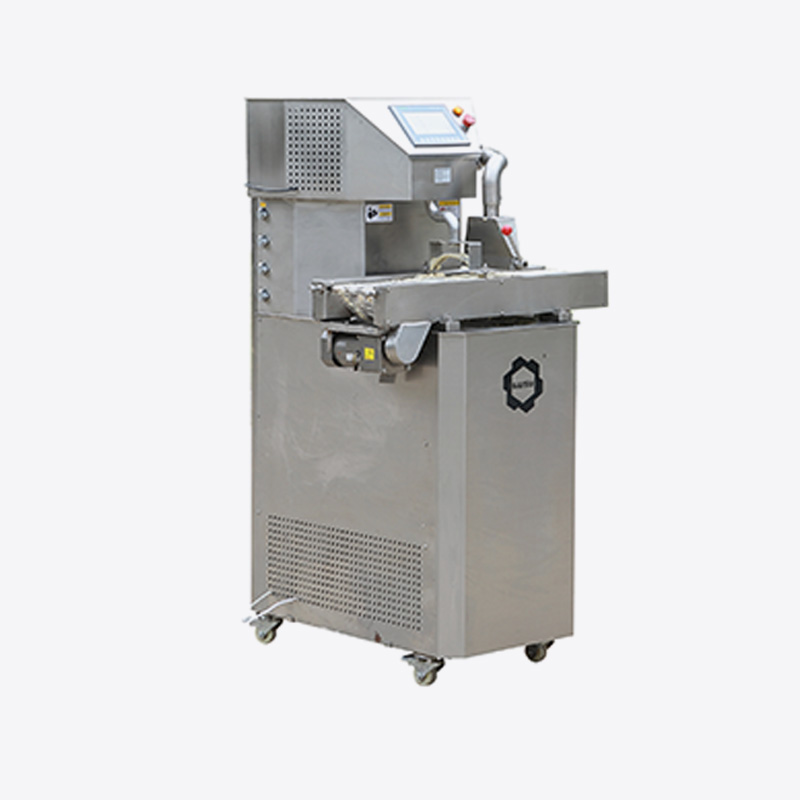
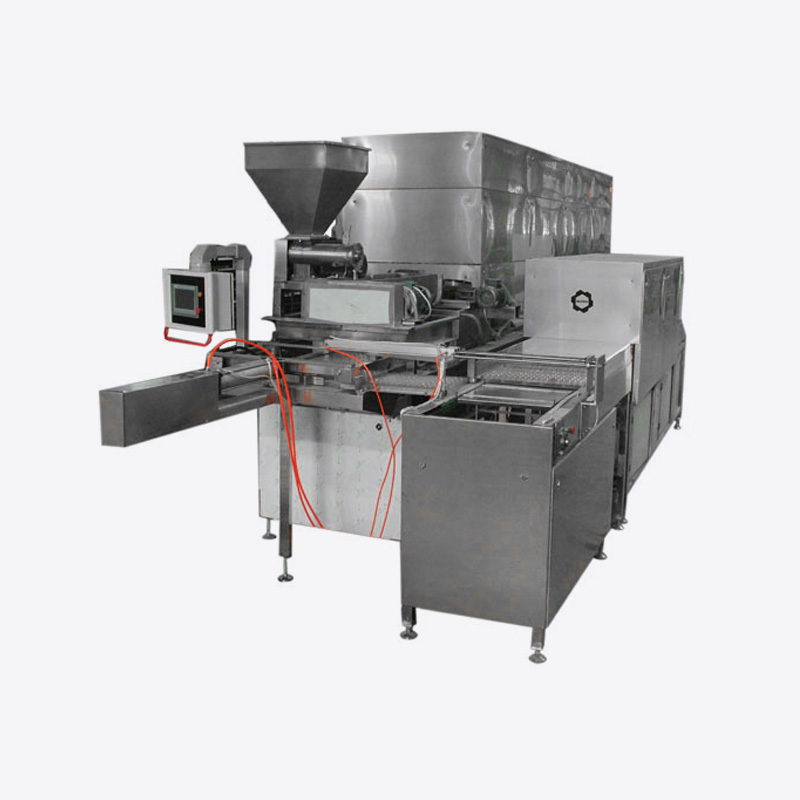
Forming equipment turns a continuous or metered chocolate stream into individual chunks with defined shape and size. Depending on configuration, that may involve depositing into moulds, cutting from a slab, or other mechanical portioning methods suited to the product design. Shape consistency and dimensional control determine how the chunks look in the bag, how they fit a target weight band and how easily they run on later packaging equipment.
Adjustable forming specifications help commercial producers change chunk size or format when retail or industrial customers ask for different SKUs, subject to the machine's actual adjustment range and tooling. A Chocolate Chunks Making Machine's forming capabilities are therefore judged by how repeatably it produces the intended geometry and by how practical it is to change or maintain the forming tools. Suitability for different specifications always remains configuration-dependent; not every former covers every chunk style.
Cooling Equipment for Chocolate Chunk Solidification After Forming
Formed chocolate is not finished until it has set. Cooling removes heat so that the chunk solidifies enough to demould, convey and pack without smearing or deforming. Controlled cooling influences surface appearance, snap and the risk of fat bloom later in storage when the chocolate has been properly tempered upstream and the cooler's climate is stable.
Cooling time must coordinate with forming output: too short a cool leaves soft centres; an oversized cool for a small former wastes space and energy. Production-line cooling-stage integration supports the transition from formed chocolate to solid chunks when belt speed, air temperature and zone layout match the product thickness and recipe. Cooling is a process step with its own settings, not merely a long table in a cold room.
Conveying and Collection Equipment for Finished Chocolate Chunks
Solid chunks need a path from the cooler to packing or to bulk totes. Conveyors, chutes and collection tables transfer product between stages and gather it for weighing or bagging. Organised collection reduces the need for staff to handle every piece by hand, which lowers breakage and keeps the product cleaner in a busy room.
Finished-product collection equipment prepares chunks for subsequent packaging when buffer capacity and discharge height suit the packing machines or manual packing stations downstream. Coordinated material transfer and collection design support organised factory production when spill points are minimised and access for cleaning is preserved. Conveying is easy to underestimate until bottlenecks appear at the end of an otherwise balanced line.
Integrated Equipment Configuration for Commercial Chocolate Production
Commercial manufacturers rarely succeed by parking unrelated machines in a row and hoping the mass transfers itself. Matching preparation, processing, forming, cooling and collection into one flow determines whether the plant runs steadily or stops for constant intervention. Equipment matching influences processing capacity, staffing and the factory layout required for hygiene and maintenance access.
Selecting configurations according to product specifications and output requirements keeps investment aligned with the real SKU mix—plain chunks, inclusion chunks, different sizes—rather than with a generic "chocolate line" idea. A Chocolate Chunks Production Line offered as an integrated manufacturing solution helps manufacturers organise multiple processing stages within one production system when engineering attention is paid to interfaces, not only to each machine in isolation. Industrial Chocolate Making Machine choices inside that line should be justified by the role each unit plays in the chunk process.
Stages and Equipment Roles on a Chunk Line
| Stage | Equipment role | Production focus |
|---|---|---|
| Raw material preparation | Melt, mix, homogenise | Uniform mass for downstream stability |
| In-process handling | Hold temperature; transfer mass | Continuous supply without separation |
| Chunk forming | Portion and shape | Size and geometry consistency |
| Cooling | Solidify formed pieces | Set product without deformation |
| Conveying and collection | Move and gather finished chunks | Low manual handling; pack-ready buffers |
| Line integration | Match capacities and interfaces | Steady flow; cleanable layout |
Specification Clarity Before Equipment Is Fixed
Useful line design starts with product definition: chunk dimensions, recipe family, inclusion content, target output and packaging format. Those inputs drive former selection, cooler length and transfer methods. Hygiene design, access for allergen cleaning and spare-parts practicality belong in the same discussion. Trial runs with the intended chocolate mass reveal interface problems that drawings alone do not show.
From Prepared Mass to Packed Chocolate Chunks
Commercial chocolate chunk production depends on preparation equipment, in-process handling, forming machines, cooling, conveying and collection, all coordinated as one system. The Chocolate Chunks Production Line and Chocolate Chunks Making Machine pairing emphasises integrated configuration, stage linkage, controlled forming and adaptable equipment layout for different production needs. Gusu Food Processing Machinery Suzhou Co.,Ltd. supplies chocolate processing equipment including chunk production line configurations. Review of product specifications, output targets, factory space and hygiene requirements against available line modules supports selection of a system suited to organised commercial chunk manufacture.