

 English
 Español

Picture a small chocolate workshop expanding its menu, adding a milk chocolate bar alongside their signature dark chocolate, then testing a batch with orange zest for the holidays. Buying a separate machine for every single recipe adds up fast, both in cost and floor space. A Ball Mill Chocolate Machine can genuinely support different chocolate recipes across plenty of production settings, but the real question worth asking is whether a specific machine and a specific set of recipes actually suit each other in practice.
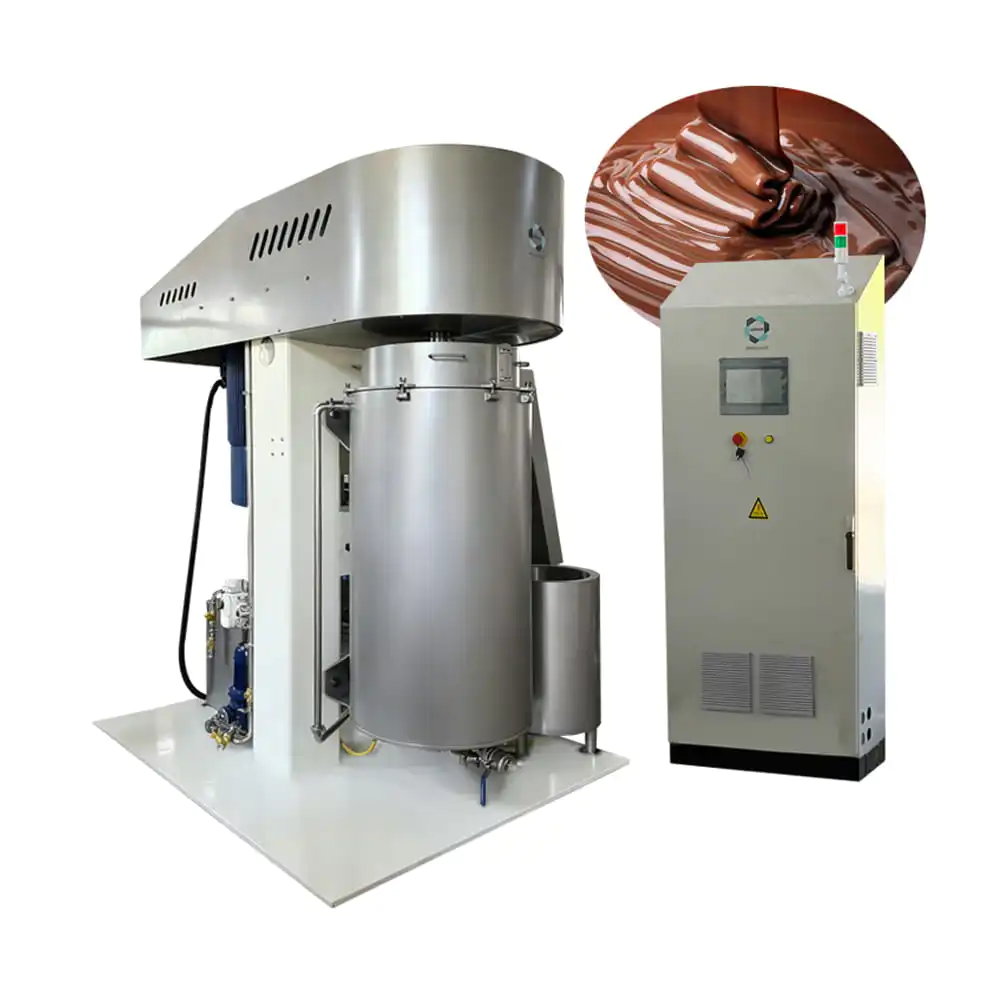
For buyers, this distinction carries real weight. A machine that handles one formulation smoothly might need a completely different operating approach once a second recipe enters the picture. The equipment has to fit the actual ingredients, the workflow already in place, the cleaning routine, and the texture a manufacturer is aiming for. Working through these factors before signing off on a purchase helps avoid picking equipment based purely on a general product description that sounds good on paper.
Content
- 1 What Actually Makes Different Chocolate Recipes Behave Differently
- 2 How a Ball Mill Chocolate Machine Actually Works With Different Formulations
- 3 Can One Machine Genuinely Process Dark, Milk, and White Chocolate
- 4 Why Cleaning Becomes Genuinely Important When Recipes Change
- 5 How Recipe Changeover Actually Affects Production Planning
- 6 Can a Ball Mill for Chocolate Making Handle Flavored Recipes
- 7 Does One Machine Need the Same Process for Every Single Recipe
- 8 What's the Actual Difference Between Ball Milling and Conching
- 9 What Buyers Should Genuinely Check Before Choosing One Machine for Several Recipes
What Actually Makes Different Chocolate Recipes Behave Differently
Chocolate recipes can share plenty of overlapping ingredients while still behaving in noticeably different ways once processing starts.
The balance between cocoa ingredients, sugar, milk components, fats, and any flavoring materials shapes how a mixture moves, blends together, and develops the texture someone's actually after. A recipe leaning heavily into cocoa character behaves differently from one built around more milk ingredients, while a flavored formulation brings its own extra considerations into changeover between batches.
None of this means every recipe automatically needs its own dedicated machine. It does mean manufacturers need a genuine understanding of how their specific formulations interact with whatever equipment they're using. The production process needs room for recipe-specific adjustment, rather than treating every single batch as if it were identical.
| Recipe Type | Main Thing to Watch During Production |
|---|---|
| Dark chocolate | Balance between cocoa and sugar |
| Milk chocolate | How cocoa and milk ingredients interact |
| White chocolate | Balance across fat, sugar, and milk components |
| Flavored chocolate | Extra ingredients and possible flavor carryover |
| Specialty recipes | How well it fits the planned process overall |
This reflects general production considerations rather than fixed rules carved in stone. Actual formulations vary a lot in practice, so equipment selection really needs to be grounded in the specific recipes a manufacturer actually plans to produce.
How a Ball Mill Chocolate Machine Actually Works With Different Formulations
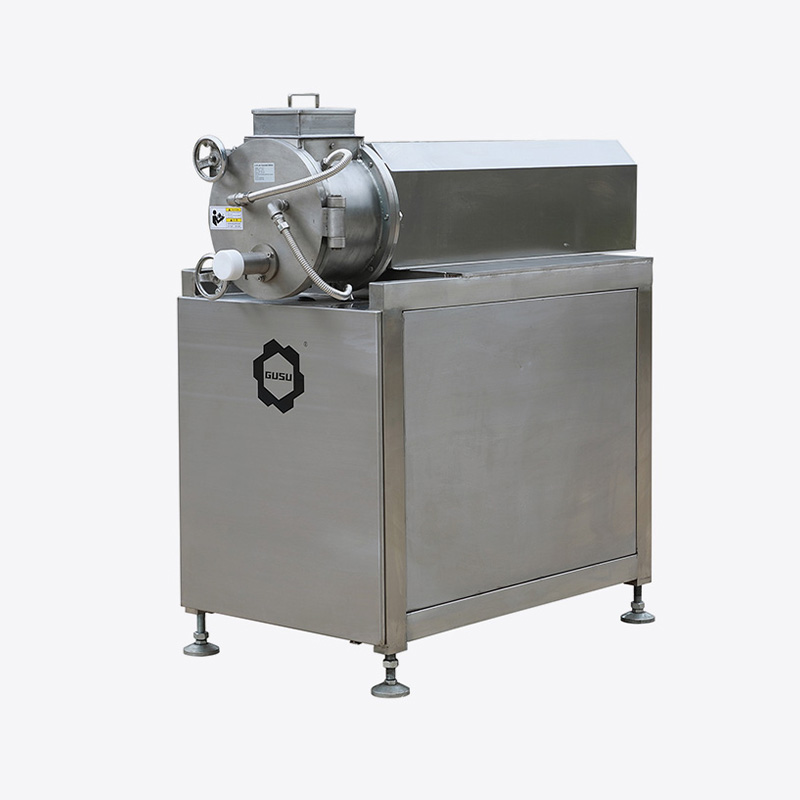
A ball mill processes chocolate ingredients through combined mixing and refining action. Ingredients move through the processing chamber while the machine distributes them and reduces particle size across the mixture. That process builds a smoother chocolate mass, ready to move into whatever production stage comes next.
A Ball Mill Machine for Chocolate proves genuinely useful when a manufacturer needs to process several compatible formulations through the same setup. The equipment provides a shared processing platform, while the actual recipe determines which ingredients go in and how that production process gets managed from start to finish.
Recipe flexibility doesn't mean every formulation should get pushed through in exactly the same way, though. Operators often need to think through ingredient order, how the mixture behaves under processing, the specific processing conditions, and the texture they're actually targeting for that finished chocolate. These decisions should follow both the recipe itself and whatever guidance the equipment manufacturer provides.
For buyers, it helps to think of the machine as one part of a bigger production system, rather than some isolated piece of equipment sitting on its own. How well it actually suits a business depends heavily on how well it fits into the complete workflow surrounding it.
Can One Machine Genuinely Process Dark, Milk, and White Chocolate
Within a properly set up production line, one machine can genuinely handle different chocolate styles when the formulations themselves are compatible with that equipment. Dark, milk, and white chocolate share some processing principles, sure, but their ingredient makeups aren't identical, and that difference shows up in handling and changeover requirements.
Dark chocolate tends to place heavier emphasis on cocoa ingredients and sugar. Milk chocolate brings in milk-based ingredients that shift the character of the whole mixture. White chocolate follows a different formulation entirely, leaning more heavily on cocoa butter, sugar, and milk components working together.
A machine might genuinely be capable of handling all three, but the production team still has to manage each recipe correctly on its own terms. Ingredient prep, the order things get added in, cleaning between runs, and any recipe-specific adjustments all deserve attention whenever a line switches from one product to another.
This matters especially for manufacturers running several products through the same production line back to back. A flexible machine cuts down on equipment duplication, sure, but only when the recipes and the actual production procedures get planned around that flexibility from the start.
Why Cleaning Becomes Genuinely Important When Recipes Change
Cleaning turns into a real practical concern the moment one machine gets used across several chocolate products. Small amounts of a previous formulation can linger on product-contact surfaces, especially when ingredients carry different flavors or compositions from one recipe to the next. If those leftover traces work their way into a later batch, they can throw off the character the new product is actually supposed to have.
This isn't purely about flavor carryover, either. Milk-containing recipes and other formulations often call for careful cleaning before switching to a different product. Manufacturers really benefit from setting up a changeover routine that follows both the machine's own cleaning guidance and whatever their own production standards require.
A workable changeover routine might include:
- Clearing remaining chocolate out of the processing area
- Cleaning accessible product-contact parts following the equipment's own instructions
- Checking the machine over before the next formulation goes in
- Getting the production area ready for that new recipe
- Logging any recipe-specific changeover notes for operators to reference later
A machine that's genuinely easy to access and maintain makes this whole process a lot more manageable day to day. Buyers really should weigh cleaning access seriously when evaluating equipment meant for multi-recipe production, rather than fixating purely on raw processing capability.
How Recipe Changeover Actually Affects Production Planning
Switching recipes shapes the rhythm of a production schedule more than people sometimes expect. When a manufacturer produces several chocolate varieties, the order those recipes get processed in affects both cleaning workload and how materials get handled through the day.
A well-thought-out schedule cuts down on unnecessary interruptions and gets more genuine use out of the same equipment across a shift.
A producer might organize recipes by ingredient profile and cleaning needs, for instance, rather than jumping between products in a random order that creates extra cleaning work. That kind of planning makes the whole production process a lot easier for operators to actually manage day to day.
A flexible production system also needs clear recipe identification built in. Ingredients for different products need staying organized enough that operators can tell one formulation apart from another during both prep and actual processing.
The machine itself is only one piece of this whole system. Storage, ingredient prep, cleaning, operator procedures, and scheduling all shape how genuinely practical multi-recipe manufacturing turns out to be in real daily operation.
For procurement teams, this means machine selection really benefits from involving production staff directly in the decision. Operators often spot changeover headaches that never show up on an equipment spec sheet.
Can a Ball Mill for Chocolate Making Handle Flavored Recipes
Flavored chocolate brings in another whole layer worth thinking through. Natural flavoring materials, spices, or other add-ins shift the character of the production process in ways plain chocolate doesn't. Some flavors can also linger noticeably if equipment isn't properly cleaned before the next recipe runs through.
A Ball Mill for Chocolate Making works fine for flavored formulations when the added ingredients are genuinely compatible with both the machine and the intended production method. The recipe itself, though, should determine exactly when and how those extra ingredients get introduced into the process.
Timing matters a lot here. When an ingredient gets added shapes how evenly it works its way into the chocolate mass. Operators really benefit from following the established recipe closely, rather than assuming every addition can just get dumped in at the same processing stage regardless of what it actually is.
Flavor changes also raise the stakes on cleaning quite a bit. A manufacturer running several flavored products through one line often needs to pay particular attention to changeover procedures, cutting down on any unintended flavor bleeding from one batch into the next.
That's exactly why buyers benefit from walking through their complete recipe range with equipment suppliers before committing to a purchase. The real question isn't just whether a machine can process chocolate generally. It's whether it can genuinely support the specific ingredients that actually go into a manufacturer's real product lineup.
Does One Machine Need the Same Process for Every Single Recipe
Using one machine across multiple recipes doesn't mean forcing every batch through an identical process. A shared equipment platform can support different products just fine, while the actual operating approach still shifts based on the formulation running through it at any given time.
That difference can touch ingredient prep, the sequence ingredients get added in, processing time, cleaning needs, and the texture a manufacturer is targeting for the finished product. None of these adjustments make a machine less flexible, honestly. They're just part of using shared equipment responsibly rather than carelessly.
| Production Area | Why Recipe Differences Actually Matter Here |
|---|---|
| Ingredient prep | Different ingredients often need different handling |
| Addition sequence | Shapes how well the mixture actually comes together |
| Processing approach | Needs to match the specific formulation |
| Cleaning | Helps stop unwanted carryover between batches |
| Changeover | Shapes workflow moving between different products |
Manufacturers really benefit from avoiding the trap of forcing every recipe into one fixed procedure just because the same machine happens to be doing the work. A stronger approach sets up a consistent operating framework while still leaving room for reasonable, recipe-specific adjustments along the way.
This also makes operator training a lot more straightforward. Staff can learn the machine's common functions while understanding clearly which parts of the process actually shift depending on the recipe running that day.
What's the Actual Difference Between Ball Milling and Conching
Chocolate production often runs through several distinct stages, and milling and conching genuinely shouldn't get treated as interchangeable operations. A ball mill focuses on mixing and refining the chocolate mass through its own particular processing method. Conching handles a separate stage entirely, one connected to developing chocolate's flavor and texture in a different way.
A Chocolate Conching Refining Machine ends up playing a genuinely different role within a production line because of this. Some manufacturers run separate equipment for these different stages, while other setups combine functions depending on the specific equipment design and what the product actually calls for.
Understanding this distinction helps buyers evaluate machines based on their actual production needs, rather than lumping every piece of chocolate equipment into one category. If a manufacturer wants a single machine supporting several recipes, thinking through exactly where that machine sits within the broader process matters just as much as its raw processing ability.
A typical workflow might run through:
- Preparing the raw ingredients
- Combining the main components together
- Refining the chocolate mixture through milling
- Developing texture and flavor through the appropriate follow-on stages
- Moving the finished chocolate mass into the next production step
The exact setup depends heavily on both the product and the equipment involved. What matters most is evaluating a ball mill based on the specific role it's actually expected to fill within that whole process.
What Buyers Should Genuinely Check Before Choosing One Machine for Several Recipes
Buyers weighing multi-recipe production really should start from their actual product range, not from a machine's marketing description. A machine that suits a narrow chocolate lineup might not hold up well against formulations with unusual ingredients or frequent flavor swaps. Understanding the recipes ahead of time gives a purchasing team a much clearer foundation for evaluating equipment properly.
A few questions worth working through during selection:
- Can the machine actually process the ingredient combinations planned for use?
- Is the internal design genuinely practical to clean?
- Can operators handle recipe changes without unnecessary complication?
- Does the machine fit smoothly into the existing production workflow?
- Are product-contact areas easy to reach for routine maintenance?
- Can the equipment support the chocolate texture actually being targeted?
- Do flavored or milk-containing recipes factor into the production plan?
- Does the supplier provide clear operating and cleaning instructions upfront?
Procurement teams also benefit from thinking ahead toward future product development. A manufacturer might start out with a small handful of recipes, then later add seasonal flavors, specialty formulations, or entirely new chocolate styles down the line. Equipment covering a genuinely useful range of applications provides real flexibility as that product lineup grows and shifts over time.
The real goal here isn't finding one machine capable of handling literally every imaginable recipe out there. The practical goal is identifying a machine that reliably supports the specific recipes a manufacturer actually plans to make.
When those recipes genuinely suit the equipment, a single Ball Mill Chocolate Machine becomes a genuinely useful piece of a flexible chocolate production workflow. Its real value comes from how well the equipment, the recipes, the cleaning practices, and the operator procedures all work together, not from the machine's name alone.