

 English
 Español

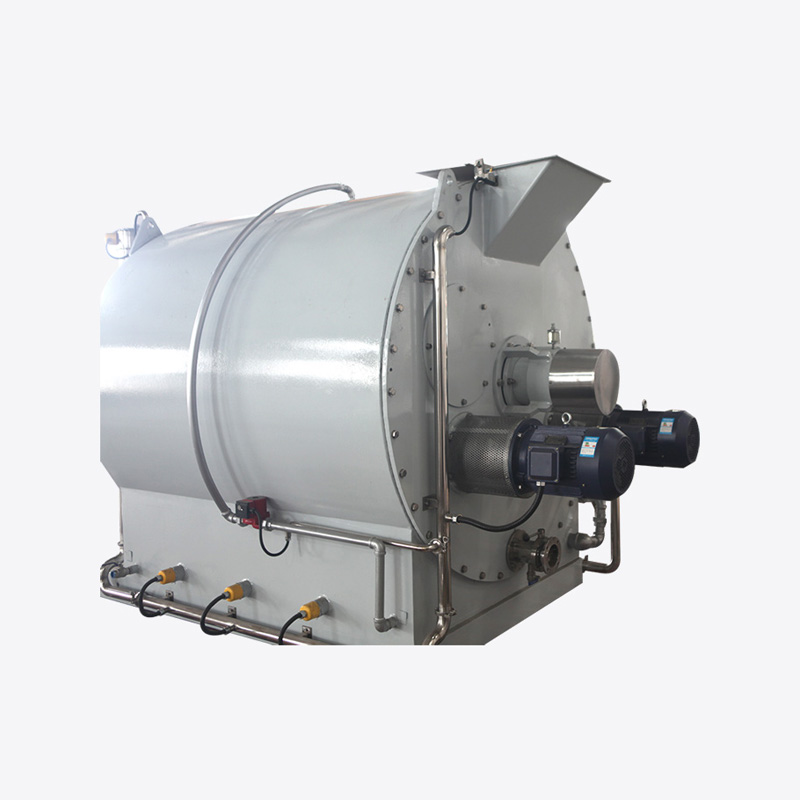
Ordering a new piece of chocolate processing equipment feels like the hard part is done, right up until the delivery truck shows up at a loading dock that's too narrow for the crate. Buying the machine is genuinely just one part of the whole equipment decision. Buyers also need to know whether their production area can actually accommodate the machine, whether supporting facilities are actually ready, and whether installation is going to throw a wrench into an existing workflow. A Ball Mill Chocolate Machine doesn't necessarily demand some complicated installation process, but it still needs a genuinely suitable working environment and careful prep work before operation actually begins.
This matters a lot whenever a chocolate producer plans a new production area or adds equipment onto an existing facility. Limited space, floor conditions that don't hold up, poor cleaning access, or unclear utility connections can all create real headaches once the machine actually arrives on site. These issues are almost always easier to sort out before installation than after production has already started running.
The practical move here is treating installation as genuine equipment planning, not an afterthought tacked on once the machine shows up. The machine itself, the surrounding workspace, utilities, cleaning access, material flow, and operator movement all need to work together as one system. Getting that right tends to make the transition into regular production feel a lot more organized, and cuts down on avoidable adjustments down the line.
Content
- 1 What a Ball Mill Chocolate Machine Actually Needs Before Installation
- 2 Does a Ball Mill Machine for Chocolate Need a Special Foundation
- 3 What Utility Connections Buyers Should Actually Prepare
- 4 How the Production Area Should Actually Be Arranged
- 5 Does Installation Actually Affect Cleaning and Maintenance
- 6 How Installation Fits Into a Broader Chocolate Production Line
- 7 Does a Chocolate Conching Refining Machine Need the Same Installation Approach
- 8 What Buyers Should Check Before the Machine Actually Arrives
- 9 Can Buyers Install a Ball Mill Chocolate Machine Themselves
What a Ball Mill Chocolate Machine Actually Needs Before Installation
The installation area needs prepping according to whatever the equipment manufacturer actually specifies. That space has to accommodate not just the machine itself, but the people who'll operate, inspect, clean, and maintain it day after day.
Floor conditions deserve real attention here too. A suitable installation surface provides a stable base for the equipment and genuinely fits the layout of the wider production area. Buyers really should avoid tucking the machine into a spot that makes routine access a hassle down the line.
The surrounding area carries just as much weight as the machine's own footprint. Operators need room to work safely around it, while maintenance staff often need access to specific parts of the machine during inspection or servicing.
Before delivery day rolls around, a few practical points are worth reviewing:
| What to Check | Why It Actually Matters |
|---|---|
| Available floor space | Provides room for both the equipment and daily operation |
| Floor condition | Supports a genuinely stable equipment placement |
| Access routes | Makes delivery and positioning a lot easier |
| Cleaning space | Allows for regular, unobstructed equipment care |
| Operator movement | Supports a workflow that actually makes sense |
| Maintenance access | Makes inspection and servicing manageable later |
None of these checks demand serious engineering knowledge. They're mainly about confirming the production environment genuinely matches what the equipment actually needs to run well.
Does a Ball Mill Machine for Chocolate Need a Special Foundation
Not every installation calls for a specially built foundation. What's actually required depends entirely on the machine's design, its operating conditions, and whatever the manufacturer's installation instructions actually spell out.
For buyers, it's worth avoiding two opposite assumptions here, that an ordinary floor is always good enough, or that a dedicated foundation is always necessary regardless. The right move is confirming the specific equipment's actual requirements before prepping the installation area at all.
A stable installation surface helps keep the machine properly positioned once it's actually running. If the floor turns out uneven, damaged, or genuinely unsuitable for the equipment, some additional prep work might be needed before the machine goes in.
That's exactly why site prep really should happen before the machine arrives at the door. If a production team discovers an unsuitable floor only after delivery, positioning the equipment gets a lot harder, and that tends to delay the whole production schedule in ways nobody wants.
The installation area also needs consideration alongside cleaning and maintenance needs. A machine crammed tightly against surrounding equipment might technically fit inside the room, yet still turn into a genuine hassle to service regularly.
Solid layout planning leaves enough working space around the machine without wasting valuable production floor area that could be used elsewhere.
What Utility Connections Buyers Should Actually Prepare
A ball mill needs the right utility connections to actually run. What's specifically required depends on the equipment's design, so buyers really should lean on the manufacturer's installation documentation rather than guessing based on assumptions from other machines.
Electrical supply stands out as one important consideration here. The production area needs a suitable connection prepped before installation day arrives. Any required supporting systems should also get identified well in advance.
Some production environments need additional arrangements tied to cooling, water, drainage, or other supporting functions. These requirements shift quite a bit between different machine designs and different production setups.
A useful checklist to work through beforehand:
- Confirm the electrical requirements directly with the equipment supplier
- Identify any water or cooling requirements specific to that machine
- Check whether drainage is needed in the planned location
- Confirm exactly where supporting equipment will sit
- Make sure utility connections stay reachable without blocking operators
- Arrange professional installation wherever that's actually required
None of this is about creating some overly complicated installation procedure. It's really about avoiding a situation where the machine shows up on site, but the production area itself isn't actually ready to support it.
How the Production Area Should Actually Be Arranged
Where a machine ends up positioned affects everyday production more than buyers sometimes expect going in. A poor layout can force operators into moving materials around unnecessarily, or make cleaning genuinely harder than it needs to be.
A sensible arrangement thinks through how ingredients actually enter the production process and where the processed chocolate needs to go afterward. The ball mill should slot naturally into that whole sequence rather than sitting off to the side awkwardly.
For instance, if ingredient prep happens in one area and another processing stage follows right after the ball mill, positioning that machine so material movement stays practical really matters. Operators shouldn't have to cross unnecessary paths back and forth just to move product from one stage into the next.
Layout also needs to account for cleaning materials and routine inspection work. These things need staying accessible without getting in the way of normal daily production.
| Area | What to Ask |
|---|---|
| Ingredient side | Can materials reach the machine without hassle? |
| Operator side | Can staff actually work around the machine comfortably? |
| Cleaning side | Is there enough room for routine cleaning access? |
| Maintenance side | Can service areas actually be reached when needed? |
| Output side | Can processed chocolate move smoothly to the next stage? |
This kind of planning matters especially for smaller facilities where floor space runs tight. A compact room demands more attention to movement, since every part of the layout ends up affecting another part right next to it.
Does Installation Actually Affect Cleaning and Maintenance
Installation and maintenance stay closely tied together in practice. A machine might run perfectly fine right after installation, yet poor positioning can still make routine cleaning or inspection genuinely inconvenient down the road.
Chocolate processing equipment needs regular care because product residue tends to linger on contact surfaces over time. Operators need reasonable access to whatever areas actually require cleaning. Maintenance staff need access to relevant components too, whenever inspection or servicing comes up.
A Ball Mill Machine for Chocolate really should get installed with its future maintenance needs already in mind. Buyers shouldn't just focus on whether the machine physically fits into the room and call it done.
A practical installation plan leaves space around the equipment for:
- Routine cleaning
- Visual inspection
- Removing accessible components when needed
- General maintenance work
- Operator movement around the machine
- Handling cleaning materials nearby
The exact access requirements should come straight from the equipment documentation. Different machine designs call for genuinely different service arrangements.
This is also where production planning becomes genuinely important. If cleaning requires approaching the machine from one particular direction, that space needs to stay clear even after nearby equipment gets installed around it.
How Installation Fits Into a Broader Chocolate Production Line
A ball mill rarely gets considered as something totally independent from the rest of the chocolate production process. It often sits between ingredient prep and another stage of chocolate processing further down the line.
The installation position should genuinely reflect the role that machine plays within the wider workflow surrounding it.
A typical production arrangement might involve ingredient prep, mixing, refining, further processing, storage, or packaging. The exact sequence shifts depending on the specific product and facility involved.
A machine placed too far from the previous stage can make material handling genuinely inconvenient. A machine placed too close to another unit might end up restricting operator access instead.
That's exactly why buyers benefit from mapping out the production flow before deciding where the machine actually goes. Even a simple floor plan sketched out on paper can reveal potential problems before they turn into real headaches.
The real goal here is making movement of both materials and people predictable throughout the space. When operators can follow the production path easily, daily work gets a lot easier to organize and keep running smoothly.
The installation plan should also leave room for future equipment. A facility might later add another processing unit, storage area, or packaging station down the line. Leaving reasonable flexibility in the layout now makes those future changes a lot less disruptive.
Does a Chocolate Conching Refining Machine Need the Same Installation Approach
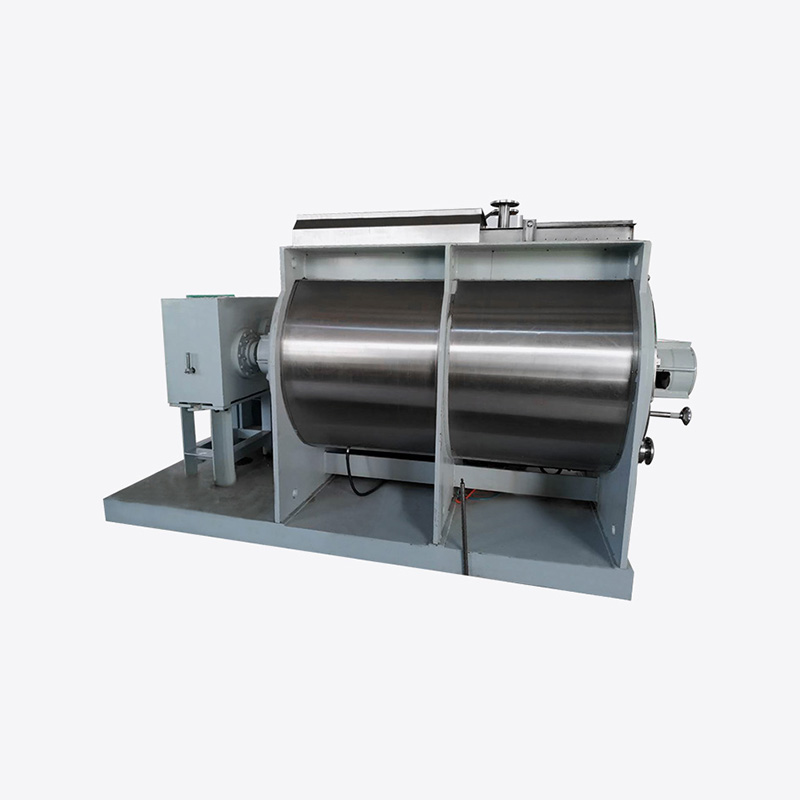
Different chocolate processing machines carry genuinely different installation needs. A Chocolate Conching Refining Machine, for example, plays a different role than a ball mill and might come with different space, utility, cleaning, or workflow requirements entirely.
Buyers really should avoid treating all chocolate equipment as interchangeable from an installation standpoint. Each machine's production role shapes where it should actually sit and what supporting facilities it genuinely needs around it.
If a facility runs several machines together, the installation plan needs to consider the whole process, rather than installing each unit as its own isolated project separate from everything else.
That review might involve looking at:
- How materials actually move through the space
- Operator access across the whole line
- Cleaning procedures for each piece of equipment
- Utility connections throughout
- Maintenance areas for each machine
- How product transfers between different stages
A coordinated layout helps prevent one machine from accidentally blocking access to another sitting nearby.
This becomes especially relevant when upgrading an existing facility. The available space often already contains equipment, storage areas, and working stations. New equipment needs to fit into that existing environment without creating unnecessary obstacles for everyone working there.
What Buyers Should Check Before the Machine Actually Arrives
Prep work done before delivery day tends to make the whole installation process a lot smoother once the machine actually shows up. Buyers really benefit from communicating directly with the equipment supplier about site requirements, confirming exactly which tasks need handling locally beforehand.
A checklist that helps organize this prep:
| Task | Why It Matters |
|---|---|
| Confirm machine dimensions | Helps plan out the installation location properly |
| Check delivery access | Supports moving the equipment into the facility smoothly |
| Prepare the floor | Provides a genuinely suitable installation surface |
| Confirm utilities | Ensures the necessary connections are actually available |
| Review cleaning access | Supports routine equipment care going forward |
| Plan operator space | Makes daily operation a lot more practical |
| Review maintenance access | Allows for future inspection and servicing without hassle |
Delivery access gets overlooked pretty easily. A machine might fit the production room perfectly, yet still be genuinely difficult to move through doors, corridors, or other tight, restricted spaces along the way.
The route from the unloading point to the final installation position really deserves thought before delivery day arrives. If the equipment is large or hard to move by hand, arranging proper handling equipment in advance saves a lot of stress on the actual day.
The installation team should also have the manufacturer's documentation on hand throughout. That gives them the information needed to position and connect the equipment correctly the first time around.
Can Buyers Install a Ball Mill Chocolate Machine Themselves
Whether self-installation makes sense really depends on the specific machine design and whatever the manufacturer's own instructions actually call for. Some basic positioning tasks might be genuinely straightforward, while electrical or other utility connections often need qualified professionals handling them instead.
Buyers shouldn't treat installation as a purely mechanical task that anyone handy can knock out over a weekend. Incorrect connections or improper positioning can create real operating problems and may even affect equipment safety down the line.
Professional installation also helps confirm the machine has actually been positioned and connected according to the intended procedure from the start. That's especially useful when the equipment forms part of a larger production line with several interconnected pieces.
The safer approach throughout stays following the supplier's installation requirements closely and bringing in qualified personnel for any tasks that genuinely call for specialist knowledge.
Operators should also get proper instruction before regular production actually kicks off. They need a real understanding of the machine's normal operation, cleaning procedure, shutdown process, and basic day-to-day care requirements.
A well-prepared installation isn't just about getting the machine powered on and running for the first time. It builds the actual working conditions operators need to use and maintain that equipment properly over months and years of regular use ahead.