

 English
 Español

Content
Ensuring Quality and Efficiency in Chocolate Chip Production
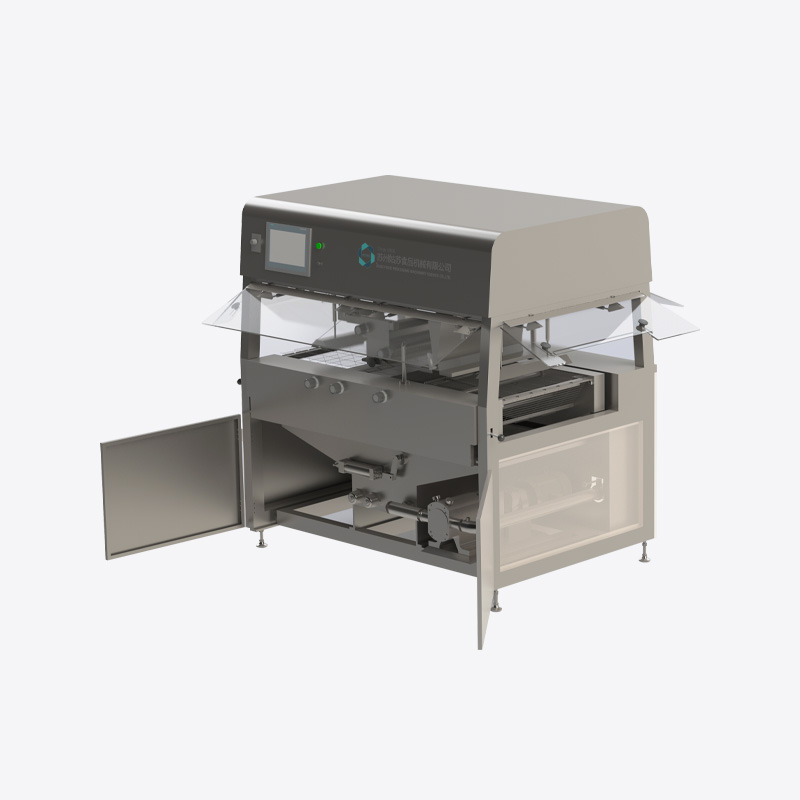
Operating a chocolate chips machine requires more than just pressing start; it demands a deep understanding of chocolate rheology and mechanical precision. The key to success lies in maintaining consistent tempering and machine calibration. Properly operated machines can reduce waste by up to 15% and ensure every chip meets strict quality standards for shape, weight, and gloss.
This article provides practical guidance on troubleshooting common issues, optimizing machine settings, and implementing quality control measures. These insights help manufacturers minimize downtime and maximize product consistency.
Common Operational Challenges and Solutions
Even the most advanced chocolate chips machines can encounter issues. Identifying the root cause quickly is essential to maintain production flow and product quality.
Irregular Chip Shape and Weight
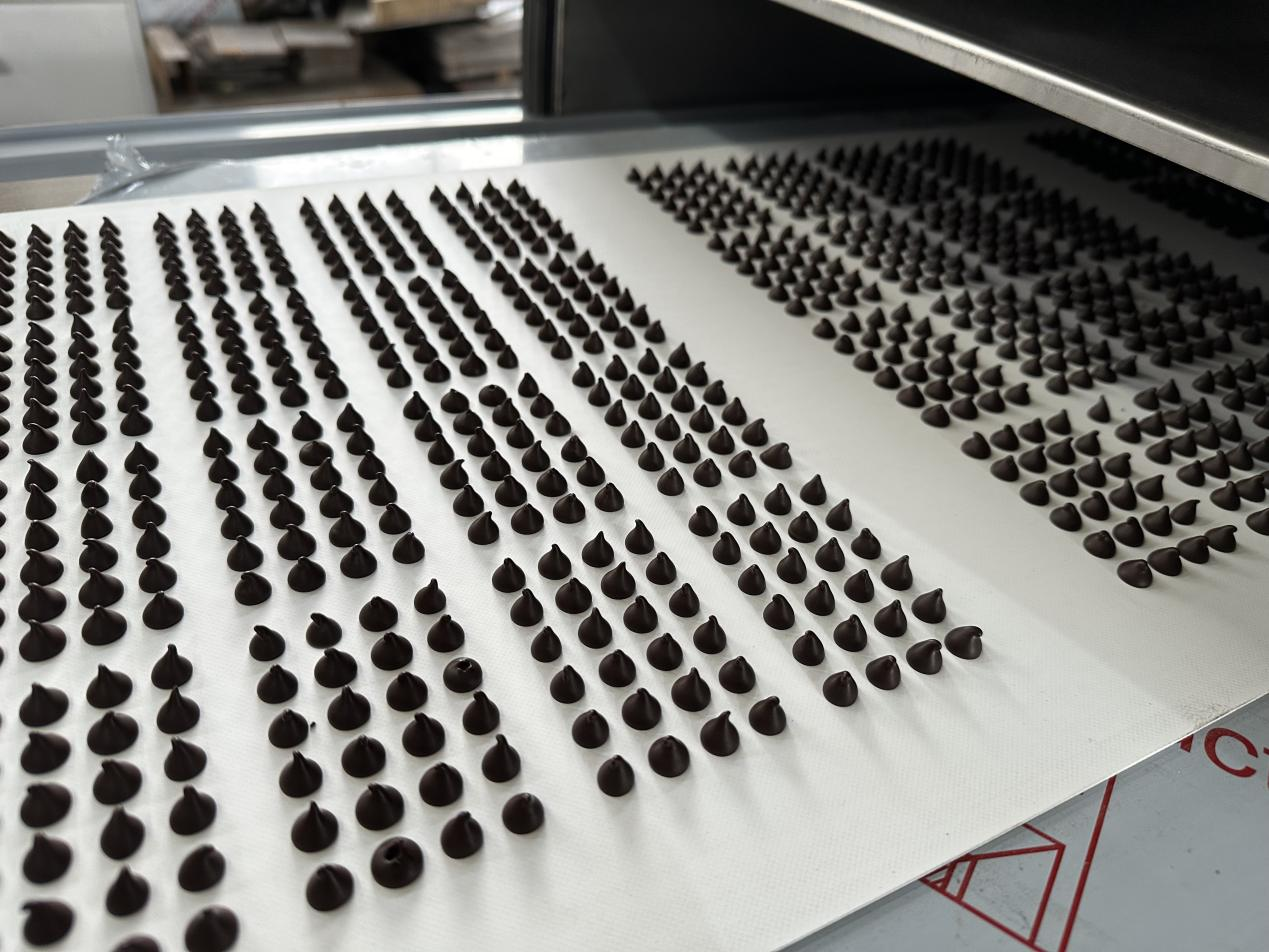
Inconsistent chip shapes often result from incorrect tempering or nozzle blockages. If the chocolate is too cool, it will not flow smoothly, leading to tailing or misshapen drops. If too warm, it will spread out on the belt, losing its defined shape. Regularly check the temper meter readings and ensure the hopper temperature is maintained within ±0.5°C of the target. Clean nozzles frequently to prevent partial clogs that disrupt flow patterns.
Surface Bloom and Poor Gloss
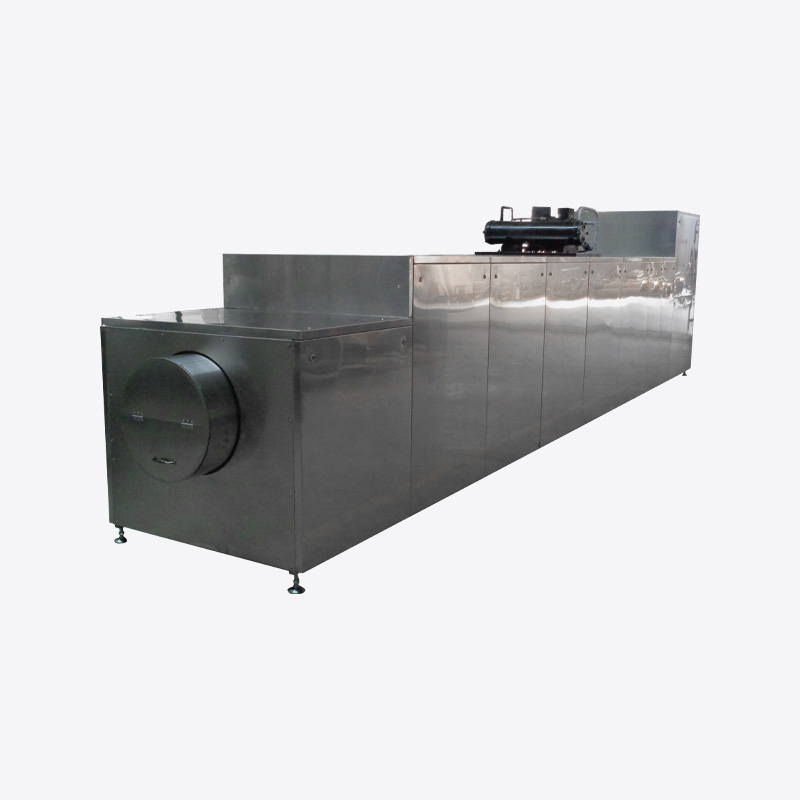
Bloom, a whitish coating on the chocolate surface, indicates improper crystallization. This can be caused by inadequate tempering or rapid temperature changes during cooling. Ensure the cooling tunnel has a gradual temperature gradient, starting at around 15°C and ending at 10°C. Avoid exposing the chips to sudden cold shocks, which can cause fat bloom. Properly tempered chocolate should have a snap and a glossy finish.
| Issue | Possible Cause | Solution |
|---|---|---|
| Tailing | Chocolate too cold/viscous | Increase hopper temperature |
| Spreading | Chocolate too warm | Decrease hopper temperature |
| Bloom | Poor tempering/cooling | Check temper curve and tunnel zones |
Optimizing Machine Settings for Different Chocolates
Different chocolate formulations require specific machine settings to achieve optimal results. Understanding these nuances allows for greater flexibility in product development.
Dark vs. Milk Chocolate
Dark chocolate typically has a higher viscosity and requires slightly higher operating temperatures than milk chocolate. Adjust the pump speed and nozzle size accordingly to maintain consistent weight. Milk chocolate, being more sensitive to heat, may require faster cooling times to set properly. Experiment with small batches to fine-tune settings for each formulation.
Compound Coatings
Compound coatings, which use vegetable fats instead of cocoa butter, do not require tempering. However, they are sensitive to cooling rates. Too rapid cooling can cause cracking, while too slow cooling can lead to softness. Adjust the cooling tunnel speed and temperature to match the specific melting point of the compound fat. Compounds generally allow for higher production speeds due to faster setting times.
- Viscosity Adjustment: Use lecithin or cocoa butter to adjust flow properties if needed.
- Nozzle Selection: Choose nozzle diameters that match the desired chip size and chocolate viscosity.
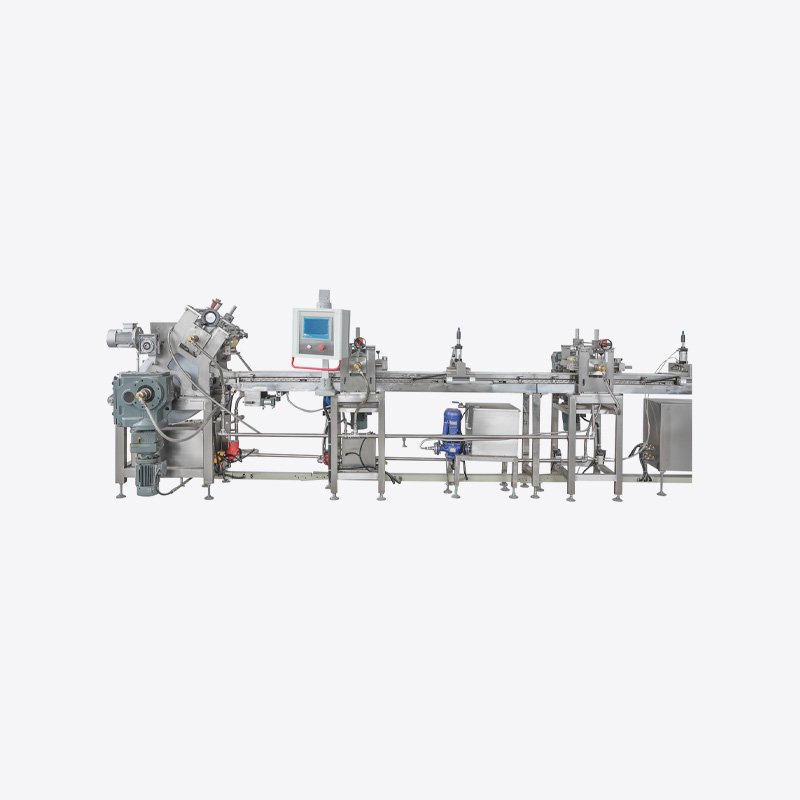
- Belt Speed: Synchronize belt speed with deposition rate to prevent overlapping or spacing issues.
Quality Control and Consistency Metrics
Implementing rigorous quality control protocols ensures that every batch of chocolate chips meets customer expectations. Consistent monitoring helps identify trends and prevent deviations before they become significant issues.
Weight and Dimension Checks
Regularly sample chips from the production line to measure weight and dimensions. Use digital scales and calipers to verify that values fall within acceptable tolerances. Automated checkweighers can be integrated into the line for real-time monitoring and rejection of out-of-spec products. Maintaining tight control over weight ensures cost efficiency and customer satisfaction.
Sensory and Visual Inspection
Conduct sensory evaluations to assess taste, texture, and appearance. Check for signs of bloom, discoloration, or surface defects. Visual inspection systems can detect minor imperfections that human eyes might miss. Documenting these findings helps in refining machine settings and improving overall product quality. Consistent quality builds brand reputation and loyalty.