

 English
 Español

Content
- 1 What a Chocolate Coating Machine Actually Does
- 2 Panning vs Belt Coating vs Enrobing: The Real Differences
- 3 Matching the Machine to Your Product
- 4 Why Temperature Control Decides Gloss and Snap
- 5 Key Components That Determine Coating Consistency
- 6 Capacity Planning: From Desktop to Industrial Lines
- 7 Common Coating Defects and Their Fixes
What a Chocolate Coating Machine Actually Does
Walk onto any confectionery line and you'll spot the coating stage immediately — it's where bare centers, whether nuts, biscuits, or candy cores, disappear under a smooth shell of chocolate and come out the other side looking finished. A chocolate coating machine handles that transformation mechanically: it moves product through liquid chocolate at a controlled temperature, applies an even layer, and sets that layer before the next process step.
The category covers more ground than the name suggests. Rotating drum panners, belt-style coaters, and curtain enrobers all fall under it, and each does the job differently enough that picking the wrong one creates real production headaches — uneven shells, high chocolate waste, or products that simply can't be coated at all.
Panning vs Belt Coating vs Enrobing: The Real Differences
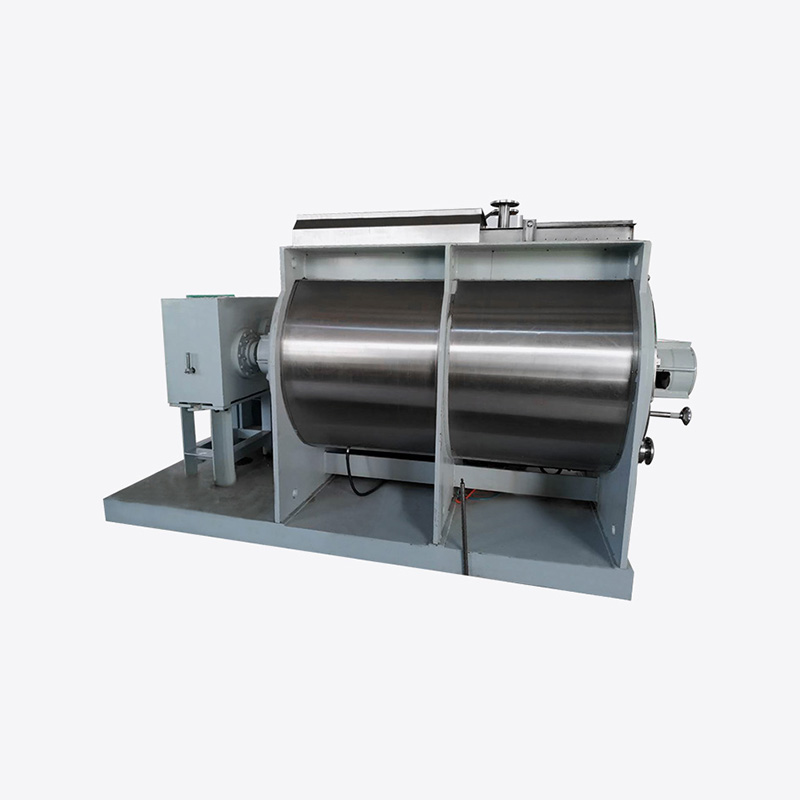
Panning uses a rotating drum. Free-flowing centers — almonds, raisins, malt balls — tumble inside while chocolate is ladled or sprayed on in stages, building up thickness layer by layer with cool air drying each pass. It's slower than continuous methods, but it gives operators tight control over shell thickness and lets them build multi-layer or textured finishes that a single-pass system can't replicate.
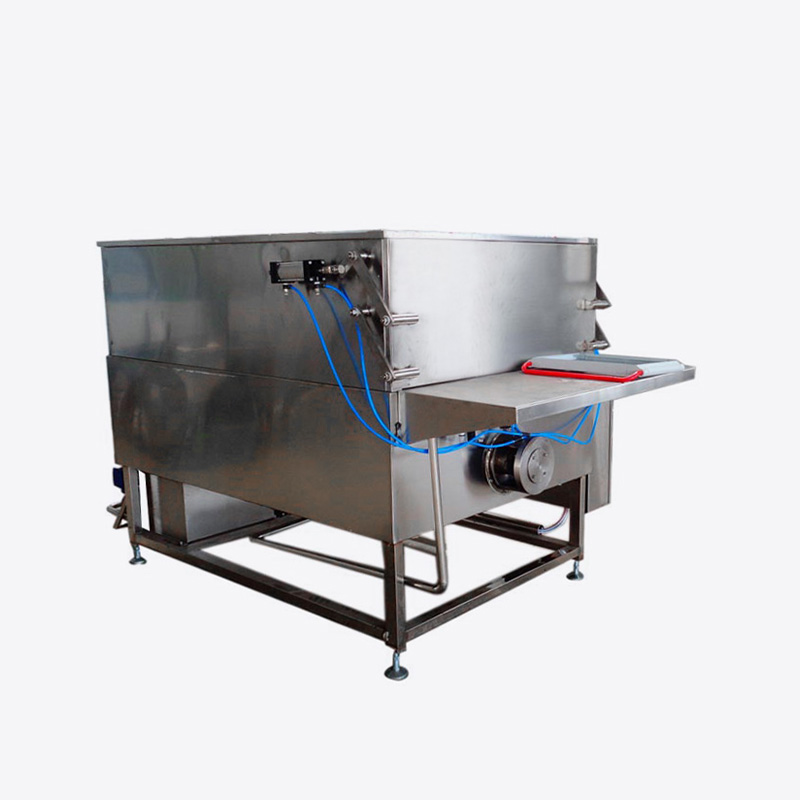
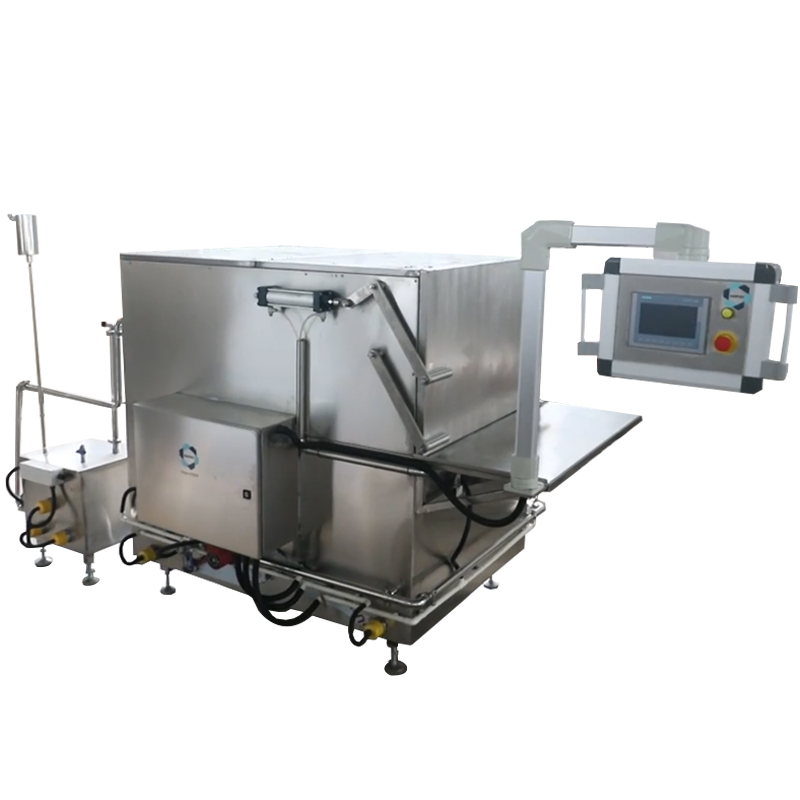
Belt coating and enrobing both move product on a conveyor through a falling curtain of tempered chocolate in one continuous pass. The difference between the two is mostly scale and integration: an enrober is typically the larger, fully automatic version built into a production line, while a compact belt coater like the continuous belt-style chocolate coating unit suits mid-volume runs that still need consistent single-pass coverage.
Neither approach is objectively better. Panning wins on flexibility and layering; enrobing wins on speed and uniformity across flat or fixed-shape products. The right choice depends entirely on what you're coating.
Matching the Machine to Your Product
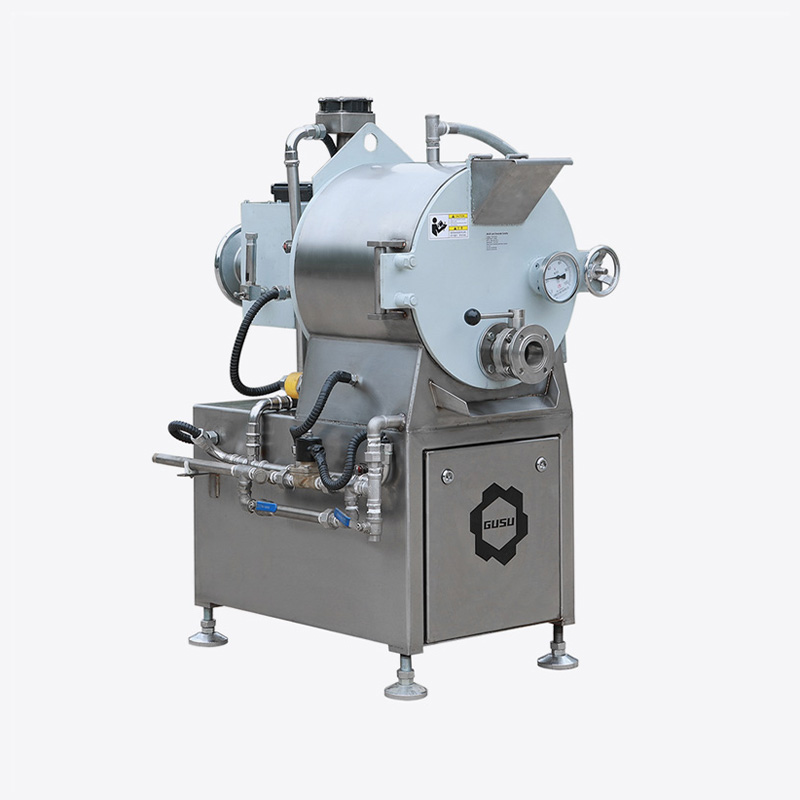
Free-flowing, roughly round centers — nuts, dried fruit, small candies — tumble well in a drum, which makes panning the natural fit. A compact coating pan built for small-batch nut and candy coating handles this range without demanding a full production line.
Flat, fragile, or fixed-shape items — bars, biscuits, wafers — behave badly in a tumbling drum. They need a flat conveyor and single-pass coverage, which points toward an enrober. An automatic enrober with an integrated cooling tunnel keeps the coating and setting stages connected, which matters for products that can't be handled twice without marking the surface.
Sticky fillings, partially soft centers, or anything that would clump in a drum generally rule out panning altogether — a curtain-style machine is the only practical route.
| Product type | Recommended method |
|---|---|
| Nuts, dried fruit, small candies | Panning |
| Bars, biscuits, wafers, slabs | Belt coating / enrobing |
| Sticky or soft-filled centers | Enrobing (avoid panning) |
| Small-batch, multi-layer builds | Panning |
Why Temperature Control Decides Gloss and Snap
The finish on a coated product — the glossy shell, the clean snap when you break it — comes down to how the cocoa butter inside the chocolate crystallizes, not just how the machine applies it. Cocoa butter can set into several different crystal structures, and only one of them produces the smooth, stable surface that customers associate with quality chocolate. Peer-reviewed research on cocoa butter crystallization has shown that even chocolate that reaches the correct crystal form can still vary in gloss and mechanical strength depending on how the surface microstructure develops during cooling.
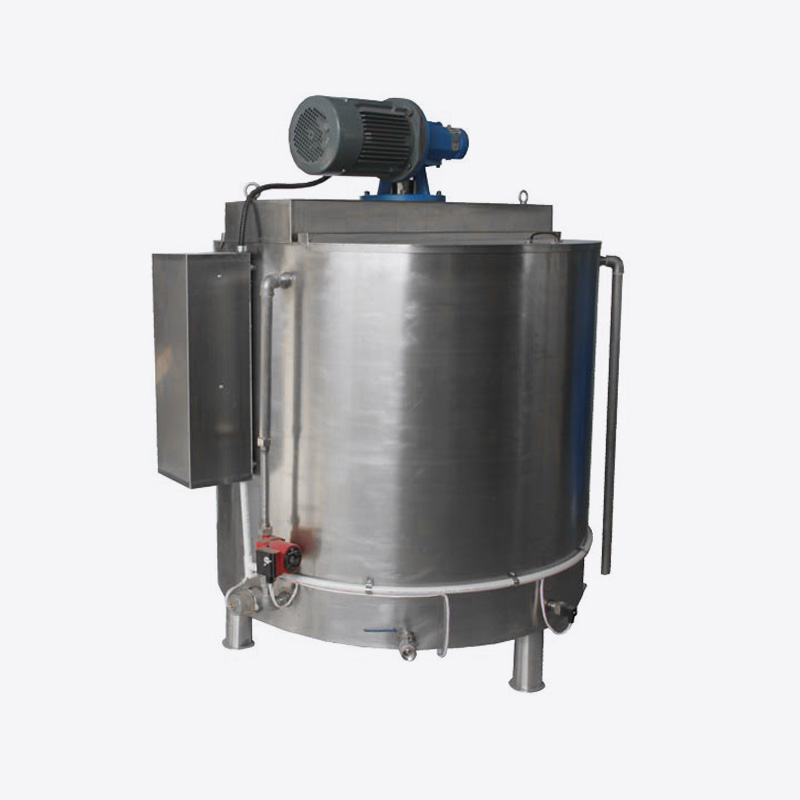
That's the practical reason machine-level temperature control matters so much. A coating machine that can't hold the chocolate within a tight range through melting, coating, and cooling will produce inconsistent shells even if every other setting is correct. A tempering unit with automatic temperature control feeding the coating stage removes most of the guesswork operators would otherwise handle manually.
Key Components That Determine Coating Consistency
Strip any chocolate coating machine down and a handful of components decide whether the output looks professional or patchy.
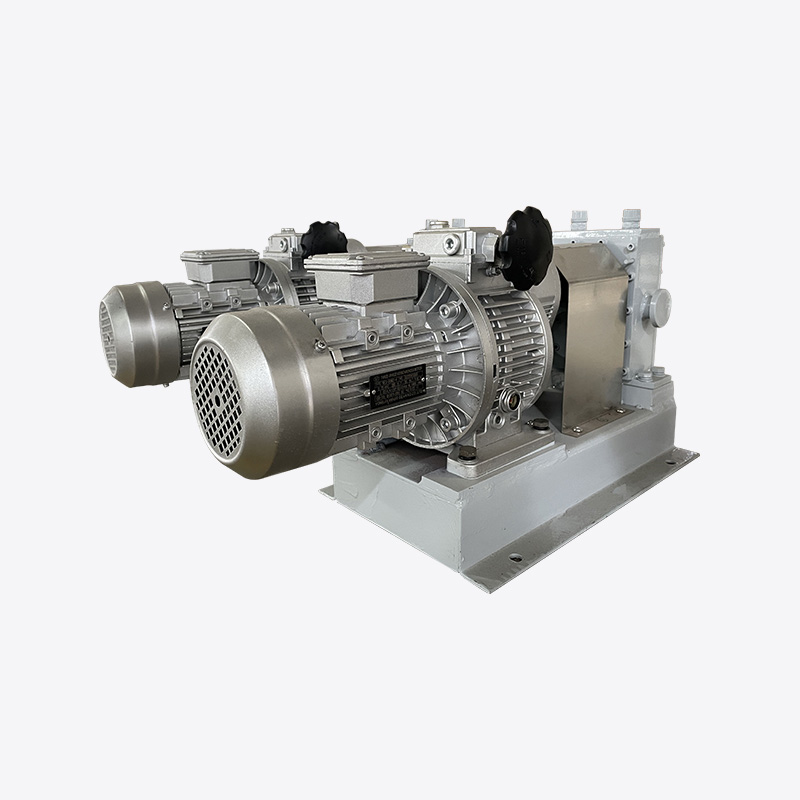
- Chocolate circulation and pump system — keeps the coating material moving and at even temperature instead of settling or skinning over in the reservoir.
- Curtain or spray head — controls how evenly chocolate lands on the product before excess drains off.
- Vibration or blow-off station — removes surplus chocolate so the finished shell doesn't run thick at the base.
- Cooling section — sets the coating quickly enough to lock in gloss before the product moves to packing. A dedicated stainless steel cooling tunnel is standard on most integrated lines for this reason.
- HMI and PLC controls — let operators lock in temperature, speed, and cycle settings so results repeat batch after batch instead of drifting with each run.
Capacity Planning: From Desktop to Industrial Lines
Coating machines scale from countertop units producing a few kilograms per hour to industrial belt coaters running continuous shifts. Buying more capacity than the line needs wastes floor space and capital; buying too little turns coating into the bottleneck that slows everything upstream and downstream.
A useful rule of thumb: match the coating stage's throughput to your slowest upstream process, whether that's depositing, molding, or roasting, rather than to your sales targets alone. Scaling up later is usually easier than running an oversized machine at a fraction of its rated capacity from day one.
Common Coating Defects and Their Fixes
Most coating problems trace back to one of three causes: temperature, timing, or moisture.
- Dull or streaky finish — usually a tempering issue. Chocolate that wasn't properly pre-crystallized before coating sets into an unstable crystal form and loses gloss.
- Bloom (white, powdery patches) — often caused by temperature swings after coating, or moisture condensing on the product before or during the coating stage.
- Uneven thickness — points to inconsistent product feed speed or a curtain/spray head that isn't distributing chocolate evenly across the full width of the line.
- Coating that won't set — check cooling tunnel temperature and dwell time first; undersized cooling for the line's throughput is the most common culprit.
Most of these issues are process problems, not equipment failures, which is why consistent temperature control and correctly matched machine capacity solve more coating defects than any single adjustment on the line.