

 English
 Español

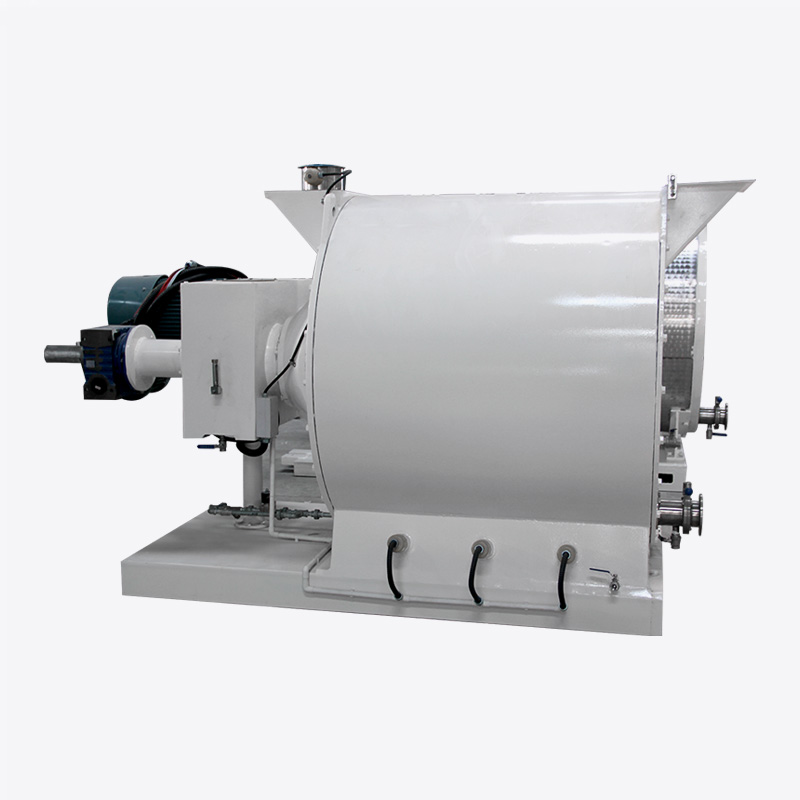
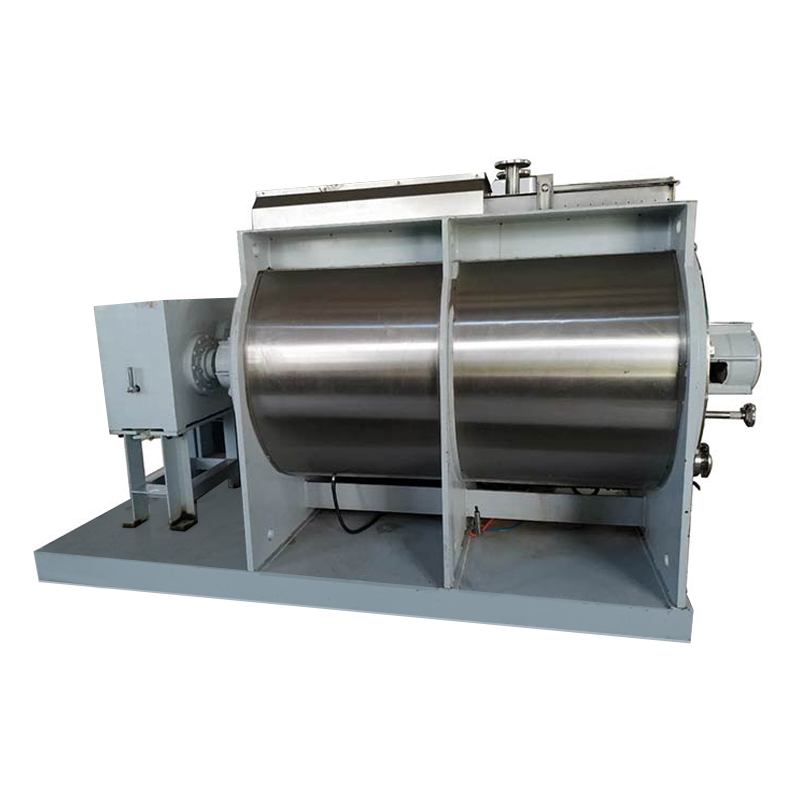
If you manage a chocolate line, the frustrations probably sound familiar. One batch refines smoothly while the next feels gritty on the tongue. A recipe change swallows half a shift in cleaning. A machine that looked capable during the sales demonstration turns out to fight with everything around it once bolted to your floor. A Ball Mill Chocolate Machine has become the equipment many factories turn to when these headaches pile up, because it refines chocolate mass through continuous circulation inside a closed grinding chamber rather than a single crushing pass. That difference sounds technical and minor. In daily production it reshapes how you plan shifts, schedule cleaning, train operators, manage maintenance budgets, and prepare for products you have not even launched yet. What follows walks through how the equipment works, what it does to chocolate texture and factory workflow, the questions worth asking before purchase, and where refining practice appears to be heading.
Content
- 1 How a Ball Mill Chocolate Machine Refines Chocolate Mass
- 2 Why Does the Chocolate Refining Process Deserve So Much Attention?
- 3 The Questions Worth Asking Before Buying Chocolate Refining Equipment
- 4 How Does Equipment Compatibility Shape Daily Production?
- 5 What Operational Challenges Do Chocolate Production Teams Face Every Day?
- 6 Chocolate Refiner Maintenance Works as Planning, Not Firefighting
- 7 How Is Flexibility Changing Chocolate Equipment Decisions?
- 8 What Do Changing Workforce Expectations Mean for the Refining Stage?
- 9 Sustainability and Resource Awareness Have Entered the Conversation
- 10 Where Might Chocolate Refining Technology Head Next?
- 11 Bringing It All Back to the Factory Floor
How a Ball Mill Chocolate Machine Refines Chocolate Mass
The working principle is easier to picture than the name suggests. Chocolate ingredients such as cocoa mass, sugar, milk powder, and fats circulate inside an enclosed chamber filled with hardened grinding media. As the mixture moves, the media move with it, and countless small contacts occur between media and particles. Coarse fragments wear down gradually, pass after pass, until the whole mass reaches a smooth and even consistency suitable for the stages that follow.
There is no single dramatic moment of impact doing the work. Refinement accumulates through repetition, the way flowing water rounds a stone over seasons rather than in one strike. This gradual character is exactly what gives the process its reputation for evenness. Because every portion of the mass keeps returning through the grinding zone, no pocket of material escapes attention, and the finished chocolate carries a uniformity that shows up later on the tongue and in the mold.
The Closed Chamber Keeps Conditions Steady
Because grinding happens inside a sealed vessel, the chocolate paste stays protected from the surrounding environment. Humidity in the air, dust from nearby operations, and temperature swings on the factory floor have far less opportunity to interfere. Circulation speed and residence time settle into a repeatable rhythm once the machine warms up. Operators come to know what normal sounds like, what normal feels like when they rest a hand on the housing, and what the material looks like at each stage. That familiarity makes it far easier to notice when something drifts, long before a formal quality check would catch it.
Circulation Replaces One-Directional Processing
Some traditional refining approaches push material through in a single direction, so whatever exits the machine is finished, ready or not. If the texture falls short, the batch may need reprocessing, which complicates scheduling and ties up equipment. Circulation-based grinding takes a different path. The mass keeps moving through the chamber until it reaches the texture the recipe demands, and only then does it move onward. That built-in patience matters enormously when a factory handles a firm dark formulation one day and a soft compound coating with an entirely different fat system the next.
Why the Design Suits Varied Recipes
- The same chamber can process different formulations without structural modification.
- Grinding time stretches or shortens to match each texture target.
- The enclosed system limits exposure during allergen-sensitive production runs.
- Cleaning between recipes follows a repeatable, plannable routine rather than improvisation.
- Operators manage one consistent set of procedures across a wide product range.
What Versatility Means for Smaller Producers
Craft chocolate makers and mid-sized factories often lack the luxury of dedicating one machine to each product family. A refining unit that moves comfortably between a nut paste, a milk formulation, and a dark couverture lets a smaller operation offer a portfolio that once required several separate pieces of equipment. For businesses testing new markets or supplying varied private-label customers, that adaptability is frequently the deciding factor in the purchase.
Why Does the Chocolate Refining Process Deserve So Much Attention?
A customer biting into a bar thinks about flavor and mouthfeel, never about particle reduction. Inside the factory, however, the refining stage quietly shapes almost everything that follows it, which explains why production meetings keep circling back to this part of the line.
Texture Begins Here, Not at Molding
The smoothness people describe as quality is created when solid particles become fine enough that the tongue no longer detects them individually. Everything downstream, from tempering to enrobing to the final snap of a molded bar, works with whatever texture the refining stage delivers. If refining leaves the mass uneven, no amount of careful tempering or elegant packaging will hide it. The consumer's palate finds the flaw within seconds, and repeat purchases quietly disappear.
Downstream Equipment Feels Every Inconsistency
A uniformly refined chocolate paste pumps predictably, deposits cleanly, coats evenly, and settles smoothly in molds. An inconsistent mass clogs nozzles, varies in viscosity from one holding tank to the next, and forces operators into a constant dance of small adjustments. Refining problems rarely stay at the refining stage. They travel down the line, multiply at each station, and eventually surface as rework, waste, or customer complaints that seem mysteriously disconnected from their true origin.
Batch-to-Batch Consistency Protects Your Schedule
When the chocolate grinding process behaves the same way every day, production planning becomes honest. Delivery promises hold without heroics. When refining varies, every schedule carries hidden padding to absorb surprises, and padding is expensive floor time that no accounting line ever captures properly. Plants that stabilize this stage often discover their overall throughput improves without touching anything else, simply because the rest of the line stops compensating for upstream unpredictability.
Refining Also Shapes Cleaning and Changeover Practice
Factories producing multiple recipes clean between runs, and the design of the refining equipment determines whether that cleaning is a brisk routine or a dreaded ordeal. Accessible chambers, sensible drainage, and surfaces that release residue willingly turn product transitions into planning items rather than productivity sinkholes. Buyers who overlook this aspect during purchase usually rediscover it, painfully, during their busiest season.
The Questions Worth Asking Before Buying Chocolate Refining Equipment
Purchasing conversations in this industry have grown noticeably more practical over recent years. Buyers no longer ask only what a machine can do on paper. They ask what living with it will feel like, shift after shift, season after season, for the working life of the investment.
Does It Fit the Factory You Actually Have?
Every plant develops its own rhythm and its own physical constraints. Some run similar products all day; others switch recipes constantly. Some enjoy open floor space with wide aisles; others squeeze equipment into the corners of older buildings with low ceilings and awkward columns. A chocolate mass grinding machine that suits one layout may sit miserably in another. Before comparing models, study your own material paths, ceiling clearances, access corridors, utility connections, and the walking routes your operators follow a hundred times a day. The machine has to join that world, not the idealized one in a catalog photograph.
How Demanding Is a Normal Shift?
Procedures that operators can repeat reliably matter more than clever features nobody touches after the first month. Ask yourself honestly:
- Can a new operator learn the startup routine within a reasonable training period?
- Can the morning shift hand over to the afternoon shift with a short conversation and a checklist?
- Are the controls readable at a glance from where operators normally stand?
- Does the machine communicate clearly when something needs attention?
- Will the routine survive a busy week when everyone is stretched thin?
Complicated routines invite variation between shifts, and variation invites defects. Simple, repeatable operation is not a luxury feature. It is quality control in disguise.
What Will Maintenance Actually Involve?
Maintenance planning belongs in the purchasing discussion, not as an afterthought following installation. Practical concerns include whether inspections can happen without stopping neighboring equipment, whether technicians have physical room to reach wearing components, whether grinding media can be examined and replaced on a sensible schedule, and whether cleaning slots into the existing calendar instead of colliding with it. A machine that demands exotic tools, contorted access, or long shutdowns for routine care will cost far more over its life than its purchase price suggests.
Can It Grow With Your Product Range?
Product lines expand. Layouts shift. Packaging formats evolve. Customer requirements change direction with little warning. Equipment that accommodates change without a rebuild deserves a longer look than a machine that locks the factory into today's setup. Buyers increasingly ask whether the refining stage they install now will still make sense when the product catalog looks entirely different, and that question is worth sitting with before signing anything.
Who Should Be in the Room During Selection?
Equipment decisions once belonged to a single manager. Now the wiser factories bring several perspectives to the table. Production managers focus on workflow and scheduling. Maintenance personnel evaluate access and serviceability. Quality teams examine consistency and cleaning. Factory planners weigh installation requirements and future layout. Management reviews the long-term operational picture. Each department catches concerns the others would miss, and a purchase reviewed through all of those lenses tends to age far more gracefully.
How Does Equipment Compatibility Shape Daily Production?
Modern chocolate manufacturing works as a chain, not a collection of independent stations. Raw materials move to mixing, mixed ingredients travel to refining, refined chocolate continues to holding tanks, then onward to tempering, molding, cooling, and packing. Each stage inherits whatever the previous one delivers, in both quality and timing.
When Machines Ignore Their Neighbors, the Line Pays
A refining unit that performs beautifully in isolation can still damage productivity if it disrupts the rhythm around it. Material waits in buffers longer than planned. Operators perform extra manual transfers that were never in the process design. Cleaning windows collide with production windows, and someone has to lose. None of these problems appear on a specification sheet, yet all of them appear on the factory floor, week after week, quietly eroding the return on the investment.
Layout Questions That Sound Mundane but Matter
- Can piping connect to existing transfer systems without awkward routing overhead or underfoot?
- Is there space to open panels, replace components, and wash down thoroughly?
- Can operators observe the machine condition during their normal walking routes?
- Does the arrangement leave breathing room for future equipment additions?
- Will cleaning water, waste, and access carts have somewhere sensible to go?
Plants planning growth pay particular attention to the question of future space. Rearranging a working factory later costs far more in disruption, lost production, and frayed nerves than reserving a modest buffer zone now.
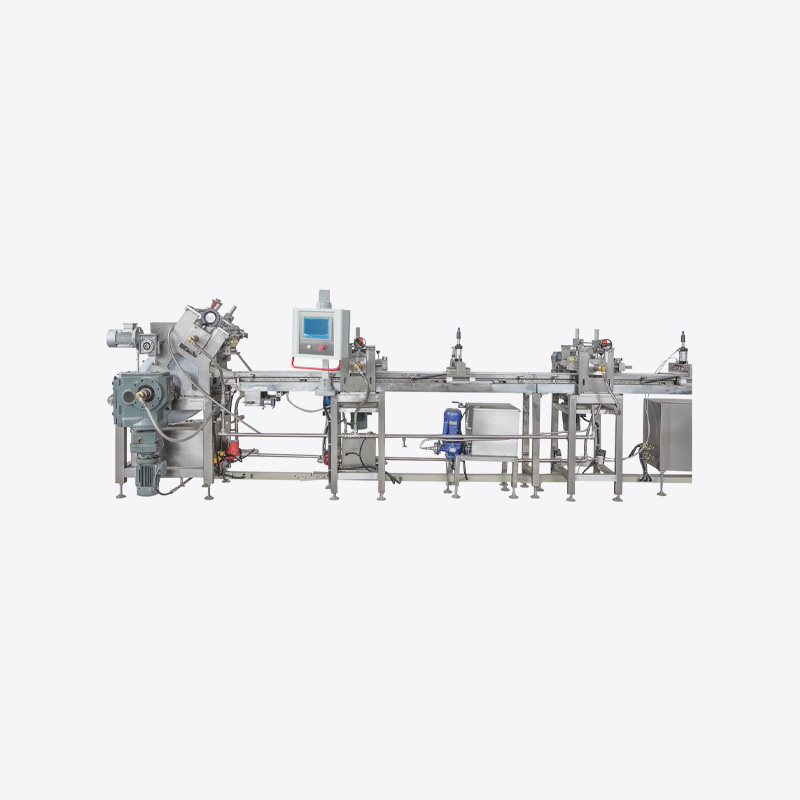
Integration Into a Complete Chocolate Production Line
A ball mill sits between preparation and forming, which makes it a natural connection point for the whole operation. Factories that treat it as part of a continuous flow, rather than a standalone station, tend to report smoother material movement, simpler scheduling, and fewer surprises during recipe transitions. The machine becomes less a destination and more a well-behaved section of a river, receiving material from upstream and passing it downstream without turbulence.
Compatibility Extends to People, Not Just Pipes
Physical connections are only half of integration. The machine also has to fit the habits, skills, and staffing patterns of the team running it. A plant with a small, experienced crew can handle equipment requiring judgment and finesse. A plant with high turnover needs equipment forgiving enough that a relatively new operator can run it safely and consistently. Ignoring this human dimension is among the more common and more expensive mistakes in equipment selection.
What Operational Challenges Do Chocolate Production Teams Face Every Day?
Problems on a chocolate line rarely announce themselves loudly. They creep in through slipped routines, ignored wear, unread handover notes, and the slow accumulation of small compromises that everyone intends to fix eventually.
Keeping the Workflow Steady
Unplanned stops ripple outward in every direction. Schedules shift, operators scramble, material sits in tanks longer than intended, and downstream stations starve while upstream ones back up. Plants build their day around continuity wherever possible, and refining equipment with a stable operating pattern supports that goal directly. Steadiness at this stage buys steadiness everywhere else.
Coordinating Cleaning Between Recipes
Switching from a milk formulation to a dark one, or handling an allergen changeover, means cleaning has to happen at exactly the right moment, done exactly the right way. Well-designed access points, sensible drainage, and clear written procedures turn cleaning from a dreaded interruption into a routine planning item that operators can execute confidently even on a hectic day.
Managing Wear Before It Manages You
Continuous grinding wears components. That is physics, not a defect, and pretending otherwise is how emergencies are born. Regular inspection lets technicians replace grinding media and wearing parts on their own terms during planned pauses, instead of during a crisis with a delivery truck idling outside and a customer on the phone. Factories that internalize this rhythm spend less overall and sleep considerably better.
Building Operator Familiarity
An experienced operator can hear when a machine sounds different, feel when vibration changes, and sense when the material flow looks slightly off. That instinct grows from consistent procedures, decent training, and honest time on the floor. Clear documentation helps newer staff develop the same ear faster, which protects production whenever the team changes, and teams always change eventually.
Balancing Competing Priorities
When a customer suddenly wants more of one product, the schedule bends. A seasonal item jumps the queue. A trial batch for the development team needs an hour of machine time. Refining equipment that tolerates rescheduling, shorter runs, and shifted maintenance windows turns those weeks from chaotic into merely busy, and the difference between chaotic and busy is where profit margins live.
Chocolate Refiner Maintenance Works as Planning, Not Firefighting
An older factory culture treated maintenance as the department you called after something broke. That mindset is fading across the industry, and for good reason: reliable equipment is what allows a plant to promise delivery dates with a straight face and keep those promises without heroics.
Fold Routine Care Into the Calendar
Visual checks at shift start. Cleaning tied to recipe changes. Component reviews during planned pauses. Grinding media examined on a regular cycle. Written records of all of it, kept where people can actually find them. None of this is glamorous work, and none of it will ever win applause. All of it prevents the expensive kind of surprise, and prevention is the quietest form of profit a factory earns.
Records Turn Guesswork Into Decisions
If a certain component needs attention at similar intervals, inspection schedules adjust to match reality rather than a generic recommendation. If interruptions cluster around particular products or particular periods, planning meetings gain something concrete to discuss instead of competing memories and opinions. Over time, a simple logbook becomes one of the more valuable management tools in the building, precisely because it holds patterns no single person could carry in their head.
A Practical Maintenance Overview
| Maintenance Activity | What It Protects |
|---|---|
| Visual inspection at shift start | Early detection of unusual conditions |
| Cleaning tied to recipe changes | Product purity and smooth transitions |
| Grinding media and component checks | Consistent refining results over time |
| Scheduled servicing windows | Predictable production with fewer emergencies |
| Written maintenance records | Clearer patterns and smarter planning |
| Cross-department communication | Small issues caught while still small |
The table looks simple, and that simplicity is the point. Reliable chocolate refining rarely depends on heroics or expensive interventions. It depends on ordinary habits repeated without exception, by people who understand why the habits exist.
Communication Closes the Loop
Operators often notice a change in machine behavior days before anything appears in a formal report. A slightly different sound during startup, a texture that takes a little longer to develop, a panel that feels warmer than usual. Plants where production staff and maintenance technicians talk casually and often catch these signals while they are still cheap to address. Plants where the departments communicate only through formal channels catch them later, when the fix has grown teeth.
How Is Flexibility Changing Chocolate Equipment Decisions?
Chocolate makers rarely produce a single product all year. Seasonal assortments, filled bars, coated snacks, private-label runs, and development trials keep the product mix in constant motion, and the refining stage has to keep pace or become the bottleneck everyone resents.
Recipe Variety Without Rebuilding the Line
A small batch chocolate refining setup that handles varied formulations lets a factory say yes to opportunities instead of turning them away at the door. Adjustable grinding time, straightforward cleaning, and predictable behavior across different fat systems all contribute to that freedom. The commercial value is hard to overstate: the ability to accept a varied order book without capital expenditure is, in effect, capacity the factory already paid for.
Scheduling That Bends Without Breaking
Production priorities change on short notice. A product gaining traction needs more line time; another steps back temporarily; a customer moves a deadline forward. Equipment that restarts cleanly after a pause, holds its settings reliably, and transitions between recipes without drama makes rescheduling a planning exercise rather than a crisis. Factories learn quickly which of their machines cooperate with change and which ones punish it.
Product Development Moves Upstream
Development teams increasingly sit at the same table as production staff before a recipe is finalized, and this earlier collaboration is quietly transforming how new products reach the market. Cleaning practicality, trial scheduling, ingredient behavior in the grinding chamber, and realistic changeover times all get discussed while the recipe is still adjustable. Factories whose refining equipment supports small trial runs shorten the distance between a promising idea in the development kitchen and a finished product on the shelf, and shorter distance means more ideas actually make the journey.
Flexibility Is Also a Hiring and Training Question
A flexible machine operated by an inflexible set of procedures gains nothing. Plants that pair adaptable equipment with cross-trained operators, clear changeover documentation, and honest scheduling buffers extract far more value from the same hardware. The equipment provides the possibility; the organization decides whether the possibility becomes practice.
What Do Changing Workforce Expectations Mean for the Refining Stage?
Equipment is only half of the production story. The people running it shape the outcome just as much, and their role has broadened considerably.
Operators Do More Than Press Buttons
Today's operators inspect, record, flag oddities, verify cleaning, coordinate with maintenance, and suggest workflow improvements based on what they see every day. This broader role demands familiarity with the whole production chain, not just one control panel, and it rewards factories that treat operators as knowledgeable partners rather than interchangeable labor.
Training Reflects the Wider Role
Effective training programs now cover:
- How the refining stage connects to everything upstream and downstream.
- How to recognize unusual sounds, temperatures, or flow behavior early.
- How to communicate observations clearly across shifts and departments.
- How to follow cleaning procedures consistently, without shortcuts, even under pressure.
- Why each routine exists, so compliance comes from understanding rather than obedience.
Stable Procedures Support Stable Teams
Clear documentation and consistent routines help new employees become productive sooner and reduce the variation that creeps in when different shifts quietly develop different habits. A machine with a straightforward operating rhythm makes all of this easier to achieve, and easier onboarding in turn makes staffing changes less threatening to product quality. The equipment and the workforce reinforce each other, for better or worse, and wise managers design for the better version.
Sustainability and Resource Awareness Have Entered the Conversation
Environmental thinking has reached the chocolate factory floor, arriving less as policy statements and more as a stream of everyday operational choices that add up over time.
Small Decisions Accumulate
Efficient use of ingredients, cleaning procedures designed to avoid waste, preventive care that extends equipment life, and production planning that reduces repeated work all contribute quietly to a lighter footprint. Stable refining supports every one of these goals, because predictable equipment wastes less of everything: material, energy, cleaning resources, and human effort spent correcting avoidable problems.
Longevity Is a Resource Strategy
Replacing worn components before failure, keeping thorough records, and choosing equipment built for a long service life keep machinery productive for years instead of cycling through replacements. Durability, viewed this way, is an environmental decision as much as a financial one, and buyers increasingly weigh it alongside the traditional criteria of capability and cost.
Waste Reduction Starts With Consistency
Every rejected batch represents ingredients grown, shipped, and processed for nothing. A refining stage that delivers consistent results batch after batch prevents that waste at the source, which is far more effective than managing it afterward. Consistency, in other words, is the quietest sustainability program a chocolate factory can run.
Where Might Chocolate Refining Technology Head Next?
Equipment design follows factory priorities, and the priorities visible today point in a fairly consistent direction, even if the details remain open.
Broader Recipe Adaptability
Refining solutions will likely keep expanding the range of formulations they handle comfortably, without piling on complexity that burdens operators. The winning designs will be the ones that make versatility feel simple from the control panel.
Deeper Workflow Integration
Machines designed to connect naturally with transfer systems, holding tanks, and monitoring routines will continue attracting attention from planners who think in systems rather than stations. Integration is steadily shifting from a nice-to-have into a baseline expectation.
Maintenance-Friendly Construction
Access panels placed where technicians actually need them, wearing parts that swap quickly during a planned pause, and inspection points visible during normal operation are becoming expectations rather than luxuries. Designers who spend time on real factory floors tend to get this right; the results speak for themselves in service records.
Closer Collaboration Across Teams
Production managers, maintenance staff, quality specialists, engineers, and product developers increasingly evaluate refining equipment together, each bringing a different lens to the decision. That habit is likely to deepen, and equipment that satisfies all of those lenses at once will keep earning its place on the shortlist while narrower designs quietly fall away.
Information-Supported Operations
Simple, consistent record keeping around refining is growing into a genuine management resource. Patterns in operating logs guide inspection schedules, cleaning routines, and even purchasing decisions. The trend does not require complicated technology; it requires discipline, and factories that build the discipline now will be well positioned for whatever tools arrive later.
Bringing It All Back to the Factory Floor
The renewed interest in the Ball Mill Chocolate Machine says less about one piece of equipment and more about a genuine shift in how chocolate makers think about their entire operation. Refining used to be a middle step nobody discussed outside the grinding room; now it sits at the intersection of texture quality, workflow planning, maintenance strategy, workforce training, sustainability practice, and product development. A factory choosing refining equipment today is really choosing how flexible its schedule can be, how smoothly its recipes can change, how predictably its maintenance calendar runs, how quickly a new idea can travel from the development kitchen to a finished mold, and how gracefully the whole operation will absorb the changes that the coming years will inevitably bring. Buyers who approach the decision with those questions in hand, who study their own layout honestly, involve their operators and technicians early, and weigh long-term adaptability alongside immediate capability, tend to end up with equipment that earns its floor space year after year and grows more valuable as the team learns its rhythms. The consumer will never see any of this effort, and that is exactly as it should be. They will simply notice that the chocolate melts smoothly, snaps cleanly, and tastes the way they hoped it would, which, in the end, is precisely what a thoughtfully planned refining stage exists to deliver.