

 English
 Español


Picture a chocolate fountain running for thirty minutes: the curtain starts glossy, then thickens, splashes, and leaves a matte coat on strawberries. In most cases the chocolate is the problem, not the fountain. For a chocolate fountain, choose couverture or a chocolate sold specifically as fountain-ready. It should have a high cocoa butter content, a low viscosity, and a clean chocolate flavor. Milk chocolate and dark chocolate are both practical choices. White chocolate can work, but it is less forgiving with heat. Standard chocolate chips, low-fat baking bars, and waxy candy melts are the usual causes of poor flow.
Content
- 1 Why Couverture Works Better Than Chips or Candy Melts
- 2 The Right Viscosity Matters More Than the Label
- 3 Tempering and Serving Temperatures
- 4 Matching Chocolate Type to Guests and Menu
- 5 How to Prepare a Fountain Without Clogs
- 6 When Volume Grows, Equipment Choices Show Up
- 7 Common Mistakes That Ruin Fountain Chocolate
Why Couverture Works Better Than Chips or Candy Melts
Couverture is made with extra cocoa butter, which gives it a thinner melt and a cleaner flow through a pump-style fountain. That matters because the fountain is not just melting chocolate; it is moving it continuously over a heated tier and back into the basin. If the chocolate is too thick, the pump strains, the curtain breaks into drips, and the chocolate cools on the fruit before it can form a thin shell.
Chocolate chips are formulated to hold their shape in cookies. They often contain less cocoa butter and more stabilizers, so they can turn sluggish in a fountain. Candy melts flow more easily, but many are not real chocolate and can leave a waxy or overly sweet coating. They are useful for color and simple display work, not for a premium chocolate experience.
| Option | Flow behavior | Flavor and finish | Best use |
|---|---|---|---|
| Dark couverture | Thin to medium, depending on cocoa percentage | Intense chocolate flavor and good gloss | Adult events, fruit, pretzels, and biscuit pieces |
| Milk couverture | Usually easy to pump when gently melted | Mild, sweet, and broadly appealing | Family events, marshmallows, and cake cubes |
| White couverture | Can thicken quickly if overheated | Sweet and creamy; shows scorching easily | Berry tables, dessert bars, and children’s parties |
| Standard chocolate chips | Often too thick and prone to clogging | Familiar but can set dull and grainy | Baking, not fountain service |
| Candy melts | Flows easily but can look thin or oily | Sweet, waxy, and limited cocoa flavor | Color themes and simple visual displays |
The Right Viscosity Matters More Than the Label
Fountain chocolate needs enough fluidity to climb the auger and fall in a continuous curtain, but not so much oil that it drips off fruit without coating it. Cocoa butter is the natural ingredient that controls this balance. A couverture with more cocoa butter will usually flow more freely than a supermarket bar with the same cocoa percentage but a leaner recipe.
For a tall fountain, choose a thinner fountain chocolate. For a small tabletop unit, a slightly thicker chocolate may be easier to control. If the chocolate is close but still too thick, stir in a neutral vegetable oil or extra cocoa butter a little at a time. A practical starting point is one tablespoon per 500 g of chocolate, but stop as soon as the curtain becomes smooth. More oil is not better; it can make the coating greasy and slow to set.
A quick thickness test
Dip a clean spoon into the running chocolate and lift it above the basin. The chocolate should fall in a ribbon that folds on itself. If it drops in heavy clumps, it is too thick. If it runs like water and leaves only a thin stain, it is too thin. Adjust with small amounts of chocolate or oil rather than large corrections.
Tempering and Serving Temperatures
Tempering before service improves gloss and helps the chocolate set with a light snap, but the fountain’s working temperature is higher than a molded bar’s temper. Do not chase a perfect temper curve at the expense of flow. Melt the chocolate gently, keep water out of the basin, and bring it to a stable working temperature before loading.
Many operators run dark chocolate at roughly 43–46°C, milk chocolate at 40–43°C, and white chocolate at 38–40°C. These are working ranges, not fixed rules; the fountain design, room temperature, and chocolate recipe all affect the result. If the chocolate thickens during service, raise the heat slightly and stir. If it looks oily or separates, the temperature is too high or moisture has entered the basin.
Water is the enemy. A single drop on a spoon or a wet strawberry can cause chocolate to seize into a grainy paste. Dry every fruit piece, use pretzels and biscuits that are fully baked, and keep ice away from the fountain. If the chocolate does seize, remove it and start with a fresh batch rather than trying to thin it back to a smooth flow.
Matching Chocolate Type to Guests and Menu
Milk chocolate is the safest crowd-pleaser for family events, school functions, and mixed-age gatherings. Its sweetness balances tart fruit and salty snacks. Dark chocolate, especially in the 50–65% cocoa range, gives a more adult flavor and cuts through brownies, shortbread, and bacon. Very high-percentage dark chocolate can be bitter and thick, so test it before committing to a large batch.
White chocolate works best with berries, citrus, and slightly acidic fruit that balance its sweetness. It also shows heat damage quickly, so keep the temperature conservative and stir often. For a dessert table, offer one milk chocolate fountain and one dark chocolate fountain rather than trying to satisfy every preference with a single basin.
Check labels for allergens and cross-contact risks, particularly milk, soy, nuts, and gluten from dippers. If the event includes guests with food allergies, separate serving tools and clearly label each fountain. Strongly flavored oils and extracts should be avoided unless they are designed for chocolate, because they can upset the flow and leave an off-flavor.
How to Prepare a Fountain Without Clogs
- Preheat the fountain according to its manual, then run it empty for a few minutes so the basin reaches temperature.
- Chop couverture into even pieces so it melts without scorching. Small pieces also reduce the risk of overheating the outside of the chocolate.
- Melt gently in a clean, dry bowl or in a temperature-controlled melter. Stir until smooth, then bring the chocolate to the fountain’s working range.
- Load the basin and watch the first curtain. Adjust thickness with a small amount of oil or extra chocolate only after the pump has run for several minutes.
- Keep the fountain running during service. Starting and stopping allows the chocolate to cool in the auger and can cause a clog.
- Serve dry dippers, refill the basin before it runs low, and never add water to loosen the chocolate.
When Volume Grows, Equipment Choices Show Up
Caterers and small producers often reach a point where a double boiler and a household fountain are no longer predictable. A temperature-controlled melter or tempering machine gives more consistent batches, reduces scorching, and makes it easier to repeat the same flow at every event. For a deeper look at machine types and capacity, this chocolate tempering machine selection guide is useful.
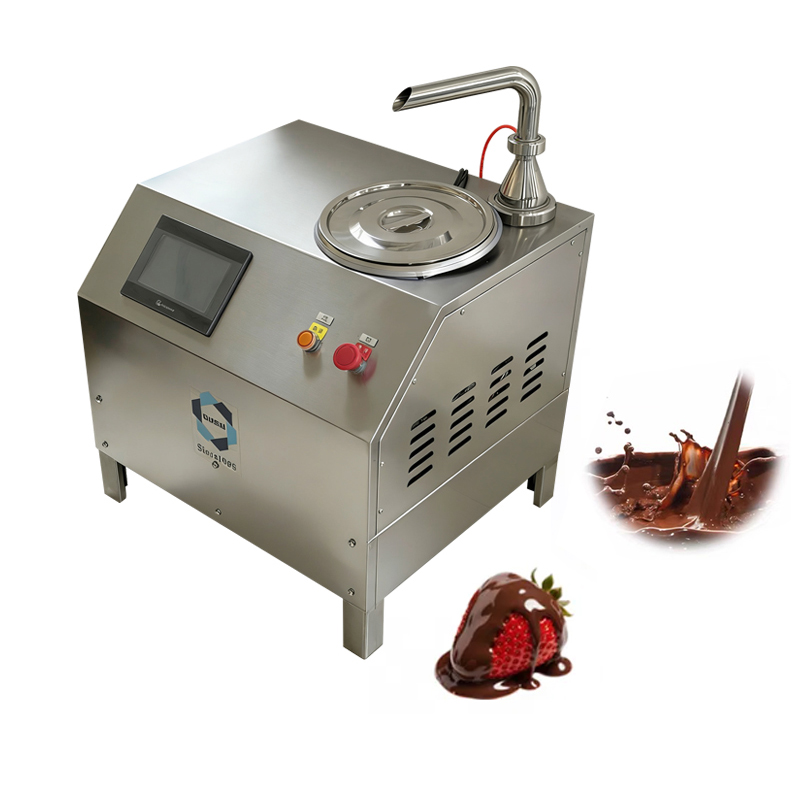 10L Mini Chocolate Tempering and Melting MachineA temperature-controlled 10L melter with stirring and PLC control, suited to caterers and small producers seeking repeatable chocolate batches.View Product →
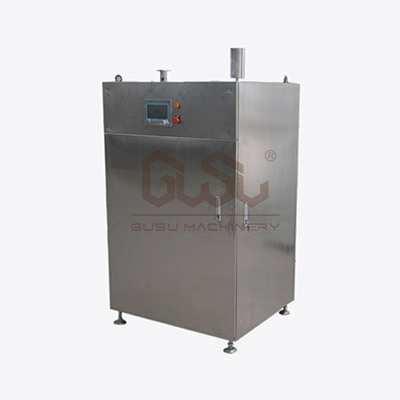 QT Series Automatic Chocolate Tempering MachinePLC-controlled tempering with models from 100 to 2000 kg/h, offering consistent texture and gloss for small to large chocolate production.View Product →
For larger batches, a dedicated fat melter can prepare cocoa butter or chocolate fat evenly before it is blended into the fountain mix. That kind of control matters when a single event requires several fountains or when the menu includes both dark and milk chocolate. If you need commissioning guidance or staff training, review the service and support options before buying.
 RYG1000 Professional Chocolate Fat Melting MachineA 1000 L/h fat melter with PLC touchscreen control and a removable melting grid for preparing cocoa butter or chocolate fat evenly.View Product →
Common Mistakes That Ruin Fountain Chocolate
- Using chocolate chips because they are convenient, then wondering why the curtain stalls.
- Overheating white or milk chocolate until the cocoa butter separates and the texture turns oily.
- Adding water, juice, or wet fruit to thin the chocolate instead of using oil or cocoa butter.
- Filling the fountain too high, which can overflow once the chocolate expands with heat.
- Serving cold fruit straight from the refrigerator, which chills the chocolate on contact.
- Choosing candy melts for a premium event and expecting a true chocolate flavor and snap.
If you remember one rule, make it this: use couverture or fountain-ready chocolate with enough cocoa butter to flow smoothly, and treat temperature and moisture as carefully as you treat the recipe. A fountain does not need the most expensive chocolate on the shelf, but it does need the right chocolate for the job. Test a small batch before the event, keep the basin running, and adjust thickness in small steps. The result is a steady curtain, a clean coating, and far fewer surprises when guests arrive.